
 Oil On Canvas
- WallArt
- Pre-Raphaelite
 1851
1851 11.0 x 76.0 cm
 Tate muziejus
The picture follows your choices: , .
Kolekcinio objekto aprašas
Experience Millais’ "Ophelia" – a breathtaking Pre-Raphaelite masterpiece! Explore its serene beauty, intricate detail & symbolic depth. A timeless work of art.
 Skaityti daugiau
Autoriaus biografija
Atraskite sero Johno Everetto Millaiso (1829–1896) meną – Pre-Rafaelitų įkūrėjo drobeles, kupinas detalių ir realizmo. Žymiausi darbai: „Ofelija“, „Kristus tėvų namuose“. Viktoriškojo laikmečio tapybos ikona.
Rankų darbo aliejinės reprodukcijos
Rankiniu būdu tapytas aliejus ant droblio jūsų pageidaujamame dydį ir rėmuose – tai mūsų menininkų pagal užsakymą sukurtas darbas. ( Perjungti į spausdinamus版作品 Perejti prie skaitmeninių vaizdų)
More about this painting
 Peržiūrėti realaus dydžio版
 Pasidalinti
 Dalintis
 Išsamiau
 Vadovas

 Atsisiųsti
 Panašūs eksponatai
 Rentgeno spindulių nuotrauka
 Automatinė diorama
 Q&A
Q&A Statistika
Order your painting in four simple steps
Take your time. You can change any answer; the price in your order card follows each choice.
1 Step one of four
Which size would you like?
These sizes keep the proportions of the original painting. The drawing shows your choice on a wall, above a two-metre sofa.
Or give your own measurements
Pasirinkite iš mūsų nustatytų dydžių, atitinkančių originalaus meno kūrinio proporcijas.

Įveskite jums reikiamą plotį ir aukštį, kad paveikslas atitiktų jūsų rėmą ar sieną. Kadangi šis darbas yra rankinio darbo, siekiant išgauti kitokios formos dydį, paveikslas gali būti šiek tiek didesnis (nuo kraštų bus palikta daugiau erdvės) arba mažesnis – pasirinkite jums patogiausią variantą. Prieš pradedant tapyti, atsiųsime jums skaitmeninį maketą patvirtinimui. Šioje puslapio nuotraukoje matomas vaizdas nėra galutinis rezultatas – jį parodys tik sukurtas maketas.
2 Step two of four
How should it be prepared: rolled, stretched or framed?
The prices below are for the size you chose in step one.
Choose the edges of the stretched canvas
Choose your frame

White €1

Blurside €1

Extended €1

P118B €10

P118H €10

P118W €10

P438Z €10

P508JH €12

P508YH €12

P805H €10

P805Z €10

P919BZ €10

P919G €10

P919XJ €10

P959ZH €10

P968JZ €12

W106C €8

W218G €10

W218JH €8

W218Y €10

W307PJ €10

W316G €10

W316PJ €8

W316Y €10

W398PJ €8

W4111J €10

W500HY €15

W500JH €15

W692G €12

W849H €8

W940BG €15

W953PJ €8

H24-GOLD €30

H24-SILVER €30

H36-GOLD €45

H36-SILVER €45
Įrėmintas
Moulding: . Overall size with the frame: .
3 Step three of four
Would you like anything changed in the painting?
Most people answer no. Because each painting is made by hand, our artist can also adapt it for you.
After order, ArtsDot.com team will email client for instructions and provide a mockup preview
4 Step four of four
A few finishing options
All of them are optional. The answers already selected cost nothing extra.
Who paints it?
Pristatymas visame pasaulyje () per 3–4 savaites, o ne įprastai – per 5 savaites. (29 spalis). Kokybė lieka nepakeičiama.
A nameplate, as in a museum?
Išgraviruotos bronzinės plokštelės detalės
This elegant plaque features the artist's name and the title of the artwork, finely engraved for a timeless presentation.
It is made from bronze with a refined, elegant finish. The text is precisely laser-engraved for a sharp and permanent result. Measuring 9x2 cm, the plaque is compact yet easy to read. It's built to be durable and scratch-resistant, offering a professional, museum-quality look. Mounting is simple thanks to the included adhesive backing.
Skaidrios akrilo plokštelės informacija
The plaque includes essential engraved details such as the artist's name, the title of the artwork, the date it was created, the type of media used-like oil on canvas or watercolor-a brief description of the piece, and a QR code that links to the complete artwork information.
It is crafted from clear acrylic, offering a sleek, modern appearance. The text is UV-engraved in black to ensure strong visual contrast. With a size of 10x15 cm, it ensures optimal readability. It comes equipped with two metal hooks for secure wall mounting. The plaque is designed to be weather-resistant, making it suitable for various environments, and it includes interactive features that work seamlessly with smartphone scanning.
Juodos akrilo plokštelės informacija
This elegant plaque includes engraved information such as the artist's name, the title of the artwork, the date it was created, the type of media used (like oil on canvas or watercolor), a short description of the artwork, and a QR code for quick access to more information.
The plaque itself is made from refined black acrylic with a premium finish. The text is laser-engraved in white for high contrast and readability. Its size is 10x15 cm, designed to be easy to read. It comes with two metal hooks for professional mounting. The design is sleek and fits any interior style. It is also weather-resistant and durable, with built-in digital integration for mobile compatibility.
A protective varnish?
When do you need it?
✓ Check and order
Your painting, as you ordered it

Ophelia
Reprodukcijos technika
Reprodukcijos matmenys
-

Aukščiausios klasės meistras
Daugiau detalių, meistriškumo ir papildomo gamybos laiko
-

Reprodukcijos rėmėjimo parinktys
-
-
Dėl meno kūrinių ar reprodukcijų, kurių bet kuri pusė yra didesnė nei 105 cm (apie 41 inch), rėmas bus siunčiamas kaip išskaidytas surinkimo rinkinys. Šis metodas užtikrina saugų pristatymą ir apsaugo nuo transportavimo metu galimos žalos.
Reikalingas profesionalus surinkimas – tai nėra „pasidaryk pats“ (DIY) produktas.
Rinkinys turi būti surinktas, o drobė išplėsta naudojant patyrį profesionalų rėmininką, medžio klijus (nėra įtraukti į rinkinį), drobės plėšimo kleslę bei presas, kad rėmo rėžiai išliktų tiesūs, kol klijai išdžiūvus. Netinkamas surinkimas arba netolydus drobės įtampa gali negrįžtamai sugadinti meno kūrinį, todėl šie atvejai nėra užtraukiami mūsų garantijos.
 Dėl meno kūrinių ar reprodukcijų, kurių bet kuri pusė yra didesnė nei 105 cm (apie 41 inch), rėmas bus siunčiamas kaip išskaidytas surinkimo rinkinys. Šis metodas užtikrina saugų pristatymą ir apsaugo nuo transportavimo metu galimos žalos.
Į komplektą įeina visi vientisos medienos elementai, tiksliai išpjauti pagal dydį.
Surmontinama naudojant pridėtus varžtus bei papildomai reikalingą medžio kliją kampų jungtims, kuris nėra pridėtas ir turi būti parinktas rėmininkui.
Reikalingi profesionalūs įrankiai, kurie nėra įtraukti į rinkinį: drobės kėlimo plytelės (stiprintuvai) ir klemiai, laikantys rėmo strygius tiesiu kampu, kol džiūsta lipas.
Svarbu:
Kampų jungtims reikalingi medžio klijai, barams reikia laikyti naudojant presas, kol klijai visiškai išdžiūvės, o surinktam rėmui įtempiamai privilgti būtinos drobės įtempimo plytযুক্ত. Šios priemonės į rinkinį neįtrauktos. Prieš užsakydami šio dydžio rinkinį, rekomenduojame pasimalkoti patyrusiu rėmų meistru.

Pavadinimo lentelė
-
-

Apsauginis lakas
Blizgus lakas (ryškina spalvas, saugo nuo šviesos ir drėgmės)
-

Personalizuoti kūrinį
Ką galima pakeisti (pavyzdžiui): pakeisti veidą klientui skirta nuotrauka; pridėti augintinį (pvz., katę pakeisti šuniu); įtraukti paslėptą žinutę fone; pakeisti fono kraštovaizdį ar elementus.
-

Skubiai
Pristatymas visame pasaulyje () per 3–4 savaites, o ne įprastai – per 5 savaites. (29 spalis). Kokybė lieka nepakeičiama.
-
Skubus pristatymas
Pristatymas visame pasaulyje () per 5 weeks. (5 lapkritis).
Įskaičiuota
Bendroji kaina
€ 232
Stiklo variantas prieinamas tik pasirinkus dydį iki 110 cm
Included with every order
- Nemokamas greitasis pristatymas visame pasaulyje
- Aukštos kokybės lininis drobė
- Pilnas siuntimo draudimas
- Muitinės mokesčių grąžinimo garantija
- Tikro spalvų atitikimo garantija
- 100 dienų grąžinimo politika (tik esant įtaigoms)
- 100% pinigų grąžinimo garantija
- Nuolaida dideliems užsakymams


A Frozen Moment of Melancholy: Millais’s “Ophelia”
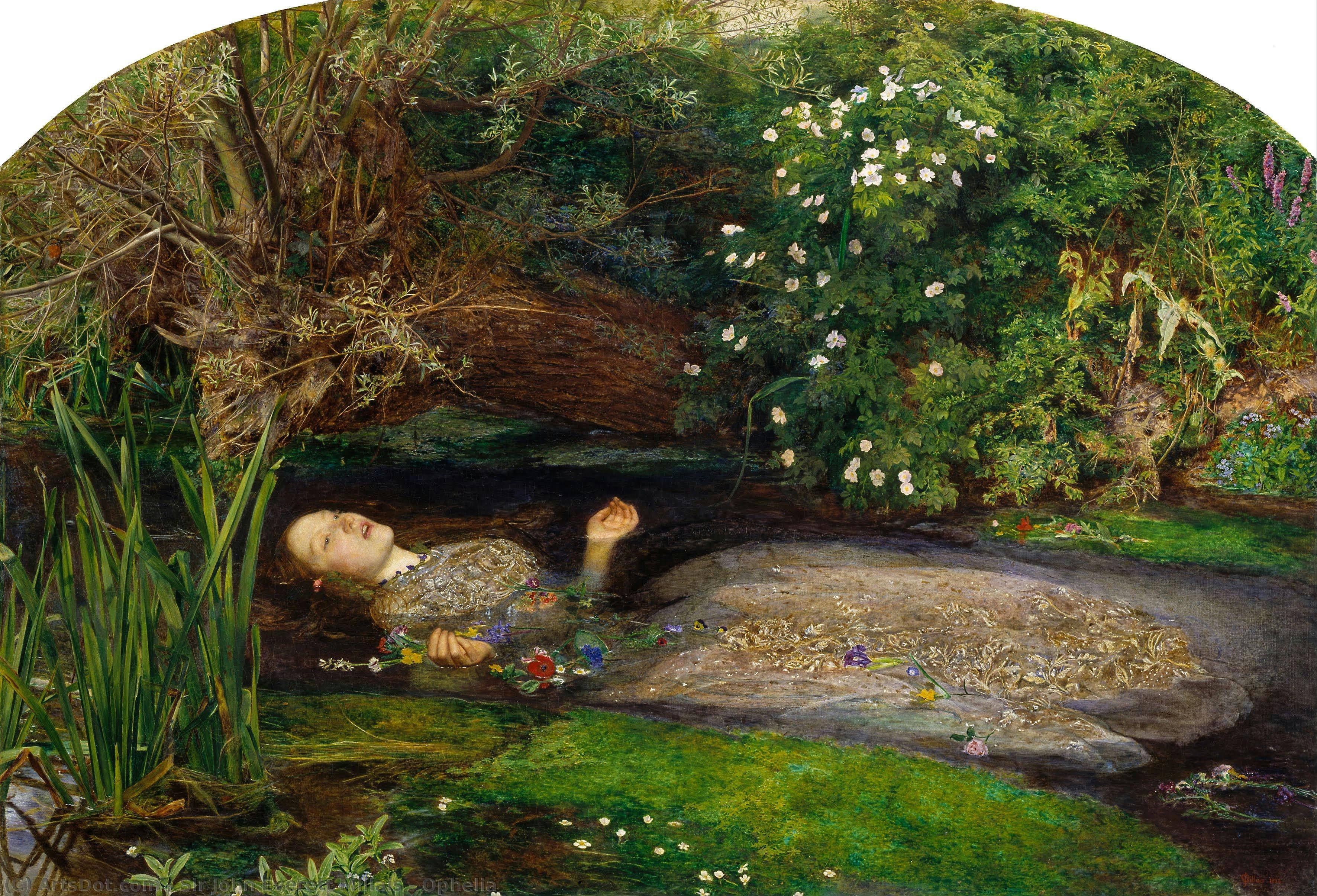
Sir John Everett Millais's "Ophelia," painted in 1851–52, isn’t merely a depiction of a tragic Shakespearean scene; it’s an immersive experience—a meticulously crafted tableau of sorrow and beauty that continues to captivate viewers over a century and a half later. This iconic Pre-Raphaelite masterpiece transcends its literary source, becoming a profound meditation on loss, innocence, and the poignant surrender to nature's embrace. The painting immediately draws the eye with its luminous palette and astonishing level of detail, inviting the viewer into a world both idyllic and profoundly mournful.
Millais’s genius lies not just in his technical skill—though that is undeniably remarkable—but in his ability to evoke an atmosphere of palpable grief. He achieved this through a radical departure from conventional artistic practices for the time, choosing to paint *en plein air* (outdoors) and working directly from nature. This commitment to realism, coupled with the Pre-Raphaelite Brotherhood’s fascination with medieval and Renaissance art, resulted in a work that feels simultaneously ancient and utterly contemporary. The scene unfolds along the Hogsmill River near Ewell, Surrey, where Millais meticulously recreated the landscape, capturing the dappled sunlight filtering through the foliage and the shimmering reflections on the water's surface.
The Figure of Despair
At the heart of “Ophelia” is her figure—a young woman reclining gracefully in the stream, her expression a mixture of serene acceptance and heartbreaking resignation. Elizabeth Siddall, Millais’s model for Ophelia, endured an extraordinary ordeal to achieve this portrayal. For weeks, she posed submerged in a bathtub filled with cold water, draped in heavy velvet robes to simulate the chill of the river. This dedication to realism extended beyond mere appearance; it was a deliberate attempt to capture the physical sensation of drowning—a testament to Millais’s commitment to portraying the subject matter with unflinching honesty.
The details surrounding Siddall's posing are particularly poignant, revealing the demanding nature of Pre-Raphaelite art production. The discomfort she experienced led to a severe illness, requiring medical attention and ultimately shaping the painting’s atmosphere of vulnerability. Millais’s careful observation of her posture, the delicate drape of her gown, and the subtle expression on her face all contribute to the overwhelming sense of tragedy.
Symbolism Woven into the Scene
“Ophelia” is rich in symbolic detail, each element carefully chosen to deepen the narrative’s emotional resonance. The flowers scattered around her—violets, pansies, poppies, willow branches, and daisies—are not merely decorative; they carry specific meanings rooted in Victorian symbolism. Violets represent faithfulness and modesty, while poppies symbolize death and sleep. The willow branch, a traditional symbol of mourning, drapes over the riverbank, mirroring Ophelia’s descent into sorrow. Even the arrangement of the flowers suggests a deliberate composition—a visual representation of her fragmented thoughts and memories.
The inclusion of a silver casket, partially submerged in the water, further reinforces the theme of loss and remembrance. It is a relic from her past, a symbol of her shattered engagement and the world she has lost. The presence of a small mouse nestled amongst the embroidery on the table adds an unexpected layer of detail—a reminder of mortality and the fragility of life.
A Legacy of Beauty and Sorrow
“Ophelia” remains one of the most celebrated paintings in the Pre-Raphaelite canon, admired for its technical brilliance, emotional depth, and enduring power. It’s a work that invites repeated viewing—each encounter revealing new layers of meaning and nuance. Beyond its artistic merit, “Ophelia” has become an iconic image of female vulnerability and tragic beauty, frequently referenced in literature, film, and popular culture. Its depiction of a young woman surrendering to the embrace of nature continues to resonate with viewers today, serving as a poignant reminder of the ephemeral nature of life and the enduring power of art to capture both its splendor and its sorrow.
Reproductions of “Ophelia” offer an accessible way to experience this masterpiece firsthand. Whether displayed in a grand salon or a cozy study, this evocative image will undoubtedly spark conversation and inspire contemplation for years to come.
Klausimai ir atsakymai
Kokiam stiliui priklauso „Ophelia“?
„Ophelia“ – Džonas Everetas Milė priklauso Pre-Raphaelite stiliui. Ši dailės kryptis suteikia kūriniui stilistinį kontekstą.
Kaip „Ophelia“ stilius susijęs su kūrėjo laikmečiu?
„Ophelia“ priklauso Pre-Raphaelite krypčiai, o jo kūrėjas dirbo XIX amžius laikotarpiu.
Kur galiu rasti panašių kūrinių kaip „Ophelia“ – Džonas Everetas Milė?
Darbai, panašūs į „Ophelia“, pateikiami kūrinio Panašūs kūriniai puslapyje.
panašūs kūriniai


Džonas Everetas Milė
1829 - 1896, Jungtinė Karalystė
Autoriaus biografija
Ankstyvieji Metai ir Prerafaelitų Brolijos Gimimas
Džonas Everetas Milėjus (John Everett Millais) gimė 1829 metais Sauthamptono mieste, Jungtinėje Karalystėje, ir jau vienuolikos metų amžiaus įstojo į Karališkąją Akademiją – jauniausias kada nors priimtas studentas. Šis ankstyvas talentas pranašavo karjerą, kuri ne tik apibrėžtų meno judėjimą, bet ir užfiksuotų viktorijos epochos vaizduotę savo kvapą atimančiu realizmu bei emociniu gylumu. Nuo pat jaunystės Milėjumi pasižymėjo nepaprastas stebėjimo dovanas – savybė, kuri tapo pagrindiniu jo meninio stiliaus akmeniu. Jis ne tik vaizdavo tai, ką matė, bet ir kruopščiai atkuria, įkviepiant kiekvieną potepį beveik fotografinei ištikimybei. Šis atsidavimas tiesai reprezentacijoje jį išskyrė ir galiausiai privertė mesti iššūkį nusistovėjusioms britų meno konvencijoms. 1848 metais Milėjumi, kartu su Dante Gabriel Rossetti ir William Holman Hunt, įkūrė Prerafaelitų Broliją. Tai nebuvo tik estetinio pasirinkimas; tai buvo sąmoningas maištas prieš tai, ką jie laikė akademinio meno dirbtinumu – meną, kuris per toli nukrypo nuo gamtos pasaulio ir ankstyvųjų renesanso meistrų nuoširdumo, tų, kurie kūrė *prieš* Rafaelį. Prerafaelitai siekė atgaivinti aiškumą, detales ir ryškius spalvų tonus tokių menininkų kaip Jan van Eyck ir Fra Angelico. Jų manifestas buvo tiesa gamtai, idealizuotų formų atsisakymas ir temų pasirinkimas iš literatūros, mitologijos bei kasdienio gyvenimo. Ankstyvieji Milėjumi darbai, tokie as Izabela, nedelsiant parodė šį naują požiūrį – kruopštų dėmesį detalėms kartu su naratyvine intensyvumu, kuris užbūrė ir dažnai sukeldavo publikos prieštaravimus. Jo kontroversiškiausias darbas tuo laikotarpiu, Kristus tėvo namuose (1849-50), vaizdavo Šventąją šeimą ne kaip eterinius padarus, o kaip paprastus darbininkų klasės žmones, sukeldamas pyktį kritikų tarpe, kurie laikė tokį realizmą neramų ir netgi ereziją.Stiliaus Kaita ir Viktorijos Epochos Jautrumas
Penktojo dešimtmečio viduryje Milėjumi gyvenime įvyko reikšmingi pokyčiai, tiek asmeniškai, tiek meniškai. Jo santuoka su Efie Gray, po jos anuliavimo iš santuokos su John Ruskin, giliai paveikė jo kūrybą. Jis atsisakė intensyvaus detalių ir simbolikos stiliaus ankstyvuosiuose Prerafaelitų darbuose link platesnio, atmosferiškesnio realizmo. Šis posūkis nebuvo tik stilistinis pasirinkimas; tai atspindėjo didėjantį susidomėjimą šiuolaikiniu gyvenimu ir norą užfiksuoti gamtos grožį. Paveikslai tokie kaip Rudens lapai pavyzdžioja šią naują kryptį – rami grupės jaunų moterų vaizdas, plaukiantys lapai upėje, įkvėptas melancholijos ir nostalgijos jausmo. Jis taip pat pasiekė didelio pasisekimo kaip portretistas, užfiksuodamas žymių viktorijos epochos asmenybių atvaizdus, įskaitant John Gladstone ir Benjamin Disraeli. Šis laikotarpis Milėjumi pasiekė plačią populiarumą ir finansinį saugumą, tačiau tai sukėlė kritikų prieštaravimus, kurie manė, kad jis paaukojo savo meno principus.Palikimas ir Tvarus Poveikis
Nepaisant šios kritikos, seras Džonas Everetas Milėjus išlieka vienas svarbiausių XIX amžiaus britų menininkų. Jo įtaka apima ne tik Prerafaelitų Broliją; jis padėjo peržiūrėti realizmo ir naratyvinio tapybos standartus, įkvėpdamas ištisas kartas menininkų. Jo ikoniški vaizdai – Opelija, su savo gaudingu grožiu ir simboliniu turtingumu, Huguenotas, vaizduojantis dramatišką religinės konfliktų momentą, ir daugelis kitų – tebejaudina publiką šiandien. Milėjumi gebėjimas derinti kruopštį stebėjimą su emociniu gylumu, jo meistriškumas spalvose ir kompozicijoje bei noras mesti iššūkį meno konvencijoms įtvirtino jį kaip tikrą inovatorių. 1896 metais jis buvo išrinktas Karališkosios Akademijos prezidentu – tai liudija jo tvarų palikimą, nors tragiškai mirė po kelių mėnesių. Jo darbai tebešvenčiami muziejuose ir kolekcijose visame pasaulyje, užtikrinant, kad jo meno grožis ir galia išliks ateities kartoms.Pagrindiniai Darbai ir Kolekcijos
- Kristus tėvo namuose (1849-1850): Tate Britain, Londonas – Kontroversiškas šedevras, pavyzdžiojantis ankstyvą Prerafaelitų realizmą.
- Opelija (1851-1852): Tate Britain, Londonas – Galbūt žymiausias jo darbas, garsėjantis savo gaudingu grožiu ir simboliniu gylumu.
- Huguenotas (1851-1852): Privati kolekcija – Dramatiškas religinių konfliktų ir draudžiamos meilės vaizdas.
- Mariana (1850-1851): Manchester Art Gallery – Įkvėptas Šekspyro ir Tenisono, demonstruojantis Milėjumi įgūdžius užfiksuoti nuotaiką ir atmosferą.
- Rudens lapai (1855-1856): City of Manchester Art Galleries – Rami ir įkvepiantis paveikslas, atspindintis jo besikeičiantį stilių.


Susiję straipsniai

Dante Gabriel Rossetti: 25 Šedevrai, Įkvėpę Kartas | ArtsDot.lt
Atraskite 25 įspūdingiausius Dante Gabriel Rossetti šedevrus! Išsami analizė, meno istorija ir įkvėpimas interjerui. Reprodukcijos aliejumi – prerafaelitų klasika jūsų namams. Explore the full collection online!

Arthur Hughes: Pre-Raphaelite Visions of Beauty & Melancholy
Explore the captivating world of Arthur Hughes (1832-1915), a leading Pre-Raphaelite painter. Discover his dreamy landscapes, poetic narratives & iconic Victorian artworks. Learn about his life, style & collecting today.
The Pre-Raphaelite Brotherhood: A Rebellion of Beauty & Medieval Revival
Explore the captivating world of the Pre-Raphaelite Brotherhood! Discover their rebellion against academic art, iconic masterpieces, and lasting influence on Victorian aesthetics. Learn about Rossetti, Burne-Jones & more.