


Vaizdas atitinka jūsų pasirinkimus: , .
Kolekcinio objekto aprašas
Admire Louis-Simon Boizot's neoclassical masterpiece – Cupid! Crafted in exquisite Sèvres porcelain, this sculpture embodies elegance & classical beauty. Explore its detailed artistry!
 Skaityti daugiau
Autoriaus biografija
Discover Louis-Simon Boizot's exquisite biscuit porcelain sculptures & reliefs! Master of Sèvres, known for neoclassical elegance & Rococo charm. Explore his royal commissions & artistic legacy.
Rankų darbo aliejinės reprodukcijos
Rankiniu būdu tapytas aliejus ant droblio jūsų pageidaujamame dydį ir rėmuose – tai mūsų menininkų pagal užsakymą sukurtas darbas. ( Perjungti į spausdinamus版作品 Perejti prie skaitmeninių vaizdų)
Daugiau informacijos apie šį paveikslą
 Peržiūrėti realaus dydžio版
 Pasidalinti
 Dalintis
 Išsamiau
 Vadovas

 Atsisiųsti
 Panašūs eksponatai
 Rentgeno spindulių nuotrauka
 Automatinė diorama
 问答
问答 Statistika
Užsisakykite savo paveislinį keturiuose paprastuose žingsniuose
Neskubėkite. Galite pakeisti bet kurį atsakymą; kaina jūsų užsakymo kortelėje keičiasi po kiekvieno pasirinkimo.
1 Pirmas iš keturių žymių
Kokio dydžio norėtumėte?
Šie dydžiai išlaiko originalaus paveikslėlio proporcijas. Piešinyje matomas jūsų pasirinkimas ant sienos, virš dvimetrinio sofos.
Arba nurodykite savo matmenis
Pasirinkite iš mūsų nustatytų dydžių, atitinkančių originalaus meno kūrinio proporcijas.

Įveskite jums reikiamą plotį ir aukštį, kad paveikslas atitiktų jūsų rėmą ar sieną. Kadangi šis darbas yra rankinio darbo, siekiant išgauti kitokios formos dydį, paveikslas gali būti šiek tiek didesnis (nuo kraštų bus palikta daugiau erdvės) arba mažesnis – pasirinkite jums patogiausią variantą. Prieš pradedant tapyti, atsiųsime jums skaitmeninį maketą patvirtinimui. Šioje puslapio nuotraukoje matomas vaizdas nėra galutinis rezultatas – jį parodys tik sukurtas maketas.
2 Antras iš keturių žingsnių
Kaip turėtų būti paruoštas: surolluotas, įtemptas ar įdėtas į rėmą?
Žemiau pateiktos kainos galioja pasirinktam pirmame žingsnyje dydžiui.
Pasirinkite ištempto drobės kraštus
Pasirinkite rėmelį

Baltas apasutojimas €1

Išblėstantis šonas €1

Išplėstinis €1

P118B €10

P118H €10

P118W €10

P438Z €10

P508JH €12

P508YH €12

P805H €10

P805Z €10

P919BZ €10

P919G €10

P919XJ €10

P959ZH €10

P968JZ €12

W106C €8

W218G €10

W218JH €8

W218Y €10

W307PJ €10

W316G €10

W316PJ €8

W316Y €10

W398PJ €8

W4111J €10

W500HY €15

W500JH €15

W692G €12

W849H €8

W940BG €15

W953PJ €8

H24-GOLD €30

H24-SILVER €30

H36-GOLD €45

H36-SILVER €45
Įrėmintas
Rėmo apvadas: . Bendras dydis su rėmu: .
3 Trečias iš keturių žingsnių
Ar norėtumėte paveisale kažką pakeisti?
Dauguma žmonių atsako ne. Kadangi kiekvienas paveikslas yra sukuriamas rankomis, mūsų suregistis taip pat gali jį pritaikyti jums.
Gavus užsakymą, ArtsDot.com komanda susisieks su klientu el. paštu dėl nurodymų ir pateiks preliminarią maketą.
4 Ketvirtas iš keturių žymių
Keletas apdailos variantų
Visi jie yra neprivalomi. Jau pasirinkti atsakymai nieko papildomo nekainuoja.
Kas tai piešia?
Pristatymas visame pasaulyje () per 3–4 savaites, o ne įprastai – per 5 savaites. (8 lapkritis). Kokybė lieka nepakeičiama.
Pavadinimo plokštelė, kaip muziejuje?
Išgraviruotos bronzinės plokštelės detalės
This elegant plaque features the artist's name and the title of the artwork, finely engraved for a timeless presentation.
It is made from bronze with a refined, elegant finish. The text is precisely laser-engraved for a sharp and permanent result. Measuring 9x2 cm, the plaque is compact yet easy to read. It's built to be durable and scratch-resistant, offering a professional, museum-quality look. Mounting is simple thanks to the included adhesive backing.
Skaidrios akrilo plokštelės informacija
The plaque includes essential engraved details such as the artist's name, the title of the artwork, the date it was created, the type of media used-like oil on canvas or watercolor-a brief description of the piece, and a QR code that links to the complete artwork information.
It is crafted from clear acrylic, offering a sleek, modern appearance. The text is UV-engraved in black to ensure strong visual contrast. With a size of 10x15 cm, it ensures optimal readability. It comes equipped with two metal hooks for secure wall mounting. The plaque is designed to be weather-resistant, making it suitable for various environments, and it includes interactive features that work seamlessly with smartphone scanning.
Juodos akrilo plokštelės informacija
This elegant plaque includes engraved information such as the artist's name, the title of the artwork, the date it was created, the type of media used (like oil on canvas or watercolor), a short description of the artwork, and a QR code for quick access to more information.
The plaque itself is made from refined black acrylic with a premium finish. The text is laser-engraved in white for high contrast and readability. Its size is 10x15 cm, designed to be easy to read. It comes with two metal hooks for professional mounting. The design is sleek and fits any interior style. It is also weather-resistant and durable, with built-in digital integration for mobile compatibility.
Apsauginis lakas?
Kada jums reikia?
✓ Patikrinti ir užsakyti
Jūsų paveikslas, tiksliai taip, kaip užsakėte

Cupid
Reprodukcijos technika
Reprodukcijos matmenys
-

Aukščiausios klasės meistras
Daugiau detalių, meistriškumo ir papildomo gamybos laiko
-

Reprodukcijos rėmėjimo parinktys
-
-
Dėl meno kūrinių ar reprodukcijų, kurių bet kuri pusė yra didesnė nei 105 cm (apie 41 inch), rėmas bus siunčiamas kaip išskaidytas surinkimo rinkinys. Šis metodas užtikrina saugų pristatymą ir apsaugo nuo transportavimo metu galimos žalos.
Reikalingas profesionalus surinkimas – tai nėra „pasidaryk pats“ (DIY) produktas.
Rinkinys turi būti surinktas, o drobė išplėsta naudojant patyrį profesionalų rėmininką, medžio klijus (nėra įtraukti į rinkinį), drobės plėšimo kleslę bei presas, kad rėmo rėžiai išliktų tiesūs, kol klijai išdžiūvus. Netinkamas surinkimas arba netolydus drobės įtampa gali negrįžtamai sugadinti meno kūrinį, todėl šie atvejai nėra užtraukiami mūsų garantijos.
 Dėl meno kūrinių ar reprodukcijų, kurių bet kuri pusė yra didesnė nei 105 cm (apie 41 inch), rėmas bus siunčiamas kaip išskaidytas surinkimo rinkinys. Šis metodas užtikrina saugų pristatymą ir apsaugo nuo transportavimo metu galimos žalos.
Į komplektą įeina visi vientisos medienos elementai, tiksliai išpjauti pagal dydį.
Surmontinama naudojant pridėtus varžtus bei papildomai reikalingą medžio kliją kampų jungtims, kuris nėra pridėtas ir turi būti parinktas rėmininkui.
Reikalingi profesionalūs įrankiai, kurie nėra įtraukti į rinkinį: drobės kėlimo plytelės (stiprintuvai) ir klemiai, laikantys rėmo strygius tiesiu kampu, kol džiūsta lipas.
Svarbu:
Kampų jungtims reikalingi medžio klijai, barams reikia laikyti naudojant presas, kol klijai visiškai išdžiūvės, o surinktam rėmui įtempiamai privilgti būtinos drobės įtempimo plytযুক্ত. Šios priemonės į rinkinį neįtrauktos. Prieš užsakydami šio dydžio rinkinį, rekomenduojame pasimalkoti patyrusiu rėmų meistru.

Pavadinimo lentelė
-
-

Apsauginis lakas
Blizgus lakas (ryškina spalvas, saugo nuo šviesos ir drėgmės)
-

Personalizuoti kūrinį
Ką galima pakeisti (pavyzdžiui): pakeisti veidą klientui skirta nuotrauka; pridėti augintinį (pvz., katę pakeisti šuniu); įtraukti paslėptą žinutę fone; pakeisti fono kraštovaizdį ar elementus.
-

Skubiai
Pristatymas visame pasaulyje () per 3–4 savaites, o ne įprastai – per 5 savaites. (8 lapkritis). Kokybė lieka nepakeičiama.
-
Skubus pristatymas
Pristatymas visame pasaulyje () per 5 weeks. (15 lapkritis).
Įskaičiuota
Bendroji kaina
€ 235
Stiklo variantas prieinamas tik pasirinkus dydį iki 110 cm
Pridedama prie kiekvieno užsakymo
- Nemokamas greitasis pristatymas visame pasaulyje
- Aukštos kokybės lininis drobė
- Pilnas siuntimo draudimas
- Muitinės mokesčių grąžinimo garantija
- Tikro spalvų atitikimo garantija
- 100 dienų grąžinimo politika (tik esant įtaigoms)
- 100% pinigų grąžinimo garantija
- Nuolaida dideliems užsakymams


Louis-Simon Boizot’s Cupid: A Testament to Neoclassical Grace Amidst Rococo Echoes
The marble statue of Cupid by Louis-Simon Boizot, created in 1772, stands as a remarkable embodiment of the artistic sensibilities prevalent during the late Enlightenment—a period characterized by both fervent neoclassical idealism and lingering vestiges of rococo exuberance. Sculpted by Boizot for Sèvres porcelain production, this exquisite piece exemplifies his mastery of form and technique, securing him a prominent position amongst the foremost sculptors of his time. Examining its composition, stylistic influences, and symbolic resonance unveils a deeper understanding of artistic taste and cultural values during this pivotal era. Boizot’s sculptural output, though comparatively modest in scale compared to his prolific ceramic achievements, nevertheless possesses an enduring significance due to its contribution to establishing aesthetic standards and disseminating innovative sculpting techniques. Born into a family steeped in artistic heritage—his father, Antoine Boizot, was a designer at the Gobelins Manufactory of Tapestries—Boizot’s formative years instilled within him a profound appreciation for meticulous detail and formal beauty. At sixteen, he pursued his artistic ambitions under the tutelage of René-Michel Slodtz, another influential sculptor who championed classical ideals and anatomical precision. This mentorship profoundly shaped Boizot's artistic vision, fostering an unwavering commitment to achieving sculptural excellence. The statue itself depicts Cupid in a dynamic contrapposto pose—a technique borrowed directly from Bernini’s monumental sculptures—which lends him an elegant and naturalistic stance. The sculptor skillfully captures the musculature of Cupid’s torso and limbs with remarkable anatomical accuracy, reflecting the prevailing neoclassical preoccupation with representing the human form realistically while adhering to idealized proportions. Furthermore, Boizot's meticulous attention to surface texture—evident in the subtle variations of tone within the marble—creates a palpable sense of tactile realism, mirroring the aesthetic aspirations of the rococo movement yet firmly grounding the sculpture in classical principles. The dramatic directional lighting accentuates Cupid’s sculpted form and generates striking shadows that emphasize the textural nuances of the marble, enhancing its visual impact and conveying an emotional depth beyond mere representation. The statue's pyramidal composition—a hallmark of neoclassical sculpture—visually anchors Cupid within a stable framework while simultaneously directing the viewer’s gaze towards his central figure. The drapery folds surrounding Cupid are rendered with graceful fluidity and precision, mirroring the curvilinear elegance characteristic of rococo ornamentation—a stylistic influence that subtly softens the rigidity inherent in neoclassical formalism. Moreover, the statue's symbolic resonance speaks to enduring themes of love, desire, and divine grace—concepts deeply rooted in classical mythology and Christian theology. Cupid’s bow and arrow serve as potent emblems of masculine potency and feminine receptivity, symbolizing the transformative power of romantic connection. Ultimately, Boizot’s Cupid transcends mere visual spectacle; it embodies a profound artistic statement that encapsulates the intellectual and aesthetic currents shaping European culture during the Enlightenment. Its enduring appeal lies in its harmonious blend of neoclassical restraint and rococo charm—a testament to Boizot's exceptional skill as a sculptor and his unwavering devotion to upholding classical ideals while embracing stylistic innovation. This masterpiece continues to inspire artists and collectors alike, serving as an exemplar of sculptural excellence and artistic legacy.Klausimai ir atsakymai
Ar „Cupid“ yra vienas populiariausių Simon Louis Boizot kūrinių?
„Cupid“ – Simon Louis Boizot populiarumumo lygis yra Recognized. Ši klasifikacija atspindi, kaip plačiai šis kūrinys yra atpažįstamas.
Ar „Cupid“ – Simon Louis Boizot autorinės teisės leidžia daryti kopijas?
„Cupid“ – Simon Louis Boizot autoriškos teisės statusas yra aiškus: kūrinys priklauso yra viešosios erdvės dalis – jo autorinė teisė pasibaigusi. Jo buvimas Liuvro muziejus šio statuso nekeičia.
Kokia „Cupid“ – Simon Louis Boizot švytėjimo (luminance) intensyvumas?
„Cupid“ – Simon Louis Boizot šviesos intensyvumas yra Soft Shadow. Šviesos intensyvumas apibūdina, kiek šviesos, kaip atrodo, atspindi spalvos.
panašūs kūriniai


Simon Louis Boizot
1743 - 1809
Autoriaus biografija
The Sculptor of Porcelain Elegance and Rococo Sentiment
Louis-Simon Boizot (1743–1809) stands as a pivotal figure in the decorative arts of the late Enlightenment, a master whose hands bridged the gap between the delicate allure of Rococo ornamentation and the disciplined restraint of Neoclassicism. While his large-scale marble works possess a profound dignity, Boizot is most intimately remembered for his transformative contributions to Sèvres porcelain production. In this medium, he achieved a rare synthesis of form and texture, creating biscuit figures that captured the very essence of French aristocratic taste. His work does not merely exist as ornament; it serves as a tactile chronicle of an era where the pursuit of beauty was inextricably linked to the ideals of classical antiquity and the refined elegance of the French court.
Born into a lineage deeply embedded in the fabric of French craftsmanship, Boizont’s artistic journey was predestined by his heritage. His father, Antoine Boizot, was a distinguished designer at the Gobelins Manufactory of Tapestries, providing the young artist with an early and profound immersion in the meticulous world of decorative design. This foundational exposure to fine detail and formal beauty became the cornerstone of his technique. At the tender age of sixteen, Boizot entered the prestigious Académie Royale de peinture et de sculpture, placing himself under the mentorship of René-Michel Slodtz. This apprenticeship was transformative, connecting him to the lineage of influential sculptors like Houdon and instilling in him a rigorous understanding of anatomical precision and classical proportions that would define his later mastery.
A Journey Through Antiquity and the Prix de Rome
The trajectory of Boizot’s career was irrevocily altered by his triumph in the 1762 Prix de Rome. This prestigious accolade granted him a five-year residency at the French Academy in Rome, a period that acted as a crucible for his artistic evolution. Immersed in the grandeur of Roman ruins and the enduring lessons of classical sculpture, Boizot absorbed the burgeoning humanist ideals of the neoclassical revival. It was in the shadows of antiquity that he learned to balance the fluid, emotive qualities of the Rococo style with the structural clarity and idealized grace of the ancient world. This tension between movement and stability became a hallmark of his sculptural language.
Upon his return to Paris, Boizot’s life and art continued to flourish within the highest circles of French society. His marriage to Marguerite Virginie Guibert, daughter of the sculptor Honoré Guibert, further cemented his place within an elite artistic community. As a regular exhibitor at the annual Salons until 1800, he documented the shifting aesthetic tides of France, moving from the whimsical flourishes of the mid-century toward the more somber, heroic compositions favored by the late Enlightenment. His ability to translate these complex cultural shifts into tangible forms—whether in marble or porcelain—secured his reputation as a sculptor of unparalleled versatility.
Legacy of the Sèvres Master
The true enduring legacy of Louis-Simon Boizot lies in his ability to elevate decorative objects to the status of fine art. His models for biscuit porcelain figures at Sèvres are celebrated for their exquisite delicacy, often capturing mythological themes with a sense of lifelike grace that belies the medium's fragility. Through these works, he disseminated a standardized aesthetic of elegance across Europe, influencing the tastes of royalty and the burgeoning bourgeoisie alike.
His contributions can be summarized through several key artistic pillars:
- Technical Mastery: The seamless integration of anatomical accuracy with the soft, matte texture of biscuit porcelain.
- Stylistic Synthesis: A unique ability to harmonize the lingering emotional warmth of the Rococo with the structural discipline of Neoclassicism.
- Cultural Impact: His role in defining the visual identity of the Sèvres manufactory during its most prestigious era.
- Historical Significance: Serving as a vital link between the decorative traditions of the Gobelins and the high sculptural ideals of the Académie Royale.
Today, when we gaze upon the porcelain Cupids or the marble reliefs attributed to Boizot, we see more than mere decoration; we witness the breath of the Enlightenment captured in clay and stone. He remains a sculptor who understood that true beauty resides in the delicate balance between the ephemeral charm of a moment and the eternal strength of classical form.
Susiję straipsniai

Bronze Age to Modern Masters: 10 Sculptures That Redefined Art | ArtsDot
Journey through art history with 10 legendary bronze sculptures – from Michelangelo's David to Rodin’s Thinker. Explore the stories, techniques & timeless beauty of these masterpieces. Find museum-quality reproductions & elevate your home decor on ArtsDot.com.

The Enduring Form: Sculpture Across History, Technique & Emotional Resonance
Explore the rich history of sculpture with ArtsDot. Discover key techniques, influential artists & investment potential for discerning collectors. Expert insights into valuing and collecting timeless masterpieces.
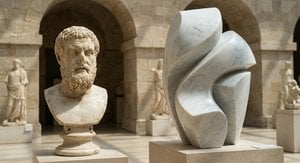
The Enduring Allure of Marble in Art History: From Classical Sculpture to Modern Abstraction
Explore the captivating history of marble sculpture from ancient Greece to modern art. Discover renowned artists like Canova & Michelangelo, carving techniques, and investment insights at ArtsDot.