


 Peržiūrėti realaus dydžio版
 Siųsti
 Dalintis
 Išsamiau
 Gidas
Gidas

 Atsisiųsti
 Panašūs eksponatai
 Rentgeno spindulių nuotrauka
 Diaporama
 Statistika
Grass and Insects


 Rodyti daugiau
Rankų darbo aliejinės reprodukcijos
Rankiniu būdu tapytas aliejus ant droblio jūsų pageidaujamame dydį ir rėmuose – mūsų menininkų darbas pagal užsakymą. ( Perjungti į spausdinimą Perejti prie skaitmeninių vaizdų)




P118B $10

P118H $10

P118W $10

P438Z $10

P508JH $12

P508YH $12

P805H $10

P805Z $10

P919BZ $10

P919G $10

P919XJ $10

P959ZH $10

P968JZ $12

W106C $8

W218G $10

W218JH $8

W218Y $10

W307PJ $10

W316G $10

W316PJ $8

W316Y $10

W398PJ $8

W4111J $10

W500HY $15

W500JH $15

W692G $12

W849H $8

W940BG $15

W953PJ $8




Pasirinkite iš mūsų nustatytų dydžių, atitinkančių originalaus meno kūrinio proporcijas.

Galite įvesti savo matmenis, kad jie atitiktų konkretų rėmą ar erdvę. Jei pasirinktas dydis neatitinka originalaus paveikslėlio proporcijų, mes arba apkropsime meno kūrinį, arba papildysime tapybą rankomis dažytい elementais. Prieš pradėdami gamybą, jūsų patvirtinimui atsiųsime skaitmeninį maketą.
Atkreipkite dėmesį, kad ekrane rodomas vaizdas neatspindi tikrojo apkarpymo ar papildymo. Tik maketas tiksliai parodys galutinę kompoziciją.
Nors galima rinktis ir individualius dydžius, rekomenduojame pasirinkti matmenis iš nustatytos sąrašo, kad būtų išlaikytos originalios proporcijos.
Gavus užsakymą, ArtsDot.com komanda susisieks su klientu el. paštu dėl instrukcijų ir pateiks maketo pavyzdį
Pristatymas visame pasaulyje () per 3–4 savaites, o ne įprastai – per 5 savaites. (21 rugsėjis). Kokybė lieka nepakeičiama.

Nemokamas greitasis pristatymas visame pasaulyje

Aukštos kokybės lininis drobė

Pilnas siuntimo draudimas

Muitinės mokesčių grąžinimo garantija

Tikro spalvų atitikimo garantija

100 dienų grąžinimo politika (tik esant įtaigoms)

100% pinigų grąžinimo garantija

Nuolaida dideliems užsakymams
 Stiklo variantas prieinamas tik pasirinkus dydį iki 110 cm

Grass and Insects
Reprodukcijos technika
Reprodukcijos dydis
-


Visų pasirinktų variantų kaina
$ 263
Shin Saimdang’s “Grass and Insects”: A Window into Joseon Life
“Grass and Insects,” a captivating panel from Shin Saimdang’s renowned ten-panel folding screen, offers a remarkably intimate glimpse into the world of 16th-century Korea. More than just a beautiful depiction of nature, this artwork embodies the artistic sensibilities, philosophical leanings, and profound life experiences of one of Joseon Dynasty's most celebrated female figures – Shin Saimdang herself. The piece, currently housed within the National Museum of Korea in Seoul, is not merely a painting; it’s a carefully constructed microcosm reflecting her world, her values, and her enduring legacy.
At first glance, “Grass and Insects” presents a vibrant tapestry of meticulously rendered flora and fauna. Delicate grasses sway gently, interspersed with the intricate details of wildflowers – poppies bursting with crimson, hibiscus radiating warmth, and day lilies unfolding their pristine petals. Beneath this verdant canopy, a diverse array of insects buzz and crawl: long-headed grasshoppers leap, mantises stalk their prey, dung beetles diligently roll their spheres, and dragonflies shimmer in the light. However, to reduce it simply to a naturalistic study would be a profound oversight. Shin Saimdang’s genius lies not just in her technical skill but in the subtle symbolism woven throughout the composition.
The Art of Balance: Technique and Style
Executed with the characteristic grace and precision of Korean painting, “Grass and Insects” exemplifies the meticulous brushwork and vibrant color palettes favored during the Joseon period. The artist’s use of *sumi* ink on paper creates a remarkable depth and luminosity, capturing the textures of the leaves, the shimmer of the insects' wings, and the delicate veins of the flowers. The composition is carefully balanced, employing principles of asymmetry to create visual harmony. Notice how the dense clusters of grasses are counterbalanced by the more open spaces filled with wildflowers – a deliberate arrangement that mirrors the complexities of life itself.
Crucially, the painting’s style aligns closely with the *hyobokja* (harmony landscape) tradition, prevalent during Shin Saimdang's era. This approach prioritized capturing the essence of nature rather than creating an exact representation. The artist skillfully uses layering and atmospheric perspective to suggest depth and distance, drawing the viewer into this miniature world. The painting’s overall effect is one of serene beauty and quiet contemplation – a testament to Shin Saimdang’s mastery of her craft.
A Portrait of a Woman: Symbolism and Context
Beyond its aesthetic qualities, “Grass and Insects” offers invaluable insights into the life and worldview of Shin Saimdang. The inclusion of specific plants and insects carries symbolic weight, reflecting her deep understanding of Confucian philosophy and her appreciation for the natural world. Watermelons, often associated with prosperity and abundance, are prominently featured, while mice – traditionally symbols of diligence and thrift – add a touch of rustic charm. The presence of dragonflies, known for their fleeting beauty, may allude to the transient nature of life and the importance of cherishing each moment.
Furthermore, the painting’s origins as part of a ten-panel folding screen provide crucial context. These screens were traditionally used in scholarly households to display calligraphy, paintings, and poems – serving as both decorative objects and intellectual forums. The inclusion of O Sechang's critique on the tenth panel highlights the importance of artistic judgment and the role of art criticism within Joseon society. It also underscores Shin Saimdang’s position as a respected artist and intellectual figure.
A Legacy of Beauty: Emotional Resonance
“Grass and Insects” transcends its status as a mere artwork; it is a poignant reflection on life, beauty, and the enduring spirit of a remarkable woman. The painting's delicate details invite viewers to pause, observe, and contemplate the interconnectedness of all things. The vibrant colors evoke feelings of joy and tranquility, while the intricate patterns stimulate the imagination. It’s a piece that speaks to our innate appreciation for nature and our longing for harmony – qualities deeply valued by Shin Saimdang throughout her life.
Today, “Grass and Insects” stands as a powerful symbol of Korean artistic heritage and a testament to the extraordinary achievements of Shin Saimdang. Reproductions of this captivating artwork offer a beautiful way to bring a touch of Joseon elegance into any space, reminding us of the enduring power of art to inspire, uplift, and connect us to the past.
Susiję kūriniai


Autoriaus biografija
pionierė korejos joseon dinastijos menė
shin saimdang, daugiaugmenė pietų korejos kūrėja, gyveno joseon laikotarpiu ir paliko neištrinamą pėdsaką korejos meno istorijoje. gimusi 1504 m. spalio 29 d. gangneung, gangwon province, ji buvo ne tik tapybininkė, bet ir rašytoja, kaligrafė bei poetė.ankstyvasis gyvenimas ir meninės pradžios shin saimdang meninės talentai išsiskleidė nuo ankstyvo kūdikystės amžiaus. vos septienių metų ji jau imitavo kitą išmatytą korejos menininką an gyeon tapybos stilių. jos gimimo namai, ojukheon, kuris yra ir jos motinos šeimos namas, iki šiaud dienų išlieka puikiai išsilaikę.
meninės įtakos ir stilius
shin saimdang tapybos darbai, pasižymintys itin smulkiomis griūtelems ir ryškiomis spalvomis, yra dalis dvidešimto panelio skliaustinio ekrano. jos kūriniai, tokie kaip žolės ir vabzdžiai, apima įvairią tematiką, įskaitant arbūzus, valio rugvelius, agurkus, aguonas, hibiscusus ir įvairius insektus. šie paveikslai galima rasti Korejos nacionaliniame muziejuje (Seulas, Pietų Korea), kur jie ir toliau įkvepia meno entuziastus.- peržiūrėti shin saimdang kūrybą ArtsDot: https://ArtsDot.com/@/shin-saimdang
- atkrepti dėmesį į korejos nacionalinio muziejaus kolekciją: /en/art/show/national-museum-of-korea-seoul/
- sužinoti daugiau apie joseon dinastijos meno judėjimą: joseon dinastijos meno judėjimas
paliktis ir įtaka
shin saimdang paliktis išsiplėtė už jos kūrybos ribų, nes ji taip pat žinoma kaip yi i, garsaus joseon dynastijos mokSLininkui ir politiko, motina. jos gyvenimas ir darbai tarnauja įkvėpimu daugeliui, įkūnydami joseon laikotarpio korejos meno esmę. pagrindiniai shin saimdang kūriniai:- žolės ir vabzdžiai (Korejos nacionalinis muziejus, Seulas, Pietų Korea)
- kiti pastebimai darbai su smulkiomis griūtelėmis ir aiškiomis, ryškiomis spalvomis, yra dvidešimto panelio skliaustinio ekrano dalis.
- an gyeon, dar vienas išmatytas ankstyvojo joseon laikotarpio korejos tapininkas.

Šin Saimdang
1504 - 1551 , Günyja
Trumpa informacija apie kūrėją
- Artistic Movement Or Style: Joseon dynastijos menas
- Artists Or Movements Influenced By This Artist: Joseon dynastijos menas
- Artists Who Influenced This Artist: An Gyeon
- Date Of Birth: 1504 m. gruodžio 29 d.
- Date Of Death: 1551 m.
- Full Name: Shin Saimdang
- Nationality: Korejiečių
- Notable Artworks: ['Žolė ir vabzdžiai']
- Place Of Birth: Gangneung, Pietų Korea
Susiję straipsniai
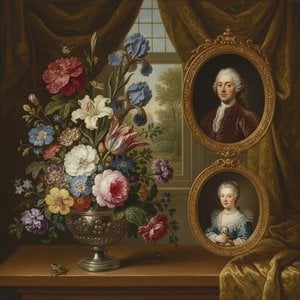
Jan van Kessel the Elder: A Baroque Master of Floral Still Life & Miniature Portraiture
Discover the exquisite detail of Jan van Kessel the Elder's Baroque floral still lifes & captivating miniatures. Explore his artistic legacy, scientific precision, and lasting influence on 17th-century Flemish painting.

Yi Eungro: Bridging East & West in the Landscape of Korean Modernism
Explore the captivating world of Yi Eungro (Lee Ungno), a pivotal figure in Korean modernism. Discover his unique fusion of Eastern and Western artistic traditions, abstract masterpieces, and lasting legacy. A must-read for discerning art collectors.