

 Peržiūrėti realybėje
 Pasidalinti
 Dalintis
 Išsamiau

 Atsisiųsti
 Panašūs eksponatai
 Rentgeno nuotrauka
 Automatinė diorama
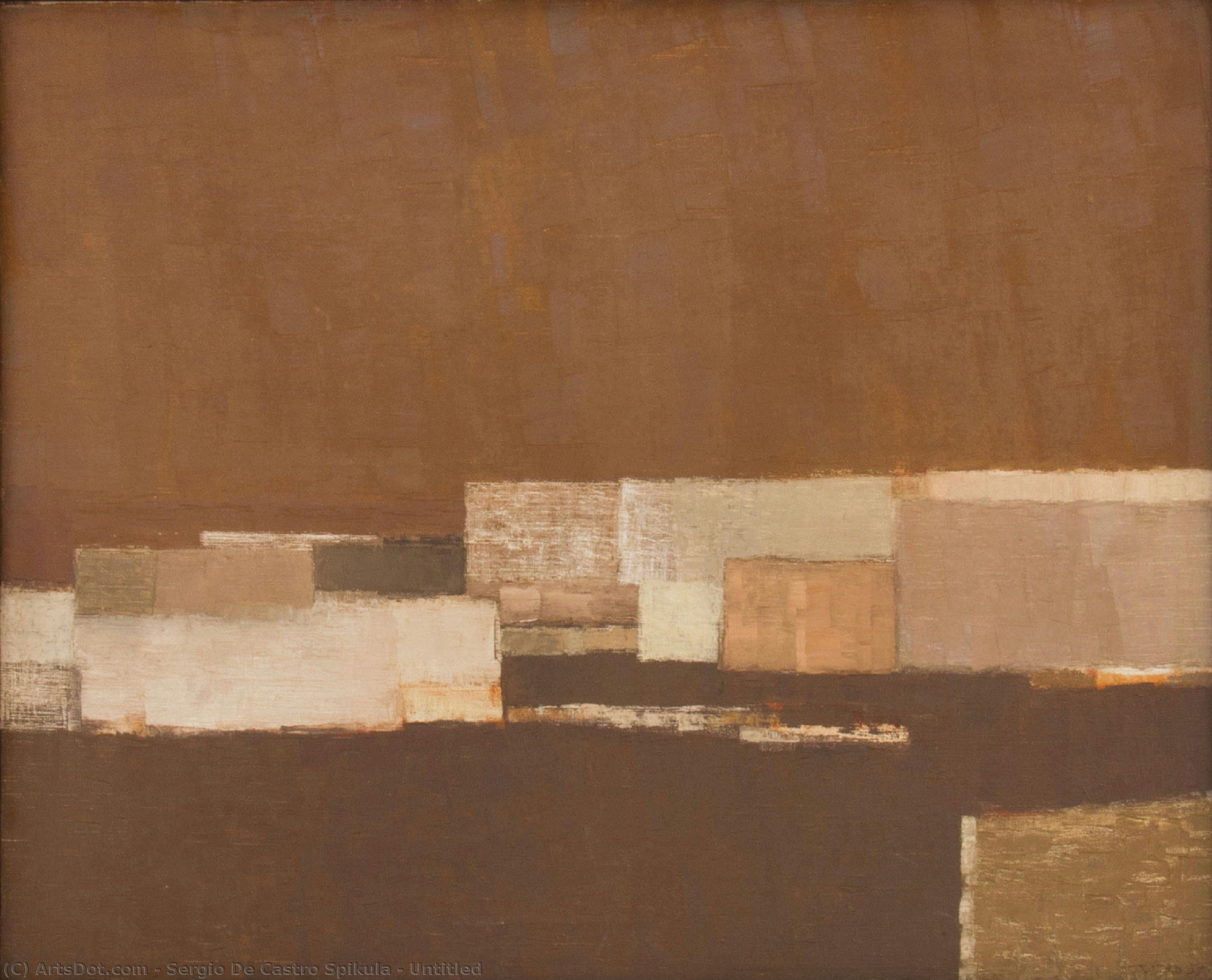
Untitled


 Skaityti daugiau
Įsigykite aukštos skiriamosios raiškos, patobulintą skaitmeninį vaizdą, gerokai pranašesnį už internetinę peržiūrą.
Kiekvieną failą mūsų specialistai kruopščiai paruošia naudojant pažangias technologijas ir profesionalų rankinį retušavimą. Užtikriname, kad kiekvienas vaizdas pasižymėtų išskirtiniu aiškumu, tikslia spalvų atspalviu ir smulkiomis detalėmis.
Baigiamas failas el. paštu pristatomas per 72 valandas; jis optimizuotas nedelsiant naudojimui profesionalioje, redakcinėje ir spausdinimo aplinkoje. Tai ta pati kokybė, kuria pasitiki aukščiausios klasės dizaino studijos, leidyklos ir galerijos.
Skaitmeninis vaizdas
Atsisiųskite didelės raiškos failą asmeniniam naudojimui, spausdinimui ir kūrybiniams projektams. ( Pirkti spaudinį Pirkti rankomis tapytą paveikslą)
Kiekvieną skaitinio vaizdo užsakymą papildė
Profesionalus skaitmeninis pristatymas, garantuotas
Pasirinkę ArtsDot.com, jūs ne tik gaunate paveikslėlį – jūs gaunate profesionaliai patobudintą skaitmeninį kūrinį, sukurtą itin tikniai ir užtikrinantį pasitenkinimą. Štai viską, kas automatiškai pritékia jūsų užsakymui:

Greitas siuntimas el. paštu
Jūsų aukštos raiškos skaitmeninis vaizdo failas bus išsiųstas jums el. paštu per 72 valaudas nuo užsakymo – paruoštas naudojimui be jokių papildomų veiksmų.

Skaitmeninis failas su dirbtiniu intelektu
Jūsų meno kūrinys profesionaliai optimizuojamas naudojant pažangius dirbtinio intelekto įrankius ir rankinį redagavimą, užtikrinant maksimalią detalę, aiškumą ir spalvų tikslumą.

Nemokamas visam laikui pakartotinis siuntimas
Atsitiktinai ištrytikote ar praradote savo failą? Nebijokite – bet kuriuo metu atsiųsime jį jums vėl nemokamai.

Jokio importo mokesčio – niekada
Mėgaukitės savo meno kūriniu akimirka – skaitiniai failai visada yra neapmokestinami, todėl nereikės mokėti muitinės, mokesčių ar pristatymo mokesčių.

Spalvų tikslumo garantija
Naudodami profesionalią įrangą ir spalvų valdymo sistemas, užtikriname, kad jūsų skaitmeninis vaizdas kuo tiksliau atspindėtų originalias spalvas.

60 dienų pasitenkinimo garantija
Jei nebuvate patenkinti savo skaitinio vaizdo, per 60 dienų jį pertaisysime arba grąkinsime 100% sumą – be jokių klausimų.

100% pinigų grąžinimo garantija
Nepat 만족inti? Gaukite visą sumokėtą sumą per 60 dienų nuo skaitmeninio failo gavimo – be jokių papildomų klausimų.

Nuolaidos dideliems užsakymams
Pirkti 3 nuotraukas – pasiūla 10% - Pirkti 5 – pasiūla 15% - Pirkti 10 ir daugiau – pasiūla 20%. Puikiai tinka kūrybiniams projektams, galerijoms bei agentūroms.
panašūs kūriniai


Autoriaus biografija
The Melodic Canvas: The Life and Legacy of Sergio de Castro Spikula
Born in the vibrant atmosphere of Buenos Aires in 1922, Sergio de Castro Spikula was an artist whose soul was shaped by a nomadic and culturally rich upbringing. The son of a diplomat, his early years were a tapestry of European landscapes, moving from the serene beauty of Switzerland to the historic streets of Italy. This international childhood instilled in him a profound cosmopolitan perspective, allowing him to bridge the gap between South American roots and the avant-garde traditions of Europe. Before he ever picked up a brush to define his visual language, Spikula was a man of rhythm and verse; his early years were dedicated to the study of music and poetry, disciplines that would later infuse his paintings with an inherent sense of composition, tempo, and lyrical grace.
The trajectory of his creative life took a decisive turn through chance encounters and personal transformations. While traveling along the Uruguayan coast in 1939, he met the legendary Joaquín Torres-Garcia, a meeting that would plant the seeds of geometric abstraction within his mind. However, it was not until 1950, following a period of physical struggle with severe asthma, that Spikula transitioned from the world of musical composition to the realm of visual art. This shift was not merely a change in medium but a profound redirection of his expressive energy. Settling in Paris, the heart of the mid-century art world, he began to distill his experiences into a style that could be described as Minimalist Expressionism—a delicate balance between the structured discipline of geometry and the raw emotion of color.
A Symphony of Form and Color
Spikula’s artistic development was characterized by an exquisite ability to simplify the complex. His work moved away from the literal representation of the world, seeking instead to capture its essence through a sophisticated use of chromatic palettes and geometric forms. One can observe in his canvases a rhythmic interplay of shapes that echoes his background as a composer; there is a deliberate pacing to his brushstrokes and a harmonic resonance in how he juxtaposes light and shadow. His landscapes, while often understated and serene, possess a structural strength that prevents them from becoming mere scenery, instead transforming Argentinian vistas into meditative, abstract explorations of space.
His technical mastery was deeply rooted in the traditions of the masters, yet his vision remained resolutely modern. By integrating the luminous qualities reminiscent of Joaquín Sorolla with a more stripped-back, minimalist aesthetic, he created works that felt both timeless and contemporary. Notable pieces such as “Angel Zarraga” serve as quintessential examples of this approach, where simplified shapes are utilized to evoke deep emotional responses, proving that profound meaning does not require ornamental complexity. His ability to command the viewer's attention through subtle color harmonies allowed him to participate in the grand dialogue of 20th-century modernism.
Recognition and Eternal Resonance
The journey of Sergio de Castro Spikula was marked by prestigious exhibitions that solidified his place within the international art community. From his first solo exhibition at the Galerie Jeanne Castel in Paris in 1952 to acclaimed showings in London at the Leicester Gallery and the Matthiesen Gallery, his presence was felt across the major art capitals of Europe. His works were not only celebrated in galleries but also found homes in significant collections, such as the Colección Andrés Blaisten, ensuring that his unique vision would be preserved for future generations.
Ultimately, the significance of Spikula lies in his ability to synthesize disparate influences—the rhythmic structure of music, the precision of architecture, and the emotive power of painting—into a singular, cohesive voice. He remains a pivotal figure for those studying the intersection of Latin American heritage and European abstraction. His legacy is one of quiet strength and visual poetry, reminding us that art, much like music, is a universal language capable of expressing the most profound truths through the simplest of means.

sergio de castro spikula
1922 - 2012 , Argentina
Trumpai apie šį kūrėją
- Artistic Movement Or Style: Minimalist Expressionism
- Date Of Birth: 1922
- Date Of Death: 2012
- Full Name: Sergio de Castro Spikula
- Nationality: Argentinian
- Notable Artworks: ['Untitled']
- Place Of Birth: Buenos Aires, Argentina

