
 Peržiūrėti realaus dydžio版
 Pasidalinti
 Dalintis
 Išsamiau
 Vadovas

 Atsisiųsti
 Panašūs eksponatai
 Rentgeno spindulių nuotrauka
 Automatinė diorama
 问答
问答 Statistika
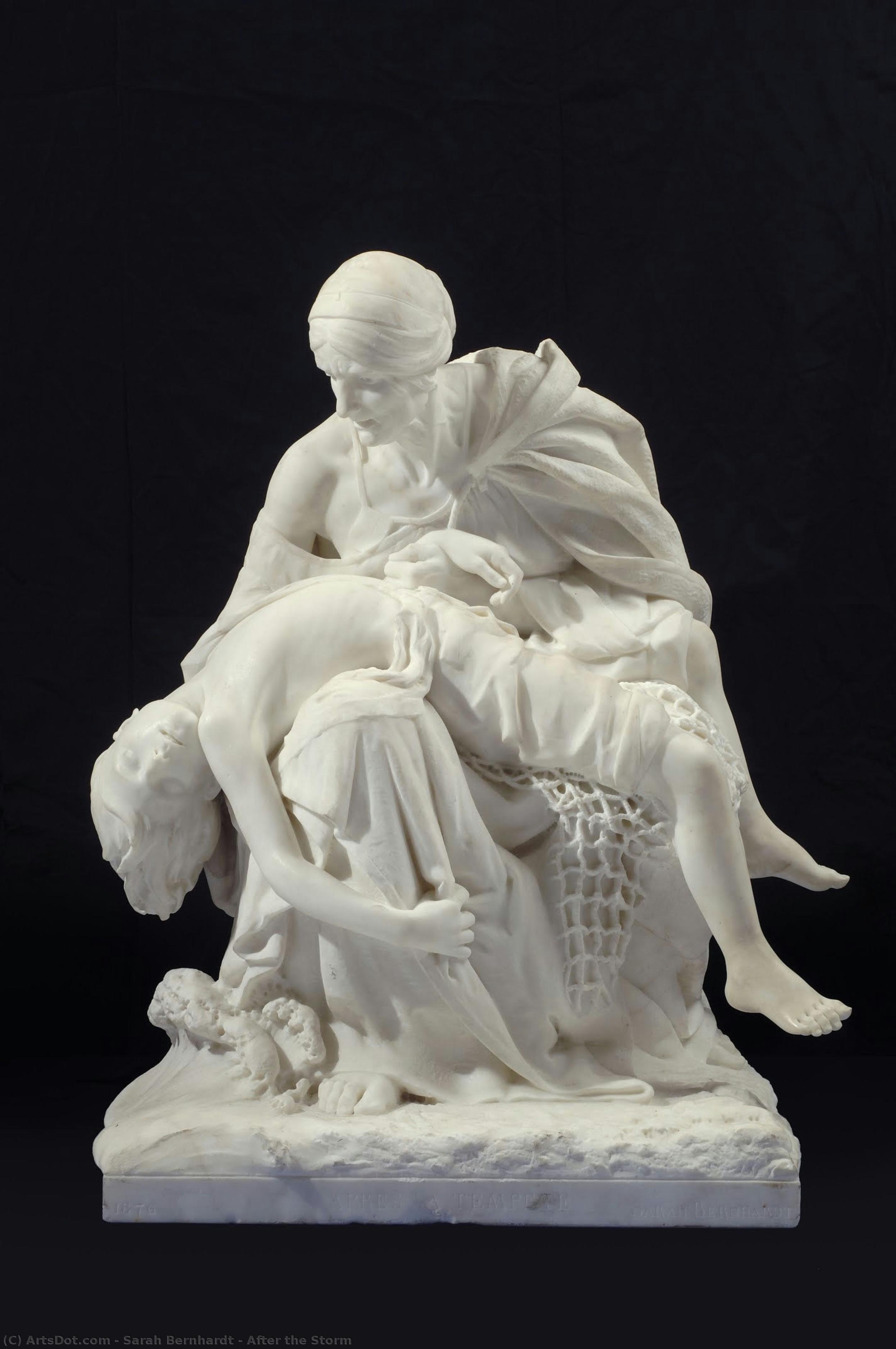
After the Storm

 Skaityti daugiau
Šiame puslapyje rodomas meno kūrinys yra saugomas autorių teisių įstatymais, todėl neturime teisės legaliai kurti ar parduoti jo identiškos reprodukcijos. Ši apsauga užtikrinama remiantis tokiais tarptautiniais susitarimais kaip Bernės konvencija ir pagal nacionalines įstatymų nuostatas, įskaitant tas, kurias nurodo JAV autoriškos teisės įstatymas – 17-asis skyrius.
Šis metodas visiškai atitinka autorių teises, nes jame nėra saugomo kūrinio kopijavimo ar dubliavimo. Tai yra kūrybinė reinterpretacija – naujas paveikslas, kurį įkvėpė originalas, tačiau kuris nėra jo identiškas.
Giclée / Meno spausdinimas
Muziejų lygio „giclée“ arba drobos spausdinimas: greita gamyba ir lankstios apdailos parinktys. ( Pirkti rankų darbo tapybą Perejti prie skaitmeninių vaizdų)




































Pasirinkite iš mūsų nustatytų dydžių, atitinkančių originalaus meno kūrinio proporcijas.

Įveskite jums reikiamą plotį ir aukštį, kad atvaizdas derėtų prie jūsų rėmo ar sienos. Spausdiną galima tik sumažinti, bet nepadidinti virš originalaus paveikslėlio dydžio, todėl keičiant proporcijas, dalis vaizdo prarandama. Prieš spausdinimą atsiųsime jums skaitmeninį maketą patvirtinimui. Šioje puslapio nuotraukoje matomas pjūvis nėra tikslus – jį rodo tik maketas.
Pristatymas visame pasaulyje () per 2 weeks, o ne įprastas 4/5 savaičių laikotarpis. (4 lapkritis)

Nemokamas greitasis pristatymas visame pasaulyje

Aukštos kokybės lininis drobė

Pilnas siuntimo draudimas

Muitinės mokesčių grąžinimo garantija

Tikro spalvų atitikimo garantija

100 dienų grąžinimo politika (tik esant įtaigoms)

100% pinigų grąžinimo garantija

Nuolaida dideliems užsakymams
 Stiklo variantas prieinamas tik pasirinkus dydį iki 110 cm

After the Storm
Giclée / Meno spausdinimas
Reprodukcijos matmenys
-


Bendroji kaina
€ 56
Klausimai ir atsakymai
Kaip „After the Storm“ subalansuoja šviesą ir tamsą?
„After the Storm“ bendroji ryškumas yra deep_shadow, o švytėjimas – Soft Shadow.
Kaip kontrastas ir harmonija susilieja kūryboje „After the Storm“?
„After the Storm“ – Sarah Bernhardt spalvų analizėje fiksuojamas Statement kontrastas ir Discordant Palette harmonija.
Kas yra „After the Storm“ kūrybos autorius?
„After the Storm“ kūrybinį darbą sukūrė Sarah Bernhardt. Šioje puslapio informacijoje aprašomas Sarah Bernhardt originalus kūrinys.
panašūs kūriniai


Autoriaus biografija
The Divine Sarah: A Legend of Stage and Canvas
In the golden twilight of the nineteenth century, few figures commanded the collective imagination of the world quite like Sarah Bernhardt. Known to millions as “the Divine Sarah,” she was far more than a mere performer; she was a living icon, a force of nature who bridged the gap between the theatrical stage and the fine arts. Born Henriette-Rosine Bernard in Paris in 1844, her very essence seemed destined for the spotlight. Raised by a Dutch Jewish mother and a French attorney father, her early years were steeped in a passion for the aesthetic, leading her to study sculpture under masters like Emilio Franchesci. This foundational training in form and detail would later inform her legendary stage presence, allowing her to command space with a sculptural, almost monumental grace that captivated audiences from Paris to New York.
Bernhardt’s ascent to stardom was nothing short of meteoric. Debuting in Racine’s Iphigénie at the Théâtre Français in 1869, she immediately signaled the arrival of a transformative talent. Her ability to inhabit characters with profound emotional depth and dramatic intensity made her the definitive interpreter of the era's greatest works. Whether portraying the tragic vulnerability of La Dame aux Camélias or the commanding strength of Shakespeare’s Hamlet—a role that defied gender conventions of the time—she possessed what Victor Hugo famously described as a “golden voice.” Her performances were not merely acted; they were experienced, characterized by a unique blend of vocal prowess and a physical language that Edmond Rostand called “the queen of the pose and the princess of the gesture.”
A Muse for the Art Nouveau Era
Beyond the footlights, Bernhardt’s influence permeated the visual landscape of her time, making her a central figure in the development of the Art Nouveau movement. Her striking visage and larger-than-life persona became the ultimate canvas for the era's most celebrated illustrators. Most notably, her collaboration with Alphonse Mucha helped define the aesthetic of the period; his iconic posters, which utilized flowing organic lines and intricate ornamentation, were often centered around her image, helping to disseminate both her fame and the Art Nouveau style across the globe. She was a subject that invited much more than simple portraiture; she inspired works that sought to capture her very spirit.
The artistic community of Europe vied for the honor of capturing her likeness, resulting in a rich tapestry of diverse styles:
- Impressionistic Reverie: Artists like Dudley Hardy utilized textured brushstrokes and dreamlike atmospheres to portray her with a sense of melancholy and vulnerability.
- Photographic Precision: Pioneers such as Félix Nadar and Henry Walter Barnett used the burgeoning medium of photography to freeze moments of theatrical intensity, revealing the formidable strength beneath her stage persona.
- Classical Realism: Painters like Jules Bastien-Lepage sought to honor her through meticulous oil portraits that reflected their mutual admiration and the classical beauty she embodied.
A Lasting Legacy of Innovation
The historical significance of Sarah Bernhardt lies in her role as a pioneer who refused to be confined by the boundaries of her era. She was an early adopter of new technologies, utilizing sound recordings to extend her voice far beyond the theater walls, and she embraced the burgeoning film industry to reach even wider audiences. Her career was a testament to the power of self-invention; she moved seamlessly between male and female roles, challenged social norms regarding femininity, and transformed herself into a global brand long before the concept existed. When she passed away in 1923, she left behind more than just a repertoire of plays; she left an indelible mark on the history of performance, a blueprint for the modern celebrity, and a permanent place in the annals of art history as a symbol of eternal, divine creativity.

Trumpa informacija
- Artistic Movement Or Style: Art Nouveau
- Artists Or Movements Influenced By This Artist: ['Victorien Sardou']
- Artists Who Influenced This Artist:
- Victor Hugo
- Alphonse Mucha
- Date Of Birth: October 22, 1844
- Full Name: Henriette-Rosine Bernard
- Nationality: French
- Notable Artworks:
- La Dame aux Camélias
- Ruy Blas
- Fédora
- Place Of Birth: Paris, France