


 Peržiūrėti realaus dydžio版
 Siųsti
 Dalintis
 Išsamiau
 Vadovas

 Atsisiųsti
 Panašūs eksponatai
 Rentgeno spindulių nuotrauka
 Diaporama
 Statistika
The Microscope


 Rodyti daugiau
Giclée / Meno spausdinimas
Muziejų lygio „giclée“ arba drobos spausdinimas: greita gamyba ir lankstios apdailos parinktys. ( Pirkti rankomis tapytą reprodukciją Perejti prie skaitmeninių vaizdų)




P118B €10

P118H €10

P118W €10

P438Z €10

P508JH €12

P508YH €12

P805H €10

P805Z €10

P919BZ €10

P919G €10

P919XJ €10

P959ZH €10

P968JZ €12

W106C €8

W218G €10

W218JH €8

W218Y €10

W307PJ €10

W316G €10

W316PJ €8

W316Y €10

W398PJ €8

W4111J €10

W500HY €15

W500JH €15

W692G €12

W849H €8

W940BG €15

W953PJ €8




Pasirinkite iš mūsų nustatytų dydžių, atitinkančių originalaus meno kūrinio proporcijas.

Įveskite jums reikiamą plotį ir aukštį, kad atvaizdas derėtų prie jūsų rėmo ar sienos. Spausdiną galima tik sumažinti, bet nepadidinti virš originalaus paveikslėlio dydžio, todėl keičiant proporcijas, dalis vaizdo prarandama. Prieš spausdinimą atsiųsime jums skaitmeninį maketą patvirtinimui. Šioje puslapio nuotraukoje matomas pjūvis nėra tikslus – jį rodo tik maketas.
Pristatymas visame pasaulyje () per 2 weeks, o ne įprastas 4/5 savaičių laikotarpis. (22 spalis)

Nemokamas greitasis pristatymas visame pasaulyje

Aukštos kokybės lininis drobė

Pilnas siuntimo draudimas

Muitinės mokesčių grąžinimo garantija

Tikro spalvų atitikimo garantija

100 dienų grąžinimo politika (tik esant įtaigoms)

100% pinigų grąžinimo garantija

Nuolaida dideliems užsakymams
 Stiklo variantas prieinamas tik pasirinkus dydį iki 110 cm

The Microscope
Giclée / Meno spausdinimas
Reprodukcijos dydis
-


Visų pasirinktų variantų kaina
€ 54
A Window into Enlightenment: Examining Robert Walter Weir’s “The Microscope”
Robert Walter Weir's "The Microscope," completed in 1849, stands as a remarkable testament to the confluence of scientific curiosity and humanist ideals that characterized mid-nineteenth century America. More than just a portrait depicting Jacob Whitman Bailey, a prominent advocate for American microscopy and instructor at West Point, this painting embodies the Romantic spirit’s fascination with both reason and imagination—a duality Weir skillfully captures through meticulous observation and expressive brushwork. The artwork resides within Yale University Art Gallery's collection, offering visitors an opportunity to contemplate its enduring significance.- Subject Matter: At its core, “The Microscope” presents a tableau of intellectual engagement. Bailey, dressed in attire reminiscent of Galileo Galilei—a deliberate allusion to the Renaissance astronomer’s groundbreaking discoveries—demonstrates his knowledge to his sons and daughter, Maria. This familial scene underscores the importance of educating children not only in traditional arts but also in scientific pursuits, reflecting the burgeoning belief that fostering intellectual development was crucial for societal progress.
- Style & Technique: Weir’s style aligns firmly with the Hudson River School tradition, prioritizing atmospheric perspective and tonal gradation to convey a sense of grandeur and tranquility. Employing oil paints on canvas, he achieved remarkable realism through careful layering and blending—a hallmark of the era's artistic approach. The subdued palette—dominated by browns, greens, and blues—creates an environment that feels both scholarly and contemplative.
Historical Context: Science and Domestic Education in Victorian America
The painting emerged during a period marked by significant advancements in scientific understanding, particularly in microscopy. Scientists like Bailey were actively exploring the microscopic world, uncovering previously unseen organisms and challenging prevailing theories about disease and heredity. Simultaneously, Victorian society placed considerable emphasis on educating girls—primarily focusing on music, dance, and needlework—though figures like Bailey recognized the necessity of introducing science into female education. Weir’s depiction reflects this societal preoccupation with cultivating intellectual prowess in young women.- Symbolism: The inclusion of Galileo's garb serves as a powerful symbol—representing the triumph of observation and experimentation over dogma. Bailey’s stance, gazing intently at the microscope, embodies the Romantic conviction that scientific inquiry could illuminate the mysteries of creation. Furthermore, Maria’s presence symbolizes the future generation inheriting this enlightened worldview.
- Emotional Impact: “The Microscope” transcends mere representation; it evokes a feeling of serene intellectual pursuit and familial devotion. Weir's masterful use of light and shadow contributes to an atmosphere of quiet contemplation—encouraging viewers to appreciate the beauty inherent in knowledge and the importance of nurturing young minds.
Yale Center for British Art’s Perspective
The Yale Center for British Art considers “The Microscope” as a pivotal piece illustrating the Romantic movement's commitment to both reason and imagination. Its inclusion within the American Art before 1900 galleries underscores its significance in shaping artistic sensibilities during this formative period. The painting continues to inspire interior designers seeking to infuse their spaces with elements of intellectual curiosity and humanist values—a legacy that extends far beyond its original creation.问答 (or more naturally for a website heading): Klausimai ir atsakymai
Kokią emociją perteikia Romanticism stiliaus kūrinys „The Microscope“?
„The Microscope“ Reflective emocija akompaniuoja jo Romanticism stiliui.
Ar yra panašių darbų kaip „The Microscope“?
Puslapio Panašūs kūriniai skiltyje, skirtoje kūriniam darbui „The Microscope“, autorius – Robertas Walteris Weir, pateikiami panašūs meno kūriniai.
Ar yra galima peržiūrėti „The Microscope“, autorius – Robertas Walteris Weir per diorama?
„The Microscope“ diaporamą galite peržiūrėti puslapio Diaporama kūrinio apžvalgoje.
Susiję kūriniai


Autoriaus biografija
Istorijoje išraišyta拎gyvena: Robert Walterio Weiro pasaulis
Robertas Walteras Weir, gimęs Niujorke 1803 m. biržio 1as, buvo asmenybė, neatsiejama nuo meninio ir švietimo Amerika XIX amžiaus audinio. Jo gyvenimo istorija – tai savintisky sėkmės, klasikinų žinių troškimo ir neblėstančio siekio skatinti kūrybiškumą kituose pasakojimas. Ankstyvaisiais metais Weir šeima keliavo tarp Niujorko ir New Rochelle, kol 1817 m. vėl neįsikūrė mieste. Nors iš pradžių užsiėmė prekybos darbu, jaunasis Robertas pajuto meninės išraiškos trauką; būdamas aštuoniolikamerio, 1821 m., paliko komerciją ir visiškai pasindulė paveikslavimui. Šis sprendimas pažymėjo kelionės pradžią, kurios metu jis tapo ne tik gerbiama menininkas, bet ir svarbus pedagogas, formavęs būsimųjų lyderių mentes. Weir pirmieji moksliai buvo didzumui savarankiški – jis intensyviai studijavo Niujumiorke nuo 1822 iki 1824 m. Tačiau būtent vėlesnė būvencija Italijoje – Florencijoje (1824–1825) ir Romoje (1825–1827) – tikrai uždegė jo meninę jautrumą. Pasikraustęs į Mikelandelo ir Rafaelio šedevrų pasaulį, jis įsisavino Renesanso kompozicijos ir detalės principus – įtakas, kurie skambėsjo per visą jo karjerą.Nuo drobės iki klasės: dvigubas palikimas
Grįžęs į Niujorką 1827 m., Weir greitai įsiliejo į augančią menininkų bendruomenę. Jis reguliariai dalyvavo parodoje „National Academy of Design“, 1829 m. tapo asociuotu nariu, o iki 1831 m. pasiekė pilno akademiko statusą – tai buvo jo augančios meistriybės ir pripaudimo įrodymai. Tačiau būtent kitas kelias suformavo didžiąją jo gyvenimo dalį: švietimą. 1834 m. jis priėmė piešimo mokytojo pareigas JAV Karinės akademijoje West Point, Niujorke. Šis paskyrimas nebuvo tiesiog darbas; tai buvo pašaukimas. 1av 1846 m. jis tapo piešimo profesoriumi ir šį vaidmenį vykdė neįtikėtinai ilgai, keturiasdešimt šešias metus, iki pat 1876 m. Jo veiklos poveikis yra beveik neįvertinamas. Weir ne tik mokė piešti; jis į įsimintiną būsimų karininkų kartą įdiegė meno vertinimą, stebėjimo kultūrą ir vizualinį mąstymą. Tarp jo mokinių buvo vardai, tapę Civilinio karo sinonimais: Ulysses S. Grant, Robert E. Lee, Jefferson Davis ir James Abbott McNeill Whistler – tokia sąrašas demonstruoja neįtikėtiną jo įtakos platumą. Jis taip pat buvo mentoras Sethui Eastmanui, kitam žinomam menininkui, dokumentavusiam Amerikos indėnų gyvenimą. Jo pedagoginis požiūris nebuvo tik techninio įgūdžių mokymas; tai buvo sk distinguishers akies ugdymas ir kūrybinio problemų sprendimo gebėjimų skatinimas, kurie šiuos vyrus puikiai lydėjo jų būsimuose siekiuose.H Hudson River mokykla ir istorinės naratyvės
Weir teisėtai laikomas „Hudson River School“ nariu – amerikietės meno judėjimo, garsėjantio romantiškais šalies peizažų vaizdais. Nors jo drobėse dažnai dominuodavo istorinės temos, jos buvo prisipildytos tuo pačiu didybės pojūčiu ir gamtos pagarba, būdingu šiai moklei. Jo meninis stilius buvo giliai įsišaknijęs klasikinėse principuose, įgintuose Italijos studijų metu – tai kruopštus dėmesys detalėms, subalansuota kompozicija ir dramatiškas šviesos bei šešėlio naudojimas. Tačiau jis nebuvo tik Renesanso technikų kopijuotojas; jis pritaikė jas amerikietiškoms temoms ir istorijoms. Galbūt pats ikoniniškiausias jo darbas yra Pilgrimų išvyka (The Embarkation of the Pilgrims), užsakytas JAV Kongreso 1837 m. ir įrengtas JAV Kapitolo rotundoje 1843 m. Šis monumentalus paveikslas nėra tik istorinis vaizdas; tai galingas drąsos, tikėjimo ir Amerikos kūrimo principų alegoriškumas. Kiti svarbūs darbai apima tokius kaip *Bourbons Last March*, *Landing of Hendrik Hudson*, *Our Lord on the Mount of Olives* ir *Columbus before the Council of Salamanca*. Šie paveikslai demonstruoja jo universalumą ir gebėjimą istorines akimirkas užfiksuoti tiek tikりumais, tiek emociniu rezonu.Šeima, įtaka ir neblėstantis pripaudimas
Robertas Walteras Weir palikimas išsilygsta daug daugiau nei jo asmeniniai meniniai pasiekimai. Jis sukūrė šeimos meninės išlaikymo tradiciją; du jo sūnus seko jo žingsniais. John Ferguson Weir tapo gerbiama paveiksluotoju ir skulptoriu, o Julian Alden Weir išsiskino kaip išskirtinis portretų, figūrinio ir peizažo menininkas – taip dar labiau įtvirtindamas Weir pavardę amerikietės meno istorijoje. Robertas Walteras Weir du kartus susiženiavo ir išgavo šešiolika vaikų, kurdamas gyvą šeimyninį gyvenimą šalia savo profesinių siekių. Jis mirė 1889 m., palikdamas turtingą meninę paveldą ir ilgalaikį poveikį amerikietiška jam edukacijai. Šiandien jo darbai vis tiek eksponuojami žinomuose muziejuose ir kolekcijose, užtikrindami, kad jo indėlis išliktų matomas ir vertinamas būsimoms kartoms. Jo įtaka vis dar jautiamas per daugybę menininkų, kuriuos jis įkvėpė – tiek tiesiogiai kaip mokinio, tiek netiesiogiai per savo atsidavimą kūrybiškumo ir kritinio mąstymo skatinimui.Ilgalaikė įspūdžio jėga
- Ryšys su Hudson River mokykla: Weiro narystė šiame įtakingame judėjime užtvirtino jo vietą amerikietiško peizažo mokslo kanone.
- West Point palikimas: Keturi jo dešimtmečiai West Point akademijoje giliai suformavo būsimų karininkų meninę jautrą, demonstruodami meno švietimo galią.
- Istorinio paveikslavimo meistriškumas: Tokie darbai kaip *Pilgrimų išvyka* parodo jo gebėjimą svarbias istorines įvykles įamžinti su dramatišku efektu ir simboline galybe.
- Meninė šeimos dinastija: Sūčių, John Ferguson Weir ir Julian Alden Weir, sėkmė dar labiau padidino šios šeimos indėlį į amerikietiško meno istoriją.

Robertas Walteris Weir
1803 - 1889 , JAV
Trumpa informacija apie kūrėją
- Artistic Movement Or Style: Hūdsono upės mokykla
- Artists Or Movements Influenced By This Artist:
- John Ferguson Weir
- Julian Alden Weir
- Artists Who Influenced This Artist:
- Michelangelo
- Raphael
- Date Of Birth: 1803 m. birželio 18 d.
- Date Of Death: 1889 m. gegužės 1 d.
- Full Name: Robert Walter Weir
- Nationality: Amerikos United )$ Grasijos
- Notable Artworks:
- Pilgrimų išvykimas
- Paskutinis Burbonų marsžas
- Henriko Hudo dėliojimasis
- Mūsų Viešpatis Olivės kalve
- Kolisumas prieš Salamankos tarybą
- Place Of Birth: Niujorkas, JAV
Susiję straipsniai

Robert Spencer: Luminism, Narrative & the American Landscape Tradition
Explore the captivating world of Luminism & the Hudson River School with our expert analysis. Discover the history, artists, and enduring beauty of 19th-century American landscape painting. Find museum-quality reproductions at ArtsDot.
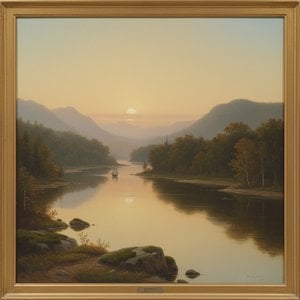
David Johnson: A Luminist Master of the Hudson River School & Beyond
Explore the captivating landscapes of David Johnson, a key figure in the Hudson River School & Luminism movement. Discover his artistic evolution, legacy, and how to collect his works with ArtsDot.

The Sublime Landscape: Exploring the Hudson River School Movement
Explore the captivating world of the Hudson River School! Discover the history, artists, and defining characteristics of this iconic American art movement. Learn about Romanticism's influence & find inspiration for your collection.

Hudson River School: 10 Šedevrai, Apibrėžę Amerikos Peizažo Meną
Atraskite 10 legendinių Hudson River School kūrinių! Thomas Cole, Frederic Church ir kiti meistrai sukuria nepakartojamą gamtos grožio vaizdą. Išmokite apie jų techniką ir įkvėpkite savo interjerą aukštos kokybės reprodukcijomis iš ArtsDot.com!
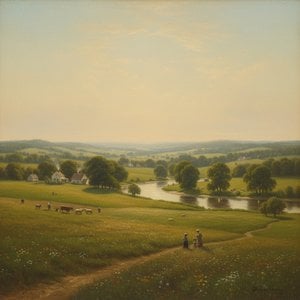
Thomas Worthington Whittredge: Capturing the American Pastoral Ideal with Luminist Light
Explore the luminous landscapes of Thomas Worthington Whittredge, a key figure in the Hudson River School and master of Luminism. Discover his captivating paintings & legacy with ArtsDot.