
- Pradžia

- Ežero tapybos reprodukcija
- ramon oviedo
- . : question mark

 Pirkti atspaudą Pirkti skaitmeninį paveikslą
 Pasidalinti
 Dalintis
 Išsamiau
 Pridėti į mėgstamiausius

 Atsisiųsti
 Panašūs eksponatai
 Rentgeno nuotrauka
 Automatinė diorama
. : question mark


 Skaityti daugiau
Rankų darbo aliejinės reprodukcijos
Rankiniu būdu tapytas aliejus ant droblio jūsų pageidaujamame dydį ir rėmuose – mūsų menininkų darbas pagal užsakymą.




P118B $10

P118H $10

P118W $10

P438Z $10

P508JH $12

P508YH $12

P805H $10

P805Z $10

P919BZ $10

P919G $10

P919XJ $10

P959ZH $10

P968JZ $12

W106C $8

W218G $10

W218JH $8

W218Y $10

W307PJ $10

W316G $10

W316PJ $8

W316Y $10

W398PJ $8

W4111J $10

W500HY $15

W500JH $15

W692G $12

W849H $8

W940BG $15

W953PJ $8




Pasirinkite iš mūsų nustatytų dydžių, atitinkančių originalaus meno kūrinio proporcijas.

Galite įvesti savo matmenis, kad jie atitiktų konkretų rėmą ar erdvę. Jei pasirinktas dydis neatitinka originalaus paveikslėlio proporcijų, mes arba apkropsime meno kūrinį, arba papildysime tapybą rankomis dažytい elementais. Prieš pradėdami gamybą, jūsų patvirtinimui atsiųsime skaitmeninį maketą.
Atkreipkite dėmesį, kad ekrane rodomas vaizdas neatspindi tikrojo apkarpymo ar papildymo. Tik maketas tiksliai parodys galutinę kompoziciją.
Nors galima rinktis ir individualius dydžius, rekomenduojame pasirinkti matmenis iš nustatytos sąrašo, kad būtų išlaikytos originalios proporcijos.
Gavus užsakymą, ArtsDot.com komanda susisieks su klientu el. paštu dėl instrukcijų ir pateiks maketo pavyzdį.
Pristatymas visame pasaulyje () per 3–4 savaites, o ne įprastai – per 5 savaites. (21 liepa). Kokybė lieka nepakeičiama.

Nemokamas greitasis pristatymas visame pasaulyje

Aukštos kokybės lininis drobė

Pilnas siuntimo draudimas

Muitinės mokesčių grąžinimo garantija

Tikro spalvų atitikimo garantija

60 dienų grąžinimo politika (tik esant gamyklinėms defektams)

100% pinigų grąžinimo garantija

Nuolaida už kelias reprodukcijas
 Stiklo variantas prieinamas tik pasirinkus dydį iki 110 cm

. : question mark
Reprodukcijos technika
Reprodukcijos matmenys
-


Galutinė kaina
-
panašūs kūriniai


Autoriaus biografija
Ramón Oviedo: A Vibrant Voice of the Dominican Republic
Born in Barahona, Dominican Republic, in 1924, Ramón Oviedo’s life and art were inextricably linked to his homeland – a land of vibrant colors, rich history, and profound cultural influences. His journey as an artist unfolded against the backdrop of a nation grappling with its identity, navigating periods of political upheaval and striving for artistic recognition. Oviedo's work is more than just paintings; it’s a visual chronicle of Dominican life, infused with personal reflection and a distinctive, joyful aesthetic.
Oviedo’s early influences were deeply rooted in the traditions of his community. Growing up in Barahona, he was exposed to the rhythms of Afro-Caribbean music, the vibrant hues of local textiles, and the storytelling inherent in Dominican folklore. These elements would later permeate his canvases, creating a visual language that is both uniquely Caribbean and profoundly personal. While formal artistic training remained elusive for much of his career, Oviedo’s talent blossomed through self-directed study and tireless experimentation. He began painting primarily in the 1950s, initially exploring figurative works depicting scenes from daily life – market vendors, fishermen returning with their catch, and families gathered around shared meals. These early pieces demonstrate a keen eye for detail and a remarkable ability to capture the essence of Dominican character.
The Evolution of Style: From Realism to Abstraction
Over time, Oviedo’s style underwent a significant transformation. Initially grounded in realism, his work gradually embraced abstraction, particularly during the 1980s and 90s. This shift wasn't a rejection of his subject matter but rather an exploration of color, form, and emotion. He began to employ bolder palettes, layering vibrant hues and creating dynamic compositions that seemed to pulse with energy. Figures became increasingly stylized, often reduced to simplified shapes and suggestive gestures. The influence of movements like Cubism and Fauvism can be detected in his later works, though Oviedo always maintained a distinctly Dominican sensibility.
A pivotal moment in his artistic development came with the painting “Por que dulce caña-” (Why Sweet Cane?), created in 1994. This piece, characterized by its swirling colors and enigmatic figures, exemplifies Oviedo’s move towards abstraction while retaining a strong connection to Dominican cultural imagery. The cane itself – a symbol of sugar production and a cornerstone of the Dominican economy – becomes an almost mythical element within the composition, inviting interpretation and contemplation.
Themes and Symbolism in His Work
Oviedo's paintings are rich with symbolism, often reflecting themes of identity, memory, and the complexities of Dominican society. Portraits, particularly self-portraits, are a recurring motif, offering glimpses into the artist’s inner world and his evolving relationship with himself and his heritage. The use of clothing – vibrant fabrics, traditional garments – is particularly significant, acting as visual markers of cultural identity and social status. Recurring motifs include musical instruments (particularly guitars), suggesting the importance of music in Dominican life, and depictions of landscapes—often featuring the rugged beauty of the Caribbean coastline.
Furthermore, Oviedo’s work frequently engages with themes of nostalgia and remembrance. He seems to be grappling with a sense of loss – perhaps for a disappearing way of life or for the challenges faced by his nation – while simultaneously celebrating the enduring spirit of the Dominican people. His paintings are not simply representations of reality; they are imbued with emotion, history, and a profound understanding of the human condition.
Legacy and Recognition
Despite facing periods of relative obscurity during his lifetime, Ramón Oviedo’s work has gained increasing recognition in recent years. His vibrant colors, expressive brushstrokes, and deeply personal subject matter have resonated with audiences both within the Dominican Republic and internationally. He is now considered a key figure in Dominican art history, celebrated for his unique artistic voice and his unwavering commitment to portraying the beauty and complexity of his homeland. His paintings are held in private collections and displayed in galleries throughout the Caribbean and beyond, ensuring that his legacy as one of the most important artists of the 20th century continues to grow.
Oviedo’s influence extends beyond his individual creations; he represents a vital link between tradition and innovation, demonstrating how art can serve as a powerful tool for cultural preservation and artistic expression. His work stands as a testament to the enduring spirit of the Dominican Republic and the profound impact of one artist's vision.

ramon oviedo
1924 - 2015 , Dominican Republic
Trumpa informacija
- Artistic Movement Or Style: Caribbean Art
- Date Of Birth: 1924
- Date Of Death: 2015
- Full Name: Ramón Oviedo
- Nationality: Dominican
- Notable Artworks:
- Por que dulce caña-
- Self portrait
- Place Of Birth: Barahona, Dominican Republic
Susiję straipsniai

Beyond Representation: Exploring Gesturality, Emotion, and Philosophical Underpinnings of Contemporary Abstract Painting
Explore the evolution of abstract painting with ArtsDot. Discover key artists, historical context & investment insights. Find museum-quality reproductions and expert appraisal services.

Orphism: A Symphony of Color and Form – Exploring the Abstract Roots of Modern Art
Explore Orphism, the vibrant abstract art movement pioneered by Robert & Sonia Delaunay. Discover its unique color theory, lasting influence on modern art, and how to bring this 'symphony of color' into your home with ArtsDot.
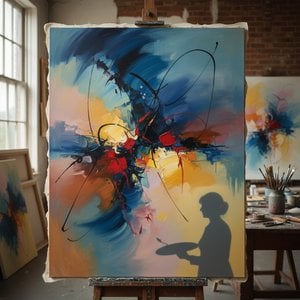
Beatrice Parsons: A Study in Abstract Expressionism & the Poetics of Color Field Painting
Explore the captivating world of Beatrice Parsons, a pioneering British abstract expressionist. Discover her journey from garden watercolors to evocative color field paintings and learn about her place within art history.

Beyond Representation: Emotional Resonance & Formal Innovation in Abstract Painting
Explore the profound emotional depth & formal innovations of abstract painting. Discover key artists like Rothko & Kandinsky, understand art collecting insights, and elevate your space with timeless masterpieces. Expert analysis for discerning collectors.

Beyond Form & Color: Geometric Abstraction's Evolution in 20th/21st Century Art
Explore the evolution of geometric abstraction from Cubism to contemporary art. Discover key artists like Malevich & Mondrian, investment insights, and expert collecting advice at ArtsDot.

