


 Peržiūrėti realaus dydžio版
 Siųsti
 Dalintis
 Išsamiau
 Vadovas

 Atsisiųsti
 Panašūs eksponatai
 Rentgeno spindulių nuotrauka
 Diaporama
 Statistika
Sideboard
 1805
1805 103.0 x 189.0 cm
 Taft Museum of Art
 Rodyti daugiau
Šiame puslapyje rodomas meno kūrinys yra saugomas autorių teisių įstatymais, todėl neturime teisės legaliai kurti ar parduoti jo identiškos reprodukcijos. Ši apsauga užtikrinama remiantis tokiais tarptautiniais susitarimais kaip Bernės konvencija ir pagal nacionalines įstatymų nuostatas, įskaitant tas, kurias nurodo JAV autoriškos teisės įstatymas – 17-asis skyrius.
Šis metodas visiškai atitinka autorių teises, nes jame nėra kūrinio kopijavimo ar dubliavimo. Tai yra kūrybinė reinterpretacija – naujas paveikslas, kurį įkvėpė originalas, tačiau kuris nėra jo identiškas.
Giclée / Meno spausdinimas
Muziejų lygio „giclée“ arba drobos spausdinimas: greita gamyba ir lankstios apdailos parinktys. ( Pirkti rankomis tapytą reprodukciją Perejti prie skaitmeninių vaizdų)




































Pasirinkite iš mūsų nustatytų dydžių, atitinkančių originalaus meno kūrinio proporcijas.

Įveskite jums reikiamą plotį ir aukštį, kad atvaizdas derėtų prie jūsų rėmo ar sienos. Spausdiną galima tik sumažinti, bet nepadidinti virš originalaus paveikslėlio dydžio, todėl keičiant proporcijas, dalis vaizdo prarandama. Prieš spausdinimą atsiųsime jums skaitmeninį maketą patvirtinimui. Šioje puslapio nuotraukoje matomas pjūvis nėra tikslus – jį rodo tik maketas.
Pristatymas visame pasaulyje () per 2 weeks, o ne įprastas 4/5 savaičių laikotarpis. (22 spalis)

Nemokamas greitasis pristatymas visame pasaulyje

Aukštos kokybės lininis drobė

Pilnas siuntimo draudimas

Muitinės mokesčių grąžinimo garantija

Tikro spalvų atitikimo garantija

100 dienų grąžinimo politika (tik esant įtaigoms)

100% pinigų grąžinimo garantija

Nuolaida dideliems užsakymams
 Stiklo variantas prieinamas tik pasirinkus dydį iki 110 cm

Sideboard
Giclée / Meno spausdinimas
Reprodukcijos dydis
-


Visų pasirinktų variantų kaina
€ 54
Susiję kūriniai


Autoriaus biografija
The Genesis of a Craftsman
Born in the rugged landscape of Hanover County, Virginia, in 1779, Porter Clay emerged from a lineage where precision and devotion were inextricably linked. As the son of the Reverend John Clay, his early years were steeped in an atmosphere of meticulous care, a legacy inherited from a father who viewed the world through a lens of profound detail. This foundational discipline prepared him for a life far removed from the pulpit, yet equally dedicated to the pursuit of perfection. When the frontier spirit beckoned toward Kentucky, Clay brought with him more than just tools; he carried an ancestral reverence for the transformation of raw, natural elements into enduring legacies of beauty.The Lexington Workshop and Material Mastery
In the burgeoning heart of Lexington, Kentucky, Clay established a workshop that would become synonymous with American excellence. His artistry was a tactile dialogue with the forest itself, as he skillfully manipulated the rich textures of cherry wood, crotch cherry, and the shimmering patterns of tiger maple. Each piece was a testament to his technical prowess, often elevated by the striking addition of brass mounts—elements that provided a brilliant, metallic counterpoint to the warm, organic grains of the timber. His work embodied a seamless marriage of form and function, where the structural integrity of a sideboard or table was inseparable from its aesthetic grace.A Bold Aesthetic Vision
While rooted in the traditions of his era, Clay’s creative spirit possessed an unconventional edge that hinted at a deeper, more experimental impulse. He embraced a stylistic sensibility akin to the burgeoning neo-dada movement, seeking to bridge the gap between formal artistry and the raw immediacy of everyday experience. This desire to challenge established conventions is most evident in his use of brass, which introduced a sense of spontaneity and an unconventional aesthetic flair. Much like the later approaches taken by artists such as Elbridge Ayer Burbank, Clay’s approach sought to infuse the inanimate object with a living, breathing energy, ensuring that his furniture was never merely utilitarian, but rather a profound expression of artistic experimentation.A Lasting Legacy in American Art
The significance of Porter Clay extends far beyond the borders of Kentucky. As the brother of the legendary statesman Henry Clay, his life was intertwined with the very fabric of American history, yet his contribution remained uniquely his own—a quiet, enduring mastery of the decorative arts. Though his personal journey may have been as mercurative as the woods he worked, his impact on the landscape of 18th and 19th-century craftsmanship remains indelible. Today, his pieces stand as silent witnesses to a period of American growth, reminding us that true artistry lies in the ability to find elegance within the grain of the wood and strength within the precision of the craft.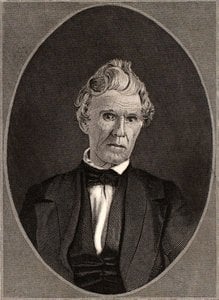
Porter Clay
1779 - , United States of America
Trumpa informacija apie kūrėją
- Full Name: Porter Clay
- Nationality: American
- Date Of Birth: 1779
- Place Of Birth: Hanover County, United States of America
- Notable Artworks: ['Sideboard']
- Artistic Movement Or Style: Neo-Dada
- Artists Who Influenced This Artist: ['Lucas Cranach the Elder']
- Artists Or Movements Influenced By This Artist: ['Elbridge Ayer Burbank']