

 Peržiūrėti realaus dydžio版
 Pasidalinti
 Dalintis
 Išsamiau
 Vadovas

 Atsisiųsti
 Panašūs eksponatai
 Rentgeno spindulių nuotrauka
 Automatinė diorama
 问答
问答 Statistika
The Drinker


 Skaityti daugiau
Giclée / Meno spausdinimas
Muziejų lygio „giclée“ arba drobos spausdinimas: greita gamyba ir lankstios apdailos parinktys. ( Pirkti rankų darbo tapybą Perejti prie skaitmeninių vaizdų)




P118B €10

P118H €10

P118W €10

P438Z €10

P508JH €12

P508YH €12

P805H €10

P805Z €10

P919BZ €10

P919G €10

P919XJ €10

P959ZH €10

P968JZ €12

W106C €8

W218G €10

W218JH €8

W218Y €10

W307PJ €10

W316G €10

W316PJ €8

W316Y €10

W398PJ €8

W4111J €10

W500HY €15

W500JH €15

W692G €12

W849H €8

W940BG €15

W953PJ €8




Pasirinkite iš mūsų nustatytų dydžių, atitinkančių originalaus meno kūrinio proporcijas.

Įveskite jums reikiamą plotį ir aukštį, kad atvaizdas derėtų prie jūsų rėmo ar sienos. Spausdiną galima tik sumažinti, bet nepadidinti virš originalaus paveikslėlio dydžio, todėl keičiant proporcijas, dalis vaizdo prarandama. Prieš spausdinimą atsiųsime jums skaitmeninį maketą patvirtinimui. Šioje puslapio nuotraukoje matomas pjūvis nėra tikslus – jį rodo tik maketas.
Pristatymas visame pasaulyje () per 2 weeks, o ne įprastas 4/5 savaičių laikotarpis. (15 lapkritis)

Nemokamas greitasis pristatymas visame pasaulyje

Aukštos kokybės lininis drobė

Pilnas siuntimo draudimas

Muitinės mokesčių grąžinimo garantija

Tikro spalvų atitikimo garantija

100 dienų grąžinimo politika (tik esant įtaigoms)

100% pinigų grąžinimo garantija

Nuolaida dideliems užsakymams
 Stiklo variantas prieinamas tik pasirinkus dydį iki 110 cm

The Drinker
Giclée / Meno spausdinimas
Reprodukcijos matmenys
-


Bendroji kaina
€ 56
A Moment Frozen in Delft Light
In the quiet corners of seventeenth-century Delft, where the soft glow of morning light often danced through open doorways, Pieter de Hooch captured a world of profound stillness. His masterpiece, "The Drinker," serves as a breathtaking window into the Dutch Golden Age, offering much more than a mere depiction of a domestic scene. It is an invitation to step into a sanctuary of peace, where the frantic pace of the outside world dissolves into the gentle rhythm of everyday life. As one gazes upon this canvas, there is an immediate sense of being present in that sun-drenched courtyard, feeling the warmth of the diffused daylight as it filters through the architecture to illuminate a scene of quiet, unhurried existence.
The composition is a masterclass in spatial storytelling and balanced restraint. De Hooch, a contemporary of the legendary Johannes Vermeer, utilizes perspective not merely as a technical tool, but as an emotional guide. The viewer’s eye is led through a carefully constructed depth of field, moving from the intimate foreground—where a man sits cradling a feline companion with tender care—toward the subtle movement of figures conversing near a doorway in the background. This layering of space creates a revolutionary sense of realism, making the courtyard feel like an extension of our own world. The presence of three cats, scattered throughout the scene, adds a layer of domestic charm and organic life, grounding the painting in the relatable, tactile reality of a middle-class home.
The Artistry of Light and Texture
Technically, "The Drinker" is a triumph of chiaroscuro and meticulous observation. De Hooch’s ability to render the interplay of light and shadow transforms a simple interior into a luminous experience. He employs thin, delicate layers of oil paint to achieve a translucent quality, allowing light to appear as if it is truly emanating from within the scene itself. One can almost feel the varied textures underfoot: the cool stone of the courtyard, the smooth wood of the chairs, and the soft, organic warmth of the cat’s fur. This dedication to material accuracy serves to heighten the painting's naturalism, making every element—from the humble dining table to the simple cup—feel significant and permanent.
For the discerning collector or interior designer, this artwork offers a unique emotional resonance that transcends time. It does not demand attention through grand, dramatic gestures; instead, it commands respect through its understated elegance and psychological nuance. The painting evokes a sense of domestic tranquility and refined sensibility, making it an ideal centerpiece for spaces designed to inspire contemplation and calm. Whether placed in a contemporary gallery or a classic study, a high-quality reproduction of "The Drinker" brings with it the timeless prestige of the Dutch masters, offering a sophisticated touch of history that celebrates the beauty found in life's most quiet, fleeting moments.
Klausimai ir atsakymai
Kokią nuotaiką „The Drinker“ – Pieter De Hooch išreiškia Dutch Golden Age kontekste?
„The Drinker“ Reflective emocija akompaniuoja jo Dutch Golden Age stiliui.
Kokią paletę ir kokią emociją sujungia „The Drinker“?
„The Drinker“ – Pieter De Hooch Earthy paletė dera su jo Reflective emociniu tonu. Spalva yra vienas iš būdų, keliais kūrinys perteikia jausmus.
Kokia technika buvo panaudota kūriniam darbui „The Drinker“ – Pieter De Hooch?
Pieter De Hooch kūriniui „The Drinker“ panaudojo Oil techniką. Ši technika apibrėžė originalaus kūrinio medžiaginę prigimtį.
panašūs kūriniai


Autoriaus biografija
Pradinis gyvenimas, šeima ir meninė mokslas
Pieter De Hooch gimė 1629 m. gruodžio 20 d. Rotterdame, Nylandijoje. Jis buvo pirmakrikliu iš penkių vaikų, kuriuos gimė meistras mūrininkas Hendrick Hendricksz de Hooch ir akšininkė Annetge Pieters. Tokia auginimas šeimoje, sukauptoje dirbtinio kūrybiškumo ir meistriškumo, tikriausiai suteikė jam ankstyvą supratimą apie struktūrą bei itin kruopštų darbuotojų kruomybę. Nors konkrečios jo vaikystės detalės lieka šiek tiek paslaptingos, šaknys dirbančio klasos šeimoje triuškinančiame uostas mieste sukūrė pagrindus jo būsimiam gyvenimui.
Jo oficialus meninis mokslas vyko Haarleme, kur jis paliko savo jaunystės buitinę sferą siekdamas išmokti tapybos techninių niuansų. Jis mokėsi iš paisaječių paveikslų meistro Nicolaes Berchem, laikotarpiui, kuris sutapo su kitų samties menininkų, pavyzdžiui, Jacob Ochtervelt, mokymu. Šis mokymas Haarleme suteikė esminį pagrindą jo tolesniam vystymui, padėdamas susipažinti su disciplinuotu stebėjimu, reikimu tiksliai atvaizduoti pasaulį.
Šiais formavimo metais Pieter De Hooch buvo Claes Berchem mokinys. Šis mokymas padėjo išugdyti regimą detalėms jautrumą bei erdinio tvarkingumo pojūtį, kuris galiausiai apibrėžė jo kūrybinį palikimą. Jis perėjo šiuos ankstyvosius mokymosi etapus orientuodamasis į tą natūralizmą, kuris budinėjo tą epochą, taip ruošdamas save karjerai, skirtai kasdienybės tyliems ritmams stebėti.
Veikla Roterdame, Delfte ir Amsterdame
Meno kelias, kurį žydėjo Pieter De Hooch, vedė per didžiąsiausius Niderlandų miesto centrus, piešiant trajektoriją nuo jo prakarčių iki paskutiniųjų gyvenimo metų. Jo karjera prasidėjo Roterdame, kur jis įkūliai pradėjo savo profesionalų kelią, kol 1652 m. rugpjūčio 5 d. jo buvimas Delfte buvo oficialiai užregistruotas. Gyviodamas Delfte, jis įsikūrė Oude Delft gatvėje, namuose Nr. 161, vietoje, kuri leidė jam būti klifuoruojančios meninės bendruotės širdyje. Jo oficialus statusas mieste buvo tvirtinamas tapus Delfo Šv. Lucos gilvėjui nariu, šią pareigą jis tęsė nuo 1654 iki 1657 metų.
Laiku pažangedančios karjeros metu gyvenimo geografija dar kartą pasikeitė. Iki 1661 metų jis persiklausė į Amsterdamą, žyminčios perėjimą į kitokią socialinę ir meninę aplinką. Šis judėjimas tarp miestų atspindėjo dinamiškus prekybos ir kultūros centrus Niderlandų Aukso amžiaus laikotarpiu. Šiais metais sukurti darbai įamžino buitinio gyvenimo ramybę bei struktūrizuotą interjerų erdvių geometriją, dažnai taikant doorkijkje, ar pažvelgimo per duris, techniką, kuri leidė sujungti privačias kambarius su aplinkiniu pasauliu.
Rėmėjai, darbo mokykla ir užsakimai
Pieter De Hooch karjeros kelias buvo glaudžiai susijęs su verslininkų klasei suteikiama rėmimo galimybe – tai buvo santykis, kuris dažnai slenksniavo ribą tarp profesionalaus meno kūrybos ir buitinių paslaugų teikimo. Roterdame jis našiojo ne tik kaip tapininkas, bet ir kaip tarnas Justui de la Grange’ui, lino verslininkui bei meno kolekcionieriui. Tokia praktika buvo bendra to laikotarpio menininkų kasdienybė, užtikrinanti stabilią išlaiką mainais už darbą ir lojalumą. Iki 1653 metų jo tarnyba de la Grange’ui tapo lemtyku jo profesinio gyvenimo bruožui, reikalaujančiu, kad jis kartu su verslininku keliautų per Hago, Leideną ir Delftą.
Šis tarnybos laikotarpis, tikėtina, dikravo daugeliui jo judėjimų bei temų, kurios buvo jam prieinamos. Yra tikėtina, kad menininkas perdavdavo didelę dalį savo kūrybos de la Grange’ui už maistą ir kitas būtinas naudas. Tokios sutartys reiškė, kad daugelis jo darbių anksti buvo įteikiami privačioms kolekcijoms, dažnai dar prieš tai, kai jie galėjo pasiekti plačiąją masę. Jo buvimas verslininko namuose suteikė stabilią aplinką, tačiau kartu tai priklausė jo kūrybinę veiklą specifiniams, įtakiaus malonumams ir poreikiams, kuriuos formulavo vienas, itin reikšmingas kolekcionierius.
Technika ir meninis stilius
Pieter De Hooch pasižymėjo ypatingu gebėjimu suorganizuoti kambario ramybę. Jo kompozicijos dažnai remtasi išskirtiniu erdviniu susidėliojimu, dažnai naudojant jo žyminamąją doorkijkje, ar „per duris matomą vaizdą“. Apframindamas kitą kambarį ar tolimą kiemą per atvirą durų angą, jis suteikė buitinei erdvinei gylį ir tęstinumą. Šis metodas leido jam sujungti privačią namų šventovę su aplinkiniu pasauliu, sukuriant sluoksniuotą perspektyvą, kuri vedė žiūrovą per kasdienybės architektūrą.
Šviesos vaizdavimas jo kūryboje buvo kartu tikslus ir itin atmosferiškas. Per kruopestį chiaroscuro naudojimą jis leido saulės spinduliams skriepti per langus, išsklepdami senų medžio tekstūrą, glausdami audinių švelnumą bei atskriepdami šaltus grindų plytelės. Ši šviesa ne tik apšvietė sceną; ji suteikė jai gyvybę, apibrėždama patyrą, esantčią kiekviename oro traukiniame. Jis teikė pirmenybę žemės tonams, bliedžiamoms kremo spalvoms ir gilioms ševeldėms, kas suteikė jo temoms natūralumo pojūtį. Šie kasdienio gyvenimo veiksmai – moteris, sklenenanti daržovės, ar motina, rūpinanti sięnanti vaiką – atspindėjo besivystančios buržuazijos vertybes, kurios ieškojo orumų buitinėje tvarkoje ir tyloje.
Nors jo techninis meistriškumas buvo itin aukštas, jo figūroms būtendamas lemtingas tam tikras paprastas, nepretenduojantis žavesys. Jos dažnai buvo vaizduojamos akcentuojant taktilinę aplinkos realybę – nuo sunkaus drabužio audinio tekstūros iki blizgančio stalo paviršiaus. Šis dėmesio detalėms suteikė tokį mastą, kad net paprasčiausias namų buities ritualas atrodė įtvirtintas tikroje, gyvai pajutiamoje realybėje.
Pagrindiniai darbai ir išskirtiniai šedevrai
Pieter De Hooch gebėjimas organiškai suorganizuoti buitinę erdvę yra galbūt labiausiai supraskamas „Delfo namo kiemo“ paveikslule. Šis kūrinys yra jo autentiško požiūrio į šviesą ir architektūrinę gylį apibūdinantis pavyzdys. panašiu principu sukurta ir 1658 m. tapyba „Moteris ir jos poniška kieme“, kuri demonstruoja meistro įgūdį užfiksuoti ramią perėitį tarp vidinio laiko ir išorės erdvės. Šios kompozicijos dažnai remiasi griežta geometrija, kuri tarsi veda žiūrovą per visą scenos platumą.
Paskutinėms gyvenimo metų kūryboje menininkas tęsė tyrimus intymiojo namų šilumoje. 1664 m. jis sukūrė „Moterį skaitantį laišką“ – darbus, kuriame šviesa tampa nepakeičiama primeansėja tekstūras, skelbiant jas per medžio ir audinio detalų žaismą. Net ir savo gyvenimo pabaigoje menininkas išlaikė neįtikėtiną tikslumą; 1680 m. tapytas „Koncertas“ išlieka svarbiu jo vėlyvojo laikotarpio pavyzdžiu. Jo ankstyvosios menės apie taisyklingą gyvenimą tavernos aplinkas išryškina „Tuščias stiklas“, kuriame jis savo tobulėjusį perspektyvos jausmą pritaikė socialinei, kur kas gyvesnei ir triukšmingai aplinkai.
Rijksmuseum kolekcijoje saugoma „Motina, skobianti savo vaiką“ – paveikslas, kuriame užfiksuotas nuošmaldus, tikras kasdienybės fragmentas. Per toklius kūrybos akimirkas Pieter De Hooch sugebėjo kasdienius siedemnmetės ritualus paversti gilių ramybės ir sustingimo momentais. Jo kūrybos palikimą apibrėžia būtent šis unikalus gebėjimas surasti tvarką ir harmoniją vidinės, buitinės erdvės kasdienybių sūkurį.
Palikimas ir įtaka menui
Pieter De Hooch lieka neįklausojama Olandų Aukso amžiaus pamone – laikotarpiu, apibūdinamu neįtikėtinu meniniu klifu. Jo meistriškas gebėjimas valdyti šviesos ir šešėlio žaidimą padėjo pagrindus baroko tapybos vystymui. Fiksavdamas tai, kaip šviesa prasiskampa per atvairą ar nusėda ant plytelės grindinio, jis žengė už paprasto vaizdavimo ribas, pradėdamas tyrinėti atmosferinę kambario erdvę. Jo kompozicijos dažnai turėjo teminių ir struktūrinių panašumų su Emanuel de Witte kūryba, ypač tai pasireiškia jų požiūryje į interjero erdves.
Jo įtaka pasiekia daug vėlesnius menėsio judėjimus, palikdama žaros tiek Realizme, tiek Impresionizme. Gebėjimas rasti pramoninę grynumą ir orumą kasdienybėje leido būsimoms kartoms suvokti buitinę sferą kaip temą, vertingą rimto studijų kūrinio. Jis transformavo šeimyninę ramybę į struktūrizuotą, geometrišką realybę, pabrėgdamas besikeliantio buržuarijos tvarką bei stabilumą. Šis dėmesys kasdienybės tekstūroms – medžio tekstūrai, audinio siūlų klyvėms bei švelniam lango šviesos spinduliui – padėjo pagrindus vizualinei kalbai būsimoms menininkų kartoms.

Pieter De Hooch
1629 - 1684 , Nylandija
Trumpa informacija
- Artistic Movement Or Style: Delfto mokykla, Olandų Aukso amžius
- Artists Or Movements Influenced By This Artist: ['Jan Vermeer']
- Artists Who Influenced This Artist: ['Nicolaes Berchem']
- Date Of Birth: 1629 m.
- Date Of Death: 1694 m.
- Full Name: Pieter Hendricksz de Hooch
- Nationality: Olandų
- Notable Artworks:
- Tuščias stiklas
- Moteris, skaitanti laišką
- Žaidėjai saulėje apšiltoje kambaryje
- Moteris rengia duoną ir sviestą
- Place Of Birth: Rotterdamas, Nylandija
Susiję straipsniai
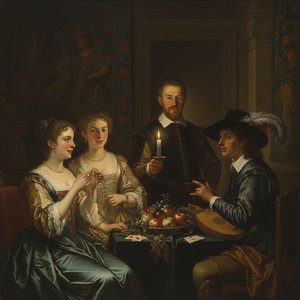
Gerard van Honthorst: Illuminating the Dutch Golden Age with Caravaggism & Courtly Grace
Explore the captivating world of Gerard van Honthorst, a Dutch Golden Age master renowned for his dramatic chiaroscuro & courtly portraits. Discover his life, art, and lasting influence on Baroque painting.
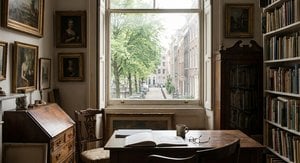
The Interior Gaze: Exploring Representations of Domestic Space in Art History
Explore the fascinating history of domestic interiors in art! From Dutch Masters to Impressionism, discover how artists captured home life & social meaning. Expert analysis and insights at ArtsDot.

Pieter de Hooch: Illuminating Dutch Domestic Life & Golden Age Charm
Explore the captivating world of Pieter de Hooch, a master of Dutch Golden Age painting. Discover his innovative use of light, intimate domestic scenes, and lasting influence on art history. Learn more at ArtsDot.

Dutch Baroque Masters: 10 Paintings That Shaped an Era | ArtsDot
Journey through the Golden Age with our guide to the Top 10 Dutch Baroque masterpieces! Explore iconic paintings by Rembrandt, Vermeer & Frans Hals. Find museum-quality art reproductions and elevate your home decor at ArtsDot.com.

Adriaen Brouwer: Capturing Dutch Life & Social Commentary Through Genre Painting
Explore the captivating world of Adriaen Brouwer, a master of Dutch Golden Age genre painting. Discover his vivid depictions of peasant life, social commentary, and lasting influence on art history. Learn more at ArtsDot.
