
- Pradžia

- Ežero tapybos reprodukcija
- philips de koninck
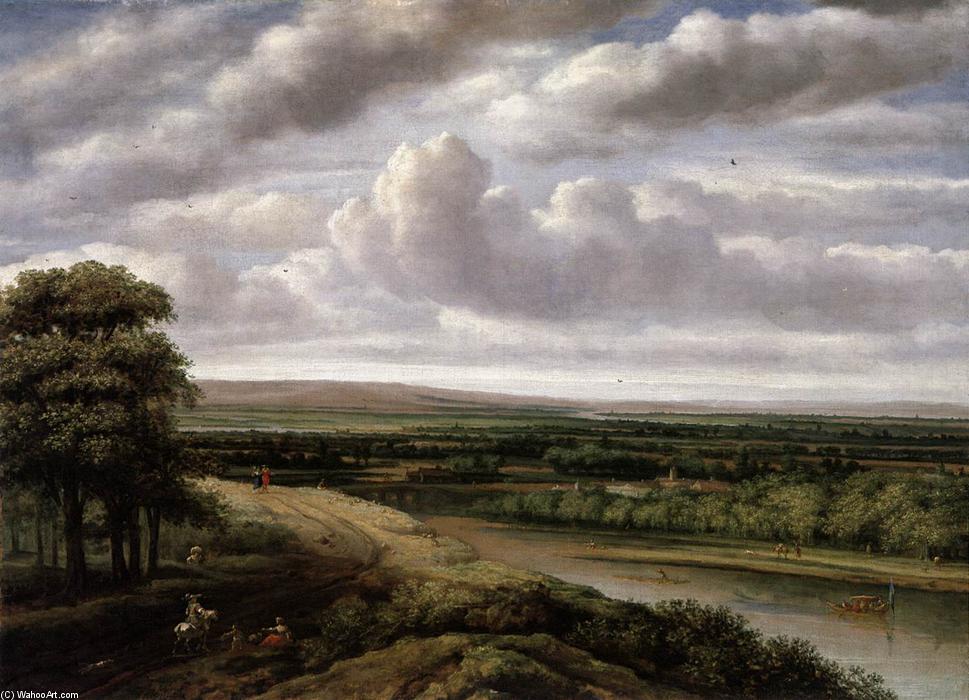
- An Extensive Wooded Landscape
 Pirkti atspaudą Pirkti skaitmeninį paveikslą
 Pasidalinti
 Dalintis
 Details
 Pridėti į mėgstamiausius

 Atsisiųsti
 Panašūs eksponatai
 X-Ray
X-Ray
 Automatinė diorama
An Extensive Wooded Landscape
 Oil On Canvas
- WallArt
- Baroque
 1670
1670 83.0 x 113.0 cm
 Metropolitano muziejus
Rankų darbo aliejinės reprodukcijos
Rankiniu būdu tapytas aliejus ant droblio jūsų pageidaujamame dydį ir rėmuose – mūsų menininkų darbas pagal užsakymą.




P118B $10

P118H $10

P118W $10

P438Z $10

P508JH $12

P508YH $12

P805H $10

P805Z $10

P919BZ $10

P919G $10

P919XJ $10

P959ZH $10

P968JZ $12

W106C $8

W218G $10

W218JH $8

W218Y $10

W307PJ $10

W316G $10

W316PJ $8

W316Y $10

W398PJ $8

W4111J $10

W500HY $15

W500JH $15

W692G $12

W849H $8

W940BG $15

W953PJ $8




 Skaityti daugiau
Pasirinkite iš mūsų nustatytų dydžių, atitinkančių originalaus meno kūrinio proporcijas.

Galite įvesti savo matmenis, kad jie atitiktų konkretų rėmą ar erdvę. Jei pasirinktas dydis neatitinka originalaus paveikslėlio proporcijų, mes arba apkropsime meno kūrinį, arba papildysime tapybą rankomis dažytい elementais. Prieš pradėdami gamybą, jūsų patvirtinimui atsiųsime skaitmeninį maketą.
Atkreipkite dėmesį, kad ekrane rodomas vaizdas neatspindi tikrojo apkarpymo ar papildymo. Tik maketas tiksliai parodys galutinę kompoziciją.
Nors galima rinktis ir individualius dydžius, rekomenduojame pasirinkti matmenis iš nustatytos sąrašo, kad būtų išlaikytos originalios proporcijos.
Gavus užsakymą, ArtsDot.com komanda susisieks su klientu el. paštu dėl instrukcijų ir pateiks maketo pavyzdį.
Pristatymas visame pasaulyje () per 3–4 savaites, o ne įprastai – per 5 savaites. (1 liepa). Kokybė lieka nepakeičiama.

Nemokamas greitasis pristatymas visame pasaulyje

Aukštos kokybės lininis drobė

Pilnas siuntimo draudimas

Muitinės mokesčių grąžinimo garantija

Tikro spalvų atitikimo garantija

60 dienų grąžinimo politika (tik esant gamyklinėms defektams)

100% pinigų grąžinimo garantija

Nuolaida už kelias reprodukcijas
 Stiklo variantas prieinamas tik pasirinkus dydį iki 110 cm

An Extensive Wooded Landscape
Reprodukcijos technika
Reprodukcijos matmenys
-


Galutinė kaina
-
Kūrinio aprašymas
A Panoramic Vision of the Dutch Heartlands
Philips de Koninck’s “An Extensive Wooded Landscape,” painted around 1670, isn't merely a depiction of a scene; it’s an immersion into the soul of the Dutch countryside. This expansive canvas transports us to a realm where rolling hills meet the meandering course of a river, all bathed in the evocative light of a dramatic sky. The painting speaks volumes about the burgeoning appreciation for landscape as a subject worthy of artistic contemplation during the Dutch Golden Age – a shift away from solely historical or religious themes towards celebrating the beauty and tranquility of the natural world.
The composition itself is meticulously crafted, guiding the viewer’s eye through a carefully orchestrated vista. A prominent road, edged by trees on either side, acts as a visual pathway leading into the distance, while the vast expanse of the sky dominates the upper portion of the canvas. This strategic arrangement establishes a sense of depth and scale, inviting us to lose ourselves within the scene. The inclusion of a small boat in the far distance further emphasizes the immensity of the landscape, grounding the viewer in its reality.
Baroque Realism: A Masterclass in Detail
De Koninck’s technique is firmly rooted in Baroque realism, yet tempered with an elegant sensitivity. He demonstrates a remarkable command of chiaroscuro – the dramatic interplay of light and shadow – sculpting forms with subtle gradations of tone. The foliage is rendered with astonishing detail; each leaf, branch, and texture feels palpably real, inviting close inspection. The artist’s brushstrokes are visible yet controlled, contributing to the painting's rich surface quality and a sense of layered complexity.
Beyond mere representation, de Koninck imbues the landscape with an emotional resonance. The muted color palette – dominated by earthy browns, greens, and grays – creates a mood of contemplative serenity, perhaps tinged with a hint of melancholy. The reflections in the river mirror the turbulent sky, blurring the boundaries between earth and heaven and suggesting a connection to something larger than ourselves. The figures on horseback, small and distant, serve not as central subjects but rather as markers of scale, emphasizing the overwhelming power and beauty of nature.
Symbolism and the Dutch Spirit
“An Extensive Wooded Landscape” is more than just a pretty picture; it’s imbued with symbolic meaning. The road represents a journey – both literal and metaphorical – while the vast landscape embodies the ideals of the Dutch Republic: prosperity, freedom, and a deep connection to the land. The emphasis on leisure and the picturesque reflects a shift in artistic priorities during the 1670s and 80s, when artists increasingly focused on capturing the beauty of the domestic interior alongside the grandeur of the outdoors.
The painting’s meticulous detail and harmonious composition speak to the Dutch appreciation for order, precision, and a refined aesthetic. It's a testament to the artist’s skill and his ability to capture not just the appearance but also the spirit of the Dutch countryside – a landscape that has profoundly shaped the nation’s identity.
A Legacy in Reproduction
Today, reproductions of “An Extensive Wooded Landscape” continue to captivate audiences with their timeless beauty and evocative atmosphere. Whether adorning a grand salon or a cozy study, this painting offers a window into the heart of the Dutch Golden Age – a reminder of the enduring power of nature and the artistry of Philips de Koninck.
panašūs kūriniai



Autoriaus biografija
Philips de Koninck: A Panoramic Vision of the Dutch Landscape
Philips de Koninck (1619–1688) stands as a prominent figure within the Dutch Golden Age, celebrated primarily for his expansive landscapes that capture the grandeur and subtlety of the Dutch countryside. Though relatively prolific compared to some contemporaries like Rembrandt or Rubens, his output remains modest—estimated at around 50 paintings—making him a somewhat enigmatic artist whose legacy is intertwined with scholarly debate regarding attribution and artistic lineage. Born in Amsterdam, de Koninck’s life was marked by considerable success as a businessman, residing on Reguliersgracht, where he cultivated an affluent lifestyle. Yet, his artistic endeavors appear to have been pursued largely independently, reflecting a dedication to craft rather than grand patronage projects.- Early Life and Training: Little is known definitively about de Koninck’s formative years. He apprenticed under Jacob Savery, a Flemish landscape painter who championed the Baroque style, absorbing influences from Rubens and Caravaggio—artists whose dramatic compositions and masterful use of light would undoubtedly shape his artistic sensibilities.
- Amsterdam Workshop and Artistic Style: De Koninck established his own workshop in Amsterdam, attracting students and fostering a collaborative environment. His landscapes are characterized by meticulous detail, capturing the textures of bark, foliage, and water with remarkable accuracy. Crucially, he employed atmospheric perspective—a technique pioneered by Rembrandt—to convey depth and realism, simulating the effects of sunlight filtering through trees and creating an illusion of distance.
Panoramic Views and Rembrandt’s Influence
De Koninck's landscapes are instantly recognizable for their monumental scale and breathtaking vistas. Unlike many artists of his time who favored smaller, more intimate scenes, he opted for panoramic compositions that aimed to immerse the viewer in the grandeur of the Dutch landscape—a deliberate choice reflecting the Baroque fascination with spectacle and conveying a sense of sublime beauty. His paintings frequently depict wooded areas bathed in golden light, capturing fleeting moments of atmospheric drama. The influence of Rembrandt is undeniable; his masterful use of chiaroscuro – the interplay between light and shadow – lends his canvases an emotional resonance that transcends mere visual representation. Consider ‘An Extensive Wooded Landscape’ (AQR46N), where the dappled sunlight illuminates the intricate details of the forest floor, mirroring Rembrandt's signature style.- Notable Works: Among his most celebrated paintings are ‘The Seamstress’ (AQR47J) and ‘The Shepherdess,’ both depicting rural figures against dramatic backgrounds. These works exemplify de Koninck’s ability to convey psychological depth alongside visual splendor.
- Attribution Disputes: De Koninck's oeuvre has been subject to considerable controversy regarding attribution. Many paintings attributed to Rembrandt have been conclusively proven to be executed by his nephew, Salomon de Koninck—a disciple who skillfully imitated Rembrandt’s style. This confusion underscores the challenges faced by art historians in establishing authorship and complicates our understanding of artistic innovation during the Golden Age.
Legacy and Historical Significance
Despite the attribution disputes surrounding his work, Philips de Koninck remains a significant contributor to Dutch landscape painting. His paintings are housed in museums across Europe—including the Rijksmuseum Amsterdam and Kunsthistorisches Museum Wien—testamentary to their enduring appeal. De Koninck’s landscapes stand as powerful embodiments of Baroque aesthetics, reflecting the era's preoccupation with grandeur, emotion, and the sublime. He solidified Rembrandt’s legacy by demonstrating how to translate dramatic lighting into a landscape genre, securing his place among the most influential artists of his time.- Further Exploration: For more information on Philips de Koninck's life and art, consult Art UK (

philips de koninck
1619 - 1688
Trumpa informacija
- Artistic Movement Or Style: Dutch Landscape Painting
- Artists Or Movements Influenced By This Artist: Baroque
- Artists Who Influenced This Artist: Rembrandt
- Date Of Death: 1688
- Full Name: Philips de Koninck
- Nationality: Dutch
- Notable Artworks:
- An Extensive Wooded Landscape
- The Seamstress
- Place Of Birth: Amsterdam, Netherlands
Susiję straipsniai

Olandijos Aukso Amžius: 10 Šedevrų, Apibrėžiančių Meną ir Stilių
Atraskite Olandijos Aukso Amži\u017us meninius šedevrus! 10 legendin\u017iŴ paveikslžiai – Rembrandto, Vermeerio ir kt. darbai. Sužnkitę j\u016ungo namus aukso amži\u017us grožiu! Āukrai, interjero dizainas – viskas ArtsDot.com. Ižirkite kolekciją internete!


Philip James de Loutherbourg: Romantic Visions of Maritime Life & the Sublime
Explore the dramatic naval scenes & landscapes of Philip James de Loutherbourg (1740-1812), a key figure in Romantic painting. Discover his legacy, theatrical innovations & iconic works like 'The Battle of the Nile' at ArtsDot.

Oil on Canvas: A Historical & Technical Exploration of a Timeless Artistic Medium
Explore the rich history & enduring techniques of oil painting on canvas. Discover the science behind its longevity, conservation practices, and contemporary relevance. Expert insights for art enthusiasts.

Philip de László: A Portrait of Aristocratic Society & the Cosmopolitan Painter's Evolution
Explore the life & art of Philip de László, master portraitist of European aristocracy. Discover his stunning paintings, royal commissions, and enduring legacy. A guide for discerning collectors.

Aelbert Cuyp: Illuminating the Dutch Golden Age with Light & Landscape
Explore the luminous landscapes of Aelbert Cuyp, a master of the Dutch Golden Age. Discover his unique light, serene riverside scenes & lasting influence on art history. Learn more at ArtsDot.

