
 Oil On Canvas
- WallArt
- Neo-Impressionism
 1919
1919- 19th Century
 46.0 x 55.0 cm

The picture follows your choices: , .
Kolekcinio objekto aprašas
Paul Signac’s "Antibes, thunderstorms" (1919) – a stunning Pointillist coastal scene. Explore this masterpiece of shimmering light & atmospheric perspective.
 Skaityti daugiau
Autoriaus biografija
Paul Signac (1863-1935) – svarbus neoimpresionizmo atstovas ir taškinio tapybos meistras. Atraskite ryškius pajūrio peizažus, uostų vaizdus ir jo įtaką moderniajai dailai!
Rankų darbo aliejinės reprodukcijos
Rankiniu būdu tapytas aliejus ant droblio jūsų pageidaujamame dydį ir rėmuose – tai mūsų menininkų pagal užsakymą sukurtas darbas. ( Perjungti į spausdinamus版作品 Perejti prie skaitmeninių vaizdų)
More about this painting
 Peržiūrėti realaus dydžio版
 Pasidalinti
 Dalintis
 Išsamiau
 Vadovas

 Atsisiųsti
 Panašūs eksponatai
 Rentgeno spindulių nuotrauka
 Automatinė diorama
 Q&A
Q&A Statistika
Order your painting in four simple steps
Take your time. You can change any answer; the price in your order card follows each choice.
1 Step one of four
Which size would you like?
These sizes keep the proportions of the original painting. The drawing shows your choice on a wall, above a two-metre sofa.
Or give your own measurements
Pasirinkite iš mūsų nustatytų dydžių, atitinkančių originalaus meno kūrinio proporcijas.

Įveskite jums reikiamą plotį ir aukštį, kad paveikslas atitiktų jūsų rėmą ar sieną. Kadangi šis darbas yra rankinio darbo, siekiant išgauti kitokios formos dydį, paveikslas gali būti šiek tiek didesnis (nuo kraštų bus palikta daugiau erdvės) arba mažesnis – pasirinkite jums patogiausią variantą. Prieš pradedant tapyti, atsiųsime jums skaitmeninį maketą patvirtinimui. Šioje puslapio nuotraukoje matomas vaizdas nėra galutinis rezultatas – jį parodys tik sukurtas maketas.
2 Step two of four
How should it be prepared: rolled, stretched or framed?
The prices below are for the size you chose in step one.
Choose the edges of the stretched canvas
Choose your frame

White €1

Blurside €1

Extended €1

P118B €10

P118H €10

P118W €10

P438Z €10

P508JH €12

P508YH €12

P805H €10

P805Z €10

P919BZ €10

P919G €10

P919XJ €10

P959ZH €10

P968JZ €12

W106C €8

W218G €10

W218JH €8

W218Y €10

W307PJ €10

W316G €10

W316PJ €8

W316Y €10

W398PJ €8

W4111J €10

W500HY €15

W500JH €15

W692G €12

W849H €8

W940BG €15

W953PJ €8

H24-GOLD €30

H24-SILVER €30

H36-GOLD €45

H36-SILVER €45
Įrėmintas
Moulding: . Overall size with the frame: .
3 Step three of four
Would you like anything changed in the painting?
Most people answer no. Because each painting is made by hand, our artist can also adapt it for you.
After order, ArtsDot.com team will email client for instructions and provide a mockup preview
4 Step four of four
A few finishing options
All of them are optional. The answers already selected cost nothing extra.
Who paints it?
Pristatymas visame pasaulyje () per 3–4 savaites, o ne įprastai – per 5 savaites. (31 spalis). Kokybė lieka nepakeičiama.
A nameplate, as in a museum?
Išgraviruotos bronzinės plokštelės detalės
This elegant plaque features the artist's name and the title of the artwork, finely engraved for a timeless presentation.
It is made from bronze with a refined, elegant finish. The text is precisely laser-engraved for a sharp and permanent result. Measuring 9x2 cm, the plaque is compact yet easy to read. It's built to be durable and scratch-resistant, offering a professional, museum-quality look. Mounting is simple thanks to the included adhesive backing.
Skaidrios akrilo plokštelės informacija
The plaque includes essential engraved details such as the artist's name, the title of the artwork, the date it was created, the type of media used-like oil on canvas or watercolor-a brief description of the piece, and a QR code that links to the complete artwork information.
It is crafted from clear acrylic, offering a sleek, modern appearance. The text is UV-engraved in black to ensure strong visual contrast. With a size of 10x15 cm, it ensures optimal readability. It comes equipped with two metal hooks for secure wall mounting. The plaque is designed to be weather-resistant, making it suitable for various environments, and it includes interactive features that work seamlessly with smartphone scanning.
Juodos akrilo plokštelės informacija
This elegant plaque includes engraved information such as the artist's name, the title of the artwork, the date it was created, the type of media used (like oil on canvas or watercolor), a short description of the artwork, and a QR code for quick access to more information.
The plaque itself is made from refined black acrylic with a premium finish. The text is laser-engraved in white for high contrast and readability. Its size is 10x15 cm, designed to be easy to read. It comes with two metal hooks for professional mounting. The design is sleek and fits any interior style. It is also weather-resistant and durable, with built-in digital integration for mobile compatibility.
A protective varnish?
When do you need it?
✓ Check and order
Your painting, as you ordered it

Antibes, thunderstorms
Reprodukcijos technika
Reprodukcijos matmenys
-

Aukščiausios klasės meistras
Daugiau detalių, meistriškumo ir papildomo gamybos laiko
-

Reprodukcijos rėmėjimo parinktys
-
-
Dėl meno kūrinių ar reprodukcijų, kurių bet kuri pusė yra didesnė nei 105 cm (apie 41 inch), rėmas bus siunčiamas kaip išskaidytas surinkimo rinkinys. Šis metodas užtikrina saugų pristatymą ir apsaugo nuo transportavimo metu galimos žalos.
Reikalingas profesionalus surinkimas – tai nėra „pasidaryk pats“ (DIY) produktas.
Rinkinys turi būti surinktas, o drobė išplėsta naudojant patyrį profesionalų rėmininką, medžio klijus (nėra įtraukti į rinkinį), drobės plėšimo kleslę bei presas, kad rėmo rėžiai išliktų tiesūs, kol klijai išdžiūvus. Netinkamas surinkimas arba netolydus drobės įtampa gali negrįžtamai sugadinti meno kūrinį, todėl šie atvejai nėra užtraukiami mūsų garantijos.
 Dėl meno kūrinių ar reprodukcijų, kurių bet kuri pusė yra didesnė nei 105 cm (apie 41 inch), rėmas bus siunčiamas kaip išskaidytas surinkimo rinkinys. Šis metodas užtikrina saugų pristatymą ir apsaugo nuo transportavimo metu galimos žalos.
Į komplektą įeina visi vientisos medienos elementai, tiksliai išpjauti pagal dydį.
Surmontinama naudojant pridėtus varžtus bei papildomai reikalingą medžio kliją kampų jungtims, kuris nėra pridėtas ir turi būti parinktas rėmininkui.
Reikalingi profesionalūs įrankiai, kurie nėra įtraukti į rinkinį: drobės kėlimo plytelės (stiprintuvai) ir klemiai, laikantys rėmo strygius tiesiu kampu, kol džiūsta lipas.
Svarbu:
Kampų jungtims reikalingi medžio klijai, barams reikia laikyti naudojant presas, kol klijai visiškai išdžiūvės, o surinktam rėmui įtempiamai privilgti būtinos drobės įtempimo plytযুক্ত. Šios priemonės į rinkinį neįtrauktos. Prieš užsakydami šio dydžio rinkinį, rekomenduojame pasimalkoti patyrusiu rėmų meistru.

Pavadinimo lentelė
-
-

Apsauginis lakas
Blizgus lakas (ryškina spalvas, saugo nuo šviesos ir drėgmės)
-

Personalizuoti kūrinį
Ką galima pakeisti (pavyzdžiui): pakeisti veidą klientui skirta nuotrauka; pridėti augintinį (pvz., katę pakeisti šuniu); įtraukti paslėptą žinutę fone; pakeisti fono kraštovaizdį ar elementus.
-

Skubiai
Pristatymas visame pasaulyje () per 3–4 savaites, o ne įprastai – per 5 savaites. (31 spalis). Kokybė lieka nepakeičiama.
-
Skubus pristatymas
Pristatymas visame pasaulyje () per 5 weeks. (7 lapkritis).
Įskaičiuota
Bendroji kaina
€ 233
Stiklo variantas prieinamas tik pasirinkus dydį iki 110 cm
Included with every order
- Nemokamas greitasis pristatymas visame pasaulyje
- Aukštos kokybės lininis drobė
- Pilnas siuntimo draudimas
- Muitinės mokesčių grąžinimo garantija
- Tikro spalvų atitikimo garantija
- 100 dienų grąžinimo politika (tik esant įtaigoms)
- 100% pinigų grąžinimo garantija
- Nuolaida dideliems užsakymams


Antibes, Thunderstorms – A Pointillist Masterpiece by Paul Signac
Paul Signac’s “Antibes, Thunderstorms,” painted in 1919, is more than just a depiction of a coastal scene; it's a meticulously constructed meditation on light, color, and the very nature of perception. This evocative work, measuring 46 x 55 cm, captures the dramatic beauty of Antibes, France, at dusk or dawn – a moment suspended in time where the sea, sky, and architecture converge under a brooding, storm-laden canopy. The painting’s immediate impact lies in its shimmering surface, created through Signac's revolutionary Pointillist technique, a method he pioneered alongside Georges Seurat.
- The Science of Color: Signac’s approach was deeply rooted in scientific principles. He believed that the eye could more effectively blend colors when presented with small dots of pure hue than when painted with broad strokes. This optical mixing is brilliantly demonstrated here, where countless tiny points of color – blues, greens, ochres, and whites – coalesce to create a luminous effect, mimicking the way light itself interacts with the landscape.
- A Harmonious Vision: The composition emphasizes atmospheric perspective, utilizing darker blues and greens in the distance to suggest depth while brighter colors draw the viewer’s eye towards the foreground elements. This careful manipulation of value and saturation creates a sense of spatial recession, characteristic of Pointillism's focus on visual sensation rather than strict realism.
The Birth of Pointillism
“Antibes, Thunderstorms” represents a crucial moment in the development of modern art. Signac’s work emerged from a desire to move beyond the limitations of Impressionism, which often struggled to capture the fleeting effects of light and atmosphere. He sought a more systematic approach, one that could harness the power of color theory to create paintings that were both visually stunning and intellectually rigorous. This pursuit led him and Seurat to develop Pointillism – a technique that would profoundly influence generations of artists.
The painting’s meticulous detail—the individual dots painstakingly applied layer upon layer—reflects Signac's belief in the importance of observation and scientific analysis. It wasn't simply about representing what he saw; it was about understanding *how* he saw it, translating his visual experience into a structured system of color and form.
Symbolism and Emotional Impact
Beyond its technical brilliance, “Antibes, Thunderstorms” possesses a subtle symbolic resonance. The depiction of a coastal scene, coupled with the dramatic presence of impending storms, evokes a sense of both tranquility and unease. The hazy atmosphere, created by Signac’s technique, lends the painting a dreamlike quality, inviting contemplation about the transient nature of beauty and the power of the natural world.
The shimmering light and textured surface create an immersive experience for the viewer, transporting them to the shores of Antibes. The work's emotional impact is one of quiet wonder – a reminder of the profound beauty that can be found in even the most fleeting moments.
Provenance and Significance
Painted in 1919, this artwork stands as a testament to Paul Signac’s enduring legacy. His innovative approach to color and composition continues to inspire artists today, and his work is held in prestigious collections worldwide. This hand-painted reproduction offers an exceptional opportunity to own a piece of art history – a window into the mind of one of modernism's most influential figures.
Klausimai ir atsakymai
Kokia „Antibes, thunderstorms“ – Polis Sinjakas emocinė nuotaika?
„Antibes, thunderstorms“ – Polis Sinjakas perteikia Tranquil emocinę nuotaiką.
Kaip „Antibes, thunderstorms“ subalansuoja šviesą ir tamsą?
„Antibes, thunderstorms“ – Polis Sinjakas užfiksuotas kaip brilliant, pasižymintis Bright Balance šviesos intensyvumu.
Kur galiu rasti statistiką apie „Antibes, thunderstorms“ – Polis Sinjakas?
Eksistuoja Statistika puslapis kūriniui „Antibes, thunderstorms“. Jame pateikiama mėnesio apžiūrų diagrama, apimanti šį kūrinį bei kitus šio kūrybinio veikėjo darbus, su skirstymu pagal šalis ir kalbas.
panašūs kūriniai


Polis Sinjakas
1863 - 1935, Prancūzija
Autoriaus biografija
Harmoninė Paulio Signaco vizija
1863 metais Paryzuje gimęs Paulis Viktoras Jules Signacas tapo lemiama figūra moderniosios dailės evoliucijoje, neatsiejama nuo neoimpresionizmo gimimo ir plėtros. Pradinai trauktas architektūros, jaunystėje sutikęs Claude Moneto parodą, savyje užkindino neblėstančią sureikšmingą meilę tapybai, nukreipdama jį į kelią, kuris vėliau peržengė spalvų teorijos ir meninės išraiškos ribas. Signacas nebuvo tik paprastas paveikslautojas; jis buvo skruplius šviesos, spalvos ir pačios vizualinio suvokimo mokslo tyrinėtojas. Jo ankstyvieji darbai, nors ir rodė impresionistinius polinkius, greitai evoliucionavo po gilaus Georges Seurat poveikio, suformuojant partnerystę, iš kurios gimė taškinė tapyba – technika, pasižyminti itin tikimais, atskirais gryros spalvos tašukais, intended to blend optically in the viewer’as akims. Tai nebuvo tik estetinio siekio; tai buvo bandymas sistemizuoti tapybą, įtvirtinti ją moksliniuose principuose ir iššūkti tradicines meno normas.Dialogas su Seurat ir neoimpresionizmo gimimas
1884 metais susitikimas tarp Signaco ir Seurat atros lėmė transformaciją abiem menininkams. Juos vienijavo fascinacija Eugène Delacroix rašais apie spalvų teoriją, ypač jo tyrimais apie papildomus kontrastus ir spalvos poveikį emocijoms. Kartu jie pradėjo griežtą šių principų tyrimą, paversdami juos revolucione tapybos technika. Signacas visiškai priėmė Seurat viziją, atsisakydamas trumpalaikių impresionistinių traukų dėl tikslaus, apskaičiuoto spalvos taškelių pritaikymo. Boulevard de Clly (1886) stovi kaip ankstyvas šio naujo požiūrio įrodymas, rodantis Signaco kruopštumą ir siekį per mokslinį prizmę įamžinti miesto gyvenimo trapumą ir vibraciją. Tačiau jų bendradarbiavimas nebuvo tik techninis; jis buvo intelektualus, skatintas bendru noru tapybą pakelti į griežtos mokslo lygmenį. Signacas tapo ištikimu Seurat idėjų šalininku, nenuobliaudamas neoimpresionizmo ir gindamas jo principus prieš kritikus. Tragiška 1891 metais Seurat mirtis paliko Signacą kaip pagrindinį jų bendros meninės vizijos gynėją – vaidmenį, kurį jis priėmė su nekliudoma atsidavimu.Pajūrio sapnai ir meninė nepriklausomybė
Po Seurat mirties Signaco meninė kelionė įgavo naują dimensiją, giliai įkvėptą jo meilės burėjimui ir Viduržemio jūros pakrantės žavesio. 1892 metais jis atrado Saint-Tropez, įsikūrė ten, kur atsirado namai, tapę menininkų于 refugium ir nesibaigiančios įkvėpimo šaltiniu. Mirgantys vandens paviršiai, saulės apšauktos uostai ir vaizdingi pakario miesteliai suteikė idealią aplinką tyrinėti šviesos ir spalvos sąveiką. The Red Buoy, Saint-aupez (1895) yra šio laikotarpio pavyzdys, demonruojantis jo taškinės tapybos meistriškumę įamžinant gyvą spalvų gama ir dinamišką jūros energiją. Jo technika evoliucionavo, tapdama skystesne ir išraišmingesne, tačiau išlaikė savo mokslinį pagrindą. Jis pradėjo eksperimentuoti su didesniais traukais ir plačiau naudojama paleta, žengdamas toli už Seurat tikslaus taškavimo metodo ribų. Signaco kelionės išsiplėtė už Prancūzijos ribų, apimdami Italiją, Olandiją ir net Konstantinopolį, kur kiekviena kelionė praturtino jo meninę kalbą ir išplėtė horizontus.Avangardas globėjas ir ilgalaikis palikimas
Be savo asmeninių meninių siekių, Signacas vaidino kritinę vaidmenį skatinant moderniosios dailės plėtrą savo vadovaujant Société des Artistes Indépendants bendrijai. Kaip prezidentas nuo 1908 metų iki mirties 1935 metais, jis gynė meninę laisvę ir suteikė platformą kylančiam talentams, įskaitant Henri Matisse, André Derain ir kitus fauvizmo bei kubizmo pionierius. Jis buvo vienas iš pirmųjų, atpažinęs ir palaikęs jų revoliucinius darbus, rodydamas kontroversiškus paveikslus, kurie iššūkė konvencines estetinės normos. Signaco siekis įtrauktį ir gebėjimas priimti naujoves padėjo suformuoti 20-osios amžiaus meno kryptį. Jo teorinės darbinės knygos, ypač From Eugène Delacroix to Neo-Impressionism (1899), dar tvirtai įtvirtino jo poziciją kaip lygiavertės intelektualinės figūros pasaulyje. Paulio Signaco palikimas išsiekia daug toli už jo užburiančius paveikslus; jis buvo vizionierius, skrupilus teorininkas ir ištikimas globėjas, kuris giliai paveikė moderniosios dailės kelią, palikdamas neištriniamą žymą būsimiesiems menininkų kartoms.Svarbios datos ir pasiekimai
- 1863 m.: Gimė Paryzuje, Prancūzijoje.
- 1884 m.: Kartu su Georges Seurat įkūrė Société des Artistes Indépendants bendriją.
- 1886 m.:
Įamžino paveikslą *Boulevard de Clichy*, esantį kaip vienas svarbiausių ankstyvojo taškinio stiliaus pavyzdžių. - 1895 m.: Sukūrė paveikslą *The Red Buoy, Saint-Tropez*, demonruojantį jo meistriškumą pajūrio vaizduose.
- 1899 m.: Išleido knygą *From Eugène Delacroix to Neo-Impressionism*, esančią esminiu spalvų teorijos veikaliniu.
- 1908 – 1935 m.: Dirbo kaip Société des Artistes Indépendants prezidentas, gindamas avangardinius menininkus.
- 1935 m.: Mirė Paryzuje, pasiekęs 72 metus, palikdamas sau turtingą meninę paveldą.


Susiję straipsniai
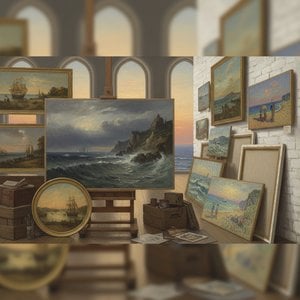
Evoking the Horizon: A Historical & Artistic Exploration of Coastal Scenes in Painting
Explore the rich history of coastal scenes in painting! Discover Impressionist masterpieces, American realism & contemporary visions. Learn about renowned artists and find your perfect seascape at ArtsDot.

Paul Klee: 25 Šedevrai, Įkvėpę Kartas | Tapyba, Dekorai ir Meninis Palikimas
Atraskite 25 Paul Klee šedevrus! Išsami analizė, meno istorija ir įkvėpimas interjerui. Abstraktaus meno kūriniai, ekspresionizmas, spalvų harmonijos. Aukštos kokybės reprodukcijos – ArtsDot.com

Paul Signac: Pointillism, Politics & the Pursuit of Harmony in Modern Art
Explore the life & art of Paul Signac, a key figure in Neo-Impressionism. Discover his Pointillist technique, anarchist beliefs, and stunning coastal scenes. Learn about his influence on modern art history.