


The picture follows your choices: , .
Kolekcinio objekto aprašas
Paul Cézanne's "Untitled (7495)" captures a contemplative moment: a man enjoying a cigarette, surrounded by apples and bathed in warm light. Explore the artist’s bridge between Impressionism & Cubism through this iconic portrait.
 Skaityti daugiau
Autoriaus biografija
Paul Cézanne (1839–1906) – postimpresionistų pradininkas, jungiantis impresionizmą ir kubizmą. Tyrė geometrines formas, stilizuotus peizažus bei paveikslų kompozicijas, sukeldamas revoliuciją moderniajame mene.
Rankų darbo aliejinės reprodukcijos
Rankiniu būdu tapytas aliejus ant droblio jūsų pageidaujamame dydį ir rėmuose – tai mūsų menininkų pagal užsakymą sukurtas darbas. ( Perjungti į spausdinamus版作品 Perejti prie skaitmeninių vaizdų)
More about this painting
 Peržiūrėti realaus dydžio版
 Pasidalinti
 Dalintis
 Išsamiau
 Vadovas

 Atsisiųsti
 Panašūs eksponatai
 Rentgeno spindulių nuotrauka
 Automatinė diorama
 Q&A
Q&A Statistika
Order your painting in four simple steps
Take your time. You can change any answer; the price in your order card follows each choice.
1 Step one of four
Which size would you like?
These sizes keep the proportions of the original painting. The drawing shows your choice on a wall, above a two-metre sofa.
Or give your own measurements
Pasirinkite iš mūsų nustatytų dydžių, atitinkančių originalaus meno kūrinio proporcijas.

Įveskite jums reikiamą plotį ir aukštį, kad paveikslas atitiktų jūsų rėmą ar sieną. Kadangi šis darbas yra rankinio darbo, siekiant išgauti kitokios formos dydį, paveikslas gali būti šiek tiek didesnis (nuo kraštų bus palikta daugiau erdvės) arba mažesnis – pasirinkite jums patogiausią variantą. Prieš pradedant tapyti, atsiųsime jums skaitmeninį maketą patvirtinimui. Šioje puslapio nuotraukoje matomas vaizdas nėra galutinis rezultatas – jį parodys tik sukurtas maketas.
2 Step two of four
How should it be prepared: rolled, stretched or framed?
The prices below are for the size you chose in step one.
Choose the edges of the stretched canvas
Choose your frame

White €1

Blurside €1

Extended €1

P118B €10

P118H €10

P118W €10

P438Z €10

P508JH €12

P508YH €12

P805H €10

P805Z €10

P919BZ €10

P919G €10

P919XJ €10

P959ZH €10

P968JZ €12

W106C €8

W218G €10

W218JH €8

W218Y €10

W307PJ €10

W316G €10

W316PJ €8

W316Y €10

W398PJ €8

W4111J €10

W500HY €15

W500JH €15

W692G €12

W849H €8

W940BG €15

W953PJ €8

H24-GOLD €30

H24-SILVER €30

H36-GOLD €45

H36-SILVER €45
Įrėmintas
Moulding: . Overall size with the frame: .
3 Step three of four
Would you like anything changed in the painting?
Most people answer no. Because each painting is made by hand, our artist can also adapt it for you.
After order, ArtsDot.com team will email client for instructions and provide a mockup preview
4 Step four of four
A few finishing options
All of them are optional. The answers already selected cost nothing extra.
Who paints it?
Pristatymas visame pasaulyje () per 3–4 savaites, o ne įprastai – per 5 savaites. (2 lapkritis). Kokybė lieka nepakeičiama.
A nameplate, as in a museum?
Išgraviruotos bronzinės plokštelės detalės
This elegant plaque features the artist's name and the title of the artwork, finely engraved for a timeless presentation.
It is made from bronze with a refined, elegant finish. The text is precisely laser-engraved for a sharp and permanent result. Measuring 9x2 cm, the plaque is compact yet easy to read. It's built to be durable and scratch-resistant, offering a professional, museum-quality look. Mounting is simple thanks to the included adhesive backing.
Skaidrios akrilo plokštelės informacija
The plaque includes essential engraved details such as the artist's name, the title of the artwork, the date it was created, the type of media used-like oil on canvas or watercolor-a brief description of the piece, and a QR code that links to the complete artwork information.
It is crafted from clear acrylic, offering a sleek, modern appearance. The text is UV-engraved in black to ensure strong visual contrast. With a size of 10x15 cm, it ensures optimal readability. It comes equipped with two metal hooks for secure wall mounting. The plaque is designed to be weather-resistant, making it suitable for various environments, and it includes interactive features that work seamlessly with smartphone scanning.
Juodos akrilo plokštelės informacija
This elegant plaque includes engraved information such as the artist's name, the title of the artwork, the date it was created, the type of media used (like oil on canvas or watercolor), a short description of the artwork, and a QR code for quick access to more information.
The plaque itself is made from refined black acrylic with a premium finish. The text is laser-engraved in white for high contrast and readability. Its size is 10x15 cm, designed to be easy to read. It comes with two metal hooks for professional mounting. The design is sleek and fits any interior style. It is also weather-resistant and durable, with built-in digital integration for mobile compatibility.
A protective varnish?
When do you need it?
✓ Check and order
Your painting, as you ordered it

untitled (7495)
Reprodukcijos technika
Reprodukcijos matmenys
-

Aukščiausios klasės meistras
Daugiau detalių, meistriškumo ir papildomo gamybos laiko
-

Reprodukcijos rėmėjimo parinktys
-
-
Dėl meno kūrinių ar reprodukcijų, kurių bet kuri pusė yra didesnė nei 105 cm (apie 41 inch), rėmas bus siunčiamas kaip išskaidytas surinkimo rinkinys. Šis metodas užtikrina saugų pristatymą ir apsaugo nuo transportavimo metu galimos žalos.
Reikalingas profesionalus surinkimas – tai nėra „pasidaryk pats“ (DIY) produktas.
Rinkinys turi būti surinktas, o drobė išplėsta naudojant patyrį profesionalų rėmininką, medžio klijus (nėra įtraukti į rinkinį), drobės plėšimo kleslę bei presas, kad rėmo rėžiai išliktų tiesūs, kol klijai išdžiūvus. Netinkamas surinkimas arba netolydus drobės įtampa gali negrįžtamai sugadinti meno kūrinį, todėl šie atvejai nėra užtraukiami mūsų garantijos.
 Dėl meno kūrinių ar reprodukcijų, kurių bet kuri pusė yra didesnė nei 105 cm (apie 41 inch), rėmas bus siunčiamas kaip išskaidytas surinkimo rinkinys. Šis metodas užtikrina saugų pristatymą ir apsaugo nuo transportavimo metu galimos žalos.
Į komplektą įeina visi vientisos medienos elementai, tiksliai išpjauti pagal dydį.
Surmontinama naudojant pridėtus varžtus bei papildomai reikalingą medžio kliją kampų jungtims, kuris nėra pridėtas ir turi būti parinktas rėmininkui.
Reikalingi profesionalūs įrankiai, kurie nėra įtraukti į rinkinį: drobės kėlimo plytelės (stiprintuvai) ir klemiai, laikantys rėmo strygius tiesiu kampu, kol džiūsta lipas.
Svarbu:
Kampų jungtims reikalingi medžio klijai, barams reikia laikyti naudojant presas, kol klijai visiškai išdžiūvės, o surinktam rėmui įtempiamai privilgti būtinos drobės įtempimo plytযুক্ত. Šios priemonės į rinkinį neįtrauktos. Prieš užsakydami šio dydžio rinkinį, rekomenduojame pasimalkoti patyrusiu rėmų meistru.

Pavadinimo lentelė
-
-

Apsauginis lakas
Blizgus lakas (ryškina spalvas, saugo nuo šviesos ir drėgmės)
-

Personalizuoti kūrinį
Ką galima pakeisti (pavyzdžiui): pakeisti veidą klientui skirta nuotrauka; pridėti augintinį (pvz., katę pakeisti šuniu); įtraukti paslėptą žinutę fone; pakeisti fono kraštovaizdį ar elementus.
-

Skubiai
Pristatymas visame pasaulyje () per 3–4 savaites, o ne įprastai – per 5 savaites. (2 lapkritis). Kokybė lieka nepakeičiama.
-
Skubus pristatymas
Pristatymas visame pasaulyje () per 5 weeks. (9 lapkritis).
Įskaičiuota
Bendroji kaina
€ 234
Stiklo variantas prieinamas tik pasirinkus dydį iki 110 cm
Included with every order
- Nemokamas greitasis pristatymas visame pasaulyje
- Aukštos kokybės lininis drobė
- Pilnas siuntimo draudimas
- Muitinės mokesčių grąžinimo garantija
- Tikro spalvų atitikimo garantija
- 100 dienų grąžinimo politika (tik esant įtaigoms)
- 100% pinigų grąžinimo garantija
- Nuolaida dideliems užsakymams


A Moment of Quiet Contemplation: Paul Cézanne’s “Untitled (7495)”
Paul Cézanne's "Untitled (7495)," a remarkably intimate portrait, offers a glimpse into the artist’s evolving approach to capturing not just likeness but also essence. Painted around 1890-1896, during a pivotal period in his artistic development, this work transcends simple representation and delves into the realm of psychological observation and formal exploration. It's a painting that invites prolonged viewing, revealing layers of subtle detail and a profound sense of quietude – a hallmark of Cézanne’s later style.
The subject is a man seated at a table, his posture suggesting both relaxation and thoughtful introspection. He wears a simple hat, its brim casting a gentle shadow across his face, partially obscuring his features yet simultaneously emphasizing the lines etched by experience. The most striking element is undoubtedly his resting head – a gesture of vulnerability and repose that immediately draws the viewer in. A cigarette smolders between his fingers, a small emblem of leisure and perhaps even melancholy, hinting at a contemplative state. Scattered around the table are several apples—a recurring motif in Cézanne’s still lifes, representing not just fruit but also ideas, forms, and the very essence of nature. The bottle adds to the scene's domesticity, grounding the portrait within a familiar, everyday setting.
The Language of Form: Cézanne’s Revolutionary Technique
Cézanne was relentlessly dedicated to understanding the underlying structure of objects – a pursuit that fundamentally altered the course of modern art. In “Untitled (7495),” this is evident in his deliberate manipulation of perspective and form. He doesn't aim for photographic realism; instead, he breaks down the subject into its fundamental geometric components—planes, cylinders, and cones—and reconstructs them on the canvas with a careful attention to color and light. Notice how the table itself isn’t rendered as a single, unified surface but rather as a collection of overlapping planes, each imbued with subtle variations in tone and hue. This technique, anticipating Cubism, dismantles traditional illusionistic space, presenting a more intellectual and analytical approach to representation.
The brushstrokes are loose and expressive, yet meticulously controlled. Cézanne employed a broken color technique—applying small, distinct strokes of pure pigment rather than blending them together—to create a vibrant, textured surface. The apple’s crimson glow is achieved through this method, radiating warmth and vitality against the muted tones of the background. The bird perched in the upper left corner adds an element of unexpected grace and perhaps even a touch of wistful observation to the scene.
Symbolism and Emotional Resonance
While Cézanne rarely offered explicit explanations for his work, art historians have identified several symbolic layers within “Untitled (7495).” The apple, as mentioned earlier, represents not just nourishment but also temptation, knowledge, and the fleeting nature of beauty. The cigarette can be interpreted as a symbol of contemplation, solitude, or even a quiet rebellion against societal expectations. The clock hanging on the wall subtly introduces an element of time—a reminder of mortality and the passage of life.
More profoundly, the painting evokes a sense of introspection and melancholy. The man’s posture suggests a moment of private reflection, a pause in the relentless flow of daily life. The overall atmosphere is one of quiet dignity and understated emotion – a testament to Cézanne's ability to capture the essence of human experience through his masterful manipulation of form and color. It’s a portrait that speaks not just *of* a man, but *to* the viewer, inviting us to contemplate our own place within the larger tapestry of existence.
A Legacy of Innovation
Paul Cézanne's influence on 20th-century art is immeasurable. He paved the way for Cubism and other avant-garde movements by challenging traditional notions of representation and emphasizing the formal qualities of art. His exploration of color, form, and perspective continues to inspire artists today. Reproductions of works like “Untitled (7495)” offer a tangible connection to this revolutionary artist and his enduring legacy – a reminder that true beauty lies not just in imitation but in the courageous pursuit of artistic innovation.
Klausimai ir atsakymai
Ar „untitled (7495)“ yra būdingas tam, ką Polis Sezanas paprastai kūrė?
„untitled (7495)“ vaizduoja man, hat, apple, cigarette, table, bird, clock, leisure, o įrašytos Polis Sezanas temos yra impressionism, geometric forms, provincial life, leisurely moments, formal structure, spatial depth, bridge impressionism, cubism. Šių dviejų lyginimas parodo, kaip šis kūrinys susijęs su įprastais šio kūrybinio veiksmo objektais.
Koks yra rekomenduojamas „untitled (7495)“ spausdinimo formatas – koks dydis ir orientacija?
Dėl „untitled (7495)“ rekomenduojamas spausdinimo nustatymas yra Large dydžio ir Portrait orientacijos.
Kaip atsisiųsti „untitled (7495)“ – Polis Sezanas vaizdą?
Kūrinį „untitled (7495)“ galima atsisiųsti: jo Atsisiųsti skaitmeninį vaizdą puslapyje siūloma aukštos raiškos skaitmeninio vaizdo atsisiuntimas.
panašūs kūriniai


Polis Sezanas
1839 - 1906, Prancūzija
Autoriaus biografija
Paul Cézanne: Modernumo Tėvo Vizija
Paulis Sezanas, gimęs 1839 m. sausio 19 d. Ekse, Prancūzijoje, stovi kaip monumentalus veikėjas, jungiantis trumpalaikius įspūdžius, būdingus impresionizmui, ir fragmentuotas formas, kurias atstovauja kubizmas. Jo kelionė nebuvo greita sėkmės istorija; tai buvo lėtas meninės ekspresijos procesas, pažymėtas savęs abejonėmis ir kritikos atmetimu, galiausiai sukūręs palikimą, kuris nepataisomai pakeitė moderniosios dailės eigą. Gime pasiturtingą šeimą – jo tėvas pirmiausia buvo skrybėčių pardavėjas, vėliau bankininkas – Sezanas mėgavosi finansiniu saugumu, neįprastu siekiantiems menininkams, suteikdamas jam laisvę skirti save savo aistrai be tiesioginio komercinės sėkmės spaudimo. Nors jo tėvas pirmiausia norėjo, kad jis pasirinktų teisines karjeros kelią, meno ekspresijos jėga buvo per stipri, ir jis galiausiai atsisakė teisės studijų, kad imtųsi tapymo – sprendimas, kuris apibrėš jo gyvenimą. Ankstyvosios įtakos apėmė romantizmą, vyravusį jo jaunystėje, ir Barbizono mokyklos dedikaciją peizažui, tačiau būtent susidūrus su tokiais menininkais kaip Paulis Gogenas ir Džordžas Seuratas, ir jų inovatyviomis spalvų ir formų priemonėmis, Sezanas pradėjo formuoti savo atskirą kelią.Nuo Tamsos Link Struktūros: Stiliaus Evoliucija
Sezano ankstyvieji darbai dažnai atspindėdavo dramatiškas, emocingas temas, būdingas romantizmo tapybai – tamsios paletės ir ekspresyvūs tepteliai dominuodavo jo drobėse. Tačiau ši pradinė fazė buvo tik žingsnis į daug analitiškesnį ir inovatyvesnį požiūrį. Nesitenkinęs tiesiog užfiksavus šviesos trumpalaikius įspūdžius, kaip tai vertino impresionistai, Sezanas išvyko ieškoti pagrindinės objektų struktūros supratimo ir atvaizdo. Jis siekė ne tik to, *ką* mato, bet ir *kaip* suvokia fundamentalias formas, sudarančias realybę. Tai jį paskatino suskaldyti natūralius pavidalus į jų geometrines ekvivalentus – kūrius, cilindrus, sferas – numatydamas kubistų revoliuciją dešimtmečius iki jos atsiradimo. Jo technika pasižymėjo mažais, kartotiniais tepteliais, kruopščiai sluoksniais sudedant sudėtingas spalvų ir tekstūrų erdves, sukuriant tvirtumo ir gylio pojūtį, anksčiau nematytą tapyboje. Jis nebuvo įsitikinęs dėl iliuzinio erdvės; vietoj to jis dažnai pateikė objektus iš kelių perspektyvų vienu metu, mėsdamas tradicinius perspektyvos principus ir priverčiant žiūrovą aktyviai bendradarbiauti su jo kompozicijų konstruktu. Šis sąmoningas iškraipymas nebuvo atsitiktinis, bet bandymas perteikti visapusiškesnį formos supratimą, atspindėti ne vien tik tam tikrą momentą laike, bet ir suvokimo sintezę.Peizažai, Natūrmortai ir Žmogaus Forma: Pagrindiniai Darbai ir Kartojantis Motyvas
Sezano kūriniai yra nepaprastai įvairūs, apimantys peizažus, natūrmortus, portretus ir maudynių scenas, tačiau visus juos suvienija jo unikalus požiūris į formą ir spalvą. Tvenkinys Jas de Bouffan, nutapytas 1880 m., pavyzdu rodo jo peizažo darbą, parodydamas jo gebėjimą užfiksuoti gamtos esmę atidžiai suderinus formas ir tonus. Portretas Émile Zola, sukurtas 1866 m., parodo jo besivystantį stilių ir suteikia įtikinamą žvilgsnį į jo artimo draugo ir bendražygio rašytojo intelektinį intensyvumą. Jo natūrmortai, pavyzdžiui, tie, kuriuose yra obuolių ir kitų vaisių, nėra tik objektų atvaizdai, bet ir tūrio, šviesos ir erdvių santykių tyrimai. Mont Sainte-Victoire serija tapo Sezano obsesija – kartojantis motyvas, kuris leido jam nuolat tyrinėti formą ir perspektyvą per dešimtmečius. Šie paveikslai nėra tik kalno atvaizdai; tai tyrimai apie tai, kaip mes suvokiamo gylį, tūrį bei šviesos ir šešėlio sąveiką. Galiausiai, jo Maudytojų serija, kuriame vaizduojami nuogi figūros idiliškuose peizažuose, atspindi gilų žmogaus formos tyrimą ir jos ryšį su gamta, dažnai įkvėptą amžinybės ir tylios kontempliacijos.Palikimas, Sukurtas Inovacijomis: Sezano Įtaka Moderniajame Mente
Paulio Sezano poveikis paskesnėms menininkų kartoms yra neįvertinamas. Jis plačiai laikomas „modernaus meno tėvu“ dėl jo novatoriškų indėlių į paveikslinę kalbą, atidaręs kelią daugeliui pagrindinių XX amžiaus meninių judėjimo tendencijų. Pablo Pikaso ir Džordžas Brakas buvo giliai įsipareigoję Sezano geometrinių formų ir daugybės perspektyvų pabrėžimui, kurie tapo centriniais kubizmo principais. Jo drąsus spalvų vartojimas taip pat įkvėpė Fauvistų judėjimą, kuriam vadovavo tokie menininkai kaip Henri Matisas, kurie priėmė ryškias, ne natūralias spalvas. Net surrealistų menininkai rado atgarsį Sezano tyrimuose subjektyvaus suvokimo ir psichologinės gylio srityse. Be konkrečių judėjimo tendencijų, Sezano įsitikinimas menininko asmeniniu viziju ir jo atmetimas tradicinių akademinių apribojimų išlaisvino daugybę tapytojų tyrinėti naujas ekspresijos formas. Jis paragino peržiūrėti pačią reprezentacijos apibrėžimą, perkeldamas dėmesį nuo realybės imituojamosios imitacijos iki vizualinės patirties konstrukcijos, pagrįstos pogrindine struktūra ir subjektyviu suvokimu. Jo mirtis 1906 metais pažymėjo ne pabaigą, bet pradžią – naujos epochos aušrą meno istorijoje, kurią giliai paveikė jo revoliucinis vizijas.


Susiję straipsniai
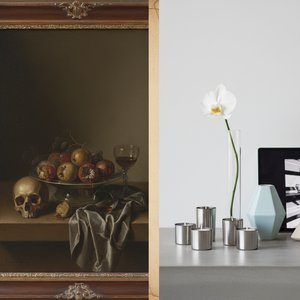
The Enduring Appeal of Still Life: A Historical & Contemporary Exploration
Explore the rich history & symbolism of still life painting with ArtsDot. Discover masterpieces from the Dutch Golden Age, learn about vanitas art, and find expert guidance for collecting timeless artworks.

Paul Cézanne: 25 Šedevrai, Keičiantys Meno Pasaulį | ArtsDot.lt
Atraskite 25 Paul Cézanno šedevrus! Išsami analizė, istorijos ir įkvėpimas interjero dekorui. Modernus menas, impresionizmas, natiurmortai – viskas ArtsDot.com. Explore the full collection online!

Silent Narratives: Exploring the Enduring Appeal of Still Life Painting Across Centuries
Explore the rich history of still life painting with ArtsDot. Discover Dutch Masters, decode vanitas symbolism & learn about collecting timeless art. Expert insights and museum-quality reproductions.