


Vaizdas atitinka jūsų pasirinkimus: , .
Kolekcinio objekto aprašas
A stunning botanical illustration by Pancrace Bessa from 1835, depicting a vibrant poppy flower. This exquisite stipple engraving showcases Bessa's mastery of detail and color, capturing the beauty of nature.
 Skaityti daugiau
Autoriaus biografija
Discover Pancrace Bessa (1772-1846), a French master of botanical art! Explore his exquisite flower & fruit illustrations, stipple engraving, and legacy in 19th-century natural history painting.
Rankų darbo aliejinės reprodukcijos
Rankiniu būdu tapytas aliejus ant droblio jūsų pageidaujamame dydį ir rėmuose – tai mūsų menininkų pagal užsakymą sukurtas darbas. ( Perjungti į spausdinamus版作品 Perejti prie skaitmeninių vaizdų)
Daugiau informacijos apie šį paveikslą
 Peržiūrėti realaus dydžio版
 Pasidalinti
 Dalintis
 Išsamiau
 Vadovas

 Atsisiųsti
 Panašūs eksponatai
 Rentgeno spindulių nuotrauka
 Automatinė diorama
 问答
问答 Statistika
Užsisakykite savo paveislinį keturiuose paprastuose žingsniuose
Neskubėkite. Galite pakeisti bet kurį atsakymą; kaina jūsų užsakymo kortelėje keičiasi po kiekvieno pasirinkimo.
1 Pirmas iš keturių žymių
Kokio dydžio norėtumėte?
Šie dydžiai išlaiko originalaus paveikslėlio proporcijas. Piešinyje matomas jūsų pasirinkimas ant sienos, virš dvimetrinio sofos.
Arba nurodykite savo matmenis
Pasirinkite iš mūsų nustatytų dydžių, atitinkančių originalaus meno kūrinio proporcijas.

Įveskite jums reikiamą plotį ir aukštį, kad paveikslas atitiktų jūsų rėmą ar sieną. Kadangi šis darbas yra rankinio darbo, siekiant išgauti kitokios formos dydį, paveikslas gali būti šiek tiek didesnis (nuo kraštų bus palikta daugiau erdvės) arba mažesnis – pasirinkite jums patogiausią variantą. Prieš pradedant tapyti, atsiųsime jums skaitmeninį maketą patvirtinimui. Šioje puslapio nuotraukoje matomas vaizdas nėra galutinis rezultatas – jį parodys tik sukurtas maketas.
2 Antras iš keturių žingsnių
Kaip turėtų būti paruoštas: surolluotas, įtemptas ar įdėtas į rėmą?
Žemiau pateiktos kainos galioja pasirinktam pirmame žingsnyje dydžiui.
Pasirinkite ištempto drobės kraštus
Pasirinkite rėmelį

Baltas apasutojimas €1

Išblėstantis šonas €1

Išplėstinis €1

P118B €10

P118H €10

P118W €10

P438Z €10

P508JH €12

P508YH €12

P805H €10

P805Z €10

P919BZ €10

P919G €10

P919XJ €10

P959ZH €10

P968JZ €12

W106C €8

W218G €10

W218JH €8

W218Y €10

W307PJ €10

W316G €10

W316PJ €8

W316Y €10

W398PJ €8

W4111J €10

W500HY €15

W500JH €15

W692G €12

W849H €8

W940BG €15

W953PJ €8

H24-GOLD €30

H24-SILVER €30

H36-GOLD €45

H36-SILVER €45
Įrėmintas
Rėmo apvadas: . Bendras dydis su rėmu: .
3 Trečias iš keturių žingsnių
Ar norėtumėte paveisale kažką pakeisti?
Dauguma žmonių atsako ne. Kadangi kiekvienas paveikslas yra sukuriamas rankomis, mūsų suregistis taip pat gali jį pritaikyti jums.
Gavus užsakymą, ArtsDot.com komanda susisieks su klientu el. paštu dėl nurodymų ir pateiks preliminarią maketą.
4 Ketvirtas iš keturių žymių
Keletas apdailos variantų
Visi jie yra neprivalomi. Jau pasirinkti atsakymai nieko papildomo nekainuoja.
Kas tai piešia?
Pristatymas visame pasaulyje () per 3–4 savaites, o ne įprastai – per 5 savaites. (6 lapkritis). Kokybė lieka nepakeičiama.
Pavadinimo plokštelė, kaip muziejuje?
Išgraviruotos bronzinės plokštelės detalės
This elegant plaque features the artist's name and the title of the artwork, finely engraved for a timeless presentation.
It is made from bronze with a refined, elegant finish. The text is precisely laser-engraved for a sharp and permanent result. Measuring 9x2 cm, the plaque is compact yet easy to read. It's built to be durable and scratch-resistant, offering a professional, museum-quality look. Mounting is simple thanks to the included adhesive backing.
Skaidrios akrilo plokštelės informacija
The plaque includes essential engraved details such as the artist's name, the title of the artwork, the date it was created, the type of media used-like oil on canvas or watercolor-a brief description of the piece, and a QR code that links to the complete artwork information.
It is crafted from clear acrylic, offering a sleek, modern appearance. The text is UV-engraved in black to ensure strong visual contrast. With a size of 10x15 cm, it ensures optimal readability. It comes equipped with two metal hooks for secure wall mounting. The plaque is designed to be weather-resistant, making it suitable for various environments, and it includes interactive features that work seamlessly with smartphone scanning.
Juodos akrilo plokštelės informacija
This elegant plaque includes engraved information such as the artist's name, the title of the artwork, the date it was created, the type of media used (like oil on canvas or watercolor), a short description of the artwork, and a QR code for quick access to more information.
The plaque itself is made from refined black acrylic with a premium finish. The text is laser-engraved in white for high contrast and readability. Its size is 10x15 cm, designed to be easy to read. It comes with two metal hooks for professional mounting. The design is sleek and fits any interior style. It is also weather-resistant and durable, with built-in digital integration for mobile compatibility.
Apsauginis lakas?
Kada jums reikia?
✓ Patikrinti ir užsakyti
Jūsų paveikslas, tiksliai taip, kaip užsakėte

Untitled
Reprodukcijos technika
Reprodukcijos matmenys
-

Aukščiausios klasės meistras
Daugiau detalių, meistriškumo ir papildomo gamybos laiko
-

Reprodukcijos rėmėjimo parinktys
-
-
Dėl meno kūrinių ar reprodukcijų, kurių bet kuri pusė yra didesnė nei 105 cm (apie 41 inch), rėmas bus siunčiamas kaip išskaidytas surinkimo rinkinys. Šis metodas užtikrina saugų pristatymą ir apsaugo nuo transportavimo metu galimos žalos.
Reikalingas profesionalus surinkimas – tai nėra „pasidaryk pats“ (DIY) produktas.
Rinkinys turi būti surinktas, o drobė išplėsta naudojant patyrį profesionalų rėmininką, medžio klijus (nėra įtraukti į rinkinį), drobės plėšimo kleslę bei presas, kad rėmo rėžiai išliktų tiesūs, kol klijai išdžiūvus. Netinkamas surinkimas arba netolydus drobės įtampa gali negrįžtamai sugadinti meno kūrinį, todėl šie atvejai nėra užtraukiami mūsų garantijos.
 Dėl meno kūrinių ar reprodukcijų, kurių bet kuri pusė yra didesnė nei 105 cm (apie 41 inch), rėmas bus siunčiamas kaip išskaidytas surinkimo rinkinys. Šis metodas užtikrina saugų pristatymą ir apsaugo nuo transportavimo metu galimos žalos.
Į komplektą įeina visi vientisos medienos elementai, tiksliai išpjauti pagal dydį.
Surmontinama naudojant pridėtus varžtus bei papildomai reikalingą medžio kliją kampų jungtims, kuris nėra pridėtas ir turi būti parinktas rėmininkui.
Reikalingi profesionalūs įrankiai, kurie nėra įtraukti į rinkinį: drobės kėlimo plytelės (stiprintuvai) ir klemiai, laikantys rėmo strygius tiesiu kampu, kol džiūsta lipas.
Svarbu:
Kampų jungtims reikalingi medžio klijai, barams reikia laikyti naudojant presas, kol klijai visiškai išdžiūvės, o surinktam rėmui įtempiamai privilgti būtinos drobės įtempimo plytযুক্ত. Šios priemonės į rinkinį neįtrauktos. Prieš užsakydami šio dydžio rinkinį, rekomenduojame pasimalkoti patyrusiu rėmų meistru.

Pavadinimo lentelė
-
-

Apsauginis lakas
Blizgus lakas (ryškina spalvas, saugo nuo šviesos ir drėgmės)
-

Personalizuoti kūrinį
Ką galima pakeisti (pavyzdžiui): pakeisti veidą klientui skirta nuotrauka; pridėti augintinį (pvz., katę pakeisti šuniu); įtraukti paslėptą žinutę fone; pakeisti fono kraštovaizdį ar elementus.
-

Skubiai
Pristatymas visame pasaulyje () per 3–4 savaites, o ne įprastai – per 5 savaites. (6 lapkritis). Kokybė lieka nepakeičiama.
-
Skubus pristatymas
Pristatymas visame pasaulyje () per 5 weeks. (13 lapkritis).
Įskaičiuota
Bendroji kaina
€ 235
Stiklo variantas prieinamas tik pasirinkus dydį iki 110 cm
Pridedama prie kiekvieno užsakymo
- Nemokamas greitasis pristatymas visame pasaulyje
- Aukštos kokybės lininis drobė
- Pilnas siuntimo draudimas
- Muitinės mokesčių grąžinimo garantija
- Tikro spalvų atitikimo garantija
- 100 dienų grąžinimo politika (tik esant įtaigoms)
- 100% pinigų grąžinimo garantija
- Nuolaida dideliems užsakymams


Pancrace Bessa’s “Untitled”: A Window into 1835 Paris
Pancrace Bessa's "Untitled," painted in 1835, isn’t merely a depiction of a poppy; it’s a carefully constructed tableau brimming with quiet observation and the burgeoning spirit of Romanticism. Born in Paris amidst the artistic ferment of the early 19th century, Bessa was a master of botanical illustration, trained initially by the exacting Gerard van Spaendonck – a lineage that instilled within him an unparalleled dedication to detail and a profound understanding of color and texture. This piece, though lacking a formal title, speaks volumes about his skill and artistic sensibility. The composition is deceptively simple: a vibrant red poppy dominates the foreground, its petals rendered with astonishing realism, each vein and delicate curve meticulously captured. Yet, it’s not simply a botanical study; the inclusion of two smaller, less defined flowers in the background, alongside three figures – their identities deliberately obscured – introduces an element of narrative ambiguity, inviting the viewer to contemplate the scene's deeper meaning.
- Technique: Bessa’s mastery lies primarily in his use of stipple engraving, a technique perfected during this era. This method, demanding immense patience and control, allowed him to build up layers of tone and color through tiny dots, creating an incredibly rich and textured surface. The effect is remarkably tactile; one can almost feel the velvety softness of the petals and the delicate weight of the leaves.
- Color Palette: The painting’s palette is dominated by a striking contrast between the fiery red of the poppy and the verdant greens of its foliage. These colors aren't merely descriptive; they evoke a sense of vitality, passion, and perhaps even a hint of melancholy – a common theme in Romantic art.
- Historical Context: Bessa’s work reflects the broader artistic trends of his time. The Romantic movement, which emphasized emotion, individualism, and the beauty of nature, was gaining momentum in Europe. Botanical illustration, often considered a ‘minor’ genre, provided a crucial avenue for artists to engage with the natural world and explore its inherent symbolism.
The Language of Flowers: Symbolism Within the Scene
Beyond its technical brilliance, “Untitled” is rich in symbolic meaning. The poppy itself carries a complex history of associations – representing sleep, death, remembrance, and even beauty. Its prominence in the composition immediately draws our attention, suggesting a central theme or message. The presence of the three figures adds another layer of interpretation. They are not portraits; their anonymity encourages speculation about their roles within the scene. Are they observers? Participants? Perhaps they represent the fleeting nature of human experience against the backdrop of enduring natural beauty? The subtle positioning of these figures – one on the left, two towards the bottom – creates a sense of depth and invites us to consider our own relationship with the subject matter.
Note: It’s important to remember that symbolism is often culturally specific. While poppies generally represent remembrance, other interpretations may apply depending on the viewer's background and perspective.Bessa’s Legacy and the Reproduction Process
Pancrace Bessa enjoyed considerable success during his lifetime, exhibiting regularly at the prestigious Paris Salon. His meticulous botanical illustrations were highly sought after by royalty and collectors alike. Today, his work is recognized for its exceptional detail, technical skill, and evocative atmosphere. When commissioning a reproduction of “Untitled,” it’s crucial to understand that these are not simply copies; they are painstakingly crafted works of art in their own right, mirroring Bessa's original techniques. The process involves skilled artists meticulously recreating the stipple engraving effect, carefully matching the color palette and ensuring an accurate representation of the painting’s texture and depth.
- Material Quality: High-quality reproductions utilize archival inks on fine art paper to ensure longevity and preserve the artwork's vibrancy.
- Detail Replication: The reproduction process prioritizes faithful replication of Bessa’s stipple engraving technique, capturing the subtle nuances of tone and texture that define his style.
- Artistic Interpretation: While striving for accuracy, skilled artisans also bring their own artistic sensibility to the reproduction, ensuring a visually compelling and emotionally resonant result.
Bringing “Untitled” into Your Space
“Untitled” transcends its botanical subject matter to become a poignant meditation on beauty, mortality, and the human condition. Its rich colors, intricate details, and subtle symbolism make it an ideal addition to any interior space – whether a formal study, a sun-drenched conservatory, or a tranquil bedroom. The painting’s quiet elegance and evocative atmosphere create a sense of serenity and contemplation, inviting viewers to pause and appreciate the simple wonders of the natural world. A carefully reproduced version offers a tangible connection to this remarkable artist and his timeless vision, allowing you to bring a piece of 19th-century Parisian artistry into your home.
Klausimai ir atsakymai
Kokia paletė ir pagrindinė spalva apibrėžė „Untitled“?
„Untitled“ – Pancrace Bessa spalvų identitetas: Neutrals paletė, kurioje dominuoja White (#eeeee9).
Kokio dydžio „Untitled“ – Pancrace Bessa spausdinimas tinka rekomenduojamai patalpai?
Living Room erdvėje „Untitled“ siūloma spausdinti Medium dydžiu.
Kokia yra „Untitled“ – Pancrace Bessa kūrybos data?
„Untitled“ sukurta 1835 m. Ši data leidžia įvardyti kūrinį Pancrace Bessa kūrybinėje karjeroje bei jo epochoje.
panašūs kūriniai


Pancrace Bessa
1772 - 1846, France
Autoriaus biografija
Pancrace Bessa: A Life in Botanical Art
Early Life and Education
Pancrace Bessa (January 1, 1772 – June 11, 1846) was a French natural history artist celebrated for his exquisite botanical illustrations. Born in Paris, France, Bessa embarked on his artistic journey as a student of the esteemed engraver Gerard van Spaendonck. This foundational training instilled in him a meticulous attention to detail and a refined technique that would characterize his later work.
Artistic Development and Influences
Bessa’s artistic development was significantly shaped by his association with Pierre-Joseph Redouté, another prominent botanical artist of the era. The influence of Redouté is evident in Bessa's delicate treatment of subjects and his ability to capture the subtle nuances of plant life. He honed a masterful use of stipple engraving, an essential technique for color printing at the time.
Career and Salon Exhibitions
Bessa established himself as a regular exhibitor at the prestigious Paris Salons between 1806 and 1831. This consistent presence showcased his talent to a wide audience and solidified his reputation within the artistic community. His work quickly gained recognition for its accuracy, beauty, and scientific value.
Patronage and Royal Commissions
A pivotal moment in Bessa’s career came in 1816 when he received patronage from the Duchesse de Berry, daughter-in-law of King Charles X of France. This support not only provided financial stability but also led to opportunities to provide painting lessons to the de Berry family – a connection echoing the artistic traditions of the Très riches heures du duc de Berry. Furthermore, Bessa dedicated much of his later career to working on the Velins du Roi (Royal Vellum Collection) from 1823 until his death.
Major Works and Collaborations
- Histoire des arbres forestiers de l'amerique septentrionale: A collaborative project with Redouté, showcasing North American trees.
- L’herbier général de l'amateur: Bessa prepared approximately 572 watercolours for this extensive herbarium compiled by Mordant de Launey and Loiseleur-Longchamp.
- Description des plantes cultivées à Malmaison et à Navarre: This work featured nine illustrations by Bessa alongside fifty-four by Redouté.
- Flore des jardiniers: Published in 1836, this was Bessa’s final major publication.
Artistic Style and Technique
Bessa's style is characterized by its precision, delicate rendering of detail, and vibrant color palettes. He primarily focused on fruit and flowers, occasionally depicting birds and mammals. His mastery of stipple engraving allowed him to create richly textured and visually appealing botanical illustrations.
Historical Significance
In the early nineteenth century, Bessa, alongside artists like Redouté, Jean-Louis Prévost, Lancelot-Théodore Turpin de Crissé, and Madame Vincent, played a crucial role in elevating France to a position of pre-eminence in botanical painting. His work not only contributed to the aesthetic beauty of the era but also advanced scientific understanding through accurate depictions of plant life. Bessa’s legacy continues to inspire artists and botanists today.
Susiję straipsniai

Victorian Botanical Painting: Science, Art & Aesthetic Sensibility
Explore the exquisite world of Victorian botanical art! Discover the science & artistry behind stunning floral illustrations by Gould, Muckley & more. Learn about collecting, value & investment at ArtsDot.

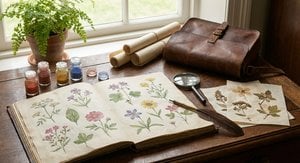
The Flourishing Canvas: A Historical Journey Through Botanical Illustration
Explore the captivating history of botanical illustration! Discover renowned artists like Robert Havell & Mary Walcott, learn about techniques, and find museum-quality art at ArtsDot.com.
The Flourishing Canvas: A Historical Journey Through Botanical Illustration
Explore the captivating history of botanical illustration! Discover renowned artists like Robert Havell & Mary Walcott, learn about techniques, and find museum-quality art at ArtsDot.com.