

 Peržiūrėti realybėje
 Pasidalinti
 Dalintis
 Išsamiau

 Atsisiųsti
 Panašūs eksponatai
 Rentgeno nuotrauka
 Automatinė diorama
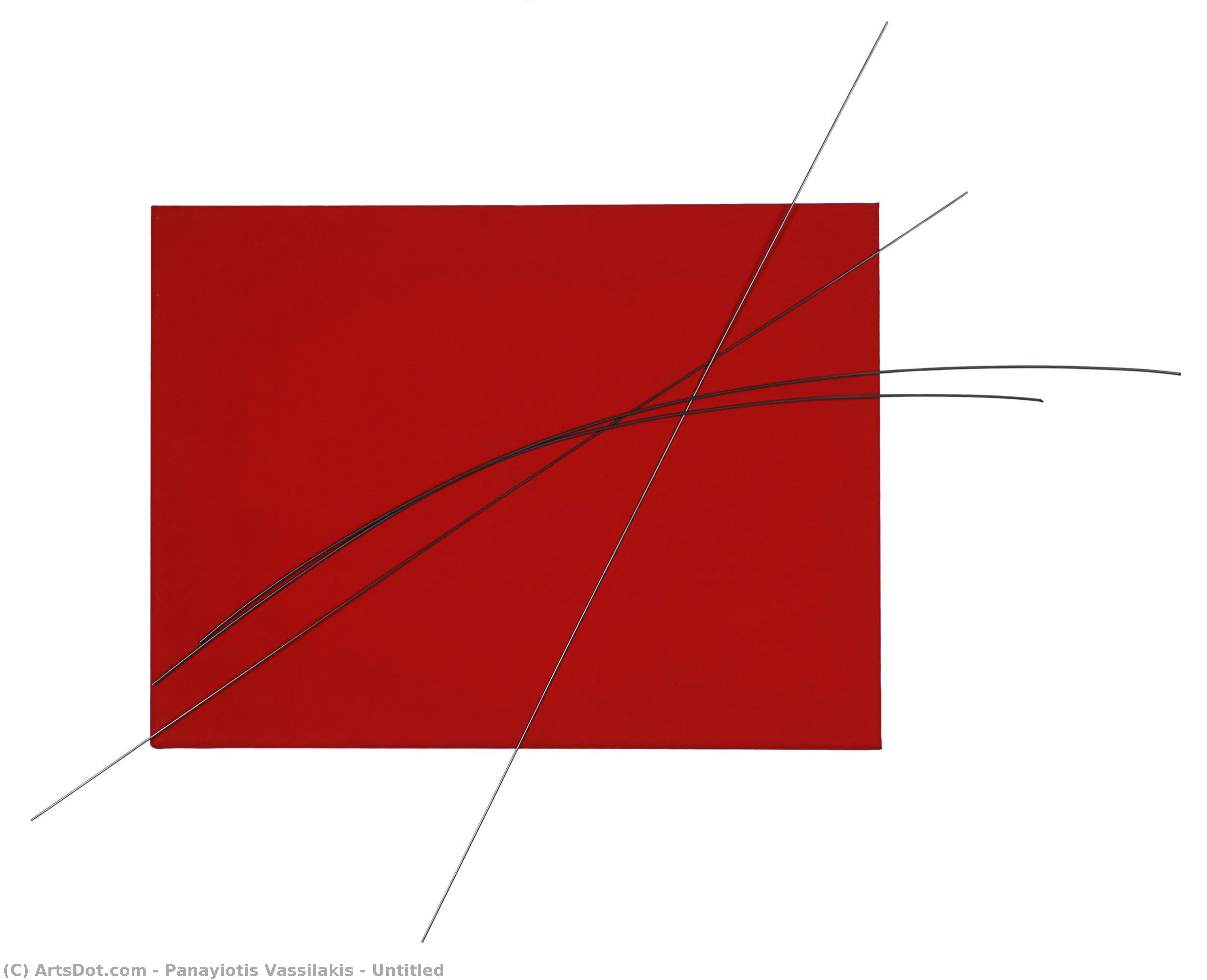
Untitled
 Contemporary Minimalism
 65.0 x 69.0 cm
 The Sotiris Felios Collection
 Skaityti daugiau
Įsigykite aukštos skiriamosios raiškos, patobulintą skaitmeninį vaizdą, gerokai pranašesnį už internetinę peržiūrą.
Kiekvieną failą mūsų specialistai kruopščiai paruošia naudojant pažangias technologijas ir profesionalų rankinį retušavimą. Užtikriname, kad kiekvienas vaizdas pasižymėtų išskirtiniu aiškumu, tikslia spalvų atspalviu ir smulkiomis detalėmis.
Baigiamas failas el. paštu pristatomas per 72 valandas; jis optimizuotas nedelsiant naudojimui profesionalioje, redakcinėje ir spausdinimo aplinkoje. Tai ta pati kokybė, kuria pasitiki aukščiausios klasės dizaino studijos, leidyklos ir galerijos.
Skaitmeninis vaizdas
Atsisiųskite didelės raiškos failą asmeniniam naudojimui, spausdinimui ir kūrybiniams projektams. ( Pirkti spaudinį Pirkti rankomis tapytą paveikslą)
Kiekvieną skaitinio vaizdo užsakymą papildė
Profesionalus skaitmeninis pristatymas, garantuotas
Pasirinkę ArtsDot.com, jūs ne tik gaunate paveikslėlį – jūs gaunate profesionaliai patobudintą skaitmeninį kūrinį, sukurtą itin tikniai ir užtikrinantį pasitenkinimą. Štai viską, kas automatiškai pritékia jūsų užsakymui:

Greitas siuntimas el. paštu
Jūsų aukštos raiškos skaitmeninis vaizdo failas bus išsiųstas jums el. paštu per 72 valaudas nuo užsakymo – paruoštas naudojimui be jokių papildomų veiksmų.

Skaitmeninis failas su dirbtiniu intelektu
Jūsų meno kūrinys profesionaliai optimizuojamas naudojant pažangius dirbtinio intelekto įrankius ir rankinį redagavimą, užtikrinant maksimalią detalę, aiškumą ir spalvų tikslumą.

Nemokamas visam laikui pakartotinis siuntimas
Atsitiktinai ištrytikote ar praradote savo failą? Nebijokite – bet kuriuo metu atsiųsime jį jums vėl nemokamai.

Jokio importo mokesčio – niekada
Mėgaukitės savo meno kūriniu akimirka – skaitiniai failai visada yra neapmokestinami, todėl nereikės mokėti muitinės, mokesčių ar pristatymo mokesčių.

Spalvų tikslumo garantija
Naudodami profesionalią įrangą ir spalvų valdymo sistemas, užtikriname, kad jūsų skaitmeninis vaizdas kuo tiksliau atspindėtų originalias spalvas.

60 dienų pasitenkinimo garantija
Jei nebuvate patenkinti savo skaitinio vaizdo, per 60 dienų jį pertaisysime arba grąkinsime 100% sumą – be jokių klausimų.

100% pinigų grąžinimo garantija
Nepat 만족inti? Gaukite visą sumokėtą sumą per 60 dienų nuo skaitmeninio failo gavimo – be jokių papildomų klausimų.

Nuolaidos dideliems užsakymams
Pirkti 3 nuotraukas – pasiūla 10% - Pirkti 5 – pasiūla 15% - Pirkti 10 ir daugiau – pasiūla 20%. Puikiai tinka kūrybiniams projektams, galerijoms bei agentūroms.
panašūs kūriniai


Autoriaus biografija
A Pioneer of Kinetic Energy: The Life and Work of Takis
Panayiotis Vassilakis, universally known as Takis, was a singular force in the landscape of post-war art, a Greek artist who transcended conventional boundaries to become a leading figure in kinetic sculpture. Born in Athens in 1925, his life was deeply interwoven with the tumultuous events of the 20th century – the lingering echoes of the Greco-Turkish War, the hardships of Axis occupation during World War II, and the subsequent Greek Civil War all cast long shadows over his formative years. These experiences instilled within him a profound sense of urgency and a desire to challenge established norms, ultimately fueling his groundbreaking artistic explorations. Despite initial familial disapproval, Takis relentlessly pursued his passion, establishing an early workshop where he began to grapple with form and material, initially inspired by the works of masters like Picasso and Giacometti.From Plaster Busts to Magnetic Fields: The Evolution of a Vision
Takis’s artistic journey truly took flight in the 1950s when he relocated to Paris. This period marked a pivotal shift in his approach, moving beyond traditional sculpture towards an investigation of movement and energy. A brief sojourn at Brancusi's atelier proved influential, though Takis quickly forged his own path, driven by an insatiable curiosity for the unseen forces shaping our world. His early kinetic works, dubbed “Signals,” emerged from observations made while waiting for a train in Calais – the flashing lights and antenna arrays sparked a fascination with communication and vibration. These sculptures weren’t static objects; they swayed and shifted with the slightest breeze, adorned with found objects that created unique sonic resonances. However, it was his discovery of magnetism in 1959 that unlocked the core of his artistic vision. Takis sought to defy gravity, creating works that appeared to float in space, animated by invisible forces. This wasn’t merely about aesthetic innovation; it was a quest to render visible the hidden energies permeating existence.Art and Science Intertwined: Telesculptures, Telepaintings, and Musical Instruments
Takis relentlessly blurred the lines between art and science, viewing his studio as a laboratory where he could experiment with electricity, sound, light, and magnetic fields. This dedication led to the creation of “Telesculptures” and “Telepaintings,” ambitious projects that aimed to capture cosmic energies and communicate across vast distances. He wasn’t content with simply representing these forces; he wanted to harness them, believing in their potential for healing and peace. His exploration extended into sound with his "Musicals," automated instruments employing electromagnets and electric guitar pickups to generate what he termed “raw music” – reverberant compositions born from the interplay of energy and technology. This period saw Takis engaging with a vibrant intellectual community, attracting attention from poets, musicians, and fellow artists who recognized the radical nature of his work.A Legacy of Innovation: From MIT to the Takis Foundation
Takis’s groundbreaking research garnered recognition beyond the art world, culminating in an invitation to serve as a researcher at the Massachusetts Institute of Technology (MIT) in 1968. This experience further solidified his belief in the interconnectedness of art and science, allowing him to explore new materials and technologies. Throughout his career, Takis remained fiercely independent, challenging conventional artistic structures and advocating for artist’s rights. In 1986, he established the KETE Foundation (later renamed the Takis Foundation) in Athens – a research center dedicated to advancing his explorations of art and science. This foundation became a hub for experimentation, housing his vast archive and serving as his primary studio until his death in 2019. His work continues to inspire artists and scientists alike, demonstrating the enduring power of curiosity, innovation, and a relentless pursuit of the unseen forces that shape our universe. Takis, often described as a “tireless worker of magnetic fields,” left behind a body of work that redefined modern sculpture and expanded the very definition of artistic expression.Historical Significance: A Redefinition of Sculpture
Takis’s impact on the art world is undeniable. He was a pioneer of kinetic art, challenging the traditional notion of sculpture as a static object and embracing movement, energy, and interactivity. His work anticipated many later developments in installation art, sound art, and technological art. He wasn't simply creating objects; he was constructing systems that engaged with their environment and invited viewers to participate in a dynamic dialogue. His influence extends beyond the realm of visual arts, inspiring thinkers across disciplines to explore the boundaries between science, technology, and creativity. Exhibitions at prestigious institutions like Tate Modern, the Menil Collection, and the Centre Pompidou have cemented his legacy as one of the most important artists of the 20th century, a visionary who dared to look beyond the visible world and unlock the hidden energies that connect us all.
panayiotis vassilakis
1925 - 2019 , Greece
Trumpai apie šį kūrėją
- Artistic Movement Or Style: Kinetic Art
- Artists Or Movements Influenced By This Artist: Modern Sculpture
- Artists Who Influenced This Artist:
- Picasso
- Giacometti
- Date Of Birth: October 29, 1925
- Date Of Death: August 9, 2019
- Full Name: Panayiotis Vassilakis
- Nationality: Greek
- Notable Artworks:
- Untitled
- Oedipus and Antigone
- Place Of Birth: Athens, Greece

