


 Peržiūrėti realaus dydžio版
 Siųsti
 Dalintis
 Išsamiau
 Vadovas

 Atsisiųsti
 Panašūs eksponatai
 Rentgeno spindulių nuotrauka
 Diaporama
 Statistika
Danae
 Oil On Canvas
- WallArt
- Baroque
 1621
1621 161.0 x 227.0 cm
 J. Paul Getty muziejus
 Rodyti daugiau
Giclée / Meno spausdinimas
Muziejų lygio „giclée“ arba drobos spausdinimas: greita gamyba ir lankstios apdailos parinktys. ( Pirkti rankomis tapytą reprodukciją Perejti prie skaitmeninių vaizdų)




P118B €10

P118H €10

P118W €10

P438Z €10

P508JH €12

P508YH €12

P805H €10

P805Z €10

P919BZ €10

P919G €10

P919XJ €10

P959ZH €10

P968JZ €12

W106C €8

W218G €10

W218JH €8

W218Y €10

W307PJ €10

W316G €10

W316PJ €8

W316Y €10

W398PJ €8

W4111J €10

W500HY €15

W500JH €15

W692G €12

W849H €8

W940BG €15

W953PJ €8




Pasirinkite iš mūsų nustatytų dydžių, atitinkančių originalaus meno kūrinio proporcijas.

Įveskite jums reikiamą plotį ir aukštį, kad atvaizdas derėtų prie jūsų rėmo ar sienos. Spausdiną galima tik sumažinti, bet nepadidinti virš originalaus paveikslėlio dydžio, todėl keičiant proporcijas, dalis vaizdo prarandama. Prieš spausdinimą atsiųsime jums skaitmeninį maketą patvirtinimui. Šioje puslapio nuotraukoje matomas pjūvis nėra tikslus – jį rodo tik maketas.
Pristatymas visame pasaulyje () per 2 weeks, o ne įprastas 4/5 savaičių laikotarpis. (23 spalis)

Nemokamas greitasis pristatymas visame pasaulyje

Aukštos kokybės lininis drobė

Pilnas siuntimo draudimas

Muitinės mokesčių grąžinimo garantija

Tikro spalvų atitikimo garantija

100 dienų grąžinimo politika (tik esant įtaigoms)

100% pinigų grąžinimo garantija

Nuolaida dideliems užsakymams
 Stiklo variantas prieinamas tik pasirinkus dydį iki 110 cm

Danae
Giclée / Meno spausdinimas
Reprodukcijos dydis
-


Visų pasirinktų variantų kaina
€ 54
Danaë by Orazio Gentileschi: A Baroque Embrace of Myth and Divine Intervention
Orazio Gentileschi’s 1623 painting, *Danaë*, is more than just a depiction of a classical myth; it's a profound meditation on fate, beauty, and the transformative power of divine grace. Housed within the J. Paul Getty Museum in Los Angeles, this oil-on-canvas masterpiece stands as a testament to Gentileschi’s mastery of Baroque technique and his ability to infuse historical narrative with deeply felt emotion. The painting immediately captivates with its dramatic lighting – a hallmark of Caravaggio's influence – which sculpts the figures and creates an atmosphere of both vulnerability and opulent splendor.
At the heart of the composition lies Danaë, a young woman lying on her bed, draped in a sheer veil that hints at both modesty and impending revelation. Her arms are outstretched, a gesture simultaneously of surrender and anticipation. Above her, a cascade of golden coins – representing Zeus’s divine intervention – rains down upon the mattress, transforming the scene into a shimmering tableau of mythic birth. The artist skillfully renders the texture of the fabric, the weight of the gold, and the delicate curve of Danaë's body, demonstrating an exceptional command of form and detail. Notice how Gentileschi avoids idealization; Danaë is not a goddess but a mortal woman caught in the throes of a miraculous event.
The Myth Unveiled: A Story of Divine Desire
The narrative depicted is rooted in Greek mythology, recounting the story of Danaë, daughter of King Aegyptus and the sea nymph Calliope. Faced with unwanted suitors, Aegyptus sought to protect his daughter by imprisoning her in a tower. Zeus, disguised as a shower of golden rain, descended into the tower and impregnated Danaë, resulting in the birth of Perseus, the legendary hero. The painting captures this pivotal moment – not the act of conception itself, but its immediate aftermath: the arrival of divine grace and the promise of a new life.
The symbolism is layered and rich. The golden rain isn’t merely a visual spectacle; it represents Zeus's power and his ability to transcend mortal boundaries. Danaë’s pose – vulnerable yet receptive – speaks to her acceptance of this extraordinary destiny. The presence of Eros, the god of love, pulling aside the curtain symbolizes the initiating force behind the divine intervention, highlighting the role of desire and fate in shaping human experience.
Baroque Drama: Light, Shadow, and Movement
Gentileschi’s technical skill is evident throughout *Danaë*. He masterfully employs chiaroscuro – the dramatic contrast between light and shadow – to create a sense of depth and movement. The golden light emanating from the coins illuminates Danaë's face and body, while the surrounding areas remain shrouded in darkness, intensifying the drama of the scene. The artist’s brushwork is loose and expressive, conveying a feeling of immediacy and dynamism. Observe how he captures the swirling motion of the falling gold, creating an almost palpable sense of energy.
Furthermore, Gentileschi's use of color is particularly noteworthy. The rich hues of red, gold, and blue create a vibrant and luxurious atmosphere, reflecting the opulence associated with the gods. The subtle variations in tone contribute to the painting’s overall visual harmony, drawing the viewer’s eye through the composition.
A Legacy of Female Strength: Artemisia's Connection
Interestingly, *Danaë* is believed to be a reworking of an earlier painting by Gentileschi’s daughter, Artemisia Gentileschi, who also depicted the same subject. This suggests a close artistic relationship and a shared interest in exploring themes of female agency and divine intervention within a mythological context. Artemisia's own work often featured strong, independent women confronting adversity with courage and resilience – qualities that resonate powerfully in *Danaë*. Studying both paintings offers valuable insights into the evolving artistic sensibilities of the Gentileschi family and their contribution to the Baroque movement.
Today, *Danaë* remains a captivating masterpiece, inviting viewers to contemplate the complexities of myth, beauty, and the enduring power of divine grace. It’s a painting that speaks not only to the grandeur of ancient Greece but also to the timeless human experience of desire, fate, and transformation.
问答 (or more naturally for a website heading): Klausimai ir atsakymai
Ar „Danae“ yra vienas populiariausių Orazijas Džentileškis kūrinių?
„Danae“ klasifikuojamas kaip Iconic.
Ar yra vadovas kūriniui „Danae“, autorius – Orazijas Džentileškis?
Dėl „Danae“, autorius – Orazijas Džentileškis yra prieinama Gidas puslapio: spausdinamas informacinis lapelis apie kūrinį, skirtas studentams ir mokomajamiam procesui klasėje.
Kada ir kokiais medžiagomis buvo sukurta „Danae“?
Darbų technika kūriniui „Danae“, autorius – Orazijas Džentileškis yra Oil On Canvas, o jo kūrybinė data – 1621.
Susiję kūriniai




Autoriaus biografija
Toscano Aušra: Orazio Gentileschi Gyvenimas ir Kūryba
Gimęs 1563 metais žavinguose Toskanos kalnuose, Orazio Gentileschi pradėjo kelionę, kuri pavertė jį svarbia figūra pereinant nuo manierizmo prie baroko tapybos. Pradžioje žinomas kaip Orazio Lomi, jis patraukė į Romą – to meto meno naujovių epicentrą – kur tobulino savo įgūdžius Cola dell'Amata dirbtuvėse ir įsisavino Francesco da Sangallo architektūrinius principus. Šios ankstyvos įtakos suteikė jam kruopštumą formoms ir kompozicijai, savybes, kurios išliko jo stiliaus bruožais net dramatiškai besikeičiant jo kūrybai. Gentileschi’s pirmieji darbai dažnai apėmė figūrų įnešimą į didesnius dekoratyvinius projektus, kuriuos sukūrė kiti menininkai – formacinis patirties etapas, kuris jį išmokė bendradarbiauti ir prisitaikyti, tačiau taip pat užuominavo augantį ambicijų poreikį savarankiškai kurti.Šešėlių Apėmimas: Caravaggio Įtaka ir Meno Raida
XVII amžiaus pradžia buvo lūžis Gentileschi meno trajektorijoje. Revoliucinis Caravaggio naturalizmas pasirodė Romos meno scenoje, iššukiant nusistovėjusias konvencijas dramatišku šviesos ir šešėlio naudojimu – *tenebrismu* – ir atviru realizmu. Gentileschi buvo giliai paveiktas šio žemės drebėjimo, įsisavindamas Caravaggio stiliaus elementus savo darbuose. Tačiau jis nebuvo tik imitatorius; greičiau, jis filtruodavo Caravaggio naujoves per savo esamus meno pojūčius. Išlaikydamas dramatiškumą, Gentileschi sušvelnino Caravaggio *tenebrismo* šiurkštumą, įvesdamas šviesesnę paletę ir rafinuotesnį detalumo požiūrį. Tai davė rezultatus – paveikslus, turinčius tiek emocinę galią, tiek elegantišką graciją – unikalų sintezę, kuri atskyrė jį nuo bendraamžių. Biblijinės scenos ir mitologiniai pasakojimai tapo dažnais objektais, leidžiančiais Gentileschi tyrinėti tikėjimo, didvyriškumo ir žmogaus pažeidžiamumo temas įtikinamu vizualiniu pasakojimu.Kilmingas Keliautojas: Iš Paryžiaus Į Londoną
Gentileschi meno reputacija apėmė Italijos sienas. Jo talentas pritraukė galingų asmenų globą, nuvesdamas jį į klajoklę kelionę per Europą. Jis praleido laiką Marie de' Medici teisme Paryžiuje, kur jo rafinuotas stilius atsiliepė karalienės skoniui elegancijai ir iškilmingumui. Šis laikotarpis parodė tolesnę jo darbo raidą, pasižymintį vis sudėtingesnėmis kompozicijomis ir padidėjusiu dekorumo jausmu. Tačiau 1626 metais jam buvęs kvietimas į Angliją apibrėžė jo karjeros paskutinį skyrių. Paskirtas Karolio I teismo tapytoju, Gentileschi tapo vienu iš pirmųjų pagrindinių Caravaggizmo atstovų Britanijoje, reikšmingai paveikdamas angliško baroko tapybos plėtrą. Jis ėmėsi ambicingų projektų, įskaitant lubų tapybų seriją Grenvičo rūmuose (dabar Marlborough House), demonstruodamas savo meistriškumą didelio masto dekoratyvinėse schemose ir įtvirtindamas savo pozicijas kaip pirmaujantis to meto menininkas.Palikimas ir Ilgalaikis Poveikis
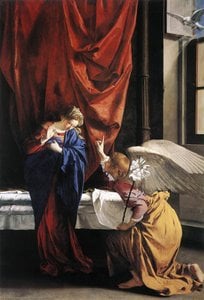
Orazio Gentileschi indėlis į meno pasaulį yra daugialypis. Jis sujungė manierizmą ir baroką, įsisavindamas Caravaggio naujoves, kartu sukūręs savo unikalų stilių. Jo ryškių spalvų naudojimas, dramatiškos kompozicijos ir rafinuota technika paveikė kartą menininkų visoje Europoje. Jis buvo svarbus įvedant Caravaggizmą į Angliją, palikdamas neišdildomą pėdsaką meno peizaže ten. Tačiau galbūt jo ilgiausia palikimas slypi jo dukroje Artemisia Gentileschi. Apmokyta tėvo dirbtuvėje, ji iškilo kaip viena garsiausių baroko erai tapytojų, tęsdama šeimos meno tradiciją ir pasiekdama šlovę savaip. Šiandien Gentileschi darbai laikomi prestižiniuose muziejuose ir galerijose visame pasaulyje – nuo Uffizi galerijos Florencijoje iki Accademia galerijos Venecijoje – liudijantys jo ilgalaikį genialumą ir nuolatinį poveikį meno istorijai. Jo paveikslai toliau žavi žiūrovus savo emociniu gyliu, technine virtuozija ir nesenstančiu grožiu.- Pagrindiniai Darbai: “Danae”, "The Annunciation", "The Virgin Mary"
- Pagrindinės Įtakos: Manierizmas, Caravaggio
- Meno Stilius: Barokas, Dramatiškos kompozicijos, Ryškios spalvos.

Orazijas Džentileškis
1563 - 1639 , Italija
Trumpa informacija apie kūrėją
- Gimimo Data: 1563
- Gimimo Vieta: Toskana, Italija
- Menininkai, Kuriuos Įtakojo: ['Artemisia Gentileschi']
- Meninis Stilius: Barokas, Karavadžizmas
- Mirties Data: 1639
- Pilietybė: Italas
- Pilnas Vardas: Orazio Gentileschi
- Įtakoję Menininkai:
- Karavadžas
- F. da Sangallo
- Žymiausi Darbai:
- Danaja
- Skelbimas
- Šv. Mergelė
Susiję straipsniai

The Dramatic Flourish: Exploring the Baroque Movement's Enduring Legacy in Art History
Explore the dramatic world of Baroque art! Discover iconic artists like Caravaggio & Rubens, defining techniques, and its lasting impact on art history. Expert insights for collectors & enthusiasts at ArtsDot.

Baroko Šedevrai: 10 Menų Simbolių, Apibūdinusių Epoką | ArtsDot
Atraskite 10 baroko šedevrų, kurie apibrėžė epoką! Karolis Rubenzas, Berninis ir kiti meistrai – jų kūriniai, istorijos bei spalvos. Aukščiausios kokybės dailės reprodukcijos ir interjero įkvėpimas ArtsDot.com. Išnagrinėkite visą kolekciją internete!

The Visceral Stage: Exploring Dramatic Narratives & Emotional Intensity in Baroque Art
Explore the dramatic world of Baroque art! Discover iconic masters like Caravaggio & Rembrandt, their techniques, and the movement's lasting impact. Expert insights for collectors & enthusiasts at ArtsDot.

Simon Vouet: A Baroque Master's Journey from Italian Influence to French Classicism
Explore the life & art of Simon Vouet, a pivotal French Baroque painter who introduced Italian styles to France. Discover his masterpieces and lasting influence on 17th-century art.

Baroko Dramatizmas: Elegancijos ir Emocijų Įnešimas į Šiuolaikinius Interjerus
Atraskite baroko dramatiškumą! Meno konsultacijos, rankų darbo reprodukcijos ir patarimai, kaip įnešti eleganciją bei emocijas į jūsų interjerą su ArtsDot.com. Kokybė garantuota!