


 Peržiūrėti realaus dydžio版
 Siųsti
 Dalintis
 Išsamiau
 Gidas
Gidas

 Atsisiųsti
 Panašūs eksponatai
 Rentgeno spindulių nuotrauka
 Diaporama
 Statistika
Vechtlandschap

 Rodyti daugiau
Įsigykite aukštos skiriamosios raiškos, patobulintą skaitmeninį vaizdą, gerokai pranašesnį už internetinę peržiūrą.
Kiekvieną failą mūsų specialistai kruopščiai paruošia naudojant pažangias technologijas ir profesionalų rankinį retušavimą. Užtikriname, kad kiekvienas vaizdas pasižymėtų išskirtiniu aiškumu, tikslia spalvų atspalviu ir smulkiomis detalėmis.
Baigiamas failas el. paštu pristatomas per 72 valandas; jis optimizuotas nedelsiant naudojimui profesionalioje, redakcinėje ir spausdinimo aplinkoje. Tai ta pati kokybė, kuria pasitiki aukščiausios klasės dizaino studijos, leidyklos ir galerijos.
Skaitmeninis vaizdas
Atsisiųskite didelės raiškos failą asmeniniam naudojimui, spausdinimui ir kūrybiniams projektams. ( Perjungti į spausdinimą Pirkti rankomis tapytą reprodukciją)
Kiekvieną skaitinio vaizdo užsakymą papildė
Profesionalus skaitmeninis vaizdų pristatymas, garantuotas
Pasirinkę ArtsDot.com, jūs ne tik gaunate paveikslėlį – jūs gaunate profesionaliai patobudintą skaitmeninį kūrinį, sukurtą itin tikniai ir užtikrinantį pasitenkinimą. Štai viską, kas automatiškai pritékia jūsų užsakymui:

Greitas nuotraukų gavimas el. paštu
Jūsų aukštos raiškos skaitmeninis vaizdo failas bus išsiųstas el. paštu per 72 valandas nuo užsakymo – jis bus paruoštas naudoti be jokių papildomų veiksmų.

Skaitmeninis failas su dirbtiniu intelektu
Jūsų meno kūrinys profesionaliai optimizuojamas naudojant pažangius dirbtinio intelekto įrankius ir rankinį redagavimą, užtikrinant maksimalią detalę, aiškumą ir spalvų tikslumą.

Nemokamas visam laikui pakartotinis siuntimas
Atsitiktinai ištrytikote ar praradote savo failą? Nebijokite – bet kuriuo metu atsiųsime jį jums vėl nemokamai.

Jokio importo mokesčio – niekada
Mėgaukitės savo meno kūriniu akimirka – skaitiniai failai visada yra neapmokestinami, todėl nereikės mokėti muitinės, mokesčių ar pristatymo mokesčių.

Spalvų tikslumo garantija
Naudodami profesionalią įrangą ir spalvų valdymo sistemas, užtikriname, kad jūsų skaitmeninis vaizdas kuo tiksliau atspindėtų originalias spalvas.

100 dienų patikimumo garantija
Jei nebuvosite patenkinti įsigyto skaitmeninio vaizdo, mes jį tališkai koreguosime arba grąžinsime 100% sumą per 100 dienų – be jokių klausimų.

100% pinigų grąžinimo garantija
Nesitenkinate? Gaukite visą sumokėtą sumą per 100 dienų nuo skaitmeninio failo gavimo – be jokių papildomų klausimų.

Nuolaidos dideliems užsakymams
Pirkti 3 nuotraukas – 10% nuolaida – Pirkti 5 – 15% nuolaida – Pirkti 10 ir daugiau – 20% nuolaida. Puikiai tinka kūrybiniams projektams, galerijoms bei agentūroms.
Susiję kūriniai


Autoriaus biografija
Nicolaas Bastert: Painter of the Dutch Golden Light
Nicolaas Bastert (1854-1939) stands as a quintessential figure in the landscape painting tradition of the Netherlands, particularly renowned for his evocative depictions of the Vecht River region. More than simply recording scenes of rural beauty, Bastert’s work captures a specific mood – a serene, almost melancholic light that has become synonymous with Dutch Impressionism. Born in Maarssen, Netherlands, into a family deeply rooted in land ownership and commerce, his artistic journey was initially somewhat unexpected, diverging from the expected path of managing the family estate. This biographical shift speaks to an innate desire for creative expression, a yearning to translate the visual world onto canvas.
Bastert’s early training at the National Academy of Fine Arts in Amsterdam, under the tutelage of masters like August Allebé and Marinus Heijl, provided him with a solid foundation in academic technique. However, it was his time spent alongside fellow artist George Poggenbeek, particularly during their shared sojourns to Breukelen on the Vecht, that truly shaped his distinctive style. This period fostered a collaborative spirit, influencing Bastert’s approach to capturing light and atmosphere – elements he would later master with remarkable skill. The influence of the Hague School is undeniable, yet Bastert developed a unique voice, characterized by a delicate balance between observation and subjective interpretation.
The Vecht River: A Subject of Enduring Fascination
The Vecht River, with its meandering course, picturesque villages, and expansive meadows, became the central subject of Bastert’s oeuvre. He wasn't merely painting landscapes; he was attempting to distill the essence of Dutch rural life – a harmonious relationship between humanity and nature. His paintings frequently depict hay wagons resting in fields, farmers tending their land, or figures engaged in quiet domestic activities against the backdrop of the river’s shimmering surface. These scenes aren’t idealized fantasies but rather carefully observed moments, imbued with a sense of timelessness.
Bastert's technique was meticulously refined over decades. He employed loose brushstrokes and a vibrant palette, prioritizing the effects of light and shadow. He paid particular attention to capturing the subtle shifts in color as sunlight filtered through the trees or reflected off the water’s surface. His use of atmospheric perspective – creating a sense of depth and distance through variations in tone and color – is particularly noteworthy. Unlike some of his contemporaries who favored sharper, more detailed renderings, Bastert deliberately softened his forms, contributing to the overall feeling of tranquility and intimacy within his paintings.
Influences and Artistic Development
While firmly rooted in the Hague School tradition, Bastert’s work also reveals influences from Impressionism and even a touch of Symbolism. The fleeting effects of light, reminiscent of Monet or Renoir, are evident in his treatment of water and foliage. Furthermore, there's a subtle melancholic undertone to many of his paintings – a sense of nostalgia for a disappearing rural world. This is perhaps reflected in the solitary figures often depicted within his landscapes, suggesting a quiet contemplation of nature’s beauty.
His early years were marked by experimentation and travel, including time spent studying at the Royal Academy of Fine Arts in Antwerp and exploring the artistic centers of Europe. These experiences broadened his perspective and informed his evolving style. Returning to the Netherlands, he established a studio in The Hague and later in Amsterdam, continuing to refine his technique and develop his unique vision. His work gained recognition throughout the late 19th and early 20th centuries, securing him a place among the most respected landscape painters of his generation.
Legacy and Recognition
Nicolaas Bastert’s paintings continue to resonate with viewers today due to their exquisite beauty and evocative atmosphere. His depictions of the Vecht River region offer a poignant glimpse into a bygone era, capturing the spirit of rural Netherlands with remarkable sensitivity. His work is held in numerous public and private collections throughout the Netherlands and beyond, testament to its enduring appeal.
Bastert’s legacy extends beyond his individual paintings; he represents a crucial link between the academic traditions of the Hague School and the more expressive tendencies of later Dutch landscape artists. His meticulous observation, coupled with a profound understanding of light and atmosphere, established him as a master of capturing the subtle beauty of the Dutch countryside – a painter who truly understood how to translate the golden light of the Netherlands onto canvas.
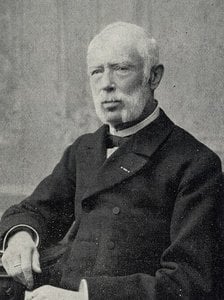
nicolaas bastert
1854 - 1939 , Netherlands
Pagrindinė informacija
- Artistic Movement Or Style: Hague School, Flemish Impressionism
- Artists Or Movements Influenced By This Artist: ['George Poggenbeek']
- Artists Who Influenced This Artist:
- August Allebé
- Marinus Heijl
- Date Of Birth: January 7, 1854
- Date Of Death: April 18, 1939
- Full Name: Syvert Nicolaas Bastert
- Nationality: Dutch
- Notable Artworks:
- Hay Wagon
- Vechtlandschap
- Near Breukelen on the Vecht
- Place Of Birth: Maarssen, Netherlands