

 Peržiūrėti realybėje
 Pasidalinti
 Dalintis
 Išsamiau

 Atsisiųsti
 Panašūs eksponatai
 Rentgeno nuotrauka
 Automatinė diorama
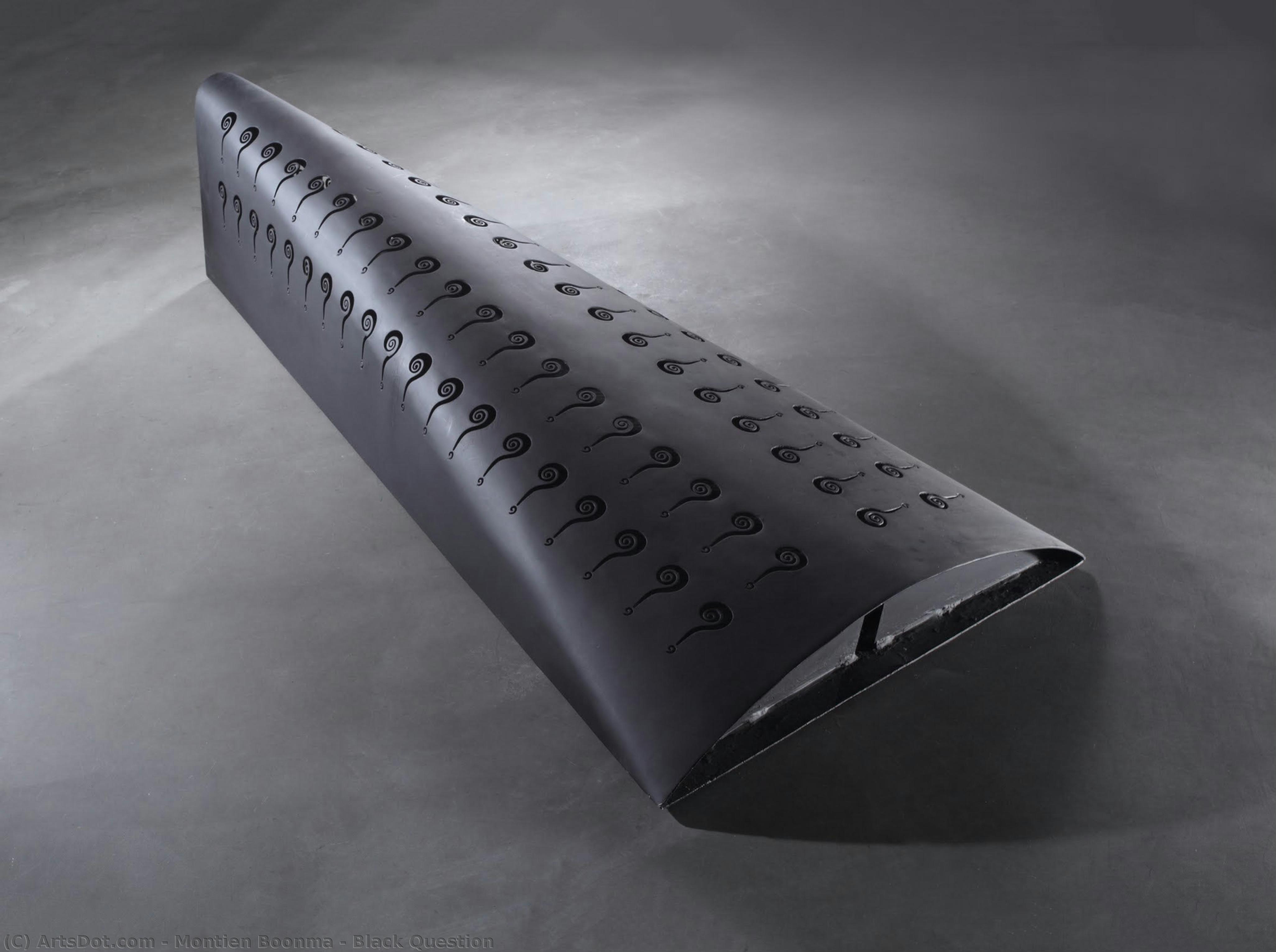
Black Question
 1994
1994 240.0 x 114.0 cm
 ILHAM Gallery
 Skaityti daugiau
Įsigykite aukštos skiriamosios raiškos, patobulintą skaitmeninį vaizdą, gerokai pranašesnį už internetinę peržiūrą.
Kiekvieną failą mūsų specialistai kruopščiai paruošia naudojant pažangias technologijas ir profesionalų rankinį retušavimą. Užtikriname, kad kiekvienas vaizdas pasižymėtų išskirtiniu aiškumu, tikslia spalvų atspalviu ir smulkiomis detalėmis.
Baigiamas failas el. paštu pristatomas per 72 valandas; jis optimizuotas nedelsiant naudojimui profesionalioje, redakcinėje ir spausdinimo aplinkoje. Tai ta pati kokybė, kuria pasitiki aukščiausios klasės dizaino studijos, leidyklos ir galerijos.
Skaitmeninis vaizdas
Atsisiųskite didelės raiškos failą asmeniniam naudojimui, spausdinimui ir kūrybiniams projektams. ( Pirkti spaudinį Pirkti rankomis tapytą paveikslą)
Kiekvieną skaitinio vaizdo užsakymą papildė
Profesionalus skaitmeninis pristatymas, garantuotas
Pasirinkę ArtsDot.com, jūs ne tik gaunate paveikslėlį – jūs gaunate profesionaliai patobudintą skaitmeninį kūrinį, sukurtą itin tikniai ir užtikrinantį pasitenkinimą. Štai viską, kas automatiškai pritékia jūsų užsakymui:

Greitas siuntimas el. paštu
Jūsų aukštos raiškos skaitmeninis vaizdo failas bus išsiųstas jums el. paštu per 72 valaudas nuo užsakymo – paruoštas naudojimui be jokių papildomų veiksmų.

Skaitmeninis failas su dirbtiniu intelektu
Jūsų meno kūrinys profesionaliai optimizuojamas naudojant pažangius dirbtinio intelekto įrankius ir rankinį redagavimą, užtikrinant maksimalią detalę, aiškumą ir spalvų tikslumą.

Nemokamas visam laikui pakartotinis siuntimas
Atsitiktinai ištrytikote ar praradote savo failą? Nebijokite – bet kuriuo metu atsiųsime jį jums vėl nemokamai.

Jokio importo mokesčio – niekada
Mėgaukitės savo meno kūriniu akimirka – skaitiniai failai visada yra neapmokestinami, todėl nereikės mokėti muitinės, mokesčių ar pristatymo mokesčių.

Spalvų tikslumo garantija
Naudodami profesionalią įrangą ir spalvų valdymo sistemas, užtikriname, kad jūsų skaitmeninis vaizdas kuo tiksliau atspindėtų originalias spalvas.

60 dienų pasitenkinimo garantija
Jei nebuvate patenkinti savo skaitinio vaizdo, per 60 dienų jį pertaisysime arba grąkinsime 100% sumą – be jokių klausimų.

100% pinigų grąžinimo garantija
Nepat 만족inti? Gaukite visą sumokėtą sumą per 60 dienų nuo skaitmeninio failo gavimo – be jokių papildomų klausimų.

Nuolaidos dideliems užsakymams
Pirkti 3 nuotraukas – pasiūla 10% - Pirkti 5 – pasiūla 15% - Pirkti 10 ir daugiau – pasiūla 20%. Puikiai tinka kūrybiniams projektams, galerijoms bei agentūroms.
Kolekcinio objekto aprašymas
Autoriaus biografija
Marlene Dumas: A Life Painted in Shadows and Echoes
Born in Cape Town, South Africa, in 1953, Marlene Dumas’s life has been a journey of profound displacement and relentless self-exploration. Her early years were shaped by the complexities of apartheid, an experience that would profoundly influence her artistic vision – not through overt political statements, but through a deeply felt interrogation of identity, representation, and the human condition. Moving to Amsterdam in 1976, she established herself as one of the most distinctive and challenging figures in contemporary art, forging a unique language characterized by its raw emotionality, fragmented narratives, and unsettling beauty.
Dumas’s artistic trajectory is rooted in a meticulous accumulation of source material. She doesn't begin with a preconceived image but rather gathers photographs – from newspapers, magazines, and personal collections – that resonate with her on an intuitive level. These images, often seemingly banal or forgotten, become the foundation for her paintings. She rarely directly copies them; instead, she transforms them through layers of paint, employing a distinctive technique involving scraping, sanding, and applying pigment with knives and brushes. This process creates a sense of distance and ambiguity, as if the original image is fading into memory, leaving behind only its emotional residue.
Her early work in the 1980s was largely defined by portraits – often of women – rendered in muted tones and unsettlingly vacant expressions. These weren’t idealized representations but rather explorations of vulnerability, loneliness, and the unspoken anxieties beneath the surface. Influenced by artists like Francis Bacon and Egon Schiele, Dumas masterfully captured a sense of psychological unease, suggesting narratives that were both deeply personal and universally resonant. The use of black and white, combined with subtle shifts in color, created an atmosphere of melancholy and introspection.
The Language of the Image
As her career progressed, Dumas’s subject matter expanded beyond portraiture to encompass a wider range of themes – landscapes, still lifes, and even fragments of text. However, she consistently returned to the power of the image itself, treating it as both a source of inspiration and a vehicle for exploring its inherent complexities. She frequently incorporates elements into her paintings—broken glass, earth, or other found objects—to disrupt the illusion of representation and remind the viewer that they are engaging with a constructed reality.
Her process is intensely physical and intuitive. Dumas describes it as a “dance” between herself, the image, and the paint. She doesn’t impose her will on the canvas but rather allows the materials to guide her, responding to the textures, colors, and rhythms of the paint itself. This collaborative approach results in paintings that are both meticulously crafted and profoundly spontaneous.
Key Works and Exhibitions
Throughout her career, Dumas has produced a vast body of work, including iconic paintings such as *Self-Portrait* (1986), *The Founding Ceremony of the Nation* (1987), and *Dama en la Playa* (1992). These works are characterized by their arresting simplicity, haunting beauty, and unsettling ambiguity. Her retrospective at the Palazzo Grassi in Venice in 2022, titled *Marlene Dumas: open-end*, offered a comprehensive overview of her oeuvre, showcasing the evolution of her artistic language over four decades.
Significant exhibitions have also been held at the Musée d'Orsay in Paris (2021), the Stedelijk Museum in Amsterdam (2014), and numerous galleries worldwide. Her work has been consistently recognized with prestigious awards, including the Düsseldorf Art Prize and the Hans Theo Richter Prize for Drawing and Graphic Art.
Legacy and Influence
Marlene Dumas’s impact on contemporary art is undeniable. She has profoundly influenced a generation of artists by demonstrating the power of image-making to explore complex emotional and psychological themes. Her willingness to confront difficult subjects—identity, trauma, mortality—with honesty and vulnerability has paved the way for a more nuanced and challenging approach to representation in art.
Her work continues to resonate with viewers today because it speaks to universal human experiences – loneliness, loss, longing, and the search for meaning. Dumas’s paintings are not simply images; they are invitations to engage in a dialogue about ourselves and the world around us. She remains a vital and influential voice in contemporary art, reminding us of the enduring power of the image to provoke thought, evoke emotion, and challenge our perceptions.

montien boonma
1953 - 2003 , Thailand
Trumpai apie šį kūrėją
- Artistic Movement Or Style: Abstract painting
- Artists Or Movements Influenced By This Artist: ['Conceptual art']
- Artists Who Influenced This Artist:
- Francis Bacon
- Yves Klein
- Date Of Birth: 1953-04-23
- Full Name: Marlene Dumas
- Nationality: South African/French
- Notable Artworks:
- Young Man
- Woman I
- The Founding Ceremony
- Place Of Birth: Cape Town, South Africa

