
 Peržiūrėti realaus dydžio版
 Pasidalinti
 Dalintis
 Išsamiau
 Vadovas

 Atsisiųsti
 Panašūs eksponatai
 Rentgeno spindulių nuotrauka
 Automatinė diorama
 问答
问答 Statistika
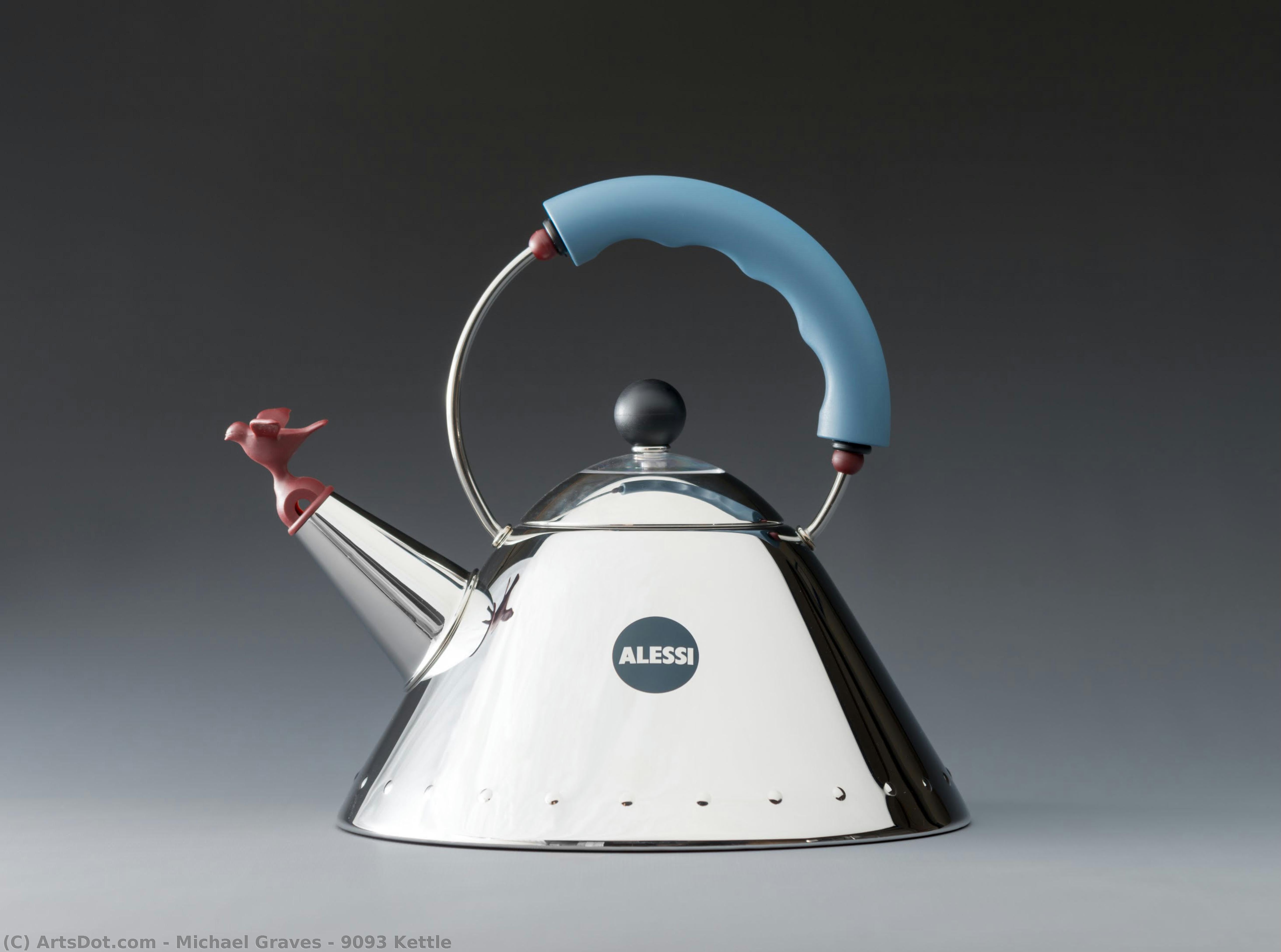
9093 Kettle

 Skaityti daugiau
Gaukite spausdinimui paruoštą failą, kurio kokybė gerokai viršija internetinę peržiūrą. Kiekvienas mūsų parduodamas skaitmeninis vaizdas yra ištrauktas iš aukštos raiškos pagrindinio failo mūsų duomenų bazėje — paprastai jis siekia nuo 5 000 iki 15 000 pikselių plotio — todėl galite drąsiai spausdinti didelius formatus, apkirpti vaizdą ar reprodukcija užtikrins visas smulkias detales.
Mūsų studijoje nė viena kopija nelieka neapdorota. Skaitmeninio vaizdo ekspertas, lygiu su originaliu paveikslu, patikrina spalvas ir, jei reikia, jas koreguoja, o tada profesionaliais retušavimo įrankiais padidina aiškumą bei detales — visada išlaikydamas ištikimybę autoriaus teptuko traukoms ir stiliui. Rezultatas – vaizdas, kuris atrodo kaip tikras paveikslas, o ne kaip su filtrais apdorotas skenavimas.
Patvirtinate prieš užsakymo pabaigą: mūsų ekspertas per 72 valandas el. laišku atsiųsta vaizdą jūsų peržiūrai. Nepasitenkinate rezultatu? Paprašykite patobulinimų ar pataisymų arba prašykite pinigų grąžinimo, jei kokybė neatitinka jūsų lūkesčių.
Ši kokybė yra patikima leidybos įstaigoms, dizaino studijoms, galerijoms ir spaudos įmonėms.
Skaitmeninis vaizdas
Atsisiųskite didelės raiškos failą asmeniniam naudojimui, spausdinimui ir kūrybiniams projektams. ( Perjungti į spausdinamus版作品 Pirkti rankų darbo tapybą)
Kiekvieną skaitinio vaizdo užsakymą papildė
Profesionalus skaitmeninis vaizdų pristatymas, garantuotas
Pasirinkę ArtsDot.com, jūs ne tik gaunate paveikslėlį – jūs gaunate profesionaliai patobudintą skaitmeninį kūrinį, sukurtą itin tikniai ir užtikrinantį pasitenkinimą. Štai viską, kas automatiškai pritékia jūsų užsakymui:

Greitas pristatymas el. paštu
Jūsų aukštos raiškos skaitmeninis vaizdo failas bus išsiųstas el. paštu per 72 valandas nuo užsakymo – jis bus paruoštas naudoti be jokių papildomų veiksmų.

Dirbtiniu intelektu tobulintas skaitmeninis failas
Jūsų meno kūrinys profesionaliai optimizuojamas naudojant pažangius dirbtinio intelekto įrankius ir rankinį redagavimą, užtikrinant maksimalią detalę, aiškumą ir spalvų tikslumą.

Nemokamas visam laikui pakartotinis siuntimas
Atsitiktinai ištrytikote ar praradote savo failą? Nebijokite – bet kuriuo metu atsiųsime jį jums vėl nemokamai.

Jokio importo mokesčio – niekada
Mėgaukitės savo meno kūrynu be jokių muitinės mokesčių, įkainų ar pristatymo išlaidų – skaitiniai failai visada yra neapmokestinami.

Spalvų tikslumo garantija
Naudodami profesionalią įrangą ir spalvų valdymo sistemas, užtikriname, kad jūsų skaitmeninis vaizdas kuo tiksliau atspindėtų originalias spalvas.

100 dienų patikimumo garantija
Jei nebuvosite patenkinti įsigyto skaitmeninio vaizdo, mes jį tališkai koreguosime arba grąžinsime 100% sumą per 100 dienų – be jokių klausimų.

100% pinigų grąžinimo garantija
Nesitenkinate? Gaukite visą sumokėtą sumą per 100 dienų nuo skaitmeninio failo gavimo – be jokių papildomų klausimų.

Nuolaidos dideliems užsakymams
Pirkti 3 nuotraukas – 10% nuolaida – Pirkti 5 – 15% nuolaida – Pirkti 10 ir daugiau – 20% nuolaida. Puikiai tinka kūrybiniams projektams, galerijoms bei agentūroms.
panašūs kūriniai


Autoriaus biografija
A Playful Rebellion: The Life and Vision of Michael Graves
Michael Graves, born in Indianapolis in 1934, emerged as a pivotal figure in late 20th and early 21st-century design—an architect who dared to challenge the austere dogma of modernism with a vibrant, often whimsical aesthetic. His journey wasn’t one of immediate rebellion, but rather a gradual evolution fueled by a growing dissatisfaction with the perceived rigidity and historical detachment of the prevailing architectural style. Initially steeped in modernist principles during his education at the University of Cincinnati and Harvard, Graves found himself increasingly drawn to the power of history, symbolism, and ornamentation—elements largely banished from the modernist lexicon. This shift wasn’t simply an aesthetic preference; it was a fundamental questioning of architecture's purpose: should buildings merely function, or should they also delight, communicate, and connect with people on a more emotional level? The seeds of this inquiry were sown during his time at the American Academy in Rome as a recipient of the prestigious Rome Prize, where he immersed himself in the rich tapestry of classical architecture. It was an experience that profoundly shaped his understanding of form, proportion, and the enduring power of architectural language.From The New York Five to Postmodern Iconoclasm
Graves’s ascent coincided with a period of significant experimentation within the architectural world. He became a key member of *The New York Five*, a group of architects—alongside Peter Eisenman, Charles Gwathmey, Richard Meier, and Robert A.M. Stern—who actively challenged modernist orthodoxy in the late 1960s and early 70s. Their work, characterized by formal complexity and a rejection of simplistic functionalism, laid the groundwork for the burgeoning postmodern movement. However, Graves’s vision extended beyond architectural boundaries. His involvement with *The Memphis Group* in the 1980s—an Italian design collective known for its boldly colored, playfully shaped furniture and objects—brought his designs to an even wider audience. This collaboration was a watershed moment, demonstrating that good design wasn't limited to buildings; it could permeate everyday life through accessible, aesthetically engaging products. It was a deliberate democratization of design, bringing artistry into the home. The influence of Robert Venturi and Denise Scott Brown’s seminal work, *Complexity and Contradiction in Architecture*, cannot be overstated. Their critique of modernist simplicity resonated deeply with Graves, encouraging him to embrace ambiguity, irony, and historical references—qualities that would become hallmarks of his style.Landmark Buildings and the Democratization of Design
Graves’s architectural portfolio is remarkably diverse, reflecting his willingness to adapt his distinctive aesthetic to a wide range of contexts. The Portland Building (1982) in Oregon remains perhaps his most iconic—and controversial—creation. Its colorful facade, adorned with oversized classical ornamentation, sparked intense debate, challenging conventional notions of what a civic building should look like. Similarly, the Humana Building in Louisville, Kentucky, is a playful and whimsical structure that incorporates exaggerated decorative elements, creating a sense of theatricality. Beyond these landmark projects, Graves demonstrated his versatility with works such as the Ministry of Culture in The Hague, Netherlands, and the Denver Public Library expansion—each showcasing his commitment to public spaces and thoughtful design solutions. But perhaps his most significant contribution was his ability to bridge the gap between high art and mass production. His collaborations with companies like Alessi resulted in iconic designs such as the 9093 Kettle, transforming a mundane kitchen object into a work of art. Further extending this philosophy, Graves partnered with Target and J.C. Penney to create affordable product lines, making stylish and well-designed items accessible to a broader audience—a truly revolutionary act that challenged the elitism often associated with design.A Legacy of Accessibility and Humanistic Design
In 2003, a life-altering event profoundly impacted Graves’s work: he suffered a partial paralysis that confined him to a wheelchair. This personal experience ignited a passionate advocacy for universal design—the principle of creating products and environments usable by all people, regardless of age, ability, or status. He recognized firsthand the challenges faced by individuals with disabilities and dedicated himself to improving healthcare environments, ensuring they were not only functional but also dignified and supportive. His later work reflected this commitment, prioritizing accessibility, comfort, and a humanistic approach to design. Throughout his illustrious career, Michael Graves received numerous accolades, including fellowships from the American Institute of Architects, the AIA Gold Medal, the National Medal of Arts, and the Driehaus Architecture Prize—testaments to his enduring influence and significant contributions to the field. He left behind a legacy that extends far beyond bricks and mortar or product designs; he challenged conventions, embraced playfulness, and championed a more inclusive and human-centered approach to design—a vision that continues to inspire generations of architects and designers today.
Michael Graves
1934 - 2015 , United States of America
Trumpa informacija
- Full Name: Michael Graves
- Nationality: American
- Date Of Birth: 1934
- Date Of Death: 2015
- Place Of Birth: Indianapolis, United States of America
- Notable Artworks:
- 9093 Kettle
- Coffee pot
- Portland Building
- Humana Building
- Artistic Movement Or Style: Postmodernism
- Artists Who Influenced This Artist:
- Robert Venturi
- Denise Scott Brown
- Artists Or Movements Influenced By This Artist:
- Postmodern architecture
- New Urbanism