

 Peržiūrėti realaus dydžio版
 Pasidalinti
 Dalintis
 Išsamiau
 Vadovas

 Atsisiųsti
 Panašūs eksponatai
 Rentgeno spindulių nuotrauka
 Automatinė diorama
 Q&A
Q&A Statistika
Sailing into Syracuse Harbor

- 73.0 x 95.0 cm


 Skaityti daugiau
Giclée / Meno spausdinimas
Muziejų lygio „giclée“ arba drobos spausdinimas: greita gamyba ir lankstios apdailos parinktys. ( Pirkti rankų darbo tapybą Perejti prie skaitmeninių vaizdų)




P118B €10

P118H €10

P118W €10

P438Z €10

P508JH €12

P508YH €12

P805H €10

P805Z €10

P919BZ €10

P919G €10

P919XJ €10

P959ZH €10

P968JZ €12

W106C €8

W218G €10

W218JH €8

W218Y €10

W307PJ €10

W316G €10

W316PJ €8

W316Y €10

W398PJ €8

W4111J €10

W500HY €15

W500JH €15

W692G €12

W849H €8

W940BG €15

W953PJ €8




Pasirinkite iš mūsų nustatytų dydžių, atitinkančių originalaus meno kūrinio proporcijas.

Įveskite jums reikiamą plotį ir aukštį, kad atvaizdas derėtų prie jūsų rėmo ar sienos. Spausdiną galima tik sumažinti, bet nepadidinti virš originalaus paveikslėlio dydžio, todėl keičiant proporcijas, dalis vaizdo prarandama. Prieš spausdinimą atsiųsime jums skaitmeninį maketą patvirtinimui. Šioje puslapio nuotraukoje matomas pjūvis nėra tikslus – jį rodo tik maketas.
Pristatymas visame pasaulyje () per 2 weeks, o ne įprastas 4/5 savaičių laikotarpis. (2 lapkritis)

Nemokamas greitasis pristatymas visame pasaulyje

Aukštos kokybės lininis drobė

Pilnas siuntimo draudimas

Muitinės mokesčių grąžinimo garantija

Tikro spalvų atitikimo garantija

100 dienų grąžinimo politika (tik esant įtaigoms)

100% pinigų grąžinimo garantija

Nuolaida dideliems užsakymams
 Stiklo variantas prieinamas tik pasirinkus dydį iki 110 cm

Sailing into Syracuse Harbor
Giclée / Meno spausdinimas
Reprodukcijos matmenys
-


Bendroji kaina
€ 55
Introduction to Max Slevogt and Sailing Into Syracuse Harbor
Max Slevogt (1868-1932) represents a pivotal moment in German Impressionist painting, securing his place as a master of landscape artistry and an unparalleled interpreter of natural beauty. Born in Landshut, Bavaria, he embarked on an artistic odyssey that transformed from somber tonal sketches into luminous canvases pulsating with vibrant hues—a stylistic evolution mirroring the broader artistic upheaval sweeping across Europe during the early 20th century. His formative years were dedicated to refining his craft at Munich Academy, initially grappling with darker palettes and methods rooted in academic conventions. Yet, a transformative journey to Paris in 1889 irrevocably altered his trajectory, immersing him in the revolutionary fervor championed by Impressionist luminaries like Édouard Manet. This encounter catalyzed Slevogt’s artistic sensibilities, propelling him toward a bolder aesthetic—a decisive break from tradition that prioritized capturing the ephemeral splendor of daylight and its effects on the natural world.The Painting's Subject Matter and Composition
“Sailing Into Syracuse Harbor,” completed in 1914, depicts a tranquil seascape dominated by azure waters reflecting the radiant sunlight. At its core lies a small sailboat gliding gracefully into the harbor’s embrace—a scene meticulously crafted to convey serenity and invite contemplation. Scattered across the canvas are figures enjoying the pleasures of maritime leisure, subtly reinforcing the painting's overarching theme of peaceful escapism. Two birds soar aloft in the sky above the ocean, punctuating the horizon with delicate silhouettes and adding an element of ethereal beauty to the composition. Notably, a solitary figure stands upon the shore, gazing intently at the departing vessel—a gesture that establishes a palpable connection between the viewer and the depicted environment, fostering a sense of shared experience.Stylistic Influences and Artistic Technique
Slevogt’s artistic style is undeniably indebted to Impressionism, as evidenced by his masterful manipulation of color and brushwork. Like Manet and Monet before him, he prioritized capturing the fleeting impressions of light—specifically its dappled radiance filtering through foliage and shimmering across the water's surface. His technique involved layering thin washes of pigment onto the canvas, building up tonal variations gradually to achieve a remarkable illusion of depth and luminosity. Bold brushstrokes contribute to textural richness, conveying the movement of the sea breeze and the subtle nuances of atmospheric conditions. The artist’s deliberate use of color—primarily blues and greens—creates an immersive visual experience that transports the viewer to the shores of Syracuse.Historical Context and Symbolism
Painted during a period marked by significant artistic experimentation and social change, “Sailing Into Syracuse Harbor” reflects the broader spirit of Impressionism's challenge to academic conventions. The movement sought to liberate art from rigid formalism, prioritizing subjective perception and emotional resonance over objective representation. Furthermore, the harbor scene itself carries symbolic weight—representing both arrival and departure, contemplation and action. The sailboat embodies aspiration and freedom, while the birds symbolize harmony with nature and transcendence of earthly concerns. These elements coalesce into a powerful statement about the beauty and restorative power of the natural world.Emotional Impact and Legacy
“Sailing Into Syracuse Harbor” transcends mere visual depiction; it evokes profound feelings of tranquility and nostalgia. Its luminous palette and fluid brushstrokes instill a sense of calm, inviting viewers to savor the moment captured on canvas. Slevogt’s ability to convey emotion through color and form solidified his reputation as one of Germany's foremost landscape painters—a legacy that continues to inspire artists and collectors alike. The painting stands as a testament to Impressionism’s enduring appeal: its celebration of beauty, its embrace of spontaneity, and its unwavering commitment to capturing the essence of human experience.Klausimai ir atsakymai
Iš ko ir kokiu stiliumi sukurta „Sailing into Syracuse Harbor“?
„Sailing into Syracuse Harbor“ – Maksas Slevogtą sujungia Acrylic techniką su Impressionist Landscape stiliumi. Technika ir stilius apibūdina kūrinio gamybos būdą bei jo estetinį iš Ausdrucką.
Koks kontrastas pasižymi kūrinys „Sailing into Syracuse Harbor“ – Maksas Slevogtą?
Kūrinio „Sailing into Syracuse Harbor“ – Maksas Slevogtą kontrasto lygis yra Bold.
Ar galima atsisiųsti „Sailing into Syracuse Harbor“ aukštos raiškos vaizdą?
Skaitmeninį „Sailing into Syracuse Harbor“ – Maksas Slevogtą vaizdą galima įsigyti šio kūrinio Skaitmeninis vaizdas puslapio skiltyje: aukštos raiškos skaitmeninio vaizdo atsisiuntimas.
panašūs kūriniai


Autoriaus biografija
Šviesus Max Slevogt palikimas
Max Slevogt yra viena pagrindinių Vokijos impresionizmo tapybos figūrų, pripažįstama dėl meistriškų kraštotakos vaizdinų ir gebėjimo su neįtikėtinu jautrumu įamžinti trumpalaikį gamos grožį. 1868 metais Bavarijoje, Landshute, gimęs menininkas pradėjo kūrybinę kelionę, kurios metu jo stilius evoliucionavo nuo tamsių, akademiškų toninių eskizų iki spalvingų plėstinių audinių, pilnų šviesos ir spalvos – tai stiliaus pokytis, simbolizuojantis platesnęją judą, kuri perkszirtavo Europos meną šimtmečio viršuje. Savo formavimo metus jis praleido tobulindamas įgūdžius Müncheno akademijoje, kur iš pradžių tyrinėjo tamsesnes paletės ir technikas, būtendamas paveiktas tuo metu vyravusio akademinio stiliaus.
Tačiau lemtas lankytas Paryzuje 1889 metais sukelė gilią transformaciją jo meninėje sieloje. Susipažinęs su revolucinėmis idėjomis, kurias propagavo tokie meistrai kaip Édouard Manet, Slevogt vizija nukreipė jį link drąsesnio požiūrio, prioritetą teikiančio tiesioginiam gamtos pasaulio stebėjimui. Šis susitikimas su Prancūzijos avangarda įkvėpė jo tapybos technikai naujos gyvybės, paskatindamas jį priimti plein air (plenerio) tapybą ir ieškoti efemerinio šviesos šokio peisžnyje. Jo kūryba pradėjo pulsėti atmosferiniu vitalumu, atsisakant griežtų studijos kompozicijų ir linkმდama į natūralų bei jus jautiantį ryšį su realybe.
Šviesos ir kraštotakos meistriškumas
Nors Slevogt kūryba apėmė įvairius žanrus, įskaitant iliustracijas, portretus ir buitinę tematiką, kraštotaka nuolat dominavo jo nuostabioje kūryboje. Jis pasiekė ypatingą šlovę dėl savo paveikslų Bavarijos alpių regionams, ypač Neukasteli, atgaivinimui, kuris tapo jo visas gyvenimas ir nešė neblėstančią įkvėpimo šaltinį. Jo plėstiniai yra garsėjantys gebėjimu įamžinti subtilius šviesos ir šešėlio atspalvius, demonstruojant kruopštumą detalėse bei tekstūros ir spalvos derinimą, kuris išskiria jį iš daugelio samtvorių.
Meno kūrėjo techninė evoliucija pasižymi keliomis esminėmis savybėmis:
- Dinamika tapybos traukose: perėjimas nuo kontroliuotų, akademiškų traukų link skystesnio ir energingesnio dažų teikimo. mingia Chromatinis spinduliumas: vis daugiau reliance į ryškią paletę, siekiant perteikti saulės šilumą ir sąretinę šviesos pilkumą.
- Atmosferinis gylis: minkštų linijų ir šviesos išsklaidos naudojimas, siekiant atkurti drėgmės, miglos ir oro pojūtį paveikslų scenose.
Be ramių savo peisžnyų grožio, Slevogt turėjo neįtikėtiną gebėją įamžinti žmogaus istorijos svorį. Jo vėlesni darbai atspindi gilesnį, rimtesnį ryšį su pasauliu, apimantį įtarią Egiptą bei šiurpias I pasaulinio karo tragedijas. Šis gebėjimas perėjti nuo idilės iki grentinio sudėtingumo demonstruoja emocinį platumą, kuris apibrėžė jo didybę.
Kultūrinė įtaka ir istorinė reikšmė
Be asmeninių meninių pasiekimų, Slevogt dalyvavimas kultūros institucijose dar labiau sutvirtino jo poziciją intelektiniame Vokijos Weimar periodui būdingame krašte. Kaip iškilęs Berlino secesijos ir Prusijos meno akademijos narys, jis buvo esminė to laikotarpio estetinės debatos širdis. Jis priėmė avangardinį dvasią, kartu išlaikydamas tvirtą ištikimybę tradiciniams meno principams, kas leido jam sujungti klasikinį mokymą ir modernią inovaciją.
Jo universalumas išsiplėtė net ir į performatyvį meną; pastebėta, jis projektavo scenografiją Mozarto operai Don Giovanni, parodydamas gebėjimą savo tapybos viziją perkelti į teatrinę erdvę. Per savo darbą tokiuose žurnaluose kaip Simplicissimus ir per neblėstančią įtaką Vokijos impresionizmui, Max Slevogt paliko neištrinamas žymą meno istorijoje. Jis išlieka švęstina figūra, kurios kūryba ir toliau sujaudina kiekvieną, kurį paveikia šviesos, spalvos ir amžinos gamtos dvasios sąveika.

Maksas Slevogtą
1868 - 1932 , Vokietija
Trumpa informacija
- Artistic Movement Or Style: Impresionizmas
- Artists Or Movements Influenced By This Artist: ['Berlino secesija']
- Artists Who Influenced This Artist: ['Edouard Manet']
- Date Of Birth: 1868
- Date Of Death: 1932
- Full Name: Max Slevogt
- Nationality: Vokietis
- Notable Artworks:
- Vynogų derlius Neukastelyje
- Mėnesino apšvitinta Naktis Neukastelyje - Madenburgas mėnesino šviesoje
- Peisazis Godramsteine - Praeinantys debesys
- Place Of Birth: Landshutas, Vokietija
Susiję straipsniai

10 Romantinių Peizažų Simbolių: Tapybos Majestatės Viršūnės
Atraskite 10 legendinių romantinio peizažo kūrinių! Pasinerkite į Claude Lorrain, Caspar David Friedrich ir J.M.W. Turner genijaus pasaulį. Išmokite apie tapybos meistriškumą bei gamtos grožį. Aukščiausios kokybės meno reprodukcijos – ArtsDot.com. Tyrinėkite kolekciją!
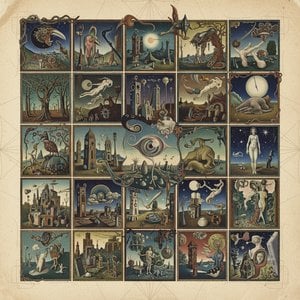
Max Ernst: 25 Šedevrai, Įkvėpę Surrealizmą | Tapyba, Dekorai ir Menas ArtsDot.com
Atraskite 25 įspūdingiausius Max Ernst kūrinius – nuo dadaizmo iki surrealizmo. Tapybos meistriškumas, psichologinis realizmas ir unikalios technikos. Įkvėpkite interjerui su ArtsDot.com reprodukcijomis! Explore the full collection online.

Evocations of Place: A Historical Journey Through Landscape Art
Explore the rich history of landscape art with ArtsDot. Discover renowned artists, movements like Impressionism & Romanticism, and expert guidance for collecting timeless pieces. Find your perfect serene escape today!

Boats on Canvas: 10 Masterpieces of Maritime Art for Your Home Decor
Sail away with 10 iconic boat paintings! Explore masterpieces by Monet, Van Gogh & Turner. Discover the stories behind these timeless seascapes and find museum-quality art reproductions for your home decor at ArtsDot.com.

Evocations of Place: A Historical Journey Through Landscape Art
Explore the rich history of landscape art with ArtsDot. Discover renowned artists, movements like Impressionism & tonalism, and expert guidance for collecting timeless pieces. Find your perfect serene escape today!