

 Peržiūrėti realybėje
 Pasidalinti
 Dalintis
 Išsamiau

 Atsisiųsti
 Panašūs eksponatai
 Rentgeno nuotrauka
 Automatinė diorama
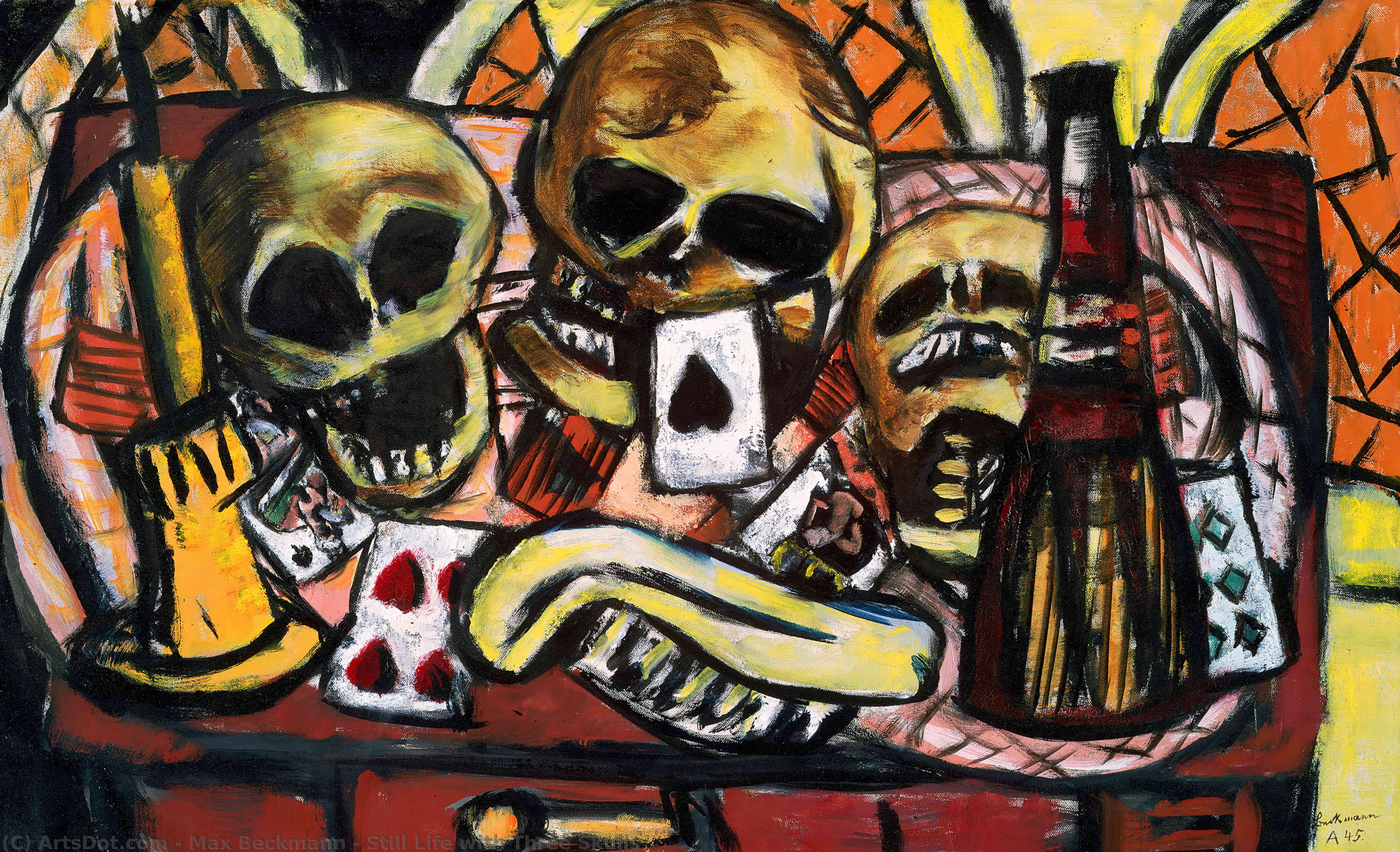
Still Life with Three Skulls


 Skaityti daugiau
Rankų darbo aliejinės reprodukcijos
Rankiniu būdu tapytas aliejus ant droblio jūsų pageidaujamame dydį ir rėmuose – mūsų menininkų darbas pagal užsakymą. ( Pirkti spaudinį Pirkti vaizdą)




P118B $10

P118H $10

P118W $10

P438Z $10

P508JH $12

P508YH $12

P805H $10

P805Z $10

P919BZ $10

P919G $10

P919XJ $10

P959ZH $10

P968JZ $12

W106C $8

W218G $10

W218JH $8

W218Y $10

W307PJ $10

W316G $10

W316PJ $8

W316Y $10

W398PJ $8

W4111J $10

W500HY $15

W500JH $15

W692G $12

W849H $8

W940BG $15

W953PJ $8




Pasirinkite iš mūsų nustatytų dydžių, atitinkančių originalaus meno kūrinio proporcijas.

Galite įvesti savo matmenis, kad jie atitiktų konkretų rėmą ar erdvę. Jei pasirinktas dydis neatitinka originalaus paveikslėlio proporcijų, mes arba apkropsime meno kūrinį, arba papildysime tapybą rankomis dažytい elementais. Prieš pradėdami gamybą, jūsų patvirtinimui atsiųsime skaitmeninį maketą.
Atkreipkite dėmesį, kad ekrane rodomas vaizdas neatspindi tikrojo apkarpymo ar papildymo. Tik maketas tiksliai parodys galutinę kompoziciją.
Nors galima rinktis ir individualius dydžius, rekomenduojame pasirinkti matmenis iš nustatytos sąrašo, kad būtų išlaikytos originalios proporcijos.
Gavus užsakymą, ArtsDot.com komanda susisieks su klientu el. paštu dėl instrukcijų ir pateiks maketo pavyzdį.
Pristatymas visame pasaulyje () per 3–4 savaites, o ne įprastai – per 5 savaites. (3 rugsėjis). Kokybė lieka nepakeičiama.

Nemokamas greitasis pristatymas visame pasaulyje

Aukštos kokybės lininis drobė

Pilnas siuntimo draudimas

Muitinės mokesčių grąžinimo garantija

Tikro spalvų atitikimo garantija

60 dienų grąžinimo politika (tik esant gamyklinėms defektams)

100% pinigų grąžinimo garantija

Nuolaida už kelias reprodukcijas
 Stiklo variantas prieinamas tik pasirinkus dydį iki 110 cm

Still Life with Three Skulls
Reprodukcijos technika
Reprodukcijos matmenys
-


Galutinė kaina
$ 263
A Memento Mori in Modernity
In the hauntingly evocative Still Life with Three Skulls, the viewer is invited into a somber, introspective space where the boundaries between life and death blur through the lens of German Expressionism. Max Beckmann, a master of capturing the psychological weight of the human condition, presents a composition that transcends mere tabletop arrangement. The painting features three skulls arranged across a dark, textured surface, their hollow sockets staring back with an unsettling permanence. Interspersed among these skeletal remains are various bottles and a solitary knife, objects that ground the macabre subject matter in a domestic, almost mundane reality. This juxtaposition creates a profound tension, as the everyday items of life sit alongside the undeniable symbols of mortality.
The technique employed by Beckmann is nothing short of visceral. Eschewing the delicate smoothness of classical still lifes, he utilizes a bold, distorted approach to space and form that reflects his experience as a medical orderly during World War I. The brushwork feels heavy and deliberate, imbuing each object with a sense of sculptural weight. There is a rhythmic quality to the placement of the bottles—one perched in the upper right, another near the center, and a third anchoring the lower left—which guides the eye through a labyrinth of light and shadow. This use of chiaroscuro, reminiscent of the Old Masters like Rembrandt, serves to heighten the drama, pulling the skulls out of the darkness and forcing a confrontation with their stark, bony architecture.
Symbolism and the Weight of Existence
To gaze upon this work is to engage with the ancient tradition of memento mori—the reminder that death is an ever-present companion. However, Beckmann breathes a modern, existential dread into this classical theme. The skulls are not merely decorative symbols; they represent the fragility of the human ego and the inevitable decay of all material things. The presence of the knife adds a layer of latent violence or perhaps the surgical precision of fate, while the bottles suggest the fleeting pleasures of the senses that cannot stave off the end. For the collector or interior designer, this piece offers more than just visual interest; it provides a profound intellectual anchor for a room, sparking conversation about the cyclical nature of life and the enduring legacy of human struggle.
For those seeking to integrate such a powerful work into a curated space, a high-quality reproduction of Still Life with Three Skulls serves as a centerpiece of immense character. It is an ideal selection for a study, a library, or a sophisticated gallery wall where art is intended to provoke thought and evoke emotion. The painting’s dark palette and commanding presence allow it to harmonize with rich textures like leather, dark wood, and velvet, creating an atmosphere of timelessness and intellectual depth. Owning this piece is an invitation to contemplate the beauty found within the shadows and to appreciate the raw, unfiltered truth of the human experience as captured by one of the twentieth century's most significant artistic voices.
panašūs kūriniai




Autoriaus biografija
ankstyvasis gyvenimas ir meninė plėtra
Max Beckmann, žymus vokiečių paintas, piešlys, grafikas, skulptorius ir rašytojas, gimė 1884 m. vasario 12 d. Saksonijos Leipziguje. Jo meninė kelionė prasidėjo nuo akademiškai tikslių vaizduotų formų, tačiau vėliau jos transformuojosi į iškraipytas figūras ir erdves, atspindėjančias jo pasikeitusią žmogaus supratimą po tarnybos medicinos pagalbininku Pirmojo pasaulinio karo metu.meninė stilius ir įtodiniai veiksniai
Beckmanno stiliui, šaknus \<į šiautą> viduramžių vitražų vaizdinio, įtakos davė daugybė menininkų, įskaitant Cézanne, Van Gogh, Blake, Rembrandt ir Rubens. Jis taip pat kūrė įkvėpimą iš vėlyvojo viduramio ir ранinio renesanso Šiaurės Europos menininkų, tokių kaip Bosch, Bruegel ir Matthias Grünewald.pastebimieji darbai ir parodos
Tarp jo svarbiausių kūrinių išskirtinai išsiskiria „Bark“ (įsiginta Berlyno Nacionalinėje galerijoje) bei „Self-portrait in Tuxedo“ (pirkta 1928 m.). Menininkas taip pat surengė retrospektyvų Mannheim städtische kunsthalle (1928 m.), taip pat Bazelyje ir Zūriche (1930 m.).vėlesnis gyvenimas ir tremtis
Beckmanno gyvenimo sėkmė pasikeitė su Adolfo Hitlerio įžaliųjų kėlimusiui, kas paskarbo jį iš meno mokyklos Frankfurte ir sukėlė daugiau nei 500 jo kūrinių konfiskaciją. Jis dešimties metų gyveno savartiškos tremties Amsterdamas, nes nepavyko gauti vizos į Jungtines Amerikos Valstijas.palikimas
Jo meninis palikimas tęsiasi per mokymą Vašingtono universiteto meno mokyklose Sent Luisas ir Brooklyn muziejuje. Pirmoji jo retrospektyva JAV įvyko 1948 m. Sent Luiso miesto meno muziejuje, o Vokijos Max-Slevogt galerijoje galima rasti kolekciją jo darbų. svarbios datos:gimė: 1884 m. vasario 12 d.
mirė: 1950 m. gruodžio 27 d.

Maksas Bekmanas
1884 - 1950 , Vokietija
Trumpa informacija
- Gimimo Data: 1884 m. vasario 12 d.
- Gimimo Vieta: Leipcigas, Vokietija
- Meninis Stilius: Ekspresionizmas
- Mirties Data: 1950 m. gruodžio 27 d.
- Pilietybė: Vokiečių
- Pilnas Vardas: Max Carl Friedrich Beckmann
- Turėjęs Įtakos Menininkai:
- Rembrandt
- Bosch
- Įtakoję Judesiai/Menininkai:
- Georges Seurat
- Vincent van Gogh
- Žymiausi Darbai:
- The Bark
- Self-Portrait in Tuxedo
Susiję straipsniai

German Expressionism's 10 Defining Masterpieces | Art for Your Home
Explore 10 defining German Expressionism masterpieces – from Munch's 'The Scream' to Kandinsky’s abstracts. Discover the artists, stories & bold colors behind this powerful art movement. Find museum-quality reproductions at ArtsDot.com.

Clyfford Still's Abstract Expressionism: A Study of Color, Form & the Existential Landscape
Explore the profound world of Clyfford Still's Abstract Expressionism with ArtsDot. Discover his unique style, existential themes & investment potential. Expert analysis for discerning collectors.

Silent Narratives: Exploring the Enduring Appeal of Still Life Painting Across Centuries
Explore the rich history of still life painting with ArtsDot. Discover Dutch Masters, decode vanitas symbolism & learn about collecting timeless art. Expert insights and museum-quality reproductions.

The Visceral Cry of a Nation: Exploring Emotion & Distortion in German Expressionism
Explore the powerful world of German Expressionism with ArtsDot. Discover Kirchner, Nolde & Die Brücke's emotive masterpieces. Learn about this pivotal art movement and its lasting impact on modern art.
The Enduring Appeal of Still Life: A Historical & Contemporary Exploration
Explore the rich history & symbolism of still life painting with ArtsDot. Discover masterpieces from the Dutch Golden Age, learn about vanitas art, and find expert guidance for collecting timeless artworks.



