

 Peržiūrėti realaus dydžio版
 Pasidalinti
 Dalintis
 Išsamiau
 Vadovas

 Atsisiųsti
 Panašūs eksponatai
 Rentgeno spindulių nuotrauka
 Automatinė diorama
 Q&A
Q&A Statistika
Seascape with poplars


 Skaityti daugiau
Giclée / Meno spausdinimas
Muziejų lygio „giclée“ arba drobos spausdinimas: greita gamyba ir lankstios apdailos parinktys. ( Pirkti rankų darbo tapybą Perejti prie skaitmeninių vaizdų)




P118B €10

P118H €10

P118W €10

P438Z €10

P508JH €12

P508YH €12

P805H €10

P805Z €10

P919BZ €10

P919G €10

P919XJ €10

P959ZH €10

P968JZ €12

W106C €8

W218G €10

W218JH €8

W218Y €10

W307PJ €10

W316G €10

W316PJ €8

W316Y €10

W398PJ €8

W4111J €10

W500HY €15

W500JH €15

W692G €12

W849H €8

W940BG €15

W953PJ €8




Pasirinkite iš mūsų nustatytų dydžių, atitinkančių originalaus meno kūrinio proporcijas.

Įveskite jums reikiamą plotį ir aukštį, kad atvaizdas derėtų prie jūsų rėmo ar sienos. Spausdiną galima tik sumažinti, bet nepadidinti virš originalaus paveikslėlio dydžio, todėl keičiant proporcijas, dalis vaizdo prarandama. Prieš spausdinimą atsiųsime jums skaitmeninį maketą patvirtinimui. Šioje puslapio nuotraukoje matomas pjūvis nėra tikslus – jį rodo tik maketas.
Pristatymas visame pasaulyje () per 2 weeks, o ne įprastas 4/5 savaičių laikotarpis. (2 lapkritis)

Nemokamas greitasis pristatymas visame pasaulyje

Aukštos kokybės lininis drobė

Pilnas siuntimo draudimas

Muitinės mokesčių grąžinimo garantija

Tikro spalvų atitikimo garantija

100 dienų grąžinimo politika (tik esant įtaigoms)

100% pinigų grąžinimo garantija

Nuolaida dideliems užsakymams
 Stiklo variantas prieinamas tik pasirinkus dydį iki 110 cm

Seascape with poplars
Giclée / Meno spausdinimas
Reprodukcijos matmenys
-


Bendroji kaina
€ 55
Max Beckmann's 'Seascape with Poplars': A Meditation on Melancholy
Max Beckmann’s ‘Seascape with Poplars,’ painted in 1924, is more than just a depiction of a coastal scene; it’s a profound exploration of human emotion rendered through the lens of Expressionism. This work, characterized by its muted palette and deliberately flattened perspective, invites viewers into a contemplative space where quiet melancholy reigns supreme. The painting immediately draws the eye to the stark contrast between the vertical thrust of the poplars lining the shore and the horizontal expanse of the sea, creating a visual tension that mirrors the underlying emotional complexity.
The scene unfolds with a restrained elegance – figures engaged in leisure activities near the water’s edge, boats gently bobbing on the waves, all bathed in diffused light. Beckmann's technique is meticulously crafted; layers of oil paint are applied in relatively flat planes, avoiding the blending and subtle gradations favored by some contemporary artists. This deliberate approach contributes to the painting’s almost sculptural quality, emphasizing form over photographic realism. The thick lines and simplified shapes – a hallmark of Expressionism – further amplify this effect, creating a sense of solidity and permanence.
A Window into the Artist's Soul
Born in Leipzig in 1884, Max Beckmann’s artistic trajectory was profoundly shaped by his experiences during World War I. His early work demonstrated academic precision, but the horrors he witnessed as a medical orderly ignited a radical shift in his vision. This transformation is powerfully evident in ‘Seascape with Poplars,’ where distorted figures and spaces reflect a deeply troubled psyche. Beckmann’s artistic vocabulary was remarkably diverse, drawing inspiration from a wide range of sources – medieval stained glass, Cézanne's geometric forms, Van Gogh’s emotive brushwork, and the symbolic narratives of Blake and Rembrandt.
The influence of Northern European artists, particularly Bosch and Grünewald, is palpable in the painting’s unsettling atmosphere. These masters were known for their ability to imbue religious scenes with a sense of foreboding and psychological depth, qualities that Beckmann skillfully translates into his seascape. The composition subtly evokes a feeling of isolation and vulnerability, mirroring the artist's own struggles with disillusionment and uncertainty.
Symbolism and Emotional Resonance
Beyond its formal elements, ‘Seascape with Poplars’ is rich in symbolic meaning. The poplars themselves – often associated with stability and resilience – stand as silent witnesses to the scene’s underlying melancholy. The boats, representing journeys and transitions, suggest a yearning for escape or perhaps a confrontation with one's own mortality. Beckmann masterfully uses color—greens, browns, and grays—to evoke a sense of quietude and somber reflection. The ambiguous perspective further enhances this effect, blurring the boundaries between reality and imagination.
The painting’s emotional impact is undeniable. It's not a joyous celebration of nature; rather, it’s a poignant meditation on human existence – a reminder of our vulnerability, our isolation, and the inevitability of change. ‘Seascape with Poplars’ remains a powerful testament to Beckmann’s artistic genius and his ability to translate complex emotions into a visually arresting work of art.
Klausimai ir atsakymai
Ar galiu pamatyti „Seascape with poplars“ – Maksas Bekmanas skirtingame apšvietime?
„Seascape with poplars“ – Maksas Bekmanas rentginio vaizdas (X-Ray) galima rasti šio kūrinio Rentgeninis vaizdas puslapio: tai interaktyvus vaizdo tyrimas per vienuolika optinių sluoksnių.
Ar „Seascape with poplars“ – Maksas Bekmanas yra ryškus ar tamsus kūrinys?
Perceptinis „Seascape with poplars“ – Maksas Bekmanas ryškumas yra bright. Jį galima suderinti su intended erdvės apšvietimu.
Atsižvelgiant į kūrinio datą, prie kokios Maksas Bekmanas karjeros etapos galima priskirti „Seascape with poplars“?
Atsižvelgiant į 1924 datą, kūrinys „Seascape with poplars“ priskiriamas Maksas Bekmanas Post WWI laikotarpiui.
panašūs kūriniai


Autoriaus biografija
ankstyvasis gyvenimas ir meninė plėtra
Max Beckmann, žymus vokiečių paintas, piešlys, grafikas, skulptorius ir rašytojas, gimė 1884 m. vasario 12 d. Saksonijos Leipziguje. Jo meninė kelionė prasidėjo nuo akademiškai tikslių vaizduotų formų, tačiau vėliau jos transformuojosi į iškraipytas figūras ir erdves, atspindėjančias jo pasikeitusią žmogaus supratimą po tarnybos medicinos pagalbininku Pirmojo pasaulinio karo metu.meninė stilius ir įtodiniai veiksniai
Beckmanno stiliui, šaknus \<į šiautą> viduramžių vitražų vaizdinio, įtakos davė daugybė menininkų, įskaitant Cézanne, Van Gogh, Blake, Rembrandt ir Rubens. Jis taip pat kūrė įkvėpimą iš vėlyvojo viduramio ir ранinio renesanso Šiaurės Europos menininkų, tokių kaip Bosch, Bruegel ir Matthias Grünewald.pastebimieji darbai ir parodos
Tarp jo svarbiausių kūrinių išskirtinai išsiskiria „Bark“ (įsiginta Berlyno Nacionalinėje galerijoje) bei „Self-portrait in Tuxedo“ (pirkta 1928 m.). Menininkas taip pat surengė retrospektyvų Mannheim städtische kunsthalle (1928 m.), taip pat Bazelyje ir Zūriche (1930 m.).vėlesnis gyvenimas ir tremtis
Beckmanno gyvenimo sėkmė pasikeitė su Adolfo Hitlerio įžaliųjų kėlimusiui, kas paskarbo jį iš meno mokyklos Frankfurte ir sukėlė daugiau nei 500 jo kūrinių konfiskaciją. Jis dešimties metų gyveno savartiškos tremties Amsterdamas, nes nepavyko gauti vizos į Jungtines Amerikos Valstijas.palikimas
Jo meninis palikimas tęsiasi per mokymą Vašingtono universiteto meno mokyklose Sent Luisas ir Brooklyn muziejuje. Pirmoji jo retrospektyva JAV įvyko 1948 m. Sent Luiso miesto meno muziejuje, o Vokijos Max-Slevogt galerijoje galima rasti kolekciją jo darbų. svarbios datos:gimė: 1884 m. vasario 12 d.
mirė: 1950 m. gruodžio 27 d.

Maksas Bekmanas
1884 - 1950 , Vokietija
Trumpa informacija
- Gimimo Data: 1884 m. vasario 12 d.
- Gimimo Vieta: Leipcigas, Vokietija
- Meninis Stilius: Ekspresionizmas
- Mirties Data: 1950 m. gruodžio 27 d.
- Pilietybė: Vokiečių
- Pilnas Vardas: Max Carl Friedrich Beckmann
- Turėjęs Įtakos Menininkai:
- Rembrandt
- Bosch
- Įtakoję Judesiai/Menininkai:
- Georges Seurat
- Vincent van Gogh
- Žymiausi Darbai:
- The Bark
- Self-Portrait in Tuxedo
Susiję straipsniai

Katsushika Hokusai: 25 Šedevrai Japonų Meno Istorijoje | ArtsDot.com
Atraskite 25 įspūdingiausius Katsushika Hokusai kūrinius! Žiūrėkite *Didžiąją bangą*, *Fuji kalną* ir kitus Ukiyo-e stiliaus šedevrus. Meno reprodukcijos jūsų interjerui – ArtsDot.com

Evocations of Place: A Historical Journey Through Landscape Art
Explore the rich history of landscape art with ArtsDot. Discover renowned artists, movements like Impressionism & Romanticism, and expert guidance for collecting timeless pieces. Find your perfect serene escape today!

Giclée Prints: Archival Quality & Aesthetic Nuances for the Discerning Collector
Explore the world of giclée prints with ArtsDot. Learn about archival quality, aesthetic nuances & investment potential. Expert guidance for discerning art collectors seeking museum-quality reproductions and lasting value.

10 Romantinių Peizažų Simbolių: Tapybos Majestatės Viršūnės
Atraskite 10 legendinių romantinio peizažo kūrinių! Pasinerkite į Claude Lorrain, Caspar David Friedrich ir J.M.W. Turner genijaus pasaulį. Išmokite apie tapybos meistriškumą bei gamtos grožį. Aukščiausios kokybės meno reprodukcijos – ArtsDot.com. Tyrinėkite kolekciją!
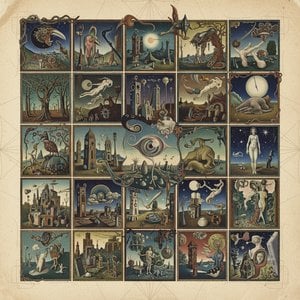
Max Ernst: 25 Šedevrai, Įkvėpę Surrealizmą | Tapyba, Dekorai ir Menas ArtsDot.com
Atraskite 25 įspūdingiausius Max Ernst kūrinius – nuo dadaizmo iki surrealizmo. Tapybos meistriškumas, psichologinis realizmas ir unikalios technikos. Įkvėpkite interjerui su ArtsDot.com reprodukcijomis! Explore the full collection online.


