

 Peržiūrėti realaus dydžio版
 Pasidalinti
 Dalintis
 Išsamiau
 Vadovas

 Atsisiųsti
 Panašūs eksponatai
 Rentgeno spindulių nuotrauka
 Automatinė diorama
 问答
问答 Statistika
Actresses

- 160.0 x 120.0 cm


 Skaityti daugiau
Giclée / Meno spausdinimas
Muziejų lygio „giclée“ arba drobos spausdinimas: greita gamyba ir lankstios apdailos parinktys. ( Pirkti rankų darbo tapybą Perejti prie skaitmeninių vaizdų)




P118B €10

P118H €10

P118W €10

P438Z €10

P508JH €12

P508YH €12

P805H €10

P805Z €10

P919BZ €10

P919G €10

P919XJ €10

P959ZH €10

P968JZ €12

W106C €8

W218G €10

W218JH €8

W218Y €10

W307PJ €10

W316G €10

W316PJ €8

W316Y €10

W398PJ €8

W4111J €10

W500HY €15

W500JH €15

W692G €12

W849H €8

W940BG €15

W953PJ €8




Pasirinkite iš mūsų nustatytų dydžių, atitinkančių originalaus meno kūrinio proporcijas.

Įveskite jums reikiamą plotį ir aukštį, kad atvaizdas derėtų prie jūsų rėmo ar sienos. Spausdiną galima tik sumažinti, bet nepadidinti virš originalaus paveikslėlio dydžio, todėl keičiant proporcijas, dalis vaizdo prarandama. Prieš spausdinimą atsiųsime jums skaitmeninį maketą patvirtinimui. Šioje puslapio nuotraukoje matomas pjūvis nėra tikslus – jį rodo tik maketas.
Pristatymas visame pasaulyje () per 2 weeks, o ne įprastas 4/5 savaičių laikotarpis. (17 lapkritis)

Nemokamas greitasis pristatymas visame pasaulyje

Aukštos kokybės lininis drobė

Pilnas siuntimo draudimas

Muitinės mokesčių grąžinimo garantija

Tikro spalvų atitikimo garantija

100 dienų grąžinimo politika (tik esant įtaigoms)

100% pinigų grąžinimo garantija

Nuolaida dideliems užsakymams
 Stiklo variantas prieinamas tik pasirinkus dydį iki 110 cm

Actresses
Giclée / Meno spausdinimas
Reprodukcijos matmenys
-


Bendroji kaina
€ 56
A Moment Frozen in Glamour: Max Beckmann’s “Actresses”
Max Beckmann's 1946 painting, "Actresses," isn’t merely a depiction of two women in a dressing room; it’s a potent distillation of anxiety, vulnerability, and the carefully constructed facade of performance. Housed within the Kunsthaus Zürich’s collection, this oil on canvas invites us into a space both intimate and unsettling, revealing a complex interplay between reality and illusion that defines much of Beckmann's oeuvre. The painting immediately draws the eye to the central figures – two women seated before a large mirror, their postures suggesting a blend of anticipation and weariness. One woman, positioned slightly to the left, holds her hand delicately to her face, a gesture simultaneously shielding herself from an unseen light or expressing a profound discomfort. Her expression is ambiguous, hinting at both apprehension and a quiet resignation.
Beckmann’s style during this period – often categorized as New Objectivity or Neo-Expressionism – deliberately rejected the emotional excesses of earlier Expressionist movements. Instead, he favored a stark realism, employing flattened perspectives and fragmented forms to create a sense of unease and psychological depth. The mirror itself is crucial; it's not a simple reflective surface but an active participant in the scene, distorting and multiplying the figures, suggesting that identity itself is fluid and constructed. The lighting, too, contributes significantly to the painting’s mood – a diffused, almost clinical light casts long shadows, emphasizing the women’s faces and highlighting their vulnerability.
Echoes of Weimar and the Shadow of War
To fully appreciate “Actresses,” it's essential to understand the historical context in which it was created. Painted in 1946, just after the end of World War II, the painting reflects the profound anxieties and uncertainties gripping Germany at the time. The Weimar Republic, a period of relative prosperity and artistic experimentation, had collapsed into chaos and ultimately succumbed to the rise of Nazism. Beckmann, a staunch critic of authoritarianism, channeled these turbulent emotions through his art. The scene within the dressing room can be interpreted as a metaphor for the broader societal anxieties – the crumbling of established norms, the loss of innocence, and the pervasive sense of disillusionment.
Beckmann’s earlier life in Leipzig, Germany, was marked by significant personal tragedy, including the death of his wife. This experience undoubtedly informed his later work, contributing to a recurring theme of isolation and psychological distress. The painting's somber palette – dominated by muted browns, grays, and blacks – reinforces this sense of melancholy and foreboding. The overall effect is less celebratory than one might expect from a depiction of actresses, instead evoking a feeling of quiet desperation.
Symbolism and the Performance of Identity
Beyond its immediate visual impact, “Actresses” is rich in symbolic meaning. The dressing room itself represents the constructed nature of identity – the elaborate costumes, makeup, and carefully rehearsed performances that actresses present to the public. The mirror serves as a constant reminder that this performance is ultimately an illusion, concealing the women’s true selves. The book visible on the table further reinforces this theme, suggesting a preoccupation with stories, narratives, and the roles we play in life.
Furthermore, the positioning of the figures – one woman facing away from the viewer, the other turned towards her – creates a dynamic tension. It’s as if they are both observing each other, caught in a silent exchange that reveals nothing but their shared vulnerability. The painting doesn't offer easy answers or resolutions; instead, it compels us to confront the complexities of human experience and the often-painful process of self-discovery.
A Timeless Reflection on Artifice and Reality
“Actresses” remains a powerfully evocative work of art, demonstrating Beckmann’s mastery of psychological observation and his ability to translate complex emotions onto canvas. It's a painting that rewards repeated viewing, revealing new layers of meaning with each encounter. Its enduring appeal lies in its honest portrayal of human fragility and the inherent tension between appearance and reality – themes that resonate deeply across generations. Whether viewed as a historical document or a timeless meditation on identity, “Actresses” continues to captivate and challenge viewers today.
Klausimai ir atsakymai
Kuriame namų kambaryje gerai tiktų „Actresses“ reprodukcija?
„Actresses“ reprodukcija puikiai tinka į Living Room.
Kada buvo sukurta „Actresses“?
„Actresses“ – Max Beckmann kūrybos metai – 1946.
Koks kontrastas yra darbe „Actresses“ – Max Beckmann?
Kūrinio „Actresses“ – Max Beckmann kontrasto lygis yra Statement.
panašūs kūriniai


Susiję straipsniai

Džeimso Ebboto Maknilo Vislerio 25 Šedevrai: Tonalizmo Elegancija Jūsų Interjere
Atraskite 25 įspūdingiausius Džeimso Ebboto Maknilo Vislerio kūrinius! Tonalizmo meistras, noktiurnai ir portretai – meno istorijos šedevrai jūsų interjerui. Pirkti aukštos kokybės reprodukcijas ArtsDot.com

Max Beckmann: Navigating Trauma & Modernity Through a Distorted Lens
Explore the powerful world of Max Beckmann's art – a journey through trauma, modernity & distortion. Discover his key works, influences, and lasting legacy with expert analysis.

Dramatic Art: 10 Masterpieces That Stir the Soul |
Explore 10 dramatic artworks by masters like Rembrandt & Munch that stir deep emotion. Discover art history, techniques & find museum-quality reproductions for your home at . Explore the full collection online.
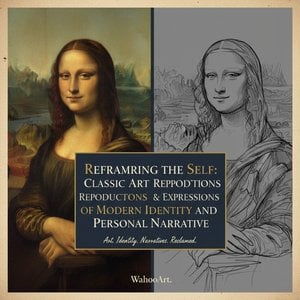
Asmenybės Atspindžiai Aliejuje: Klasikinės Tapybos Reprodukcijos kaip Šiuolaikinės Tapatybės ir Asmeninio Pasakojimo Ekspresija
Atraskite klasikinės tapybos reprodukcijas, atspindinčias Jūsų asmenybę! Aukštos kokybės aliejiniai paveikslai, individualūs užsakymai ir meno konsultacijos. Sukurkite unikalų interjerą su ArtsDot.com.

The Resonance of Boldness: Exploring Emotional Impact & Artistic Expression
Explore the powerful world of Expressionism with ArtsDot. Discover key artists like Kirchner & Rothko, understand its emotional impact, and learn how to collect this influential art movement. Expert insights for discerning collectors.


