


 Peržiūrėti realybėje
 Pasidalinti
 Dalintis
 Išsamiau

 Atsisiųsti
 Panašūs eksponatai
 Rentgeno nuotrauka
 Automatinė diorama
Peter Grayson


 Skaityti daugiau
Įsigykite aukštos skiriamosios raiškos, patobulintą skaitmeninį vaizdą, gerokai pranašesnį už internetinę peržiūrą.
Kiekvieną failą mūsų specialistai kruopščiai paruošia naudojant pažangias technologijas ir profesionalų rankinį retušavimą. Užtikriname, kad kiekvienas vaizdas pasižymėtų išskirtiniu aiškumu, tikslia spalvų atspalviu ir smulkiomis detalėmis.
Baigiamas failas el. paštu pristatomas per 72 valandas; jis optimizuotas nedelsiant naudojimui profesionalioje, redakcinėje ir spausdinimo aplinkoje. Tai ta pati kokybė, kuria pasitiki aukščiausios klasės dizaino studijos, leidyklos ir galerijos.
Skaitmeninis vaizdas
Atsisiųskite didelės raiškos failą asmeniniam naudojimui, spausdinimui ir kūrybiniams projektams. ( Pirkti spaudinį Pirkti rankomis tapytą paveikslą)
Kiekvieną skaitinio vaizdo užsakymą papildė
Profesionalus skaitmeninis pristatymas, garantuotas
Pasirinkę ArtsDot.com, jūs ne tik gaunate paveikslėlį – jūs gaunate profesionaliai patobudintą skaitmeninį kūrinį, sukurtą itin tikniai ir užtikrinantį pasitenkinimą. Štai viską, kas automatiškai pritékia jūsų užsakymui:

Greitas siuntimas el. paštu
Jūsų aukštos raiškos skaitmeninis vaizdo failas bus išsiųstas jums el. paštu per 72 valaudas nuo užsakymo – paruoštas naudojimui be jokių papildomų veiksmų.

Skaitmeninis failas su dirbtiniu intelektu
Jūsų meno kūrinys profesionaliai optimizuojamas naudojant pažangius dirbtinio intelekto įrankius ir rankinį redagavimą, užtikrinant maksimalią detalę, aiškumą ir spalvų tikslumą.

Nemokamas visam laikui pakartotinis siuntimas
Atsitiktinai ištrytikote ar praradote savo failą? Nebijokite – bet kuriuo metu atsiųsime jį jums vėl nemokamai.

Jokio importo mokesčio – niekada
Mėgaukitės savo meno kūriniu akimirka – skaitiniai failai visada yra neapmokestinami, todėl nereikės mokėti muitinės, mokesčių ar pristatymo mokesčių.

Spalvų tikslumo garantija
Naudodami profesionalią įrangą ir spalvų valdymo sistemas, užtikriname, kad jūsų skaitmeninis vaizdas kuo tiksliau atspindėtų originalias spalvas.

60 dienų pasitenkinimo garantija
Jei nebuvate patenkinti savo skaitinio vaizdo, per 60 dienų jį pertaisysime arba grąkinsime 100% sumą – be jokių klausimų.

100% pinigų grąžinimo garantija
Nepat 만족inti? Gaukite visą sumokėtą sumą per 60 dienų nuo skaitmeninio failo gavimo – be jokių papildomų klausimų.

Nuolaidos dideliems užsakymams
Pirkti 3 nuotraukas – pasiūla 10% - Pirkti 5 – pasiūla 15% - Pirkti 10 ir daugiau – pasiūla 20%. Puikiai tinka kūrybiniams projektams, galerijoms bei agentūroms.
panašūs kūriniai


Autoriaus biografija
Thomas Gainsborough: A Painter of Light and Landscape
Thomas Gainsborough, a name synonymous with the quintessential English countryside, was more than just a painter; he was a chronicler of his time, a master of light and atmosphere, and a pivotal figure in establishing landscape painting as a respected art form. Born on May 14th, 1727, in Sudbury, Suffolk, into a family of cloth merchants, Gainsborough’s early life offered little indication of the artistic path he would ultimately forge. His apprenticeship with a London silversmith instilled a foundational understanding of craftsmanship and detail, while his brief association with Hubert Gravelot, a French book illustrator, introduced him to the world of engraving and provided an initial exposure to the techniques that would later inform his painting style. It was this early combination – precision and observation – that proved crucial to his enduring legacy.Early Years and Artistic Development
Gainsborough’s artistic journey began modestly, initially focusing on portraiture in Ipswich around 1752. However, he harbored a deep passion for landscape painting, a desire frequently expressed through poignant letters to his friend William Jackson, lamenting the demands of commissioned portraits and yearning for the tranquility of rural scenes. This inherent conflict – between commercial obligations and artistic inclination – shaped much of his career. His early landscapes, often characterized by loose brushwork and a vibrant palette, were largely experimental, seeking to capture not just the visual appearance of the countryside but also its mood and character. Influenced by artists like William Hogarth and Claude Lorrain, Gainsborough initially adhered to established conventions, yet he quickly developed his own distinctive style – one defined by an intuitive understanding of light, color, and composition. The influence of Dutch Masters, particularly Rembrandt’s masterful use of chiaroscuro (the contrast between light and dark), is subtly evident in the dramatic lighting effects that frequently grace his canvases.The Rise to Prominence: Portraits and Landscapes
By the late 1760s, Gainsborough had firmly established himself as a leading portrait painter in London, attracting a clientele of nobility and gentry eager to commission depictions of themselves and their families. His portraits were notable for their psychological depth and ability to capture not just physical likeness but also personality and mood. Simultaneously, he continued to develop his landscape paintings, gradually shifting towards a looser, more expressive style. He began incorporating elements of the Picturesque – an aesthetic valuing irregularity, spontaneity, and the sublime beauty of nature – into his work, rejecting the idealized landscapes favored by some of his contemporaries. This shift was partly influenced by the writings of William Gilpin and Thomas Pennant, who championed the appreciation of natural scenery. His depictions of figures within these landscapes—often rural laborers or shepherds—added a layer of social commentary to his art, subtly reflecting on the changing relationship between humanity and nature.Royal Patronage and Artistic Independence
Gainsborough’s success as a portraitist brought him into contact with influential figures, including the Duke and Duchess of Cumberland and, later, King George III and Queen Charlotte. These commissions provided financial security but also created tensions, particularly regarding the hanging of his paintings at the Royal Academy, which he felt undervalued his work. Frustrated by the Academy’s rigid adherence to classical principles, Gainsborough ultimately withdrew from their exhibitions in 1773, choosing instead to organize his own annual summer exhibitions in his studio at Schomberg House. This bold move demonstrated his artistic independence and solidified his position as a leading figure in the burgeoning art world of London. His decision to showcase his work independently allowed him greater control over how his paintings were presented and appreciated.Legacy and Lasting Influence
Thomas Gainsborough died on August 2nd, 1788, leaving behind a remarkable body of work that continues to captivate audiences today. His landscapes are celebrated for their atmospheric quality, capturing the essence of the English countryside with breathtaking beauty. His portraits, equally renowned, offer profound insights into the personalities and social contexts of his subjects. Gainsborough’s influence on subsequent generations of artists is undeniable; he helped to elevate landscape painting to a position of equal importance alongside portraiture, paving the way for Romantic painters like John Constable and J.M.W. Turner. His legacy extends beyond the art world, as his paintings have become iconic representations of English identity and rural life. The Tate’s collection, including the poignant self-portrait, stands as a testament to his enduring artistic vision.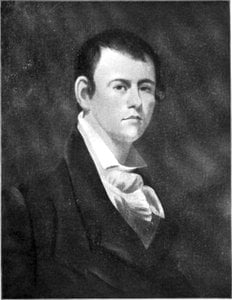
matthew harris jouett
1788 - 1827 , United States of America
Trumpai apie šį kūrėją
- Artistic Movement Or Style: Picturesque, Landscape
- Artists Or Movements Influenced By This Artist:
- Reynolds
- Rococo
- Artists Who Influenced This Artist: ['Hubert Gravelot']
- Date Of Birth: May 14, 1727
- Date Of Death: August 2, 1788
- Full Name: Thomas Gainsborough
- Nationality: British
- Notable Artworks:
- Musidora
- The Baillie Family
- Lady Rufford
- Place Of Birth: Sudbury, Suffolk, England

