


 Peržiūrėti realybėje
 Pasidalinti
 Dalintis
 Išsamiau

 Atsisiųsti
 Panašūs eksponatai
 Rentgeno nuotrauka
 Automatinė diorama
Wave Hill
 Contemporary Realism
 1989
1989 24.0 x 19.0 cm
 Skaityti daugiau
Giclée / Meno spausdinimas
Muziejų lygio „giclée“ arba drobos spausdinimas: greita gamyba ir lankstios apdailos parinktys. ( Pirkti rankomis tapytą paveikslą Pirkti vaizdą)




































Pasirinkite iš mūsų nustatytų dydžių, atitinkančių originalaus meno kūrinio proporcijas.

Galite nurodyti savo matmenis, kad vaizdas atitiktų konkretų rėmą ar erdvę. Jei pasirinktas dydis nesutaps su originalaus paveikslėlio proporcijomis, mes arba apkirpsime kūrinį, arba išplėsime vaizdą naudojant veideliu atspindėtą arba vientisą šoną. Skaitmeninis maketas bus išsiųstas jums patvirtinti prieš pradedant gamybą.
Atkreipkite dėmesį, kad ekrane matomas vaizdinys neatspindi tikrojo apkirpimo ar išplėtimo. Tik maketas tiksliai parodytų galutinę kompoziciją.
Nors galima rinktis ir individualius dydžius, rekomenduojame pasirinkti vieną iš išanksti nustatytų matmenų, kad būtų išlaikytos originalios proporcijos.
Pristatymas visame pasaulyje () per 2 weeks, o ne įprastas 4/5 savaičių laikotarpis. (28 rugpjūtis)

Nemokamas greitasis pristatymas visame pasaulyje

Aukštos kokybės lininis drobė

Pilnas siuntimo draudimas

Muitinės mokesčių grąžinimo garantija

Tikro spalvų atitikimo garantija

60 dienų grąžinimo politika (tik esant gamyklinėms defektams)

100% pinigų grąžinimo garantija

Nuolaida už kelias reprodukcijas
 Stiklo variantas prieinamas tik pasirinkus dydį iki 110 cm

Wave Hill
Giclée / Meno spausdinimas
Reprodukcijos matmenys
-


Galutinė kaina
$ 62
panašūs kūriniai


Autoriaus biografija
Madoka Takagi: A Quiet Observer of Urban Decay
Madoka Takagi (1956 – 2015) emerged as a distinctive voice in American photography during the late 1980s and early 1990s, specializing in meticulously crafted palladium prints that explored themes of industrial decay and the harmonious coexistence of architecture and nature. Born in Hokkaido, Japan, Takagi immigrated to New York City in 1987, establishing herself as a freelance artist and gaining recognition for her singular aesthetic—characterized by stark contrasts between black and white tones and an unwavering focus on geometric forms. Her work stands apart from prevailing trends of the era, prioritizing subtle nuances of texture and light over grand narratives or dramatic compositions.- Early Influences: Takagi’s artistic sensibilities were profoundly shaped by Japanese Minimalism and Zen Buddhism, principles that instilled in her a reverence for simplicity and an appreciation for capturing essential qualities rather than embellishments. These influences are evident in her deliberate cropping choices and the restrained palette of her prints—a conscious rejection of excessive color saturation.
- Technique: Takagi’s mastery lay in her painstaking process of palladium printing, a technique developed in the early 20th century that produces exceptionally stable images with unparalleled tonal range. She meticulously prepared photographic negatives and carefully positioned them within darkened chambers to achieve optimal exposure—a labor-intensive undertaking demanding precision and patience.
- Notable Works: Her portfolio includes iconic pieces like “Wave Hill,” a haunting grayscale depiction of a greenhouse framework, capturing the melancholic beauty of abandoned structures intertwined with verdant foliage. Similarly, “New York 101,” showcases a crumbling turret building against the backdrop of Brooklyn’s skyline, embodying urban decay alongside an unexpected element of organic growth.
Exploring Themes of Decay and Harmony
Takagi's artistic vision centered on confronting the inevitable passage of time and revealing hidden beauty within seemingly desolate environments. Unlike photographers who sought to glorify progress or celebrate grandeur, she deliberately confronted ruin—the crumbling facades of buildings, overgrown vegetation reclaiming forgotten spaces—to illuminate a deeper truth about resilience and transformation. Her images aren’t merely representations of physical decay; they are meditations on the cyclical nature of existence and the enduring power of natural forces.- Symbolism: The geometric precision of her compositions – often featuring repeating lines and angles – serves as a counterpoint to the organic chaos of the landscapes she portrays. This juxtaposition symbolizes the tension between human ambition and the immutable laws of nature, prompting viewers to contemplate our relationship with the environment and the legacy we leave behind.
- Palette: Takagi’s masterful use of grayscale reinforces her thematic concerns. The absence of color amplifies textural details—the rough surface of brickwork, the delicate veins of leaves—drawing attention to the tactile qualities of her subjects and emphasizing their vulnerability.
Recognition and Legacy
Despite her relatively modest output, Takagi’s photographs garnered critical acclaim and secured a place in museum collections. Her work was exhibited at The Midtown Y Photography Studio, cementing her reputation as an artist dedicated to capturing understated beauty and confronting uncomfortable realities. Furthermore, “Coney Island, Brooklyn,” a watercolor reproduction of Takagi's celebrated image—a striking portrayal of urban decay interwoven with botanical elements—continues to resonate with audiences today, demonstrating the enduring power of her artistic vision. Madoka Takagi’s legacy resides not in grand pronouncements but in quiet observations—a testament to the transformative potential of art when it embraces simplicity and confronts the complexities of our world.Further Exploration
You can find more information about Madoka Takagi's work at Smithsonian American Art Museum. Also, explore her photographic prints on Wave Hill and admire “New York 101” at New York 101.
madoka takagi
1956 - 2015
Trumpa informacija
- Artistic Movement Or Style: Photography
- Date Of Birth: 1956
- Full Name: Madoka Takagi
- Nationality: Japanese-American
- Notable Artworks:
- Wave Hill
- New York 101
- Coney Island
- Place Of Birth: Obihiro, Hokkaido, Japan
Susiję straipsniai

White on Canvas: 10 Masterpieces & Timeless Elegance for Your Home Decor
Explore 10 iconic white paintings by Monet, Whistler & Rothko! Discover the stories behind these serene masterpieces and their impact on art history. Find museum-quality reproductions for your home decor at .

Dark Masterpieces: 10 Iconic Paintings Dominated by Black Tones |
Explore 10 iconic paintings dominated by black tones, from Rembrandt’s chiaroscuro to Goya's dark expressions. Discover the stories behind these masterpieces & find museum-quality art reproductions for your home at .

Monochrome Visions: Exploring the Aesthetic & Historical Significance of Black & White Photography
Explore the rich history & artistic power of black and white photography. From early techniques to iconic masters like Ansel Adams, discover why monochrome continues to captivate art lovers today. Expert insights for collectors.
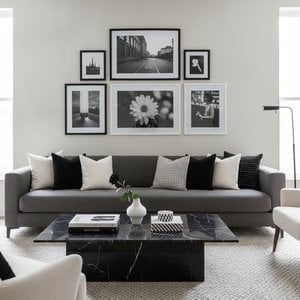
Timeless & Chic: Elevating Your New Home with the Sophistication of Black and White Photography
Transform your new home with the timeless allure of black and white photography. ArtsDot.com specializes in elegant monochrome decor and custom hand-painted wedding portraits that turn cherished milestones into lasting, soulful masterpieces. Elevate your space with ease.

Mars Black Masterpieces: 10 Iconic Paintings & Timeless Art Decor Ideas
Delve into the power of 'Mars Black' with 10 iconic paintings by masters like Rembrandt & Caravaggio. Explore dramatic chiaroscuro, gothic art, and timeless beauty. Find museum-quality reproductions & elevate your home decor on .

