

 Peržiūrėti realybėje
 Pasidalinti
 Dalintis
 Išsamiau

 Atsisiųsti
 Panašūs eksponatai
 Rentgeno nuotrauka
 Automatinė diorama
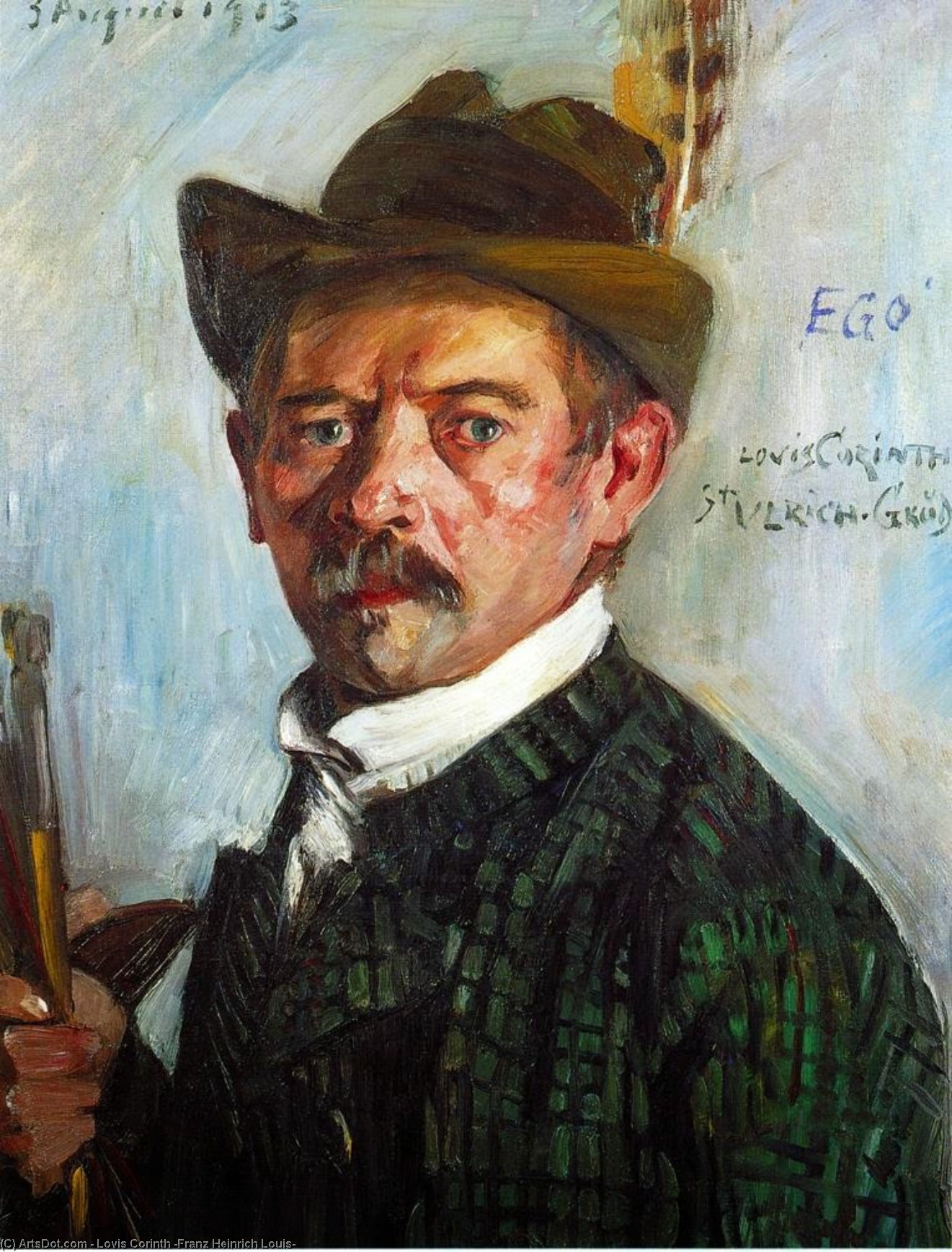
Self Portrait in a Tyrolean Hat
 Acrylic On Canvas
- WallArt
- Impressionism
 1913
1913 80.0 x 60.0 cm
 Museum Folkwang
 Skaityti daugiau
Giclée / Meno spausdinimas
Muziejų lygio „giclée“ arba drobos spausdinimas: greita gamyba ir lankstios apdailos parinktys. ( Pirkti rankomis tapytą paveikslą Pirkti vaizdą)




P118B $10

P118H $10

P118W $10

P438Z $10

P508JH $12

P508YH $12

P805H $10

P805Z $10

P919BZ $10

P919G $10

P919XJ $10

P959ZH $10

P968JZ $12

W106C $8

W218G $10

W218JH $8

W218Y $10

W307PJ $10

W316G $10

W316PJ $8

W316Y $10

W398PJ $8

W4111J $10

W500HY $15

W500JH $15

W692G $12

W849H $8

W940BG $15

W953PJ $8




Pasirinkite iš mūsų nustatytų dydžių, atitinkančių originalaus meno kūrinio proporcijas.

Galite nurodyti savo matmenis, kad vaizdas atitiktų konkretų rėmą ar erdvę. Jei pasirinktas dydis nesutaps su originalaus paveikslėlio proporcijomis, mes arba apkirpsime kūrinį, arba išplėsime vaizdą naudojant veideliu atspindėtą arba vientisą šoną. Skaitmeninis maketas bus išsiųstas jums patvirtinti prieš pradedant gamybą.
Atkreipkite dėmesį, kad ekrane matomas vaizdinys neatspindi tikrojo apkirpimo ar išplėtimo. Tik maketas tiksliai parodytų galutinę kompoziciją.
Nors galima rinktis ir individualius dydžius, rekomenduojame pasirinkti vieną iš išanksti nustatytų matmenų, kad būtų išlaikytos originalios proporcijos.
Pristatymas visame pasaulyje () per 2 weeks, o ne įprastas 4/5 savaičių laikotarpis. (18 rugpjūtis)

Nemokamas greitasis pristatymas visame pasaulyje

Aukštos kokybės lininis drobė

Pilnas siuntimo draudimas

Muitinės mokesčių grąžinimo garantija

Tikro spalvų atitikimo garantija

60 dienų grąžinimo politika (tik esant gamyklinėms defektams)

100% pinigų grąžinimo garantija

Nuolaida už kelias reprodukcijas
 Stiklo variantas prieinamas tik pasirinkus dydį iki 110 cm

Self Portrait in a Tyrolean Hat
Giclée / Meno spausdinimas
Reprodukcijos matmenys
-


Galutinė kaina
$ 62
Kolekcinio eksponato aprašymas
A Portrait of Resilience: Lovis Corinth’s “Self-Portrait in a Tyrolean Hat” (1913)
Lovis Corinth's "Self-Portrait in a Tyrolean Hat," painted in 1913, is more than just a depiction of an artist; it’s a poignant study of identity, recovery, and the evolving spirit of a man grappling with both personal tragedy and artistic transformation. This remarkable work, currently housed within the Museum Folkwang in Essen, Germany, offers a rare glimpse into the inner world of a pivotal figure bridging the Impressionistic and Expressionist movements – a journey marked by physical hardship and an unwavering commitment to his craft.
The painting immediately draws the eye with its vibrant palette. Corinth employs bold strokes of ochre, crimson, and deep blues, creating a sense of immediacy and raw emotion. The Tyrolean hat itself—a symbol of rustic charm and regional identity—is rendered with meticulous detail, yet it feels slightly incongruous against the artist’s face, hinting at a deliberate juxtaposition. This isn't merely a casual addition; it speaks to Corinth’s conscious exploration of themes related to heritage, memory, and perhaps even a yearning for simpler times.
The Shadow of Recovery: Context and Technique
Painted just two years after a debilitating stroke severely impacted his left hand, “Self-Portrait in a Tyrolean Hat” is inextricably linked to Corinth’s arduous recovery. The physical limitations imposed by the stroke profoundly influenced his artistic approach. Notice how he subtly shifts his posture, adopting a more upright stance and holding his brush with his right hand – a deliberate act of reclaiming agency after a period of vulnerability. This isn't simply about overcoming disability; it’s about redefining his relationship with art itself.
Corinth’s technique during this period is particularly noteworthy. While retaining elements of Impressionism—evident in the loose brushwork and emphasis on capturing fleeting light—he increasingly incorporates expressive qualities reminiscent of Expressionism. The colors are intensified, the forms simplified, and a sense of urgency permeates the composition. The painting feels less like a carefully constructed portrait and more like an immediate emotional outpouring – a visual record of his internal struggle.
Symbolic Layers: Hat, Face, and the Unspoken
Beyond its technical merits, “Self-Portrait in a Tyrolean Hat” is rich with symbolic layers. The hat itself can be interpreted as a shield—a defense against the world and perhaps even his own self-doubt. Corinth’s face, etched with lines of worry and determination, reflects the weight of his experience. The direct gaze into the viewer creates an intimate connection, inviting us to share in his introspection.
Interestingly, Corinth's choice of a Tyrolean hat is not merely decorative. It connects him to the Alpine region, a place he would later find solace and inspiration during his recovery. This retreat to nature represents a crucial step in his healing process – a return to the physical world that had initially caused him so much pain.
A Legacy of Transformation
“Self-Portrait in a Tyrolean Hat” stands as a testament to Lovis Corinth’s resilience and artistic evolution. It's a powerful depiction of an artist confronting adversity, not with resignation, but with renewed determination and a willingness to embrace new forms of expression. This painting is more than just a portrait; it’s a visual diary of a man’s journey—a story of loss, recovery, and the enduring power of art to transform both the self and the world around us. Reproductions offer a remarkable opportunity to experience this deeply moving work firsthand.
panašūs kūriniai


Autoriaus biografija
Daivai, išvirkinta spalvom: Lovis Corinth pasaulis
Lovis Corinth, gimęs 1858 m. liepos 21 d. Prūsijos rytų province kaip Franz Heinrich Louis, buvo figūra, įkūnijusi turbulentinį perėjimą iš XIX a. į ankstyvąjį XX a. meno pasaulį. Jo kelionė nebuvo sklandi sėkmė, o veikiau nuoseklus evoliucijos procesas, skatinamas nekaltos studijos, įvairių įtakų ir, galiausiai, asmeninės tragedijos. Corinth aprėbos šaknys įsikūrė kaimo kraujbrazdėse Tapiave, kur jo tėvas dirbo odinės dirbtuvėse. Šis ankstyvas susidavimas su darbo fiziškumu ir grynais gamtos grožiu subtiliai persmelgė vėlesnius jo kūrinius, net ir atėjus sudėtingesnėms stilistinėms paieškoms. 1876 m. jis pradėjo studijas Königsbergo akademijoje, tačiau greitai suprato, kad viena tik akademinė tradicija nepatinkės jo meninės ambicijos. Po to sekė kelionės į Miuną, Antverpį ir galiausiai Paryzium – kiekvienas miestas tapo svarbiu laipteliu jo kūrybinėje plėtroje. Miune jis pasisavino kruopštų realizmą, skatinamą Ludwig von Löfftz, tobulindamas stebėjimo įgūdžius ir meistruodamas techniką. Antverpis sus pažintino jį su dramatiška Rubenso baroko intensyvumu, o Paryzius atvertė priešais pradinį impresionizmo judėjimą, nors jo pirminė reakcija buvo labiau atsargus stebėjimas nei akimirksniu prisipareigojimas.Nuo naturalizmo iki stilių sintezės
Corinth meno vystymasis nebuvo pažymėtas staigiais revolucinėmis permainomis, o veikiau įvairių įtakų palaipsniui asimiliacija ir sinteze. Jo ankstyvasis kūrybos etapas stipriai linko į naturalizmą, atspindintį tam laikui galiojusius akademinius standartus. Tokie paveikslai kaip „Mėslinėje“ (1878), su jų neobelgžiniu gyvūnų kūnų vaizdavimu, demonstruoja šį ištikimumą realistiškam atvaizdavimui, tačiau net ir čia pradeda iškilinė emocinė intensyvumas. Pati tematikos – šiurkščios ir visceralios – užsimardė apie pasirengimą susidurti su nemalgiomis tiesomis, savybe, kuri vėliau tapo vis svarbesnė jo kūryboje. Laikas, praleistas studijuojant senovės meistrus, ypač Rubensą, įsidieginė jį dinamiškumo ir ekspresyvaus teptuko meilę. Tačiau būtent susidavimas su impresionizmu – iš pradžių vertinamu skeptiškai – galiausiai tapo transformatyvus. Jis ne tiesiog priėmė Monet ar Renoir spalvų fragmentaciją bei trumpalaikius šviesos vaizdus; vietoj to jis integruojo šiuos elementus į savo unikalią viziją, sukurdamas stilių, kuriame impresionistinis ryškumas susilieja su išskirtiniu vėminčiu vokiškumu. Ši sintezė galiausiai pozicionavo jį kaip tiltą tarp impresionizmo ir ekspresionizmo – dviejų judėjimų, apibrėžusių XX a. pradžios meno peizažą.Portretūros ir peizažo meistras
Nors per visą savo karjerą Corinth tyrinėjo įvairius žanrus – įskaitant biblijinius scenas ir mitologines temas – jis yra prisimenamas būtent dėl savo portretų ir peizažų. Jo portretūra nebuvo tik fizinio panašumo fiksavimas; tai buvo bandymas įsikliudyti į psichologinį savo modelių gylį, atskleisdamas jų vidinę pasaulį per subtilius gestus, išraiškantes akis ir kruopščiai apgalvotas kompozicijas. Jis turėjo neįtikėtiną gebėjimą perteikti charakterį ir emociją su stebėtinu priemonių taupymu. Taip pat jo peizažai nebuvo tiesiog vaizdingų vietų atvaizdai, o greičiau emociniai atsakymai į gamtą. Bavarijos Alpų Walchensee regionas tapo ypatingu įkvėšanas šaltiniu, suteikdamu jam gausybę motyvų, kuriuos jis vėl ir vėl tyrinėjo vėlesniaisiais metais. Šie paveikslai pasižymi drąsiais spalvomis, dinamišku teptuku ir grynos energijos pojūčiu, atspindinčiu patį Corinth priklausomybę gamtos pasauliui. Jis neinteresavosi idiliškais vaizdiniais; jis siekė įamžinti nekontroliuojamą jėgą ir prigimtinę peizažo dramą.Tragėdis, atsparumas ir ilgalaikė paliktis
Svarbiausias momentas Corinth gyvenime – ir galbūt jo meninėje plėtroje – buvo insultas, patirtas 1911 m. gruodį. Kairės pusės paralizis grėse visai nutraukti jo karjerą. Tačiau su nepriklausoma valia ir žmonos Charlotte Berend-Corinth parama, jis išmoksė dažyti iš naujo, prisitaikydamas prie savo fizinių keterių ir sukuriant dar ekspresyvesnį stilių. Šis laikotarpis tapo lūžio tašku jo kūryboje, nes paveikslai tapo vis drąsesni, gestiški ir emociniu krūviu prisipildyti. Mirties ir fizinio nepriklausomybės išbandymas įliejo į jo meną naują skubos ir autentiškumo pojūtį. Jis priėmė laisvesnį teptuko traukimą ir intensyvesnę spalvų paletę, iš priešplanuodamas daugeliui stilistinių inovacijų, kurios apibrėžtų ekspresionizmą. Corinth įtaka išsilygo už jo paties tapinimo ribas; jis taip pat buvo gerbiama mokytojas ir menininkas rašytojas, leiddamas tokius eseus kaip „Apie mokymąsi dažyti“ 1au 1908 m., teikdamas įžvalgas į savo meninę filosofiją ir techninį požiūrį. Nuo 1915 m. iki mirties 1925 m. jis tarnavo kaip Berlyno Secession prezidentas, puosivindamas progresyvias menines idėjas ir skatindamas gyvą kūrybinę bendruomenę. Lovis Corinth paliktis slypi ne tik jo nuostabioje kūrybos veikalų rinkinyje, bet ir nekliudytame ištikimume meninei integritetui bei gebėjime asmeninę tragediją paversti giliu meniniu išraiška. Jis išlieka svarbiu figūra vokiečių meno istorijoje – meistras, sujungęs dvi eras ir palikęs neištrinčiam žymą būsimoms menininkų kartoms.Svarbiausi darbai ir jų reikšmė
- Mėslinėje (1878): šiurkštus realizmas, vaizduojantis gyvūnų kūnų pežlėjimą, demonstruojantis ankstyvąjį Corinth technikos meistriškumą ir pasirengimą susidurti su nemalgiomis temomis.
- Autoportretas (įvairiais metais): metiniu savo gimimo dieną sukurtų autoportretų ciklas, teikiantis įtraukiantį kroniką apie keičiantįsi paveikslėjo savęs suvokimą ir meninį stilių. Šie darbai atskleidžia gilią introspekciją ir drąsą tyrinėti tapatybę.
- Moteris pusiau nuoga su skrybėle (1906): demonstruoja Corinth gebėjimą sujungti klasicinius motyvus su impresionistinėmis technikomis, kurdamas jausmingą ir psichologiškai įtraukiančią portretūrą.
- Walchensee ciklas (įvairiais metais): Bavarijos Walchensee regiono peizažų rinkinys, pasižymintis ryškiams spalvomis, dinamišku teptuku ir emociniu intensyvumu. Šie paveikslai reprezentuoja subrandusią Corinth stilių jo didžiausiame jėgos ir išraiškos viršūnėje.
- Paskutinis autoportretas (1924): nupieštas nedługi prieš mirtį, šis darbas yra jautrus įrodymas apie menininko atsparumą ir nepriklausomą dvasią susidūrę su fiziniu sunkumu. Jis įtvirtina jo meninės kelionės kulminaciją ir tarnauja kaip galingas žmogaus ištikimybės simbolis.

Lovis Korintas
1858 - 1925 , Rusija
Trumpa informacija
- Artistic Movement Or Style: Impressionism & Expressionism
- Artists Who Influenced This Artist:
- Courbet
- Rubens
- Date Of Birth: July 21, 1858
- Date Of Death: July 17, 1925
- Full Name: Franz Heinrich Louis Corinth
- Nationality: German
- Notable Artworks:
- In the Slaughter House
- Self-Portrait
- Female Semi-Nude
- Place Of Birth: Tauwade, Netherlands
Susiję straipsniai

Lovis Corinth: Bridging Impressionism & Expressionism – A Study of Artistic Evolution
Explore the fascinating artistic journey of Lovis Corinth, a pivotal figure bridging Impressionism & Expressionism. Discover his evolution, key works, and lasting impact on modern art with ArtsDot.

Reflecting the Self: A History of Portraiture & Psychological Insight
Explore the fascinating history of self-portraiture from Renaissance masters like Dürer & Rembrandt to modern interpretations. Discover the psychological insights and artistic techniques behind these iconic works. Expert analysis for art enthusiasts.

The Echo of Self: Reflectivity as a Core Theme in Art History & Contemporary Practice
Explore the rich history of self-representation in art, from Renaissance masters to modern innovators. Discover how artists use portraiture to reveal identity, emotion & the depths of the human psyche. Expert insights for collectors.

Impressionism's Masterpieces: 10 Paintings That Defined a Movement | ArtsDot
Journey through Impressionism's heart with 10 iconic paintings by Monet, Renoir & Degas. Explore light, color & the stories behind these masterpieces. Find museum-quality art reproductions and elevate your home decor on ArtsDot.com.
Paul Cézanne: 25 Šedevrai, Keičiantys Meno Pasaulį | ArtsDot.lt
Atraskite 25 Paul Cézanno šedevrus! Išsami analizė, istorijos ir įkvėpimas interjero dekorui. Modernus menas, impresionizmas, natiurmortai – viskas ArtsDot.com. Explore the full collection online!


