


 Peržiūrėti realybėje
 Pasidalinti
 Dalintis
 Išsamiau

 Atsisiųsti
 Panašūs eksponatai
 Rentgeno nuotrauka
 Automatinė diorama
Background\n\nBackground_1
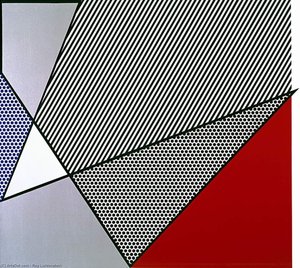
 2007
2007 105.0 x 150.0 cm
 Korean Art Museum Association
 Skaityti daugiau
Giclée / Meno spausdinimas
Muziejų lygio „giclée“ arba drobos spausdinimas: greita gamyba ir lankstios apdailos parinktys. ( Pirkti rankomis tapytą paveikslą Pirkti vaizdą)




































Pasirinkite iš mūsų nustatytų dydžių, atitinkančių originalaus meno kūrinio proporcijas.

Galite nurodyti savo matmenis, kad vaizdas atitiktų konkretų rėmą ar erdvę. Jei pasirinktas dydis nesutaps su originalaus paveikslėlio proporcijomis, mes arba apkirpsime kūrinį, arba išplėsime vaizdą naudojant veideliu atspindėtą arba vientisą šoną. Skaitmeninis maketas bus išsiųstas jums patvirtinti prieš pradedant gamybą.
Atkreipkite dėmesį, kad ekrane matomas vaizdinys neatspindi tikrojo apkirpimo ar išplėtimo. Tik maketas tiksliai parodytų galutinę kompoziciją.
Nors galima rinktis ir individualius dydžius, rekomenduojame pasirinkti vieną iš išanksti nustatytų matmenų, kad būtų išlaikytos originalios proporcijos.
Pristatymas visame pasaulyje () per 2 weeks, o ne įprastas 4/5 savaičių laikotarpis. (13 rugpjūtis)

Nemokamas greitasis pristatymas visame pasaulyje

Aukštos kokybės lininis drobė

Pilnas siuntimo draudimas

Muitinės mokesčių grąžinimo garantija

Tikro spalvų atitikimo garantija

60 dienų grąžinimo politika (tik esant gamyklinėms defektams)

100% pinigų grąžinimo garantija

Nuolaida už kelias reprodukcijas
 Stiklo variantas prieinamas tik pasirinkus dydį iki 110 cm

Background\n\nBackground_1
Giclée / Meno spausdinimas
Reprodukcijos matmenys
-


Galutinė kaina
$ 62
panašūs kūriniai



Autoriaus biografija
Edward Hopper: A Portrait of American Solitude
Edward Hopper, born in Nyack, New York, on July 22, 1882, remains one of America’s most enduring and enigmatic figures in art history. His paintings, characterized by their stark realism, evocative lighting, and poignant sense of isolation, have captivated audiences for over a century. While often categorized as an American realist, Hopper's work transcends simple representation; he meticulously crafted scenes that explored the complexities of human experience within the evolving landscape of modern America – a nation grappling with rapid industrialization, urbanization, and shifting social dynamics. His career, though initially slow to gain recognition, ultimately cemented his place as a pivotal voice in capturing the spirit of his time.Early Life and Artistic Foundations
Hopper’s artistic journey began not through formal training but through a deep-seated fascination with observation and a desire to depict the world around him. He initially studied illustration, honing his skills at the Correspondence School of Illustrating in New York City before enrolling in classes at the New York School of Art under the tutelage of William Merritt Chase and Robert Henri. These influential teachers instilled in him a commitment to portraying everyday life with honesty and a keen eye for detail – Henri’s emphasis on “painting from life” proved particularly formative, encouraging Hopper to move beyond idealized representations and delve into the realities of urban and rural America. His early exposure to Impressionism and Post-Impressionism, coupled with Henri's encouragement to capture the mood and atmosphere of his subjects, laid the groundwork for his distinctive style. Crucially, Hopper’s artistic development was shaped by a deliberate avoidance of the avant-garde movements that dominated European art at the time, instead focusing on developing a uniquely American visual language.Themes of Isolation and Modernity
Hopper's work is profoundly defined by recurring themes: loneliness, isolation, and the tension between tradition and progress. His paintings frequently depict solitary figures – often men or women – navigating anonymous urban landscapes or quiet rural settings. These individuals are rarely engaged in direct interaction; instead, they seem lost in their own thoughts, adrift in a world increasingly characterized by detachment and anonymity. The use of light and shadow plays a critical role in conveying this mood, with stark contrasts emphasizing the emptiness and vulnerability of his subjects. Hopper’s scenes often evoke a sense of nostalgia for a bygone era, while simultaneously reflecting the anxieties and uncertainties of modern life. Works like *Nighthawks* (1942), set in an all-night diner, and *Gas Station* (1927) are prime examples of this thematic exploration, capturing the feeling of alienation and quiet desperation that permeated American society during the early 20th century.Technique and Style
Hopper’s artistic technique was characterized by a meticulous attention to detail and a masterful control of light and composition. He employed a precise, almost photographic realism, rendering buildings, interiors, and figures with remarkable accuracy. However, he deliberately avoided excessive ornamentation or sentimentality, opting for a restrained palette and a simplified approach to form. His use of perspective—often employing cropped compositions that create a sense of immediacy—draws the viewer into the scene, inviting them to contemplate the lives of his subjects. Hopper’s work is also notable for its subtle shifts in color and tone, creating a dynamic interplay between light and shadow that enhances the emotional impact of each painting. He was particularly adept at capturing the fleeting effects of natural light, imbuing his scenes with a sense of atmosphere and mood.Legacy and Influence
Despite initial struggles for recognition, Edward Hopper achieved widespread acclaim in the 1920s and continued to be celebrated throughout his career. His paintings have been exhibited at major museums across America and internationally, and they are now considered cornerstones of American art. Hopper’s influence extends far beyond the realm of painting; his distinctive visual style has inspired countless artists, filmmakers, and writers. His ability to capture the essence of modern American life—its beauty, its loneliness, and its inherent contradictions—continues to resonate with audiences today. Works like *Nighthawks* have become iconic symbols of American culture, embodying a sense of both familiarity and mystery. Edward Hopper’s legacy as a master of realism and a keen observer of the human condition remains secure, ensuring his place as one of America's most important artists.
kim ki-hoon
1967 - , South Korea
Trumpa informacija
- Artistic Movement Or Style: Realism, American Realism
- Artists Or Movements Influenced By This Artist:
- Edgar Degas
- Édouard Manet
- Artists Who Influenced This Artist:
- William Merritt Chase
- Robert Henri
- Date Of Birth: July 22, 1882
- Date Of Death: May 15, 1967
- Full Name: Edward Hopper
- Nationality: American
- Notable Artworks:
- Nighthawks
- Automat
- Chop Suey
- Place Of Birth: Nyack, New York, USA

