


 Peržiūrėti realybėje
 Pasidalinti
 Dalintis
 Išsamiau

 Atsisiųsti
 Panašūs eksponatai
 Rentgeno nuotrauka
 Automatinė diorama
 Statistika
Untitled (D2WW2W)
 701
701 104.0cm x 42.0cm
 Skaityti daugiau
Įsigykite aukštos skiriamosios raiškos, patobulintą skaitmeninį vaizdą, gerokai pranašesnį už internetinę peržiūrą.
Kiekvieną failą mūsų specialistai kruopščiai paruošia naudojant pažangias technologijas ir profesionalų rankinį retušavimą. Užtikriname, kad kiekvienas vaizdas pasižymėtų išskirtiniu aiškumu, tikslia spalvų atspalviu ir smulkiomis detalėmis.
Baigiamas failas el. paštu pristatomas per 72 valandas; jis optimizuotas nedelsiant naudojimui profesionalioje, redakcinėje ir spausdinimo aplinkoje. Tai ta pati kokybė, kuria pasitiki aukščiausios klasės dizaino studijos, leidyklos ir galerijos.
Skaitmeninis vaizdas
Atsisiųskite didelės raiškos failą asmeniniam naudojimui, spausdinimui ir kūrybiniams projektams. ( Perejti prie spausdinimo Pirkti rankomis tapytą paveikslą)
Kiekvieną skaitinio vaizdo užsakymą papildė
Profesionalus skaitmeninis pristatymas, garantuotas
Pasirinkę ArtsDot.com, jūs ne tik gaunate paveikslėlį – jūs gaunate profesionaliai patobudintą skaitmeninį kūrinį, sukurtą itin tikniai ir užtikrinantį pasitenkinimą. Štai viską, kas automatiškai pritékia jūsų užsakymui:

Greitas siuntimas el. paštu
Jūsų aukštos raiškos skaitmeninis vaizdo failas bus išsiųstas jums el. paštu per 72 valaudas nuo užsakymo – paruoštas naudojimui be jokių papildomų veiksmų.

Skaitmeninis failas su dirbtiniu intelektu
Jūsų meno kūrinys profesionaliai optimizuojamas naudojant pažangius dirbtinio intelekto įrankius ir rankinį redagavimą, užtikrinant maksimalią detalę, aiškumą ir spalvų tikslumą.

Nemokamas visam laikui pakartotinis siuntimas
Atsitiktinai ištrytikote ar praradote savo failą? Nebijokite – bet kuriuo metu atsiųsime jį jums vėl nemokamai.

Jokio importo mokesčio – niekada
Mėgaukitės savo meno kūriniu akimirka – skaitiniai failai visada yra neapmokestinami, todėl nereikės mokėti muitinės, mokesčių ar pristatymo mokesčių.

Spalvų tikslumo garantija
Naudodami profesionalią įrangą ir spalvų valdymo sistemas, užtikriname, kad jūsų skaitmeninis vaizdas kuo tiksliau atspindėtų originalias spalvas.

100 dienų patikimumo garantija
Jei nebuvosite patenkinti savo skaitmeniniu vaizdu, mes jį peržiūrėsime arba grąžinsime 100% sumą per 100 dienų – be jokių klausimų.

100% pinigų grąžinimo garantija
Nesitenkinate? Gaukite visą sumokėtą sumą per 100 dienų nuo skaitmeninio failo gavimo – be jokių papildomų klausimų.

Nuolaidos dideliems užsakymams
Pirkti 3 nuotraukas – pasiūla 10% - Pirkti 5 – pasiūla 15% - Pirkti 10 ir daugiau – pasiūla 20%. Puikiai tinka kūrybiniams projektams, galerijoms bei agentūroms.
panašūs kūriniai


Autoriaus biografija
Kaigetsudō Ando: The Silent Master of the Yoshiwara
The world of ukiyo-e, the “pictures of the floating world,” is often dominated by flamboyant figures – Hokusai’s explosive brushstrokes, Hiroshige’s sweeping landscapes, Utamaro’s intimate portraits. Yet, within this vibrant tapestry, a figure remains remarkably understated: Kaigetsudō Ando (c. 1671–1743), a painter whose influence resonates profoundly despite his relative obscurity and the often-murky circumstances surrounding his life and work. Unlike many of his contemporaries who embraced the burgeoning popularity of woodblock prints, Ando steadfastly remained a painter, producing exclusively exquisite paintings of *bijin*, beautiful women – primarily courtesans from Edo’s famed Yoshiwara district.
Ando's origins are shrouded in some mystery, though he is generally believed to have been born in Tokyo. Early speculation suggests a possible connection to the ema tradition—wooden votive tablets traditionally displayed at Shinto shrines—a practice that would have honed his skills in meticulous line work and an appreciation for decorative patterns. However, this theory remains debated by scholars. What’s undeniable is Ando's arrival in Edo around 1700, establishing himself within a thriving artistic community centered near Sensō-ji temple. His location on a major thoroughfare—a road leading directly to the Yoshiwara—placed him at the heart of the city’s entertainment district, providing unparalleled access to his subject matter.
The Distinctive Style of a Silent Observer
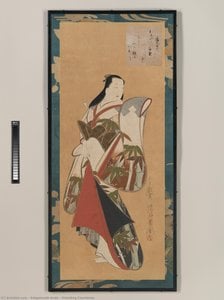
Ando's paintings are immediately recognizable for their unique aesthetic. Unlike the more overtly sensual depictions favored by some of his contemporaries, Ando’s *bijin* possess an air of quiet dignity and almost detached observation. His figures are often rendered with a subtle austerity, a sense of reserve that sets them apart from the lively, theatrical poses common in ukiyo-e art. This restraint is particularly striking when considering the context—the vibrant, bustling world of the Yoshiwara, where appearances were carefully constructed and pleasure was openly displayed.
A key element of Ando’s style lies in his masterful use of pattern – particularly within the elaborate kimono worn by his subjects. These aren't merely decorative elements; they are meticulously rendered, almost architectural, designs that command attention. The patterns themselves—floral motifs, geometric shapes, and intricate brocades—are incredibly detailed, reflecting the latest fashions and showcasing the wealth and status of the courtesans. Furthermore, Ando’s use of negative space – the deliberate inclusion of empty areas within the composition – creates a sense of balance and serenity, contributing to the overall feeling of quiet contemplation that permeates his work.
The Kaigetsudō School and its Enigmatic Founder
Ando established what became known as the Kaigetsudō school (懐月堂派), a collective of artists who shared his distinctive style. Crucially, Ando himself was the only artist within the school to exclusively produce paintings; all other members worked primarily with woodblock prints. This singular focus on painting is unusual in the context of ukiyo-e, where printmaking was rapidly becoming the dominant medium. The reasons behind this choice remain a subject of scholarly debate – some suggest it was a matter of personal preference, while others speculate that Ando’s early training in ema influenced his decision to forgo prints.
The school's influence extended beyond Ando himself, with several disciples inheriting and refining his style. However, the attribution of many Kaigetsudō paintings remains complex due to the stylistic similarities between these artists. It is often difficult to definitively determine which artist created a particular work, leading scholars to frequently group them under the umbrella term “Kaigetsudō school.”
A Shadowy End and Lasting Legacy
Ando’s career abruptly ended in 1714 with the infamous “Ejima-Ikushima affair,” a scandal involving a high-ranking court lady and a kabuki actor. The details of his involvement remain unclear, but he was ultimately banished to Ōshima Island, effectively ending his artistic practice. Despite this dramatic conclusion, Ando’s legacy endures. His paintings are prized for their exquisite detail, serene beauty, and unique perspective on the world of *bijin*. They offer a rare glimpse into the lives and sensibilities of Edo's most celebrated courtesans – women who were both objects of desire and symbols of status and refinement.
Ando’s work stands as a testament to the power of quiet observation, demonstrating that beauty could be found not just in spectacle but also in subtle nuance. He remains a fascinating enigma—a silent master whose paintings continue to captivate viewers centuries later, inviting us to contemplate the mysteries of Edo and the enduring allure of the *floating world*.
kaigetsudō ando
1743 , Japan
Trumpai apie šį kūrėją
- Artistic Movement Or Style: Ukiyo-e (painter)
- Artists Or Movements Influenced By This Artist: ['Kaigetsudō school']
- Artists Who Influenced This Artist:
- Torii school
- Hishikawa Moronobu
- Date Of Birth: c. 1671
- Date Of Death: 1743
- Full Name: Kaigetsudō Ando (c. 1671–1743)
- Nationality: Japanese
- Notable Artworks:
- Courtesan walking with attendant
- Standing Beauty
- Place Of Birth: Tokyo, Japan