

 Peržiūrėti realaus dydžio版
 Pasidalinti
 Dalintis
 Išsamiau
 Vadovas

 Atsisiųsti
 Panašūs eksponatai
 Rentgeno spindulių nuotrauka
 Automatinė diorama
 Q&A
Q&A Statistika
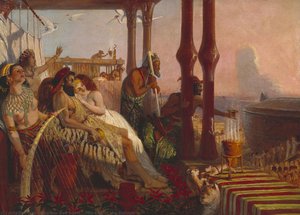
Cleopatra

 Skaityti daugiau
Gaukite spausdinimui paruoštą failą, kurio kokybė gerokai viršija internetinę peržiūrą. Kiekvienas mūsų parduodamas skaitmeninis vaizdas yra ištrauktas iš aukštos raiškos pagrindinio failo mūsų duomenų bazėje — paprastai jis siekia nuo 5 000 iki 15 000 pikselių plotio — todėl galite drąsiai spausdinti didelius formatus, apkirpti vaizdą ar reprodukcija užtikrins visas smulkias detales.
Mūsų studijoje nė viena kopija nelieka neapdorota. Skaitmeninio vaizdo ekspertas, lygiu su originaliu paveikslu, patikrina spalvas ir, jei reikia, jas koreguoja, o tada profesionaliais retušavimo įrankiais padidina aiškumą bei detales — visada išlaikydamas ištikimybę autoriaus teptuko traukoms ir stiliui. Rezultatas – vaizdas, kuris atrodo kaip tikras paveikslas, o ne kaip su filtrais apdorotas skenavimas.
Patvirtinate prieš užsakymo pabaigą: mūsų ekspertas per 72 valandas el. laišku atsiųsta vaizdą jūsų peržiūrai. Nepasitenkinate rezultatu? Paprašykite patobulinimų ar pataisymų arba prašykite pinigų grąžinimo, jei kokybė neatitinka jūsų lūkesčių.
Ši kokybė yra patikima leidybos įstaigoms, dizaino studijoms, galerijoms ir spaudos įmonėms.
Skaitmeninis vaizdas
Atsisiųskite didelės raiškos failą asmeniniam naudojimui, spausdinimui ir kūrybiniams projektams. ( Perjungti į spausdinamus版作品 Pirkti rankų darbo tapybą)
Kiekvieną skaitinio vaizdo užsakymą papildė
Profesionalus skaitmeninis vaizdų pristatymas, garantuotas
Pasirinkę ArtsDot.com, jūs ne tik gaunate paveikslėlį – jūs gaunate profesionaliai patobudintą skaitmeninį kūrinį, sukurtą itin tikniai ir užtikrinantį pasitenkinimą. Štai viską, kas automatiškai pritékia jūsų užsakymui:

Greitas pristatymas el. paštu
Jūsų aukštos raiškos skaitmeninis vaizdo failas bus išsiųstas el. paštu per 72 valandas nuo užsakymo – jis bus paruoštas naudoti be jokių papildomų veiksmų.

Dirbtiniu intelektu tobulintas skaitmeninis failas
Jūsų meno kūrinys profesionaliai optimizuojamas naudojant pažangius dirbtinio intelekto įrankius ir rankinį redagavimą, užtikrinant maksimalią detalę, aiškumą ir spalvų tikslumą.

Nemokamas visam laikui pakartotinis siuntimas
Atsitiktinai ištrytikote ar praradote savo failą? Nebijokite – bet kuriuo metu atsiųsime jį jums vėl nemokamai.

Jokio importo mokesčio – niekada
Mėgaukitės savo meno kūrynu be jokių muitinės mokesčių, įkainų ar pristatymo išlaidų – skaitiniai failai visada yra neapmokestinami.

Spalvų tikslumo garantija
Naudodami profesionalią įrangą ir spalvų valdymo sistemas, užtikriname, kad jūsų skaitmeninis vaizdas kuo tiksliau atspindėtų originalias spalvas.

100 dienų patikimumo garantija
Jei nebuvosite patenkinti įsigyto skaitmeninio vaizdo, mes jį tališkai koreguosime arba grąžinsime 100% sumą per 100 dienų – be jokių klausimų.

100% pinigų grąžinimo garantija
Nesitenkinate? Gaukite visą sumokėtą sumą per 100 dienų nuo skaitmeninio failo gavimo – be jokių papildomų klausimų.

Nuolaidos dideliems užsakymams
Pirkti 3 nuotraukas – 10% nuolaida – Pirkti 5 – 15% nuolaida – Pirkti 10 ir daugiau – 20% nuolaida. Puikiai tinka kūrybiniams projektams, galerijoms bei agentūroms.
panašūs kūriniai




Autoriaus biografija
Pradiniai metai ir meninės perspektyvos
John Byam Liston Shaw, visą savo karjerą žinomas tiesiog kaip Byam Shaw, į pasaulį atvyko 1872 metais, skandinantiame kultūros peizaže, Indijoje, Chennai mieste. Jo tėvas, John Shaw, dirbo aukščiausiojo teismo registratoriumi Madras, užtikrinant jaunam menininkui stabilų, tačiau ryškiai kolonialinį ugdymą. Šis ankstyvas susidarymas su kitokia kultūra subtiliai paveikė jo vėlesnius meninius pojūčius, nors tikrasis kūrybinis žiedėjimas įvyko po šeimos sugrįžimo į Angliją 187autos metais. Atsisięlus į Londono Kensingtoną, Shaw greitai parodė prigimtą talento menui, kurio potencialą tėvai ne tik pastebėjo, bet ir puoselėjo. Lemtingas lūžio momentas įvyko aosim пятlikের amžiuje, kai jis susipažino su gerbiamu prerafaelitų paveiksluotoju John Everett Millais. Šis susitikimas tapo transformuojančiu: Millais vadovavimas nukreipė Shaw link St John's Wood meno mokyklos, padėdami pagrindus jo griežtai meninei mokymui. Jis tęsė studijas Karališkojojo akademijos mokyklose, kur 1892 metais sulaukė ankstyvo pripažinimo laimėjędamas prestižinį Armitage apdovanojimą už įtraukiantį „Solomonos teismą“ vaizdinimą.Prerafaelitų aera ir literatūrinės įkvėpios
Byam Shaw meninė stilius buvo giliai įsišaknijęs prerafaelitų estetinėse principuose. Jis nebuvo tik jų technikos imitatorius, o labiau tęsė tradiciją, pabrėžiančią kruopštų detalį, ryškias spalvų paletes, pasiektas naudojant grynus pigmentus, ir gilią naratyvinę istorijų kūrimą. Tokių menininkų kaip J.W. Waterhouse ar Cadogan Cowert įtamp ir poveikis jo darbu yra akivaizdus – tai bendras įsipareigojimas romantizmui, istoriniam tikslumui ir beveik sapniškam plotui. Tačiau Shaw nebuvo tik esamų stilių kopijuotojas; jis į jų įpūton savo unikalią jautrumą. Ypač didelę įkvėpią jis radavo Dante Gabriel Rossetti poezijoje, transformuodamas evokuojantius mėginius į vizualinius šedevrus. Jo paveiksluose dažnai vaizduojamos scenos, ištrauktos iš istorijos, literatūros, o kartais ir iš samtinių įvykių, tokių kaip Boerio karas, kur kiekvienas kūrinys yra prisipratęs sudėtingai simbolikai ir pajautam emociniam rezonansui. Shaw gebėjimas į savo kompozicijas įvilti sudėtingus naratyvus išskyrė jį iš kitų, kvėdami žiūrovus pažvelgti giliau nei į paviršutinišką vaizdą.Navigacija kintančiame meno pasaulyje ir karo laikų indėlis
XX amžiaus proga atnešė iššūkių menininkams, laikantisems prerafaelitų tradicijos. Keičiantis meninis smetimas link modernesnių stilių reikalavo atsidavimo ir tvirtos įsitikinimo, siekiant išlaikyti ištikimybę established technikai. Byam Shaw išliko nepriklausomas nuo pokyčių, nuolat dalyvydamas parodo veikloje „Dowdeswell“ ir „Dowdesimą“ galerijoje New Bond Street gatvėje, kur tarp 1896 ir 1916 metų surengė penki asmenines parodas. Šios parodos sutvirtino jo reputaciją kaip pagrindinės figūros prerafaelitų ratelyje. Tačiau Shaw nebuvo izoliuotas nuo aplinkinio pasaulio. Pirmojo pasaulinio karo išbrūkimas paskatino pokytį jo meninėje dėmesio centre. Jis prisidėjo prie įvairių laikraščių karinių karikatūrų kūrimo, teikdamas vizualinį komentarą konfliktui ir jo pasekmėms. Po karo jis imtasi memorialinių užsakymų, kuriais kūrė ilgalaikius atsidavimo kūrybos kūrinius tiems, žuvusiems mūšiuose – tai buvo jautrus jo patriotinio dvasios ir nacionalinio vientisumo siekio atspindys.Palikimas: Švietimas ir Byam Shaw meno mokykla
Be savo pasiekimų kaip paveiksluotojo, Byam Shaw paliko neištrinčiam pėdsaką Britijos menui per švietimą. Supratęs inovatyvaus meno mokymui reikalingumą, 1904 metais jis pradėjo mokyti Londono Karališkojo kolegijos moterų departamente. Ši patirtis paskatino jo viziją naujai meno mokyklai – tokiai, kuri skatintų kūrybiškumą ir techninį įgūdį lygiu mastu. 1910 metais kartu su Rex Vicat Cole jis įkūrė Byam Shaw ir Vicat Cole meno mokyklą. Ši institucija, vėliau žinoma tiesiog kaip „Byam Shaw meno mokykla“, greitai išgarsėjo dėl savo progresyvios programos ir dėmesio individualiam meniniam vystymui. Jo žmona, Evelyn Shaw, taip pat grįžtavo svarbią vaidmenį mokyklos sėkmybėje, mokydama miniatiūros ir prisidedama prie edukacinės programos savo ekspertise. Tragiku, Byam Shaw gyvenimas buvo nugsustytas gripingo epidemijos 1919 metais, kai jam buvo vos 46 metai. Jis buvo palaidintas Kensal Green kapinėse, tačiau jo palikimas išgyveno per mokyklą, kurią jis įkūrė – tai yra įrodymas jo atsidavimo būsimoms menininkų kartoms ugdyti. Prisotintas monumentas vis dar stovi St Barnabas, Addison Road, kaip amžinas atsidavimo jo gyvenimui ir darbui kūrinys.Istorinė reikšmė: Tradicijos išsaugojimas
John Byam Liston Shaw užima unikalią vietą Britijos meno istorijoje. Jis nebuvo tik prerafaelitų imitatorius; jis buvo gyvybiškai svarčios grandies elementas išlaikant jų estetinę vertybę laikotarpiu, kai jų populiarumas nyko. Jo kruopščioji technika, istorinis detalumas ir literatūriniai alūzijai rezonavo su auditorija, ieškojusia grožio ir prasmės sparčiai kintančiame pasaulyje. Be to, jo įsipareigojimas meno švietimui per Byam Shaw mokyklą turėjo g derinį poveikį Britijos menui vystymui. Mokykla suteikė mokymą nesuskaičiuojamiems menininkams, kurie vėliau padarė reikšmingus indėlį į šią sritį, užtikrinant, kad Shaw įtarmis išsilygdytų daug daugiau nei tik jo paties paveiksluose. Jis stovi kaip priminimas apie neblėstančią tradicijos galią ir meninio mentorystės svarbą – palikimą, kuris įkvepia ir šiandien.
Džonas Biam Listonas Šau
1872 - 1919 , Indija
Trumpa informacija
- Artinis Judėjimas Arba Stilius: Prerafaelitų
- Artistai, Kurie Paveikė Šį Artistą:
- J.W. Waterhouse
- Cadogan Cowper
- Gimimo Data: 1872 m. lapdalio 13 d.
- Gimimo Vieta: Čenai, Indija
- Mirties Data: 1919 m. sausio 26 d.
- Tautybė: Britų
- Visas Vardas Ir Pavardė: John Byam Liston Shaw
- Šį Artistą Įkvėlusios Menininkai Ar Judėjimai: ['Britų meno švietimas']
- Žinomos Kūriniai:
- Solomonos teismas
- Boerų karas
- Mano žmona, mano vaikai...
- I Mary įėjimas