

- 78.0 x 98.0 cm


Vaizdas atitinka jūsų pasirinkimus: , .
Kolekcinio objekto aprašas
Explore Jan Toorop's Symbolist masterpiece, The Three Brides (1893), featuring intricate lines and deep psychological themes; discover this vision today.
 Skaityti daugiau
Autoriaus biografija
Discover Jan Toorop (1858-1928), a Dutch Symbolist painter known for his unique blend of Javanese motifs, Art Nouveau lines, and Pointillism. Explore his captivating works reflecting mysticism, social commentary, and religious themes.
Rankų darbo aliejinės reprodukcijos
Rankiniu būdu tapytas aliejus ant droblio jūsų pageidaujamame dydį ir rėmuose – tai mūsų menininkų pagal užsakymą sukurtas darbas. ( Perjungti į spausdinamus版作品 Perejti prie skaitmeninių vaizdų)
Daugiau informacijos apie šį paveikslą
 Peržiūrėti realaus dydžio版
 Pasidalinti
 Dalintis
 Išsamiau
 Vadovas

 Atsisiųsti
 Panašūs eksponatai
 Rentgeno spindulių nuotrauka
 Automatinė diorama
 问答
问答 Statistika
Užsisakykite savo paveislinį keturiuose paprastuose žingsniuose
Neskubėkite. Galite pakeisti bet kurį atsakymą; kaina jūsų užsakymo kortelėje keičiasi po kiekvieno pasirinkimo.
1 Pirmas iš keturių žymių
Kokio dydžio norėtumėte?
Šie dydžiai išlaiko originalaus paveikslėlio proporcijas. Piešinyje matomas jūsų pasirinkimas ant sienos, virš dvimetrinio sofos.
Arba nurodykite savo matmenis
Pasirinkite iš mūsų nustatytų dydžių, atitinkančių originalaus meno kūrinio proporcijas.

Įveskite jums reikiamą plotį ir aukštį, kad paveikslas atitiktų jūsų rėmą ar sieną. Kadangi šis darbas yra rankinio darbo, siekiant išgauti kitokios formos dydį, paveikslas gali būti šiek tiek didesnis (nuo kraštų bus palikta daugiau erdvės) arba mažesnis – pasirinkite jums patogiausią variantą. Prieš pradedant tapyti, atsiųsime jums skaitmeninį maketą patvirtinimui. Šioje puslapio nuotraukoje matomas vaizdas nėra galutinis rezultatas – jį parodys tik sukurtas maketas.
2 Antras iš keturių žingsnių
Kaip turėtų būti paruoštas: surolluotas, įtemptas ar įdėtas į rėmą?
Žemiau pateiktos kainos galioja pasirinktam pirmame žingsnyje dydžiui.
Pasirinkite ištempto drobės kraštus
Pasirinkite rėmelį

Baltas apasutojimas €1

Išblėstantis šonas €1

Išplėstinis €1

P118B €10

P118H €10

P118W €10

P438Z €10

P508JH €12

P508YH €12

P805H €10

P805Z €10

P919BZ €10

P919G €10

P919XJ €10

P959ZH €10

P968JZ €12

W106C €8

W218G €10

W218JH €8

W218Y €10

W307PJ €10

W316G €10

W316PJ €8

W316Y €10

W398PJ €8

W4111J €10

W500HY €15

W500JH €15

W692G €12

W849H €8

W940BG €15

W953PJ €8

H24-GOLD €30

H24-SILVER €30

H36-GOLD €45

H36-SILVER €45
Įrėmintas
Rėmo apvadas: . Bendras dydis su rėmu: .
3 Trečias iš keturių žingsnių
Ar norėtumėte paveisale kažką pakeisti?
Dauguma žmonių atsako ne. Kadangi kiekvienas paveikslas yra sukuriamas rankomis, mūsų suregistis taip pat gali jį pritaikyti jums.
Gavus užsakymą, ArtsDot.com komanda susisieks su klientu el. paštu dėl nurodymų ir pateiks preliminarią maketą.
4 Ketvirtas iš keturių žymių
Keletas apdailos variantų
Visi jie yra neprivalomi. Jau pasirinkti atsakymai nieko papildomo nekainuoja.
Kas tai piešia?
Pristatymas visame pasaulyje () per 3–4 savaites, o ne įprastai – per 5 savaites. (13 lapkritis). Kokybė lieka nepakeičiama.
Pavadinimo plokštelė, kaip muziejuje?
Išgraviruotos bronzinės plokštelės detalės
This elegant plaque features the artist's name and the title of the artwork, finely engraved for a timeless presentation.
It is made from bronze with a refined, elegant finish. The text is precisely laser-engraved for a sharp and permanent result. Measuring 9x2 cm, the plaque is compact yet easy to read. It's built to be durable and scratch-resistant, offering a professional, museum-quality look. Mounting is simple thanks to the included adhesive backing.
Skaidrios akrilo plokštelės informacija
The plaque includes essential engraved details such as the artist's name, the title of the artwork, the date it was created, the type of media used-like oil on canvas or watercolor-a brief description of the piece, and a QR code that links to the complete artwork information.
It is crafted from clear acrylic, offering a sleek, modern appearance. The text is UV-engraved in black to ensure strong visual contrast. With a size of 10x15 cm, it ensures optimal readability. It comes equipped with two metal hooks for secure wall mounting. The plaque is designed to be weather-resistant, making it suitable for various environments, and it includes interactive features that work seamlessly with smartphone scanning.
Juodos akrilo plokštelės informacija
This elegant plaque includes engraved information such as the artist's name, the title of the artwork, the date it was created, the type of media used (like oil on canvas or watercolor), a short description of the artwork, and a QR code for quick access to more information.
The plaque itself is made from refined black acrylic with a premium finish. The text is laser-engraved in white for high contrast and readability. Its size is 10x15 cm, designed to be easy to read. It comes with two metal hooks for professional mounting. The design is sleek and fits any interior style. It is also weather-resistant and durable, with built-in digital integration for mobile compatibility.
Apsauginis lakas?
Kada jums reikia?
✓ Patikrinti ir užsakyti
Jūsų paveikslas, tiksliai taip, kaip užsakėte

The three brides
Reprodukcijos technika
Reprodukcijos matmenys
-

Aukščiausios klasės meistras
Daugiau detalių, meistriškumo ir papildomo gamybos laiko
-

Reprodukcijos rėmėjimo parinktys
-
-
Dėl meno kūrinių ar reprodukcijų, kurių bet kuri pusė yra didesnė nei 105 cm (apie 41 inch), rėmas bus siunčiamas kaip išskaidytas surinkimo rinkinys. Šis metodas užtikrina saugų pristatymą ir apsaugo nuo transportavimo metu galimos žalos.
Reikalingas profesionalus surinkimas – tai nėra „pasidaryk pats“ (DIY) produktas.
Rinkinys turi būti surinktas, o drobė išplėsta naudojant patyrį profesionalų rėmininką, medžio klijus (nėra įtraukti į rinkinį), drobės plėšimo kleslę bei presas, kad rėmo rėžiai išliktų tiesūs, kol klijai išdžiūvus. Netinkamas surinkimas arba netolydus drobės įtampa gali negrįžtamai sugadinti meno kūrinį, todėl šie atvejai nėra užtraukiami mūsų garantijos.
 Dėl meno kūrinių ar reprodukcijų, kurių bet kuri pusė yra didesnė nei 105 cm (apie 41 inch), rėmas bus siunčiamas kaip išskaidytas surinkimo rinkinys. Šis metodas užtikrina saugų pristatymą ir apsaugo nuo transportavimo metu galimos žalos.
Į komplektą įeina visi vientisos medienos elementai, tiksliai išpjauti pagal dydį.
Surmontinama naudojant pridėtus varžtus bei papildomai reikalingą medžio kliją kampų jungtims, kuris nėra pridėtas ir turi būti parinktas rėmininkui.
Reikalingi profesionalūs įrankiai, kurie nėra įtraukti į rinkinį: drobės kėlimo plytelės (stiprintuvai) ir klemiai, laikantys rėmo strygius tiesiu kampu, kol džiūsta lipas.
Svarbu:
Kampų jungtims reikalingi medžio klijai, barams reikia laikyti naudojant presas, kol klijai visiškai išdžiūvės, o surinktam rėmui įtempiamai privilgti būtinos drobės įtempimo plytযুক্ত. Šios priemonės į rinkinį neįtrauktos. Prieš užsakydami šio dydžio rinkinį, rekomenduojame pasimalkoti patyrusiu rėmų meistru.

Pavadinimo lentelė
-
-

Apsauginis lakas
Blizgus lakas (ryškina spalvas, saugo nuo šviesos ir drėgmės)
-

Personalizuoti kūrinį
Ką galima pakeisti (pavyzdžiui): pakeisti veidą klientui skirta nuotrauka; pridėti augintinį (pvz., katę pakeisti šuniu); įtraukti paslėptą žinutę fone; pakeisti fono kraštovaizdį ar elementus.
-

Skubiai
Pristatymas visame pasaulyje () per 3–4 savaites, o ne įprastai – per 5 savaites. (13 lapkritis). Kokybė lieka nepakeičiama.
-
Skubus pristatymas
Pristatymas visame pasaulyje () per 5 weeks. (20 lapkritis).
Įskaičiuota
Bendroji kaina
€ 235
Stiklo variantas prieinamas tik pasirinkus dydį iki 110 cm
Pridedama prie kiekvieno užsakymo
- Nemokamas greitasis pristatymas visame pasaulyje
- Aukštos kokybės lininis drobė
- Pilnas siuntimo draudimas
- Muitinės mokesčių grąžinimo garantija
- Tikro spalvų atitikimo garantija
- 100 dienų grąžinimo politika (tik esant įtaigoms)
- 100% pinigų grąžinimo garantija
- Nuolaida dideliems užsakymams


Jan Toorop’s “The Three Brides”: A Symbolist Exploration of Choice and Desire
Jan Toorop (1858–1928), a Dutch painter who defied convention and forged his own distinctive path within the artistic landscape of the late nineteenth century, stands as a pivotal figure in Symbolism—a movement that sought to transcend mere representation and delve into the realm of psychological introspection. “The Three Brides,” completed in 1893, exemplifies Toorop’s signature style: dynamic lines inspired by Javanese motifs interwoven with stylized willow figures and intricate curvilinear designs—a bold departure from Impressionistic realism and a testament to his unwavering fascination with Eastern aesthetics blended seamlessly with Western artistic innovation.
Historical Context & Influences
Symbolism emerged as a reaction against the materialism and scientific rationalism prevalent in Victorian society. Artists like Toorop rejected literal depiction, prioritizing instead the conveyance of inner emotions and spiritual truths. The movement drew heavily from Nietzschean philosophy—particularly the concept of Will to Power—and embraced esoteric traditions, including Kabbalah and Tarot. Toorop’s exposure to these influences profoundly shaped his artistic vision, informing his preoccupation with themes of duality, sacrifice, and transcendence.
Composition & Technique
“The Three Brides” is rendered in monochrome—a deliberate choice that underscores its symbolic significance. Toorop employs a Pointillist technique—applying tiny dots of color to create an optical illusion of texture and luminosity—resulting in a surface shimmering with subtle hues. The composition itself is carefully constructed, featuring three women positioned against a backdrop of stylized willow trees and a choir singing about the dangers awaiting the bride. The central figure dominates the canvas, embodying innocence and spiritual aspiration, while her counterparts represent earthly desire and evil.
Symbolism & Interpretation
The painting operates on multiple levels of symbolic interpretation. The Madonna-like woman on the left symbolizes piety and abstinence—the pursuit of divine grace. Conversely, the woman on the right embodies sensual indulgence and demonic influence—representing the antithesis of spiritual purity. The string of skulls adorning her chest serves as a stark reminder of mortality and the inevitability of suffering. The handmaidens bearing bells and lilies symbolize fertility and rebirth, highlighting the overarching theme of choice: the bride must decide between embracing asceticism or succumbing to worldly temptations.
Emotional Impact & Legacy
"The Three Brides" resonates with viewers through its exploration of fundamental human dilemmas—the conflict between spiritual aspiration and sensual desire. Toorop’s masterful use of line and color creates a palpable sense of tension and drama, capturing the psychological complexities inherent in the female experience. Considered one of Toorop's most ambitious works, it continues to inspire artists and scholars alike, cementing his place as a pioneer of Symbolist vision and a champion of artistic innovation.
Klausimai ir atsakymai
Kokią nuotaiką „The three brides“ – Jan Toorop išreiškia Symbolist Painting kontekste?
„The three brides“ pasižymi Mysterious emociniu tonu, būdingu Symbolist Painting stiliui.
Kokia spalva labiausiai išsiskiria kūryniame „The three brides“?
Dominuojanti „The three brides“ – Jan Toorop spalva yra Clay (#8b6d42).
Kokio dydžio rekomenduojama spausdinti kūrinį „The three brides“?
„The three brides“ – Jan Toorop reprodukcijai rekomenduojamas Medium dydis. Matmenys galima keisti išlaikant proporcijas.
panašūs kūriniai


Jan Toorop
1858 - 1928, Indonesia
Autoriaus biografija
A Tapestry of East and West: The Visionary World of Jan Toorop
Johannes Theodorus Toorop, known to the world as Jan Toorop, was an artist whose soul seemed to exist in the delicate space between continents. Born in 1858 in Purworejo, on the lush island of Java in the Dutch East Indies, his early years were steeped in the vibrant cultural textures of Indonesia. This foundational connection to the East would later become the heartbeat of his most profound works. As a child, he moved from the island of Bangka to the bustling streets of Batavia, before eventually embarking on a transformative journey to the Netherlands in 1869. This migration was more than a change of geography; it was the beginning of a lifelong artistic dialogue between the rhythmic, calligraphic traditions of his birthplace and the burgeoning avant-garde movements of Europe.
Toorop’s formal education in Delft and Amsterdam provided him with a rigorous classical foundation, yet his spirit remained restless, seeking something far beyond mere academic realism. During his time at the Rijksakademie, he was exposed to the shimmering light of Impressionism, an influence that initially colored his early canvases with a soft, atmospheric quality. However, as he matured, Toorop began to move away from the objective recording of light and toward a deeper, more psychological exploration of the human condition. His encounter with the Belgian painter William Degouve de Nuncques proved to be a pivotal moment, sparking a collaborative energy that would lead him into the heart of the Symbolist movement.
The Language of Lines and Symbolism
By the 1880s, Toorop had emerged as a leading figure in the Symbolist circle, joining influential groups such as L'Essor and Les XX in Brussels. It was during this period that his signature style truly began to crystallize—a breathtaking synthesis of disparate worlds. He moved away from the fleeting moments of Impressionism toward a more structured, yet intensely emotive, aesthetic. His work became characterized by long, sinuous, and unpredictable lines that seemed to dance across the canvas with a life of their and. These curvilinear designs were not merely decorative; they were deeply rooted in Javanese motifs and calligraphy, lending his paintings an almost hypnotic, rhythmic quality.
In this Symbolist phase, Toorop utilized highly stylized, willow-like figures to convey profound spiritual and psychological states. His canvases became landscapes of the mind, where mysticism and social commentary intertwined. He explored themes of religious devotion, mortality, and the subconscious, often using intricate patterns to create a sense of enclosure or infinite expansion. This period saw him experimenting with various techniques, including Pointillism and Neo-Impressionism, yet he always maintained that unique, flowing line that made a Toorop masterpiece instantly recognizable. His ability to blend the decorative elegance of Art Nouveau with the heavy emotional weight of Symbolism allowed him to capture the anxieties and aspirations of a changing fin de siècle Europe.
Legacy and Artistic Significance
The breadth of Jan Toorop’s career is a testament to his refusal to be confined by a single movement. He navigated through Realism, Impressionism, and Symbolism with the grace of a master weaver, constantly pulling new threads into his creative tapestry. His later years, spent in places like Domburg, saw him working alongside other luminaries such as Piet Mondrian, proving that his influence extended into the very foundations of modern abstraction. While his work often touched upon the mystical and the religious, it remained grounded in a profound humanism, reflecting the complex social shifts of the late nineteenth and early twentieth centuries.
Today, Toorop is remembered not just as a Dutch painter, but as a pioneer of a truly global aesthetic. His legacy lies in his successful bridge-building:
- Cultural Synthesis: He seamlessly integrated Eastern Javanese aesthetics with Western European modernism.
- Stylistic Versatility: His mastery over diverse techniques, from the delicate dots of Pointillism to the bold strokes of Art Nouveau.
- Emotional Depth: His ability to use decorative line and form to communicate complex psychological and spiritual truths.
Susiję straipsniai
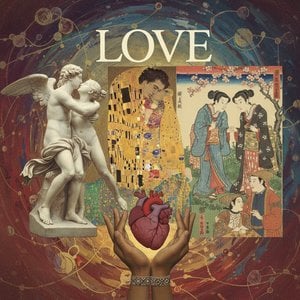
The Enduring Motif of Love in Art History: A Cross-Cultural Exploration of Representation and Emotion
Explore the rich history of love in art! Discover iconic masterpieces, artistic techniques & cultural symbolism from antiquity to modern times. Expert analysis for collectors.

Oil on Canvas: A Historical & Technical Exploration of a Timeless Artistic Medium
Explore the rich history & enduring techniques of oil painting on canvas. Discover the science behind its longevity, conservation practices, and contemporary relevance. Expert insights for art enthusiasts.
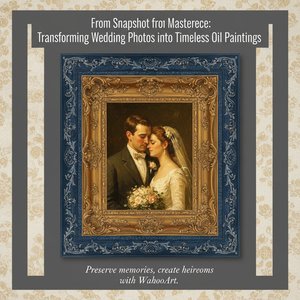
From Snapshot to Masterpiece: Transforming Wedding Photos into Timeless Oil Paintings
Transform your cherished wedding photos into stunning, heirloom-quality oil paintings. Our skilled artists create bespoke portraits that capture the emotion & legacy of your special day. Discover the art of preserving memories with ArtsDot.