
- Pradžia

- Ežero tapybos reprodukcija
- Jan Baptist Weenix
- Landscape with Peasants and Animals

 Pirkti atspaudą Pirkti skaitmeninį paveikslą
 Pasidalinti
 Dalintis
 Išsamiau
 Pridėti į mėgstamiausius

 Atsisiųsti
 Panašūs eksponatai
 Rentgenogramą
 Automatinė diorama
Landscape with Peasants and Animals

 Skaityti daugiau
Rankų darbo aliejinės reprodukcijos
Rankiniu būdu tapytas aliejus ant droblio jūsų pageidaujamame dydį ir rėmuose – mūsų menininkų darbas pagal užsakymą.




































Pasirinkite iš mūsų nustatytų dydžių, atitinkančių originalaus meno kūrinio proporcijas.

Galite įvesti savo matmenis, kad jie atitiktų konkretų rėmą ar erdvę. Jei pasirinktas dydis neatitinka originalaus paveikslėlio proporcijų, mes arba apkropsime meno kūrinį, arba papildysime tapybą rankomis dažytい elementais. Prieš pradėdami gamybą, jūsų patvirtinimui atsiųsime skaitmeninį maketą.
Atkreipkite dėmesį, kad ekrane rodomas vaizdas neatspindi tikrojo apkarpymo ar papildymo. Tik maketas tiksliai parodys galutinę kompoziciją.
Nors galima rinktis ir individualius dydžius, rekomenduojame pasirinkti matmenis iš nustatytos sąrašo, kad būtų išlaikytos originalios proporcijos.
Gavus užsakymą, ArtsDot.com komanda susisieks su klientu el. paštu dėl instrukcijų ir pateiks maketo pavyzdį.
Pristatymas visame pasaulyje () per 3–4 savaites, o ne įprastai – per 5 savaites. (2 liepa). Kokybė lieka nepakeičiama.

Nemokamas greitasis pristatymas visame pasaulyje

Aukštos kokybės lininis drobė

Pilnas siuntimo draudimas

Muitinės mokesčių grąžinimo garantija

Tikro spalvų atitikimo garantija

60 dienų grąžinimo politika (tik esant gamyklinėms defektams)

100% pinigų grąžinimo garantija

Nuolaida už kelias reprodukcijas
 Stiklo variantas prieinamas tik pasirinkus dydį iki 110 cm

Landscape with Peasants and Animals
Reprodukcijos technika
Reprodukcijos matmenys
-


Galutinė kaina
-
panašūs kūriniai


Autoriaus biografija
Jan Baptist Weenix: Pioneer of Italianate Landscapes and Realistic Still Lifes
Jan Baptist Weenix (1621 – 1661) stands as a singular figure within the Dutch Golden Age, celebrated for his distinctive blend of meticulous observation and imaginative vision. Though his artistic output was relatively modest compared to contemporaries like Rembrandt or Vermeer, Weenix’s contribution to Dutch art history is undeniable—particularly his groundbreaking exploration of Italian landscapes infused with human figures, establishing a stylistic precedent that would resonate throughout subsequent generations. Born in Amsterdam near the bustling harbor, Weenix descended from a family of architects, shaping his formative years amidst the intellectual ferment of the era. Despite difficulties communicating due to a medical condition – accounts suggest he struggled with speech – Weenix possessed an ardent passion for literature fostered by his mother, who proactively arranged for him to apprentice under Jan Micker, Rembrandt’s brother-in-law. This early training instilled in him a disciplined approach to drawing and observation that would become hallmarks of his oeuvre. He further honed his skills at Utrecht under Abraham Bloemaert and returned to Amsterdam to study with Claes Corneliszoon Moeyaert, cementing his grounding in the prevailing artistic currents. His marriage to Josijntje d'Hondecoeter in 1639 marked a significant personal milestone, followed by a journey to Rome in 1643 alongside Nicolaes Pieterszoon Berchem – another student of Moeyaert – where he encountered the vibrant intellectual and artistic milieu of the Bentvueghels guild. This experience profoundly impacted his artistic sensibilities, propelling him towards a more expansive stylistic range. Notably, Weenix secretly departed Amsterdam for four months, tracing his wife’s whereabouts to Rotterdam before gaining permission for extended travel. In Rome, he became affiliated with the guild and gained considerable acclaim, producing works commissioned by Pope Innocent X – a testament to his reputation as a skilled artist. Returning to Amsterdam after four years, Weenix faced challenges securing his wife's presence in Italy, highlighting the complexities of domestic life amidst artistic ambition. He ascended to mastership of the St. Luke’s Guild in Utrecht in 1649 and undertook a portrait commission for René Descartes, demonstrating his versatility as a painter and furthering his professional standing. Following the death of his brother-in-law Gijsbert d'Hondecoeter, Weenix mentored his nephew Melchior d'Hondecoeter, ensuring the continuation of artistic tradition within his family. By 1656, he relocated to Castle Ter Mey (nl) at vleuten outside Utrecht, ostensibly for health reasons—though some historians speculate that financial difficulties prompted the sale of his estate in 1659. Weenix succumbed to illness shortly thereafter, leaving behind a legacy characterized by quiet dignity and enduring artistic achievement. Weenix’s artistic style distinguished itself through its meticulous realism combined with an innovative approach to landscape depiction. He pioneered the incorporation of Italian harbor scenes into Dutch painting, presenting figures amidst ruins—a stylistic choice that departed from prevailing conventions and signaled Weenix's willingness to experiment with new visual vocabularies. His still lifes – particularly those featuring deceased animals or dogs – are celebrated for their exquisite detail and evocative portrayal of decay and beauty. These works exemplify his mastery of chiaroscuro, skillfully manipulating light and shadow to convey texture and emotion—a technique that aligns closely with the artistic principles championed by Caravaggio and other Baroque masters. Weenix’s enduring influence can be observed in subsequent generations of Dutch artists who embraced his distinctive vision of the natural world and his unwavering commitment to portraying life with unflinching honesty.
Jan Baptist Weenix
1621 - 1661 , Netherlands
Trumpa informacija
- Artistic Movement Or Style: Dutch Golden Age
- Artists Or Movements Influenced By This Artist: ['Italianate painting']
- Artists Who Influenced This Artist:
- Abraham Bloemaert
- Claes Corneliszoon Moeyaert
- Date Of Birth: Amsterdam, Netherlands (1621)
- Date Of Death: 1661
- Full Name: Jan Baptist Weenix
- Nationality: Dutch
- Notable Artworks:
- After the Hunt
- The Tinker and His Dog
- A Dog and a Cat near a partially disembowelled Deer
- Place Of Birth: Amsterdam
Susiję straipsniai

The Pursuit of Power & Prestige: Hunting Scenes in Western Art
Explore the rich history of hunting scenes in Western art, from royal pursuits to powerful allegories. Discover masterpieces & expert insights for discerning collectors. ArtsDot offers museum-quality reproductions.

Golden Age Reflections: Dutch Baroque Painting & Cultural Innovation
Explore the Dutch Golden Age of painting! Discover key artists like Vermeer & ter Borch, their innovative techniques, and the rich cultural context behind these Baroque masterpieces. Learn about collecting & appreciating this iconic art period.
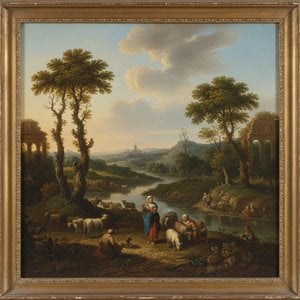
Nicolaes Berchem: Dutch Golden Age Pastoralism & the Evolution of Landscape Painting
Explore the captivating world of Nicolaes Berchem, a leading Dutch Golden Age painter. Discover his idyllic landscapes, masterful technique & lasting influence on art history. Learn more at ArtsDot.
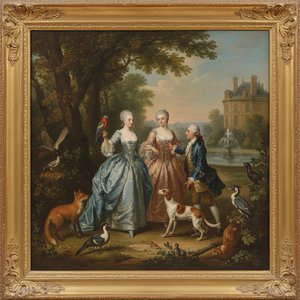
Jean-Baptiste Oudry: Rococo Painter of Aristocratic Life & Naturalistic Detail
Explore the exquisite Rococo paintings of Jean-Baptiste Oudry (1686-1755). Discover his mastery of animal depictions, royal commissions, and tapestry designs. A deep dive into 18th-century French artistry.

Olandijos Aukso Amžius: 10 Šedevrų, Apibrėžiančių Meną ir Stilių
Atraskite Olandijos Aukso Amži\u017us meninius šedevrus! 10 legendin\u017iŴ paveikslžiai – Rembrandto, Vermeerio ir kt. darbai. Sužnkitę j\u016ungo namus aukso amži\u017us grožiu! Āukrai, interjero dizainas – viskas ArtsDot.com. Ižirkite kolekciją internete!

