


 Peržiūrėti realybėje
 Pasidalinti
 Dalintis
 Išsamiau

 Atsisiųsti
 Panašūs eksponatai
 Rentgeno nuotrauka
 Automatinė diorama
 Statistika
An Unknown Woman
 Oil On Canvas
- WallArt
- Romantic Landscape
 1811
1811 76.0 x 65.0 cm
 Britų meno Jėilos centras
 Skaityti daugiau
Giclée / Meno spausdinimas
Muziejų lygio „giclée“ arba drobos spausdinimas: greita gamyba ir lankstios apdailos parinktys. ( Pirkti rankomis tapytą paveikslą Perejti prie skaitmeninio vaizdo)




P118B $10

P118H $10

P118W $10

P438Z $10

P508JH $12

P508YH $12

P805H $10

P805Z $10

P919BZ $10

P919G $10

P919XJ $10

P959ZH $10

P968JZ $12

W106C $8

W218G $10

W218JH $8

W218Y $10

W307PJ $10

W316G $10

W316PJ $8

W316Y $10

W398PJ $8

W4111J $10

W500HY $15

W500JH $15

W692G $12

W849H $8

W940BG $15

W953PJ $8




Pasirinkite iš mūsų nustatytų dydžių, atitinkančių originalaus meno kūrinio proporcijas.

Galite nurodyti savo matmenis, kad vaizdas atitiktų konkretų rėmą ar erdvę. Jei pasirinktas dydis nesutaps su originalaus paveikslėlio proporcijomis, mes arba apkirpsime kūrinį, arba išplėsime vaizdą naudojant veideliu atspindėtą arba vientisą šoną. Skaitmeninis maketas bus išsiųstas jums patvirtinti prieš pradedant gamybą.
Atkreipkite dėmesį, kad ekrane matomas vaizdinys neatspindi tikrojo apkirpimo ar išplėtimo. Tik maketas tiksliai parodytų galutinę kompoziciją.
Nors galima rinktis ir individualius dydžius, rekomenduojame pasirinkti vieną iš išanksti nustatytų matmenų, kad būtų išlaikytos originalios proporcijos.
Pristatymas visame pasaulyje () per 2 weeks, o ne įprastas 4/5 savaičių laikotarpis. (11 rugsėjis)

Nemokamas greitasis pristatymas visame pasaulyje

Aukštos kokybės lininis drobė

Pilnas siuntimo draudimas

Muitinės mokesčių grąžinimo garantija

Tikro spalvų atitikimo garantija

100 dienų grąžinimo politika (tik esant įtaigoms)

100% pinigų grąžinimo garantija

Nuolaida už kelias reprodukcijas
 Stiklo variantas prieinamas tik pasirinkus dydį iki 110 cm

An Unknown Woman
Giclée / Meno spausdinimas
Reprodukcijos matmenys
-


Galutinė kaina
$ 62
A Portrait of Quiet Longing: Unveiling James Ward’s “An Unknown Woman”
James Ward's "An Unknown Woman," painted in 1811, isn’t merely a depiction of a woman; it’s a poignant study in unspoken desire and the bittersweet ache of unrequited affection. This intimate portrait, rendered in oil on canvas with meticulous detail, captures a moment suspended between observation and yearning – a silent narrative whispered across time. Ward, a key figure in 19th-century British art, skillfully blended influences from his brother-in-law, George Morland, with the burgeoning Romantic sensibility of the era, creating an image that resonates with both classical grace and emotional depth.
The subject, identified only as “An Unknown Woman,” is seated in a simple chair, her gaze directed towards the viewer – a direct address that immediately establishes a connection. Her attire, a modest yellow dress adorned with a delicate white lace collar and a bonnet, speaks to the social conventions of the period while simultaneously hinting at an underlying vulnerability. The background, subtly rendered with two chairs and a potted plant, provides context without distracting from the central figure. Notice the careful attention to light and shadow; Ward masterfully employs chiaroscuro – the dramatic contrast between light and dark – to sculpt the woman’s face and create a sense of depth and mystery.
The Romantic Palette: Technique and Artistic Influence
Ward's technique is characterized by a remarkable level of realism tempered with an expressive use of color. He employs a restrained palette, dominated by muted earth tones – ochres, browns, and greys – that lend the scene a sense of quiet dignity. However, subtle touches of yellow in the dress and hints of green in the foliage introduce warmth and vitality. The brushwork is smooth and refined, reflecting Ward’s meticulous approach to detail. The painting's composition—the woman centered within the frame, her gaze fixed on the viewer—is a deliberate choice designed to draw the eye and invite contemplation. It echoes the conventions of portraiture while simultaneously imbuing the image with an emotional charge.
Ward’s artistic development is particularly fascinating. Initially influenced by Morland's genre scenes, he gradually transitioned towards more ambitious landscapes and portraits, absorbing elements from artists like Benjamin West and Thomas Lawrence. “An Unknown Woman” represents a pivotal moment in his career, showcasing his growing mastery of psychological portraiture and his ability to convey complex emotions through subtle gestures and expressions.
Symbolism and the Unspoken Narrative
Beyond its technical merits, "An Unknown Woman" is rich in symbolic meaning. The woman’s averted gaze suggests a guardedness, a reluctance to fully reveal her thoughts or feelings. Her posture—seated calmly yet with an air of quiet intensity—hints at a deep well of emotion. The painting invites us to speculate about her story: who is she? What has brought her to this moment of contemplation? The lack of explicit narrative allows the viewer to project their own experiences and emotions onto the image, transforming it into a mirror reflecting our own desires and vulnerabilities.
Furthermore, the title itself—"An Unknown Woman"—underscores the painting’s central theme: the power of unspoken longing. It speaks to the universal human experience of unfulfilled affections and the poignant beauty of moments that remain forever shrouded in mystery. The image resonates with a timeless quality, capturing a fleeting glimpse into the heart of human emotion.
A Timeless Masterpiece: Reproduction and Interpretation
Reproductions of “An Unknown Woman” offer a remarkable opportunity to experience Ward’s artistry firsthand. Whether displayed in a formal gallery setting or incorporated into a personal interior design scheme, this painting continues to captivate viewers with its quiet intensity and evocative beauty. Consider framing the reproduction in a classic style to complement the painting's historical context, or opt for a contemporary frame that adds a touch of modern flair. The image’s subtle color palette and nuanced composition make it an ideal choice for creating a serene and contemplative atmosphere.
panašūs kūriniai


Autoriaus biografija
James Ward: Gyvenimas britų paveikslų istorijoje
James Wardas (1769–1859) buvo iškilmingas britų dailininkas, garsėjantis savo įtraukiančiais gyvūnų vaizdais, romantiškais peizažais ir giliomis portretų interpretacijomis. Nors kartais jo kūryba atsirado šešėlyje šalia kitų samtų meistrų, jo išskirtinis stilius ir meistriškumas žymiai paveikė britų dailės vystymąsi XIX amzeuge.
Vaikystė ir mokslas
Gimęs 1769 m. spalio 23 d. Londone, Jungtinėje Karalystėje, Jamesas Wardas buvo graveto Williamo Wardo youngerio brolis. Jo ankstyvieji meniniai polinkiai augli buvo puoselėjami kūrybingoje šeimynos aplinkoje. Nors jis gavo tam tikrą oficialų mokymą, jo meilė menui buvo didžiąja dalimi savarankiškas – jis nuolat tobulėjo per kruopščiausia stebėjimą ir nuolatinę praktinę patirtį.
Meninis vystymasis ir įtodiniai veiksmai
Dailininko karjera tradiciškai skirstoma į dvi skirtingas periodų dalis pagal jo kūrybos įtakas. Pradinio etapo metu, iki maždaug 1803 m., jo darbai labai priminė jo maršlės George’o Morlando stilių, pasižymintį žanrinėmis scenomis ir kasdienio gyvenimo tema. Po šio laikotarpio jį giliai įkvėpė baroko meistras Peter Paul Rubens, todėl jo kūryboje atgyjo dinamiškesnė kompozicija, praturtinta spalvų paletė bei dramatiškas šviesos ir šešėlio naudojimas.
Žinomosios kūrinys ir meninis stilius
Unikalus Wardo stilius išskyrė jį iš daugelio samtų kolegų. Jis puikiai meistruojosi įvairiuose žanruose, įskaitant istorinius paveikslus, portretinę dailę, peizažą ir gyvūnų vaizdą.로 Štai keletas jo garsiausių darbinų:
- Gordale Scar (1ừa/15): Laikomas jo šedevru, šis dramatiškas Jorkšyro atogloslos vaizdas įkūnija aukštinguosius Anglijos romantizmo kokybės.
- The Deer Stealer (1823): Šis Theophilus Levett užsakytas paveikslas demonstruoja Wardo gebėjimą pasakoti istorijas per gyvūnų vaizdinimą.
- John Levett Hunting at Wychnor, Staffordshire (1817): Vienas iš jo klientų portretas, parodantis dailininko meistriškumę užfiksuojant tiek asmenybės panašumą, tiek kūrinio atmosferą.
Jo paveikslams būdinga itin kruopštus detalės atideljimas, ypač vaizduojant gyvūnus, kartu su romantiška jautrumu, pabrėžiančiu gamtos grožį ir galią.
Užsakymai ir parodos
Wardas sulaukė tokio asmens kaip Theophilus Levett globos, o tai atvėrė jam kelią į daugybę meninių užsakymų. Jis reguliariai pristatydavo savo darbus Karališkajai akademijai, pelniaudamas pripažinimą dėl savo originalumo ir talento. 1811 metais priimtas nariu, jis tvirtai įsitvirtino britų meno bendruovėje.
Vėlesnieji metai ir palikimas
Wardas kūrybingai tapė iki tada, kai 1855 m. insultas sutrikdojo jo karjerą. Jis mirė 1859 m. lapdalio 17 d., gyvenęs relatively skursmingai, nepaisant ankstesnių sėkmių.
Nors vėliau gyvenime jis susidūrė su finansiniais sunkiais, James Wardo įtaka britų menui išlieka neabejoina. Jo unikali realizmo ir romantizmo sintezė paruošė kelią būsimoms gyvūnų paveikslavimo ir peizažo meistrų kartoms. Šįandien jo kūriniai saugomi prestižinguose kolekcijose, tokiuose kaip Tate Britain ir Yale Center for British Art.
Istorinė reikšmė
James Wardas užima svarbią vietą pereinamajam laikotarpiui tarp neoklasicizmo ir romantizmo erdos britų paveikslų istorijoje. Jis sujungė tradicinį žanrinį tapybą su pradinio susidomėjimo peizažais ir naturalizmu, palikdamas po savęs įtraukiančių darbų palikimą, kuris ir šiandien kelia susižavėjimą.

Džeimas Vordas
1769 - 1859 , Jungtinė Karalystė
Trumpa informacija
- Birth Date: 1769 m. spalio 23 d.
- Birth Place: Londonas, Jungtinė Karalystė
- Death Date: 1859 m. lapkričio 17 d.
- Influenced By:
- George Morland
- Rubens
- Movement: Romantizmas
- Name: James Ward
- Nationality: Britų
- Notable Works:
- Gordale Scar
- The Deer Stealer
- John Levett Hunting at Wychnor
Susiję straipsniai

Dante Gabriel Rossetti: 25 Šedevrai, Įkvėpę Kartas | ArtsDot.lt
Atraskite 25 įspūdingiausius Dante Gabriel Rossetti šedevrus! Išsami analizė, meno istorija ir įkvėpimas interjerui. Reprodukcijos aliejumi – prerafaelitų klasika jūsų namams. Explore the full collection online!

James Ward: A Study in British Romantic Landscape and Animal Painting
Explore the captivating world of James Ward (1769-1859), a master of British Romantic landscape & animal painting. Discover his iconic 'Gordale Scar' and exquisite portraits – a timeless art investment. Learn about his influences, style, and enduring legacy.
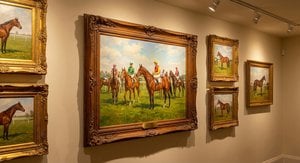
Sir Alfred Munnings' Masterpieces: 25 Paintings That Define Equine Art | ArtsDot
Explore 25 iconic Sir Alfred Munnings paintings! Discover the beauty of British Impressionism, equine art & rural England. Find museum-quality reproductions and elevate your home decor with ArtsDot. Explore the full collection online.

James Sant: Capturing Victorian Childhood & the Evolving Landscape of British Genre Painting
Explore the life & art of James Sant (1820-1916), renowned Victorian portraitist to Queen Victoria. Discover his captivating depictions of childhood, landscapes, and aristocratic society. Learn about his legacy & find fine art reproductions.

Džeimso Ebboto Maknilo Vislerio 25 Šedevrai: Tonalizmo Elegancija Jūsų Interjere
Atraskite 25 įspūdingiausius Džeimso Ebboto Maknilo Vislerio kūrinius! Tonalizmo meistras, noktiurnai ir portretai – meno istorijos šedevrai jūsų interjerui. Pirkti aukštos kokybės reprodukcijas ArtsDot.com