


 Peržiūrėti realaus dydžio版
 Siųsti
 Dalintis
 Išsamiau
 Gidas
Gidas

 Atsisiųsti
 Panašūs eksponatai
 Rentgeno spindulių nuotrauka
 Diaporama
 Statistika
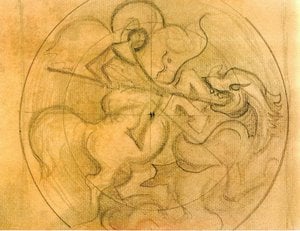
Untitled (976)
 Rodyti daugiau
Įsigykite aukštos skiriamosios raiškos, patobulintą skaitmeninį vaizdą, gerokai pranašesnį už internetinę peržiūrą.
Kiekvieną failą mūsų specialistai kruopščiai paruošia naudojant pažangias technologijas ir profesionalų rankinį retušavimą. Užtikriname, kad kiekvienas vaizdas pasižymėtų išskirtiniu aiškumu, tikslia spalvų atspalviu ir smulkiomis detalėmis.
Baigiamas failas el. paštu pristatomas per 72 valandas; jis optimizuotas nedelsiant naudojimui profesionalioje, redakcinėje ir spausdinimo aplinkoje. Tai ta pati kokybė, kuria pasitiki aukščiausios klasės dizaino studijos, leidyklos ir galerijos.
Skaitmeninis vaizdas
Atsisiųskite didelės raiškos failą asmeniniam naudojimui, spausdinimui ir kūrybiniams projektams. ( Perjungti į spausdinimą Pirkti rankomis tapytą reprodukciją)
Kiekvieną skaitinio vaizdo užsakymą papildė
Profesionalus skaitmeninis vaizdų pristatymas, garantuotas
Pasirinkę ArtsDot.com, jūs ne tik gaunate paveikslėlį – jūs gaunate profesionaliai patobudintą skaitmeninį kūrinį, sukurtą itin tikniai ir užtikrinantį pasitenkinimą. Štai viską, kas automatiškai pritékia jūsų užsakymui:

Greitas nuotraukų gavimas el. paštu
Jūsų aukštos raiškos skaitmeninis vaizdo failas bus išsiųstas el. paštu per 72 valandas nuo užsakymo – jis bus paruoštas naudoti be jokių papildomų veiksmų.

Skaitmeninis failas su dirbtiniu intelektu
Jūsų meno kūrinys profesionaliai optimizuojamas naudojant pažangius dirbtinio intelekto įrankius ir rankinį redagavimą, užtikrinant maksimalią detalę, aiškumą ir spalvų tikslumą.

Nemokamas visam laikui pakartotinis siuntimas
Atsitiktinai ištrytikote ar praradote savo failą? Nebijokite – bet kuriuo metu atsiųsime jį jums vėl nemokamai.

Jokio importo mokesčio – niekada
Mėgaukitės savo meno kūriniu akimirka – skaitiniai failai visada yra neapmokestinami, todėl nereikės mokėti muitinės, mokesčių ar pristatymo mokesčių.

Spalvų tikslumo garantija
Naudodami profesionalią įrangą ir spalvų valdymo sistemas, užtikriname, kad jūsų skaitmeninis vaizdas kuo tiksliau atspindėtų originalias spalvas.

100 dienų patikimumo garantija
Jei nebuvosite patenkinti įsigyto skaitmeninio vaizdo, mes jį tališkai koreguosime arba grąžinsime 100% sumą per 100 dienų – be jokių klausimų.

100% pinigų grąžinimo garantija
Nesitenkinate? Gaukite visą sumokėtą sumą per 100 dienų nuo skaitmeninio failo gavimo – be jokių papildomų klausimų.

Nuolaidos dideliems užsakymams
Pirkti 3 nuotraukas – 10% nuolaida – Pirkti 5 – 15% nuolaida – Pirkti 10 ir daugiau – 20% nuolaida. Puikiai tinka kūrybiniams projektams, galerijoms bei agentūroms.
Susiję kūriniai


Autoriaus biografija
James Gleeson: Australijos surrealizmo architektas
James Timothy Gleeson (1915–2008) nebu bu irtinis paveikslautojas; jis buvo kraštlandžių magikas, košmarų ir sapnų audėjas bei, tikriausiai, pirmasis tikrasis Australijos surrealistas. Iškilęs iš pokario laikų meno peizažo, Gleeson sukūrė išskirtinę viziją – pasaulį, prisigaudintį pirmykščio nerimo, aidintį mitologijos ir psychoanalizės balsais – kuris t Ariet yra aktualus ir šiandien. Jo kūryba nėra lengvai priskiriama prie vienos krypties; tai galingas Australijos identybės, Europos įtakų ir gilių asmeninių simbolių derinys, išreikštas drąsiais, sluoksniuotais (impasto) paveikslais, kurie reikalauoti dėmesio ir kviečia į apmąstymus.
Gimęs Hornsby, Naujojo Jaugo Velse, Gleeson ankstyvoji gyvenimo karta buvo pažymėta gilaus išstumto pojūčio jausmu. Šeimos valdomas viešbutis leido pamatyti tamsiąją Australijos visuomenės pusę, o jo meninės linkmenys augo dėl sus接触 su įtakingais asmenimis, tokiais kaip May Marsden, kuri nukreipė jį į tapybą kaip išlaisvavimo būdą nuo augančio nerimo. Šis formavimo laikotarpis įsidieginė jame susižavėjimą priešświadomumu ir norą susidurti su nemalgiomis tiesomis – tema, kuri tapo jo kūrybos pagrindiniu elementu. Pradiniai mokslai East Sydney Technical College padėjo pagrindus, tačiau būtent pas浸imas Dalí, Masson, Freud ir Jung kūryboje tik tikrai uždegė jo surrealistinius pojūčius.
Vizijos gimimas
Gleeson meninė kelionė prasidėjo nuo tyčinio konvencinių vaizdinimo metodų atmetimo. Įkvėstas Europos surrealistų – ypač Dalí sapnų vaizdinio ir Masson organinės abstrakcijos – jis siekė aplenkti vizualinio suvokimo ribas, siekdamas įamžinti grynąją nesąmonės proto energiją. Jo ankstyvieji darbai, tokie kaip „Sėjėjas“ (1ą 1944 m.), jau leidė į šį ambiciją, pristydami iškraipytą kraštlandį, pilną paslaptingų figūrų, kurios tarsi iškrenta iš suvirpuliuojančio spalvų ir formų smūgio. Tai žymėjo atokvėpią nuvedimą nuo tradicinio Australijos meno, kuris dažnai susikoncentruodavo į kaimyniškesnius vaizdus ir idealizuotus peizažus; Gleeson žengė visiškai kitą kelią.
Pokario era su jos nerimu dėl fašizmo ir besivėslinančio pasaulinio konflikto grėsmės giliai suformavo jo menines rūpesčius. Jis šias baimes įtraukė į galingus, apokaliptinius vaizdus – didžiulius, tuščius kraštlandžius, dominuojančius aukštų uolų formacijų, užmarčios figūros ir nerimą keliančių suderinimų elementais. Tai nebuvo tiesiog gamtos vaizdinimas; tai buvo simbolinė žmonių padėties traumoje chaotiškame evelyje atvaizda. Jo darbai tapo vizualia meditacija apie mirtį, egzistencijos trapumą ir pirmykščių instinktų neįtikėtiną jėgą.
Simbolinės kalbos vartojimas
Gleeson paveikslai yra turtingi simbolikos, pasitelkiant mitologiją, folklorą ir psichoanalitinę teoriją, kad sukurtų daugiasluoksnę prasmę. Nuolatos pasikartojantis vyriško nuogumo motyvas – dažnai vaizduojamas kaip vieniška figūra, iškilusi iš audros vandens ar griūvančių griūvonų – atspindi pažeidžiamumą, mirtingumą ir kovą dėl savivokos. Ochros tonų naudojimas – primenantis Australijos bekartįją dykumą – sukuria tiek pažįstamumo, tiek svetimumo jausmą, įtvirtindamas jo surrealistines vizijas gimtinės peizaže, kartu evokuodamas amžiną, beveik biblijinę kokybę.
Vėlesni jo darbai, ypač „Ubu“ diptychai (1970-taliai), yra šios simbolinės kalbos pavyzdys. Šie monumentalūs paveikslai vaizduoja užmarčias figūras ir nykstančias struktūvidas, užsimindėdami civilizacijos žlugimą ir neįtikėtiną grįžimą į pirmykštį chaosą. Tačiau tiek sunaikinimo aplinkui vis tiek juntamas keistas grožis – atsparumo ir neįtikėtinos dvasios jausmas – kuris kalba apie žmogaus gebėjimą išgyventi ir atsinaujinti.
Palikimas ir pripažinimas
James Gleeson poveikis Australijos menui yra neabejingas. Jis buvo pionierius įtvirtinant surrealizmą kaip gyvyジングą meno kryptį šalyje, iššūkdamas konvencines grožio ir vaizdinimo sąvokas. Jo kūryba toliau yra studijuojama ir vertinama dėl jos emocinio intensyvumo, simbolinės gylės ir unikalaus vizualinio kalbos.
2004 m. Australijos nacionalinė galerija surengė išsamią retrospektyvinę parodą „Beyond the Screen of Sight“ („Už matymo skliautinio“), kuri užtvirtino jo vietą kaip vieno svarbiausių Australijos menininkų. Paroda pritraukė didelį visuomenės dėmesį į jo kūrybą ir pabrėžė jos neblėstantį aktualumą. Jo palikimas išsiplėčia už paveikslų ribų; jis taip pat buvo gerbiama meno kritikas, dėstytojas, kuratorius ir rašytojas, reikšmingai prisidėjęs į Australijos meno istorijos vystymąsi. Jo kolekcija buvo padovanota Australijos nacionalinei galerijai 2į 2007 m., užtikrinant, kad jo vizioneriški darbai ir toliau įkvėps būsimas menininkų bei žiūrovų kartas.
Ilgalaikė įspūdžio jėga
James Gleeson paveikslai nėra tik gražūs vaizdai; tai gili išsakytės apie žmogaus būseną. Jie susiduria su mūsų baimėmis, nerimu ir mirtinuočtumu, kartu pasiūlydami žvilgsnį į paslėptas sąmonės gilumas. Jo kūryba išlieka galingu įrodymu apie meno neįtikėtiną galią iššūkti, provokuoti ir galiausiai apšviesti egzistencijos paslaptis.

James Gleeson
1915 - 2008 , Australija
Pagrindinė informacija
- Gimimo Data: 1915 m. lapradžio 21 d.
- Gimimo Vieta: Sidney, Australija
- Mennininkai, Kurie Paveikė Šį Artistą:
- Salvador Dalí
- Max Ernst
- Sigmund Freud
- Carl Jung
- Menų Kryptis Ar Stilius: Surrealizmas
- Mirties Data: 2008 m. spalio 20 d.
- Tautybė: Australijos
- Vardas, Pavardė: James Timothy Gleeson
- Šį Artistą Įkvėlusios Menininkai Ar Kryptys:
- Robert Klippel
- Australijos surrealizmas
- Žinomos Kūriniai:
- Be pavadinimo (530)
- Be pavadinimo (723)
- Be pavadinimo (973)