

 Peržiūrėti realaus dydžio版
 Pasidalinti
 Dalintis
 Išsamiau
 Vadovas

 Atsisiųsti
 Panašūs eksponatai
 Rentgeno spindulių nuotrauka
 Automatinė diorama
 Q&A
Q&A Statistika
The Skate

- 80.0 x 100.0 cm


 Skaityti daugiau
Giclée / Meno spausdinimas
Muziejų lygio „giclée“ arba drobos spausdinimas: greita gamyba ir lankstios apdailos parinktys. ( Pirkti rankų darbo tapybą Perejti prie skaitmeninių vaizdų)




P118B €10

P118H €10

P118W €10

P438Z €10

P508JH €12

P508YH €12

P805H €10

P805Z €10

P919BZ €10

P919G €10

P919XJ €10

P959ZH €10

P968JZ €12

W106C €8

W218G €10

W218JH €8

W218Y €10

W307PJ €10

W316G €10

W316PJ €8

W316Y €10

W398PJ €8

W4111J €10

W500HY €15

W500JH €15

W692G €12

W849H €8

W940BG €15

W953PJ €8




Pasirinkite iš mūsų nustatytų dydžių, atitinkančių originalaus meno kūrinio proporcijas.

Įveskite jums reikiamą plotį ir aukštį, kad atvaizdas derėtų prie jūsų rėmo ar sienos. Spausdiną galima tik sumažinti, bet nepadidinti virš originalaus paveikslėlio dydžio, todėl keičiant proporcijas, dalis vaizdo prarandama. Prieš spausdinimą atsiųsime jums skaitmeninį maketą patvirtinimui. Šioje puslapio nuotraukoje matomas pjūvis nėra tikslus – jį rodo tik maketas.
Pristatymas visame pasaulyje () per 2 weeks, o ne įprastas 4/5 savaičių laikotarpis. (2 lapkritis)

Nemokamas greitasis pristatymas visame pasaulyje

Aukštos kokybės lininis drobė

Pilnas siuntimo draudimas

Muitinės mokesčių grąžinimo garantija

Tikro spalvų atitikimo garantija

100 dienų grąžinimo politika (tik esant įtaigoms)

100% pinigų grąžinimo garantija

Nuolaida dideliems užsakymams
 Stiklo variantas prieinamas tik pasirinkus dydį iki 110 cm

The Skate
Giclée / Meno spausdinimas
Reprodukcijos matmenys
-


Bendroji kaina
€ 55
A Portrait of Existential Dread – James Ensor's "The Skate"
James Ensor (1860-1949), a Belgian painter who irrevocably altered the course of artistic expression, remains an artist whose unsettling visions continue to fascinate and provoke contemplation. His oeuvre is characterized by a masterful blend of Symbolism and Expressionism, reflecting a profound engagement with psychological complexities and societal anxieties—themes powerfully conveyed in “The Skate,” completed in 1892. This monumental oil on canvas transcends mere visual representation; it’s an immersive experience into Ensor's distinctive worldview.Composition and Technique: A Deliberate Orchestration of Disquiet
“The Skate” presents a stark tableau dominated by a single, decaying fish lying motionless beside a weathered chair—a juxtaposition immediately laden with symbolic significance. Above this grim centerpiece floats a bird perched precariously on the chair’s armrest, its beak agape in an expression of futile desperation. Scattered throughout the canvas are additional birds, some lifeless and others seemingly struggling for survival, creating a palpable atmosphere of decay and abandonment. Ensor employs a loose brushstroke technique—a hallmark of Impressionism yet imbued with Expressionist fervor—allowing for textural richness and conveying a sense of immediacy. The muted palette – predominantly browns, greys, and ochres – reinforces the painting’s melancholic mood and contributes to its overall feeling of oppressive stillness.Historical Context: Embracing Symbolism's Dark Side
Ensor emerged during a period marked by intellectual ferment—the burgeoning Symbolist movement sought to transcend realism, prioritizing emotional resonance over literal depiction. Influenced by thinkers like Nietzsche and Freud, Ensor interrogated the human condition with unflinching honesty, confronting anxieties about mortality, faithlessness, and societal hypocrisy. “The Skate” embodies this spirit perfectly, mirroring the pervasive pessimism of the era while simultaneously rejecting academic conventions. It stands as a defiant assertion against idealized beauty, presenting instead a brutally honest portrayal of vulnerability and decay—a visual manifesto of Ensor’s artistic philosophy.Symbolism Unveiled: Fish, Birds, and the Chair – Layers of Meaning
The fish represents death and stagnation—a stark reminder of inevitable decline—while the birds symbolize fragility and struggle against overwhelming odds. Their lifeless postures underscore the futility of existence, mirroring Ensor's preoccupation with themes of suffering and despair. The chair itself serves as a focal point for contemplation, representing isolation and vulnerability. Its weathered surface speaks to time’s relentless passage and reinforces the painting’s overarching sense of melancholy. Ensor deliberately avoids offering easy answers or comforting illusions; instead, he compels viewers to confront uncomfortable truths about human experience.Emotional Impact: An Unsettling Reflection on Humanity
“The Skate” isn't merely a depiction of a scene—it’s an emotional journey into the depths of existential dread. Ensor’s masterful use of color and brushstroke creates a visceral response in the observer, eliciting feelings of unease and sorrow. The painting lingers in the mind long after viewing, prompting reflection on themes of mortality, loss, and the inescapable realities of life. It remains a testament to Ensor's genius—a profoundly disturbing yet undeniably beautiful artwork that continues to resonate with audiences today.Klausimai ir atsakymai
Ar „The Skate“ yra būdingas tam, ką Džeimsas Ensoras paprastai kūrė?
Tarp užfiksuotų Džeimsas Ensoras temų – masks, symbolism, anxiety, darkness, surreal vision – kūrinys „The Skate“ akcentuoja skateboarding, birds, fish, chair, winter scene, carnival, memento mori.
Kur turėtų būti pakabinta „The Skate“ – Džeimsas Ensoras reprodukcija?
Formatas (Landscape) ir rekomenduojama erdvė (Living Room) yra du nurodyti išdėstymo faktai kūriniui „The Skate“ – Džeimsas Ensoras.
Ar „The Skate“ – Džeimsas Ensoras yra portretinė, peisžinio tipo ar kvadratinė kompozicija?
„The Skate“ – Džeimsas Ensoras kūrinio formatas yra Landscape. Formatas aprašo kompozicijos proporcijas.
panašūs kūriniai


Autoriaus biografija
Gyvenimas pasikraustęs kaukėse ir šešuliuose: Jameso Ensoro pasaulis
1860 m. Ostende, Belgijoje, gimęs James Sidney Edouard Ensor iškrato iš įtraukiančio kultūrų susiliejimo – jo tėvas buvo anglas, o motina – belgė. Ši dviseklė kilmė galbūt iš anksto numatė visą gyvenimą šį menininką lydėsiantį susižavėjimą kaukėmis ir pasirodymais – temomis, kurios vėliau dominuotų jo nerūpestingame, tačiau įtraukiančiame kūrybos veikalme. Augdamas po skambaus pietaukos kurorto energija, jaunasis James buvo giliai paveiktas karnavalių ir keivybės atmosferos. Jo tėvai valdė suvenyrų parduotuvę, pilną rakhčių, karnavalinių masek ir keistų daiktų – tai buvo tikras stebuklų kabinetas, kuris įžvėgė jo vaizdotę ir suteikė turtingą vizualinį žodyną būsimai menui. Nors iš pradžių jis nesugebėjo susidompėti tradiciniais akademiniais siekiais, Ensor galiausiai įstojo į Briuselio Karališkąją dailės akademiją, tačiau jos griežta struktūra jam atrodė dusinanti jo augančiai meninei vizijai. Jis greitai suprato, kad turi iškovoti savo kelią – kelią, kuris išvestų jį daleko už konvencinių ribų.
Nuo tamsių realizmo iki groteskiškų vizijų
Ensoro ankstyvieji paveikslai atspindėjo labiau tradicinį požiūrį, vaizduodami kasdienio gyvenimo escenas tamsiais tonais. Tokie darbai kaip „Rusų muzika“ (1881) ir „Girtukai“ (1883) atskleidžia pradinį talentą, kovojantį su realizmu, tačiau net ir šiose ankstyvose kūrybos dalyse jau juntamos būsimos nerūpestingos vaizduotės užuominos. Lemtingas lūžis įvyko tada, kai Ensoro paletė linksmingėjo, o tematikos turinys tapo vis keistingesnis. Jis pradėjo savo plėslus klesti karnavalais, skeletais, lėmėmis ir alegoriškomis figūrinėmis – pasauliu, prisigėrusiu fantazija ir dažnai besiribojančiu su grotesku. Tai nebuvo tik stiliaus pokytis; tai buvo tyčia atliktas tamsiųs žmogaus egzistencijos sričių tyrimas, visuomenės normų atmetimas ir moksliškos racionalybės atsisakymas. Jo stilius tapo akimirksniu atpažįstamas dėl drąsių traukų, ryškių spalvų ir teatralumo – tai buvo unikalus jo pats vizualinis kalbos būdas. Vaizdos vaikystės aplinkos įtaka yra neabejotina: tos karnavalinės kaukės nebuvo tiesiog dekoratyviniai elementai; jos buvo paslėptų tapatybių, socialinės kritikos ir išorės trapumo simboliai.
Nerimo šedevrai: pagrindiniai kūriniai ir pasikartojančios temos
Visos savo karjeros metu Ensoras sukūrė darbų seriją, kuri šiandien vis dar šokiruoja ir žavinti auditoriją. „Skandalizuotos kaukės“ (1au83) yra ankstyvas įrodymas jo susižavėjimo pasirodymų galia ir jų gebėjimu atskleisti slaptas emocijas. Galbūt jo kontroversiškiausias darbas, „Kristaus įžangė į Briuselį“ (1888–1889), išlieka galinga religinės hipokrizės ir visuomenės abtaiściumo satire – paveikslas, kuris iš pradžių sulaukė griežtos kritikos, o dabar yra švęčiamas kaip šedevras. Nerūpestingas Kristaus vaizdas, įžengiantis į miestą, pilną groteskiškų kaukėtų figūrų, yra stiprus komentaras apie atotrūkį tarp dvasinių idealų ir žmogaus elgsenos. „Skeletai, kovojantys dėl paklaustaus žmogaus“ (1891) siūlo griežtą meditaciją apie mirtį, nykštį ir gyvenimo absurdiškumą, o „Šv. Antano kančios“ (1887) gilina sudėtingas alegorines temas apie pagundą, nuodėmę ir dvasinę kovą. Visame jo kūrybos darbe pasikartoja mirties tyrimai, socialinė kritika, religinė satire ir begalinė vaizduotės galia – temos, kurios išlaiko amžiną aktualumą.
Modernizmo pionierius: įtaka ir palikimas
Nors Ensoras atsisakė lengvo įdiegimo į kategorijas, jo meninė kilmė yra sudėtinga ir įtraukianti. Jis pripažino tokių meistrų kaip Pieteris Bruegelis Didysis, kurio persitempusių scenų ir moralizuojančių naratyvų istorijos rezonavo su jo pačiu viziniu, taip pat Francisco Goya, kurio juodasis humoras ir neatsitraukiančios žmogaus kančios aprašymai paliko neištrinčiam įspūdį. James Abbott McNeill Whistlerio pabrėžimas esteticizmui taip pat pritarė Ensoro meniniams pojūčiams. Tačiau Ensoras nebuvo tik imitatorius; jis sujungė šias įtakas į kažką visiškai naujo ir originalaus. Šiuolaikiniu laiku jis plačiai pripažįstamas kaip svarbi figūra pereinamajame etape nuo XIX amvio simbolizmo prie ankstyvojo XX amžiaus ekspresionizmo ir surrealizmo – tikras moderniojo meno pionierius. Jo drąsus priešaumą padavęs požiami tyrimas, groteskiškų vaizdų priėmimas ir akademinių konvencijų atmetimas atvėrė kelią būsimoms menininkų kartoms, kurios išdrįso iššūkį kelti meninei normai. Nepaisant pradinės priešmaršų, Ensoras savo vėlesniaisiais metais galiausiai sulaukė pripažinimo: 1929 m. karališkasis Albertas I pavadino jį baronu, o 1933 m. jam suteikta Légion d'honneur garbė. Jis mirė Ostende 1949 m., palikdamas kūrybos turtą, kuris ir toliau sužavina, sukrėtė ir įkvepia. Jo palikimas išlieka įrodymu apie meno galią susidurti su nemalgiomis tiesomis ir tyrinėti žmogaus būties gilumas.

Džeimsas Ensoras
1860 - 1949 , Belgija
Trumpa informacija
- Artistic Movement Or Style: Expressionism, Surrealism
- Artists Who Influenced This Artist:
- Bruegel the Elder
- Francisco Goya
- Whistler
- Date Of Birth: April 13, 1860
- Date Of Death: November 19, 1949
- Full Name: James Sidney Edouard Ensor
- Nationality: Belgian
- Notable Artworks:
- The Scandalized Masks
- Skeletons Fighting...
- Christ's Entry into Brussels
- Place Of Birth: Ostend, Belgium
Susiję straipsniai

The Subdued Palette: Exploring Emotional Resonance & Aesthetic Impact in Muted Artworks
Explore the power of muted colors in art! Discover the history, psychology & techniques behind serene palettes. Find inspiration & expert advice for creating emotionally resonant spaces with ArtsDot.

The Subdued Resonance: Exploring Emotional Depth & Artistic Nuance within Muted Color Palettes
Explore the captivating world of muted colors in art & design! Discover historical context, psychological effects, techniques, and inspiration for creating serene spaces. Elevate your aesthetic with ArtsDot.
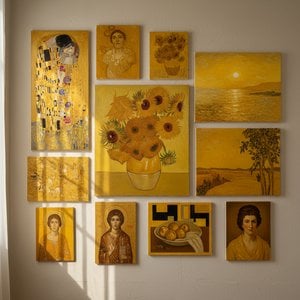
Golden Hues: Top 10 Paintings Dominated by Yellow Ochre |
Explore 10 iconic paintings bathed in golden yellow ochre! From Van Gogh's sunflowers to Monet’s haystacks, discover the stories behind these masterpieces. Find museum-quality art reproductions & elevate your home decor on .

Feathered Visions: A Historical & Artistic Exploration of Birds in Painting
Explore the rich history of birds in painting! Discover symbolism, artistic movements & master artists like Audubon. High-quality reproductions available at ArtsDot.

The Subdued Palette: Emotional Resonance & Aesthetic Impact of Muted Tones in Art
Explore the captivating world of muted tones in art! Discover Tonalism's history, Whistler’s influence & how subtle color palettes evoke emotion. Find serene landscapes and expert advice for integrating these timeless pieces into your home with ArtsDot.


