

 Peržiūrėti realaus dydžio版
 Pasidalinti
 Dalintis
 Išsamiau
 Vadovas

 Atsisiųsti
 Panašūs eksponatai
 Rentgeno spindulių nuotrauka
 Automatinė diorama
 问答
问答 Statistika
The Assassination

 Skaityti daugiau
Giclée / Meno spausdinimas
Muziejų lygio „giclée“ arba drobos spausdinimas: greita gamyba ir lankstios apdailos parinktys. ( Pirkti rankų darbo tapybą Perejti prie skaitmeninių vaizdų)




P118B €10

P118H €10

P118W €10

P438Z €10

P508JH €12

P508YH €12

P805H €10

P805Z €10

P919BZ €10

P919G €10

P919XJ €10

P959ZH €10

P968JZ €12

W106C €8

W218G €10

W218JH €8

W218Y €10

W307PJ €10

W316G €10

W316PJ €8

W316Y €10

W398PJ €8

W4111J €10

W500HY €15

W500JH €15

W692G €12

W849H €8

W940BG €15

W953PJ €8




Pasirinkite iš mūsų nustatytų dydžių, atitinkančių originalaus meno kūrinio proporcijas.

Įveskite jums reikiamą plotį ir aukštį, kad atvaizdas derėtų prie jūsų rėmo ar sienos. Spausdiną galima tik sumažinti, bet nepadidinti virš originalaus paveikslėlio dydžio, todėl keičiant proporcijas, dalis vaizdo prarandama. Prieš spausdinimą atsiųsime jums skaitmeninį maketą patvirtinimui. Šioje puslapio nuotraukoje matomas pjūvis nėra tikslus – jį rodo tik maketas.
Pristatymas visame pasaulyje () per 2 weeks, o ne įprastas 4/5 savaičių laikotarpis. (17 lapkritis)

Nemokamas greitasis pristatymas visame pasaulyje

Aukštos kokybės lininis drobė

Pilnas siuntimo draudimas

Muitinės mokesčių grąžinimo garantija

Tikro spalvų atitikimo garantija

100 dienų grąžinimo politika (tik esant įtaigoms)

100% pinigų grąžinimo garantija

Nuolaida dideliems užsakymams
 Stiklo variantas prieinamas tik pasirinkus dydį iki 110 cm

The Assassination
Giclée / Meno spausdinimas
Reprodukcijos matmenys
-


Bendroji kaina
€ 56
A Stage of Macabre: Decoding James Ensor’s ‘The Assassination’
James Ensor's 'The Assassination' is a deeply unsettling and powerfully evocative work that plunges the viewer into a world of theatrical grotesquerie. This painting, characteristic of his mature style, isn’t simply a depiction of violence; it’s an exploration of societal anxieties, morbid fascination, and the performative nature of human experience.Subject & Composition: A Disturbing Spectacle
The artwork presents a chaotic scene centered around what appears to be a staged execution or, more accurately, the *presentation* of a corpse. Multiple figures are crammed into a shallow space, actively involved in preparing and displaying the body for public viewing. The composition is deliberately crowded and unsettling, with overlapping forms and intense interaction between subjects. This isn’t a moment captured; it's a performance unfolding before an unseen audience. The ambiguity of the setting – resembling a stage more than a realistic location – reinforces this sense of theatricality.Style & Technique: Expressionism at its Height
‘The Assassination’ is firmly rooted in the Expressionist tradition. Ensor employs distorted forms, exaggerated features, and a heightened emotional intensity to convey a feeling of unease and psychological turmoil. His brushwork is loose and gestural, contributing to the urgency and instability of the scene. The predominant use of organic and angular shapes further amplifies this unsettling effect. Oil on canvas is the medium, expertly handled with visible layering and texture that adds a raw quality to the work. The flat, diffused lighting – lacking strong shadows – emphasizes the flatness of the composition and contributes to its dreamlike, yet disturbing, atmosphere.Color & Emotional Impact: A Jarring Palette
The color palette is dominated by jarring combinations of reds, yellows, and browns. These aren’t harmonious hues; they clash and vibrate, creating a visceral reaction in the viewer. Red, often associated with violence and passion, dominates, while sickly yellows and earthy browns contribute to a sense of decay and morbidity. The overall effect isn't simply unpleasant; it's deliberately designed to provoke discomfort and force contemplation. The painting evokes feelings of morbid fascination, anxiety, and a profound sense of alienation.Historical Context & Symbolism: Ensor’s Worldview
James Ensor (1860-1949) was a Belgian painter who challenged artistic conventions throughout his career. Growing up in Ostend, a bustling port city, exposed him to diverse cultures and social realities that deeply influenced his art. He rejected academic traditions and embraced an intensely personal and often satirical style. ‘The Assassination’ reflects Ensor's critical view of society – its hypocrisy, its fascination with spectacle, and its indifference to suffering. The display of the corpse can be interpreted as a commentary on the sensationalism of public executions or, more broadly, the human tendency to turn tragedy into entertainment. His work often features masked figures, representing the hidden faces and deceptive appearances within society.Collecting & Interior Design: A Statement Piece
A high-quality reproduction of ‘The Assassination’ is a bold statement for any art collection or interior space. Its dramatic composition and unsettling imagery demand attention and spark conversation. While its dark subject matter might not suit every environment, it can be powerfully effective in spaces that embrace artistic risk and intellectual depth. Consider pairing it with minimalist furnishings to allow the artwork's intensity to take center stage, or juxtapose it with more serene pieces to create a compelling dialogue between contrasting styles.- Ideal for collectors of Expressionist art.
- A striking focal point in a modern living room or study.
- Adds depth and intrigue to a gallery wall.
Klausimai ir atsakymai
Ar „The Assassination“ bendroje apimatyje yra labiau šviesus ar tamsus kūrinys?
Įrašytos „The Assassination“ – James Ensor reikšmės: šviesos intensyvumas – brilliant, luminansas – Gentle Luminance.
Atsižvelgiant į spalvas, oje rekomenduojamas „The Assassination“ – James Ensor?
„The Assassination“ – James Ensor Earthy spalvos dera su rekomenduojama erdvė: tai Living Room.
Kaip kontrastas ir harmonija susilieja kūryboje „The Assassination“?
„The Assassination“ kūryboje Gentle kontrastas susilieja su Strong Color Unity harmonija.
panašūs kūriniai


Autoriaus biografija
Pradinis gyvenimas, šeima ir meninė mokslas
James Ensoras gimė 1860 m. balandžio 13 d. Ostende, Belgijoje. Jo tapatybę lemė ypatingas kultūrų susiliejimas: jo tėvas, James Frederic Ensor, gimė Briuselyje angliškos šeimos, o motina, Maria Catherina Haegheman, buvo belgė. Ši dviseklė kilmė suteikė pagrindą požiūriui, kuris dažnai išsivykdavo už siaurų vietinės tradicijos ribų. Augdamas, menininkas gyveno Ostende, tėvų valdomiame suvenyrų parduotuvėje. Ši aplinka buvo ne tik gyvenamoji erdvė, bet ir keistų bei dekoratyvinių daiktų saugla. Parduotuvė buvo pilna rakhčių, karnavalinių masek ir keistų daiktų, kurie suteikė vizualinį žodyną jo vėliavesniam kūrybos veiklui.
Jo oficialus meninis išsilavinimas buvo bandymų ir klaidų procesas. Prieš įstojęs į griežtą akademijos aplinką, jis pradėjo savo meninę mokslą mokantis dirbdamas su dviem vietiniais dailininkais. Šis ankstyvasis mokymas suteikė techninį pagrindą, kurį jis vėliau pradėjo manipuliuoti ir iškraipyti. 1877–1880 m. jis studijavo Briuselio Karališkoje dailės akademijoje. Net ir šių akademinių sienų viduje jo interesai išliko skirtingi griežtoms institucijos reikalavimams. Jis nebuvo status quo šalininkas; jis buvo aplinkinių daiktų, kurie jį lydėjo Ostende, mokinys.
Jo meno stiliaus evoliucija
Ankstyvoje kūrybos darbuose James Ensoras dar nesidavė tuo psichologiniu šiurkšniu įtampu, kuris apibūdina jo brandų kūrybos etapą. Tokiuose paveiksluose kaip Rusų muzika (1881) ir Girtukai (1883), jis kūrė remdamasis tamsiu, realizmu pasižyminčiu rėminiu. Šios kompozicijos gryniausia remtasi pristabdintais tonais ir tradiciniu kasdienybės vaizdavimu. Jos atskleidžia menininką, kuris dar buvo glaudžiai susiamatęs su realizmo gravitacija, kol jo vizualinė kalba nepasiekė radikalaus lūžio. Galiausiai jis atsisakė šios savireguliacijos ir pasirinko paletę, kuri tapo pastebimai ryškia, o tema – vis keistesnė ir keivesnė.
Pokytis link groteskos buvo lemtytas specifikos, sklandžios nei maskos, meilės. Jį traukė plastiškos formos ir intensyvios spalvos, kurias jis stebėjo šeimos suvenyrų parduotuvėje rasti karnavalinių masekų pavyzdžiai. Šie objektai nebuvo tik paprasti reikmenės; jie tapo jo estetiškos vizijos šerdimi. Ensoras įterpė jas į savo stillius, kad suteiktų scenoms teatralumo ir sutrikdytų kasdienio buities ramybę. Šis žingsmas link irracionalumo leido jam išlipti už paprasto vaizdavimo ribų ir įstiepti į psichologinės įtampos erdvę.
- Skandalizuotos kaukės (1883)
- Oyster Eater (1882/1883)
- Veržiasis žmogus (1891)
Pagrindiniai kūriniai ir svarbios temos
James Ensoras susidomėjimas kaukėmis ir grotesku suteikia tiesiogią ryšį su moderniosios erdos psichologinėmis įtampomis. Skandalizuotos kaukės (1883) kūryboje jis išreiškė ankstyvą susižavėjimą paslėpties galia, pasinaudodamas karnavališku motyvu, kad nuplenčiau socialinius iš মুখোjimus. Šis susižavėjimas teatrališkumu ir neramumu nebuvo tik stiliaus pasirinkimas, o metodas tyrinėti tapatybę. Jo 1882 m. darbas Osterių valgytoja (angl. The Oyster Eater) demonstruoja kitokią jo gebėjimą dirbti su šviesa ir spalvomis, vaizduodamas jo seserį Mitche scenoje, kuri iššantausi konservatyvias Antverpio salonų jautrumas. Šio paveikslio atmetimas iš oficialių institucijų pabrėžia šiurkštų trintį tarp jo vizijos ir griežtų to laiko normų.
Dailininko kreipimasis link agresyvesnių, ekspresyvesnių formų labiausiai pasireiškia jo monumentalųose kompozicijose. Kristaus įžengimas į Briuselį (1888-1889) veikia kaip XX a. ekspresionizmo priešduofė, pasinaudodama chaotišku, ryškiai spalvintu groteskiškų figūrų procesiju, kad parodizuotų modernųją visuomenę. Esminės kovos pojūdis dar labiau išsiskveria Veržčių žmogui (angl. The Man of Sorrows) (1891) aliejuje, kuriame Kristaus kančia susipina su sukrėbiančia japonų Noh teatro kaukės vaizdinyste. Tokie darbai atskleidžia žmogų, naudojantį religinius ir alegoriškus motyvus, kad išreiktų gilią frustraciją dėl žmonių elgesio ir visuomenės abjaivumo.
Mirtis ir egzistencijos absurdas išlieka jo kūrybos pagrindais. Skeletai, besipeilkančijie dėl paklaudoto žmogaus (1891) naudoja skeletines figūras, kad žiūrovą sužvelgtų į lūžį ir mirties realybę. Šios nuolatos pasikartojančios griekimo, pagavos ir išorės trapumo temos užtikrina, kad jo kūryba išlieka galingu studijų objektu. Gebėjimas sintezuoti šias tamsias, dažnai nepatogias tiesas į vientisą vizualinę kalbą yra tai, kas apibrėžia jo indėlį į perėjimą link modernizmo.
Kur galima pamatyti jo kūrybą šiandien
James Ensoras buvimas svarbiausiuose tarptautiniuose kolekcijose patvirtina jo neištrinkinamą įtaką modernizmo vystymui. Antverpije, Karališkasis gražiausioji dailės muziejus, saugo du jo reikšmingus šedevrus: „Sielos skausmai“ bei „Oyzterio valgytoja“. Šie darbai demonstruoja technikinį platoškumą menininko, kuris gebėjo sklandžiai perbėgti nuo religinės įtampos iki kasdienių, buitinių scenų. Jo įtampa persikeičia per Atlantą, kur Niujorko Modernos dailės muziejus saugo Šventojo Antano kankybių paveikslą. Šis kūrinys išlieka pagrindiniu jo stiliaus pokyčio į keistumą ir psichologinę gylį pavyzdžiu.
Jo vaizdinė menė yra globalaus masto. Los Andželyane, Getty Center pristato Kristaus įžengimą į Briuselį – milžinišką kompoziciją, kurioje įamžinta jo aštriiausia socialinė kritika. Tuo tarpu Fort Worth, Kimbell meno muziejus, saugo Šešulių saviškas šildymą. Šios išsklaidusios vietos užtikrina, kad jo vizualinė kalba, apibrėžta atmetimu akademinėms normoms, išlieka prieinama įvairiai mokslininkų ir meno stebėtojų auditorijai.
- „Sielos skausmai“
- „Oyzterio valgytoja“
- „Šventojo Antano kankybių“
- „Kristaus įžengimas į Briuselį“
- „Šešulių saviškas šildymas“

James Ensor
1860 - 1949 , Belgija
Trumpa informacija
- Artic Stilius Ar Mokslas:
- Simbolizmas
- Ekspresionizmas
- Gimimo Data: 1860 m.
- Gimimo Vieta: Ostendė, Belgija
- Menininkai, Kurie Kantavo Įtaką Šiam Menininkui:
- Pieter Bruegel Didysis
- Francisco Goya
- James Abbott McNeill Whistler
- Mirties Data: 1949 m.
- Mokslas Ar Stilius, Kuriems Šis Menininkas Kantavo Įtaką:
- Ekspresionizmas
- Surrealizmas
- Pilnas Vardas: James Sidney Edouard Ensor
- Tautybė: Belgų
- Žinomiausi Darbai:
- Kristaus įžengimas į Briuselį
- Pusėlių žmogus
- Oyzterio valgytoja
- Šv. Antano kankymai
- Skeletai, besimokantys dėl paklausbinto žmogaus
Susiję straipsniai
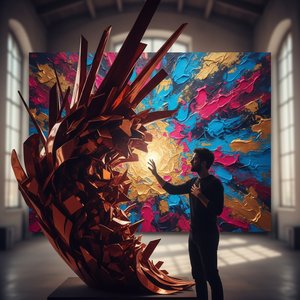
The Resonance of Boldness: Exploring Emotional Impact & Artistic Expression
Explore the powerful world of Expressionism with ArtsDot. Discover key artists like Kirchner & Rothko, understand its emotional impact, and learn how to collect this influential art movement. Expert insights for discerning collectors.

The Evocative Power of Warmth: Exploring Emotional Resonance in Paintings
Explore the power of warm colors in art history! Discover how masters used reds, oranges & yellows to evoke emotion. Expert insights on Baroque drama, interior design & finding your perfect palette. ArtsDot offers handmade reproductions.

The Geometry of Presence: Mastering Composition and Stance in Classical Portraiture
Master the secrets of classical portraiture through geometry and light. Explore the techniques of the Old Masters today.

The Visceral Turn: Exploring Emotional Intensity in Expressionism
Explore the powerful world of Expressionism with ArtsDot. Discover key artists like Kirchner & Nolde, understand its emotional impact, and learn about this revolutionary art movement's lasting legacy.

James Ensor's Grotesque Visions: Social Commentary & Artistic Innovation
Explore the unsettling yet captivating world of James Ensor, a pioneer of Expressionism. Discover his satirical masterpieces, symbolic imagery & lasting influence on modern art. High-quality reproductions available at ArtsDot.


