


 Peržiūrėti realybėje
 Pasidalinti
 Dalintis
 Išsamiau

 Atsisiųsti
 Panašūs eksponatai
 Rentgeno nuotrauka
 Automatinė diorama
Mirror with Skeleton

 Skaityti daugiau
Rankų darbo aliejinės reprodukcijos
Rankiniu būdu tapytas aliejus ant droblio jūsų pageidaujamame dydį ir rėmuose – mūsų menininkų darbas pagal užsakymą. ( Pirkti spaudinį Pirkti vaizdą)




P118B $10

P118H $10

P118W $10

P438Z $10

P508JH $12

P508YH $12

P805H $10

P805Z $10

P919BZ $10

P919G $10

P919XJ $10

P959ZH $10

P968JZ $12

W106C $8

W218G $10

W218JH $8

W218Y $10

W307PJ $10

W316G $10

W316PJ $8

W316Y $10

W398PJ $8

W4111J $10

W500HY $15

W500JH $15

W692G $12

W849H $8

W940BG $15

W953PJ $8




Pasirinkite iš mūsų nustatytų dydžių, atitinkančių originalaus meno kūrinio proporcijas.

Galite įvesti savo matmenis, kad jie atitiktų konkretų rėmą ar erdvę. Jei pasirinktas dydis neatitinka originalaus paveikslėlio proporcijų, mes arba apkropsime meno kūrinį, arba papildysime tapybą rankomis dažytい elementais. Prieš pradėdami gamybą, jūsų patvirtinimui atsiųsime skaitmeninį maketą.
Atkreipkite dėmesį, kad ekrane rodomas vaizdas neatspindi tikrojo apkarpymo ar papildymo. Tik maketas tiksliai parodys galutinę kompoziciją.
Nors galima rinktis ir individualius dydžius, rekomenduojame pasirinkti matmenis iš nustatytos sąrašo, kad būtų išlaikytos originalios proporcijos.
Gavus užsakymą, ArtsDot.com komanda susisieks su klientu el. paštu dėl instrukcijų ir pateiks maketo pavyzdį.
Pristatymas visame pasaulyje () per 3–4 savaites, o ne įprastai – per 5 savaites. (16 rugpjūtis). Kokybė lieka nepakeičiama.

Nemokamas greitasis pristatymas visame pasaulyje

Aukštos kokybės lininis drobė

Pilnas siuntimo draudimas

Muitinės mokesčių grąžinimo garantija

Tikro spalvų atitikimo garantija

60 dienų grąžinimo politika (tik esant gamyklinėms defektams)

100% pinigų grąžinimo garantija

Nuolaida už kelias reprodukcijas
 Stiklo variantas prieinamas tik pasirinkus dydį iki 110 cm

Mirror with Skeleton
Reprodukcijos technika
Reprodukcijos matmenys
-


Galutinė kaina
$ 263
Kūrinio aprašymas
James Ensor’s Disturbing Reflection: Exploring the Symbolism of ‘Mirror with Skeleton’
James Sidney Edouard Ensor (1860-1949) stands as a singular figure in Belgian art history—a provocateur who relentlessly interrogated societal anxieties and psychological complexities through his unsettling visual language. Born into an English father and Belgian mother, Ensor's upbringing instilled within him a profound appreciation for duality, mirroring the paradoxical nature of his artistic output. His formative years spent amidst the vibrant spectacle of Ostend’s seaside resort town undeniably shaped his worldview, fostering an obsession with masks and disguises that would permeate his canvases throughout his prolific career. This fascination wasn’t merely aesthetic; it represented a deliberate strategy to expose hidden truths beneath superficial appearances—a core principle guiding Ensor's artistic endeavors.- Subject Matter: The painting depicts a stark tableau featuring a skeleton positioned before a mirror reflecting multiple faces, creating an immediate confrontation between mortality and identity.
- Style: Ensor’s work firmly establishes itself within the Expressionist movement, rejecting academic conventions in favor of conveying raw emotion and psychological intensity.
Technique and Composition – A Masterclass in Texture and Tension
Ensor's masterful technique is characterized by thick impasto—a layering of paint that builds up substantial texture—particularly evident in the depiction of the skeleton’s bones and the surrounding faces. This tactile approach isn’t simply decorative; it serves to amplify the emotional impact of the image, conveying a palpable sense of unease and decay. The composition itself is deliberately unsettling, utilizing diagonals and overlapping planes to generate visual tension. The placement of clocks—several prominent on the left and right sides—further contributes to this feeling of disorientation and underscores the relentless passage of time against which human existence struggles. Ensor’s meticulous attention to detail ensures that every element within the painting reinforces the overarching theme of existential dread.Historical Context – The Shadow of Trauma and Societal Critique
Created around 1908, ‘Mirror with Skeleton’ emerged during a period marked by significant social upheaval in Belgium—the aftermath of World War I profoundly impacted the nation's psyche. Ensor responded to this trauma not through idealized representations but rather through confronting uncomfortable realities. His artistic vision aligns closely with Surrealist principles, exploring dreamlike imagery and subconscious anxieties as avenues for critique. The painting’s symbolism transcends mere visual depiction; it speaks to universal concerns about death, illusion, and the fragility of human consciousness—themes that resonate powerfully even today.Symbolism – Masks, Mortality, and the Illusion of Self
The central image of the skeleton gazing into the mirror is laden with symbolic significance. The skeleton represents mortality, confronting viewers with the inescapable reality of death while simultaneously embodying vulnerability and decay. The mirrored faces symbolize the multiplicity of identities—the masks we wear to conceal our true selves—and the deceptive nature of appearances. Ensor’s deliberate use of clocks reinforces this idea, highlighting the relentless march of time and suggesting that all endeavors ultimately succumb to oblivion. Ultimately, ‘Mirror with Skeleton’ compels us to contemplate the unsettling truth that beneath the veneer of social convention lies a profound darkness – a darkness that Ensor unflinchingly confronts in his unforgettable artwork.panašūs kūriniai


Autoriaus biografija
Gyvenimas pasikraustęs kaukėse ir šešuliuose: Jameso Ensoro pasaulis
1860 m. Ostende, Belgijoje, gimęs James Sidney Edouard Ensor iškrato iš įtraukiančio kultūrų susiliejimo – jo tėvas buvo anglas, o motina – belgė. Ši dviseklė kilmė galbūt iš anksto numatė visą gyvenimą šį menininką lydėsiantį susižavėjimą kaukėmis ir pasirodymais – temomis, kurios vėliau dominuotų jo nerūpestingame, tačiau įtraukiančiame kūrybos veikalme. Augdamas po skambaus pietaukos kurorto energija, jaunasis James buvo giliai paveiktas karnavalių ir keivybės atmosferos. Jo tėvai valdė suvenyrų parduotuvę, pilną rakhčių, karnavalinių masek ir keistų daiktų – tai buvo tikras stebuklų kabinetas, kuris įžvėgė jo vaizdotę ir suteikė turtingą vizualinį žodyną būsimai menui. Nors iš pradžių jis nesugebėjo susidompėti tradiciniais akademiniais siekiais, Ensor galiausiai įstojo į Briuselio Karališkąją dailės akademiją, tačiau jos griežta struktūra jam atrodė dusinanti jo augančiai meninei vizijai. Jis greitai suprato, kad turi iškovoti savo kelią – kelią, kuris išvestų jį daleko už konvencinių ribų.
Nuo tamsių realizmo iki groteskiškų vizijų
Ensoro ankstyvieji paveikslai atspindėjo labiau tradicinį požiūrį, vaizduodami kasdienio gyvenimo escenas tamsiais tonais. Tokie darbai kaip „Rusų muzika“ (1881) ir „Girtukai“ (1883) atskleidžia pradinį talentą, kovojantį su realizmu, tačiau net ir šiose ankstyvose kūrybos dalyse jau juntamos būsimos nerūpestingos vaizduotės užuominos. Lemtingas lūžis įvyko tada, kai Ensoro paletė linksmingėjo, o tematikos turinys tapo vis keistingesnis. Jis pradėjo savo plėslus klesti karnavalais, skeletais, lėmėmis ir alegoriškomis figūrinėmis – pasauliu, prisigėrusiu fantazija ir dažnai besiribojančiu su grotesku. Tai nebuvo tik stiliaus pokytis; tai buvo tyčia atliktas tamsiųs žmogaus egzistencijos sričių tyrimas, visuomenės normų atmetimas ir moksliškos racionalybės atsisakymas. Jo stilius tapo akimirksniu atpažįstamas dėl drąsių traukų, ryškių spalvų ir teatralumo – tai buvo unikalus jo pats vizualinis kalbos būdas. Vaizdos vaikystės aplinkos įtaka yra neabejotina: tos karnavalinės kaukės nebuvo tiesiog dekoratyviniai elementai; jos buvo paslėptų tapatybių, socialinės kritikos ir išorės trapumo simboliai.
Nerimo šedevrai: pagrindiniai kūriniai ir pasikartojančios temos
Visos savo karjeros metu Ensoras sukūrė darbų seriją, kuri šiandien vis dar šokiruoja ir žavinti auditoriją. „Skandalizuotos kaukės“ (1au83) yra ankstyvas įrodymas jo susižavėjimo pasirodymų galia ir jų gebėjimu atskleisti slaptas emocijas. Galbūt jo kontroversiškiausias darbas, „Kristaus įžangė į Briuselį“ (1888–1889), išlieka galinga religinės hipokrizės ir visuomenės abtaiściumo satire – paveikslas, kuris iš pradžių sulaukė griežtos kritikos, o dabar yra švęčiamas kaip šedevras. Nerūpestingas Kristaus vaizdas, įžengiantis į miestą, pilną groteskiškų kaukėtų figūrų, yra stiprus komentaras apie atotrūkį tarp dvasinių idealų ir žmogaus elgsenos. „Skeletai, kovojantys dėl paklaustaus žmogaus“ (1891) siūlo griežtą meditaciją apie mirtį, nykštį ir gyvenimo absurdiškumą, o „Šv. Antano kančios“ (1887) gilina sudėtingas alegorines temas apie pagundą, nuodėmę ir dvasinę kovą. Visame jo kūrybos darbe pasikartoja mirties tyrimai, socialinė kritika, religinė satire ir begalinė vaizduotės galia – temos, kurios išlaiko amžiną aktualumą.
Modernizmo pionierius: įtaka ir palikimas
Nors Ensoras atsisakė lengvo įdiegimo į kategorijas, jo meninė kilmė yra sudėtinga ir įtraukianti. Jis pripažino tokių meistrų kaip Pieteris Bruegelis Didysis, kurio persitempusių scenų ir moralizuojančių naratyvų istorijos rezonavo su jo pačiu viziniu, taip pat Francisco Goya, kurio juodasis humoras ir neatsitraukiančios žmogaus kančios aprašymai paliko neištrinčiam įspūdį. James Abbott McNeill Whistlerio pabrėžimas esteticizmui taip pat pritarė Ensoro meniniams pojūčiams. Tačiau Ensoras nebuvo tik imitatorius; jis sujungė šias įtakas į kažką visiškai naujo ir originalaus. Šiuolaikiniu laiku jis plačiai pripažįstamas kaip svarbi figūra pereinamajame etape nuo XIX amvio simbolizmo prie ankstyvojo XX amžiaus ekspresionizmo ir surrealizmo – tikras moderniojo meno pionierius. Jo drąsus priešaumą padavęs požiami tyrimas, groteskiškų vaizdų priėmimas ir akademinių konvencijų atmetimas atvėrė kelią būsimoms menininkų kartoms, kurios išdrįso iššūkį kelti meninei normai. Nepaisant pradinės priešmaršų, Ensoras savo vėlesniaisiais metais galiausiai sulaukė pripažinimo: 1929 m. karališkasis Albertas I pavadino jį baronu, o 1933 m. jam suteikta Légion d'honneur garbė. Jis mirė Ostende 1949 m., palikdamas kūrybos turtą, kuris ir toliau sužavina, sukrėtė ir įkvepia. Jo palikimas išlieka įrodymu apie meno galią susidurti su nemalgiomis tiesomis ir tyrinėti žmogaus būties gilumas.

Džeimsas Ensoras
1860 - 1949 , Belgija
Trumpa informacija
- Artistic Movement Or Style: Expressionism, Surrealism
- Artists Who Influenced This Artist:
- Bruegel the Elder
- Francisco Goya
- Whistler
- Date Of Birth: April 13, 1860
- Date Of Death: November 19, 1949
- Full Name: James Sidney Edouard Ensor
- Nationality: Belgian
- Notable Artworks:
- The Scandalized Masks
- Skeletons Fighting...
- Christ's Entry into Brussels
- Place Of Birth: Ostend, Belgium
Susiję straipsniai

James Ensor's Grotesque Visions: Social Commentary & Artistic Innovation
Explore the unsettling yet captivating world of James Ensor, a pioneer of Expressionism. Discover his satirical masterpieces, symbolic imagery & lasting influence on modern art. High-quality reproductions available at ArtsDot.

Džeimso Ebboto Maknilo Vislerio 25 Šedevrai: Tonalizmo Elegancija Jūsų Interjere
Atraskite 25 įspūdingiausius Džeimso Ebboto Maknilo Vislerio kūrinius! Tonalizmo meistras, noktiurnai ir portretai – meno istorijos šedevrai jūsų interjerui. Pirkti aukštos kokybės reprodukcijas ArtsDot.com
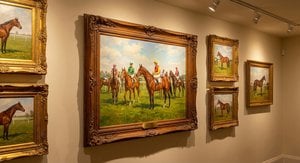
Sir Alfred Munnings' Masterpieces: 25 Paintings That Define Equine Art | ArtsDot
Explore 25 iconic Sir Alfred Munnings paintings! Discover the beauty of British Impressionism, equine art & rural England. Find museum-quality reproductions and elevate your home decor with ArtsDot. Explore the full collection online.

Beyond Reality's Grasp: Surrealism & Expressionism in 20th-Century Art
Explore the captivating interplay of Surrealism & Expressionism in 20th-century art. Discover key artists like Masson and Pollock, automatism techniques, and their lasting influence. Expert insights for art enthusiasts.

René Magritte: 25 Šedevrai, Iššūkiai Realybei ir Įkvėpimas Interjerui
Atraskite 25 įspūdingiausius René Magritte kūrinius! Sužinokite apie siurrealizmo meistro paveikslų istoriją, techniką ir įkvėpimą. Meno reprodukcijos jūsų interjerui – ArtsDot.com. Explore the full collection online!



