

 Peržiūrėti realybėje
 Pasidalinti
 Dalintis
 Išsamiau

 Atsisiųsti
 Panašūs eksponatai
 Rentgeno nuotrauka
 Automatinė diorama
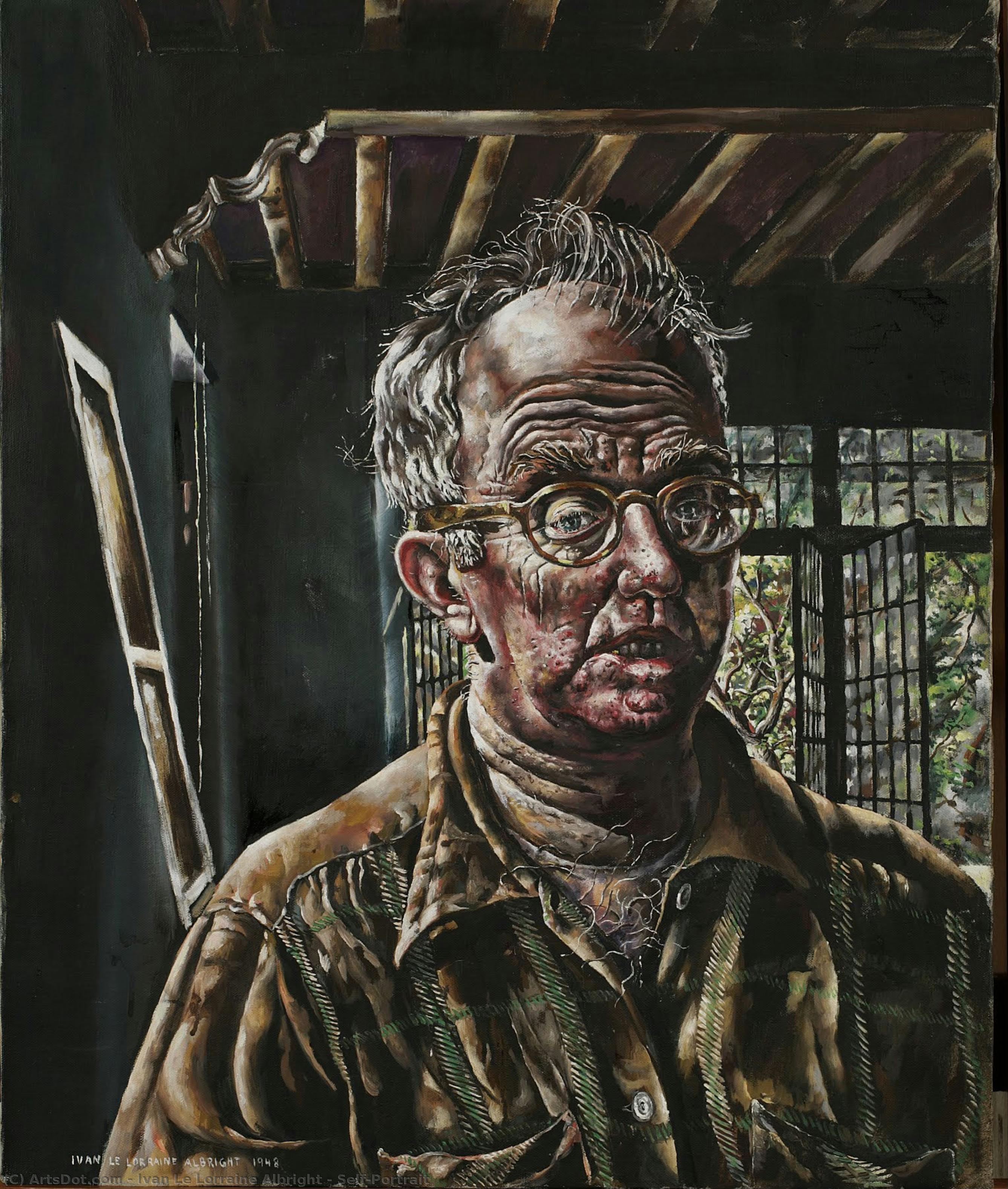
Self-Portrait

 Skaityti daugiau
Rankų darbo aliejinės reprodukcijos
Rankiniu būdu tapytas aliejus ant droblio jūsų pageidaujamame dydį ir rėmuose – mūsų menininkų darbas pagal užsakymą. ( Pirkti spaudinį Pirkti vaizdą)




































Pasirinkite iš mūsų nustatytų dydžių, atitinkančių originalaus meno kūrinio proporcijas.

Galite įvesti savo matmenis, kad jie atitiktų konkretų rėmą ar erdvę. Jei pasirinktas dydis neatitinka originalaus paveikslėlio proporcijų, mes arba apkropsime meno kūrinį, arba papildysime tapybą rankomis dažytい elementais. Prieš pradėdami gamybą, jūsų patvirtinimui atsiųsime skaitmeninį maketą.
Atkreipkite dėmesį, kad ekrane rodomas vaizdas neatspindi tikrojo apkarpymo ar papildymo. Tik maketas tiksliai parodys galutinę kompoziciją.
Nors galima rinktis ir individualius dydžius, rekomenduojame pasirinkti matmenis iš nustatytos sąrašo, kad būtų išlaikytos originalios proporcijos.
Gavus užsakymą, ArtsDot.com komanda susisieks su klientu el. paštu dėl instrukcijų ir pateiks maketo pavyzdį.
Pristatymas visame pasaulyje () per 3–4 savaites, o ne įprastai – per 5 savaites. (16 rugpjūtis). Kokybė lieka nepakeičiama.

Nemokamas greitasis pristatymas visame pasaulyje

Aukštos kokybės lininis drobė

Pilnas siuntimo draudimas

Muitinės mokesčių grąžinimo garantija

Tikro spalvų atitikimo garantija

60 dienų grąžinimo politika (tik esant gamyklinėms defektams)

100% pinigų grąžinimo garantija

Nuolaida už kelias reprodukcijas
 Stiklo variantas prieinamas tik pasirinkus dydį iki 110 cm

Self-Portrait
Reprodukcijos technika
Reprodukcijos matmenys
-


Galutinė kaina
$ 263
Kūrinio aprašymas
panašūs kūriniai




Autoriaus biografija
The Architect of Decay: The Life and Vision of Ivan Le Lorraine Albright
In the annals of American art, few names evoke as much profound unease and breathtaking admiration as Ivan Le Lorraine Albright. An American master of Magic Realism, Albright did not merely paint subjects; he interrogated them, peeling back the layers of time to reveal the inevitable processes of decay and mortality beneath. Born in 1897 in North Harvey, Illinois, to a family with deep roots in craftsmanship—his father, Adam Emory Albright, was a landscape painter descended from master gunsmiths—Ivan’s life was shaped by a duality of precision and profound psychological depth. Alongside his identical twin brother, Malvin, Ivan navigated a childhood defined by an inseparable bond, eventually finding his true calling at the Art Institute of Chicago. While a mere coin flip determined that he would pursue painting rather than sculpture, the decision would lead to the creation of some of the most meticulously executed works in the history of the medium.
Albright’s artistic evolution was far from linear, shaped by a series of disparate experiences that infused his work with a haunting, clinical intensity. His brief studies in architecture at the University of Illinois and his time performing medical drawings for a hospital in Nantes, France, during World War I, left an indelible mark on his psyche. These early encounters with the structural anatomy of buildings and the fragile, morbid realities of the human body provided the foundation for his later obsession with physical deterioration. After a brief, unfulfilling foray into the worlds of advertising and architecture, Albright retreated from the encroaching tides of commercialism to dedicate himself entirely to the canvas. It was during the 1930s that his signature, painstaking technique truly crystallized—a method so rigorous it often required years of labor to complete a single piece.
A Technique of Infinite Detail
To witness an Albright painting is to enter a world where every pore, wrinkle, and speck of dust is rendered with an almost supernatural clarity. His process was one of extreme discipline and obsessive devotion. He did not simply paint; he constructed his visions through a labyrinthine series of preparatory steps:
- Meticulous Preparation: The creation of numerous, highly detailed drawings that served as the structural blueprint for each composition.
- Customized Coloration: The development of his own unique color palette, specifically designed to capture the subtle, sickly hues of aging and organic breakdown.
- Microscopic Execution: The use of hundreds of tiny brushes to apply paint with such precision that he could depict the slightest shifts in light and the minute textures of crumbling surfaces.
This hyper-detailed approach allowed Albright to transcend traditional realism, moving into a realm where the physical world feels both more real and more surreal than life itself. By focusing on the microscopic details of decay, he was able to highlight the complex relationships between objects and their environments, creating a sense of stillness that is simultaneously vibrant and deathly.
Legacy and Artistic Significance
While his influences can be traced back to the dramatic chiaroscuro of Rembrandt and the elongated, spiritual intensity of El Greco, Albright’s work remains entirely singular. He carved out a niche within American Realism that refused to look away from the uncomfortable truths of existence. His character studies and self-portraits serve as profound meditations on the human condition, capturing the psychological weight of time passing. Through his mastery of light and shadow, he transformed the grotesque into something sublime, forcing the viewer to confront the beauty found within the ephemeral and the decaying.
Today, Ivan Le Lorraine Albright is remembered not just as a painter of remarkable skill, but as a visionary who used the tools of extreme realism to explore the depths of Magic Realism. His legacy persists in the way we perceive the passage of time—reminding us that beneath the surface of all things, there is a complex, beautiful, and inevitable transformation occurring. His works remain enduring landmarks of 20th-century art, standing as monuments to the power of patience, precision, and the courage to look closely at the shadows.

ivan le lorraine albright
1897 - 1983 , United States of America
Trumpa informacija
- Artistic Movement Or Style: Magic Realism
- Artists Who Influenced This Artist:
- El Greco
- Rembrandt
- Date Of Birth: 1897
- Date Of Death: 1983
- Full Name: Ivan Le Lorraine Albright
- Nationality: American
- Notable Artworks:
- Self-portraits
- Character studies
- Still lifes
- Place Of Birth: North Harvey, USA

