


 Peržiūrėti realaus dydžio版
 Siųsti
 Dalintis
 Išsamiau
 Vadovas

 Atsisiųsti
 Panašūs eksponatai
 Rentgeno spindulių nuotrauka
 Diaporama
 Statistika
Toyota Ipsum


 Rodyti daugiau
Šiame puslapyje rodomas meno kūrinys yra saugomas autorių teisių įstatymais, todėl neturime teisės legaliai kurti ar parduoti jo identiškos reprodukcijos. Ši apsauga užtikrinama remiantis tokiais tarptautiniais susitarimais kaip Bernės konvencija ir pagal nacionalines įstatymų nuostatas, įskaitant tas, kurias nurodo JAV autoriškos teisės įstatymas – 17-asis skyrius.
Kaip pagarbią ir teisėtą alternatyvą, mes siūlome pagal užsakymą rankomis dažytus paveikslus, įkvėptus originalo. Mūsų įgudę ir profesionalūs menininkai kruopščiai tiria originalo stilių, nuotaiką ir meninę esmę, kad sukurtų naują, unikalią kūrinį, kuris sukelia tą paties jausmą – išlikdamas tuo tarciau originaliu, savarankišku kūrybiniu darbu.
Šis metodas visiškai atitinka autorių teises, nes jame nėra kūrinio kopijavimo ar dubliavimo. Tai yra kūrybinė reinterpretacija – naujas paveikslas, kurį įkvėpė originalas, tačiau kuris nėra jo identiškas.
Rankų darbo aliejinės reprodukcijos
Rankiniu būdu tapytas aliejus ant droblio jūsų pageidaujamame dydį ir rėmuose – mūsų menininkų darbas pagal užsakymą. ( Perjungti į spausdinimą Perejti prie skaitmeninių vaizdų)




P118B €10

P118H €10

P118W €10

P438Z €10

P508JH €12

P508YH €12

P805H €10

P805Z €10

P919BZ €10

P919G €10

P919XJ €10

P959ZH €10

P968JZ €12

W106C €8

W218G €10

W218JH €8

W218Y €10

W307PJ €10

W316G €10

W316PJ €8

W316Y €10

W398PJ €8

W4111J €10

W500HY €15

W500JH €15

W692G €12

W849H €8

W940BG €15

W953PJ €8




Pasirinkite iš mūsų nustatytų dydžių, atitinkančių originalaus meno kūrinio proporcijas.

Įveskite jums reikiamą plotį ir aukštį, kad paveikslas atitiktų jūsų rėmą ar sieną. Kadangi šis darbas yra rankinio darbo, siekiant išgauti kitokio formos dydį, paveikslas gali būti šiek tiek didesnis (nuo kraštų bus palikta daugiau erdvės) arba mažesnis – pasirinkite jums patogiausią variantą. Prieš pradedant tapyti, atsiųsime jums skaitmeninį maketą patvirtinimui. Šioje puslapio nuotraukoje matomas vaizdas nėra galutinis rezultatas – jį parodys tik sukurtas maketas.
Gavus užsakymą, ArtsDot.com komanda susisieks su klientu el. paštu dėl instrukcijų ir pateiks maketo pavyzdį
Pristatymas visame pasaulyje () per 3–4 savaites, o ne įprastai – per 5 savaites. (22 spalis). Kokybė lieka nepakeičiama.

Nemokamas greitasis pristatymas visame pasaulyje

Aukštos kokybės lininis drobė

Pilnas siuntimo draudimas

Muitinės mokesčių grąžinimo garantija

Tikro spalvų atitikimo garantija

100 dienų grąžinimo politika (tik esant įtaigoms)

100% pinigų grąžinimo garantija

Nuolaida dideliems užsakymams
 Stiklo variantas prieinamas tik pasirinkus dydį iki 110 cm

Toyota Ipsum
Reprodukcijos technika
Reprodukcijos dydis
-


Visų pasirinktų variantų kaina
€ 231
问答 (or more naturally for a website heading): Klausimai ir atsakymai
Kokie kiti Ishida Tetsuya vardai yra žinomi?
Ishida Tetsuya taip pat žinomas (žinoma) kaip Tetsuya Ishida.
Atsižvelgiant į kūrinio datą, prie kokios Ishida Tetsuya karjeros etapos galima priskirti „Toyota Ipsum“?
1996 m. data įtraugia "Toyota Ipsum" į Ishida Tetsuya kūrybinio plėtojimo Contemporary laikotarpį.
Kokia yra „Toyota Ipsum“, autorius – Ishida Tetsuya dominuojanti spalva?
„Toyota Ipsum“ linksta į Amber to Saffron atspalvį.
Susiję kūriniai


Autoriaus biografija
A Haunting Vision of Modern Japan: The Life and Art of Tetsuya Ishida
Tetsuya Ishida, born in 1973 in Yaizu, Shizuoka Prefecture, emerged as a singular voice within the Japanese contemporary art scene—a voice tragically silenced by his untimely death in 2005. His paintings are not merely depictions of life in late-20th and early-21st century Japan; they are unsettling allegories of isolation, consumerism, and the anxieties that permeated a nation grappling with economic stagnation and societal shifts. Ishida’s work quickly garnered attention for its hyperrealistic style, yet it was the surrealist integration of human figures into everyday objects—machinery, architecture, even animal forms—that truly captivated and disturbed viewers. He offered a glimpse into a world where the boundaries between self and environment blurred, reflecting a profound sense of alienation in an increasingly technological age.- Early Influences & Artistic Awakening: Ishida’s path to becoming an artist was sparked by early exposure to Social Realist art, particularly the illustrations of Ben Shahn. An exhibition of Shahn's work in Yaizu when Ishida was just a child proved pivotal, especially images depicting the aftermath of the Lucky Dragon Incident—a nuclear fallout tragedy that deeply affected him. This encounter instilled a desire to use art as a vehicle for social commentary, a theme that would remain central throughout his career. Even during his youth, he actively participated in creative contests, submitting works focused on human rights and anti-bullying themes, foreshadowing the mature concerns of his later paintings.
- Education & Early Career: Ishida pursued formal art training at Musashino Art University in Tokyo after graduating from Shizuoka Prefectural Yaizu Central High School. Following graduation, he dedicated himself to painting, rapidly establishing a presence within the vibrant Ginza gallery scene. His work quickly distinguished itself through its meticulous detail and unsettling subject matter.
The Lost Generation & The Language of Anxiety
Ishida’s artistic development was inextricably linked to his experience as a member of Japan's “Lost Generation”—those who came of age during the economic recession of the 1990s. This period, marked by high unemployment and social uncertainty, profoundly shaped his worldview and found direct expression in his art. His paintings often feature young men—expressionless or melancholic—fused with inanimate objects, suggesting a loss of identity and agency within a technologically driven society. The integration of bodies into machinery isn’t simply about depicting the physical environment; it's a metaphor for being consumed by work, trapped within systems beyond individual control. “Toyota Ipsum” (1997), one of his most iconic works, exemplifies this theme. A young man is seamlessly incorporated into the interior of a car, becoming part of the vehicle itself—a haunting commentary on consumer culture and the dehumanizing aspects of modern life. Similarly, paintings like “Rise and Shine” (1997), depict figures melded with dump trucks, evoking feelings of isolation and urban decay. These aren’t scenes of futuristic dystopia; they are reflections of a present reality—a bleak outlook on the near-future where individuals feel increasingly disconnected from their surroundings and each other.Themes & Symbolism: Isolation, Consumerism, and Urban Banality
The recurring motifs in Ishida's work speak to a deeper exploration of societal anxieties. The human body, often fragmented or distorted, represents vulnerability and loss of self. Everyday objects—appliances, buildings, industrial machinery—become symbols of consumerism and the overwhelming presence of technology. His paintings frequently depict figures trapped within these structures, unable to escape their confines. The urban landscape itself is rendered with a sense of coldness and alienation. Buildings are often faceless and imposing, reflecting the anonymity of modern city life. The integration of animal forms—crabs, seahorses—adds another layer of symbolism, suggesting a primal connection to nature that has been lost in the face of technological advancement. Ishida’s use of hyperrealism is not about celebrating beauty; it's about creating an unsettling sense of verisimilitude—forcing viewers to confront the uncomfortable realities he depicts.Legacy & Historical Significance
Despite his tragically short career, Tetsuya Ishida left an indelible mark on contemporary art. His work resonated with a generation grappling with similar anxieties and continues to captivate audiences today. He was among the first artists to gain recognition in Christie’s auction of East Asian avant-garde art alongside Takashi Murakami in 1998, solidifying his position within the Japanese art world. Ishida's paintings offer a poignant critique of modern society—a warning about the dangers of unchecked consumerism, technological dependence, and the loss of individual identity. His work is often compared to that of artists like Edward Hopper, known for their depictions of urban alienation, but Ishida’s unique blend of surrealism and hyperrealism sets him apart. In recent years, there has been a renewed interest in his art, with major exhibitions showcasing his work to wider audiences. The Gagosian Gallery's 2023 exhibition, “My Anxious Self,” marked the artist’s New York solo debut—a testament to his enduring legacy and the timeless relevance of his haunting vision. Ishida’s paintings serve as a powerful reminder of the human cost of progress and the importance of preserving our connection to ourselves and the world around us.
Ishida Tetsuya
1973 - 2005 , Japan
Trumpa informacija apie kūrėją
- Full Name: Tetsuya Ishida
- Nationality: Japanese
- Date Of Birth: 1973
- Date Of Death: 2005
- Place Of Birth: Yaizu, Japan
- Notable Artworks:
- Toyota Ipsum
- Rise and Shine
- Artistic Movement Or Style: Surrealism, Hyperrealism
- Artists Who Influenced This Artist: ['Ben Shahn']
Susiję straipsniai

Léonard Foujita: A Poetic Synthesis of Japanese Sensibility & European Modernism
Discover the captivating world of Léonard Foujita, a master bridging Japanese aesthetics & European Modernism. Explore his signature style, diverse works, and enduring legacy – essential reading for discerning art collectors.

Floating World: The Captivating Art and Legacy of Japanese Ukiyo-e
Explore the profound beauty of Japanese Ukiyo-e. Discover the history, masters like Hokusai, and the enduring legacy of the 'Floating World' through an expert art-historical lens.
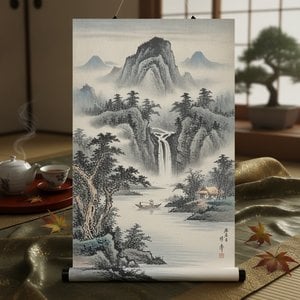
Serenity on Canvas: A Guide to the Timeless Beauty of Japanese Landscape Painting
Discover the serene beauty of Japanese landscape painting. From Hokusai's iconic woodblock prints to meditative sumi-e ink washes, explore a visual journey through the 'floating world' and learn how to bring this timeless Zen aesthetic into your modern home decor.

Japonisme: How Japanese Woodblock Prints Revolutionized Western Art
Explore the profound impact of Japonisme on Western art. Discover how Japanese ukiyo-e woodblock prints revolutionized perspective, color, and composition for masters like Monet and Van Gogh, forever changing the course of modern art history.

Katsushika Hokusai: 25 Šedevrai Japonų Meno Istorijoje | ArtsDot.com
Atraskite 25 įspūdingiausius Katsushika Hokusai kūrinius! Žiūrėkite *Didžiąją bangą*, *Fuji kalną* ir kitus Ukiyo-e stiliaus šedevrus. Meno reprodukcijos jūsų interjerui – ArtsDot.com