

 Peržiūrėti realybėje
 Pasidalinti
 Dalintis
 Išsamiau

 Atsisiųsti
 Panašūs eksponatai
 Rentgeno nuotrauka
 Automatinė diorama
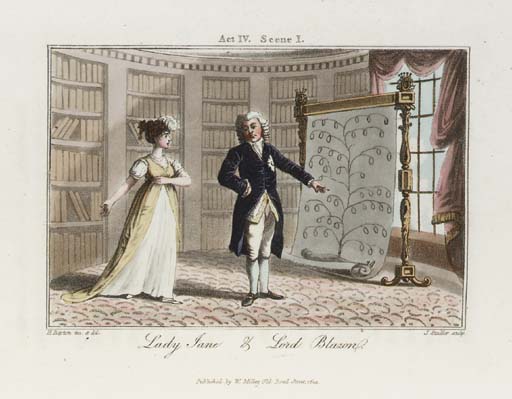
Odd Whims And Miscellanies
 Skaityti daugiau
Giclée / Meno spausdinimas
Muziejų lygio „giclée“ arba drobos spausdinimas: greita gamyba ir lankstios apdailos parinktys. ( Pirkti rankomis tapytą paveikslą Pirkti vaizdą)




































Pasirinkite iš mūsų nustatytų dydžių, atitinkančių originalaus meno kūrinio proporcijas.

Galite nurodyti savo matmenis, kad vaizdas atitiktų konkretų rėmą ar erdvę. Jei pasirinktas dydis nesutaps su originalaus paveikslėlio proporcijomis, mes arba apkirpsime kūrinį, arba išplėsime vaizdą naudojant veideliu atspindėtą arba vientisą šoną. Skaitmeninis maketas bus išsiųstas jums patvirtinti prieš pradedant gamybą.
Atkreipkite dėmesį, kad ekrane matomas vaizdinys neatspindi tikrojo apkirpimo ar išplėtimo. Tik maketas tiksliai parodytų galutinę kompoziciją.
Nors galima rinktis ir individualius dydžius, rekomenduojame pasirinkti vieną iš išanksti nustatytų matmenų, kad būtų išlaikytos originalios proporcijos.
Pristatymas visame pasaulyje () per 2 weeks, o ne įprastas 4/5 savaičių laikotarpis. (13 rugpjūtis)

Nemokamas greitasis pristatymas visame pasaulyje

Aukštos kokybės lininis drobė

Pilnas siuntimo draudimas

Muitinės mokesčių grąžinimo garantija

Tikro spalvų atitikimo garantija

60 dienų grąžinimo politika (tik esant gamyklinėms defektams)

100% pinigų grąžinimo garantija

Nuolaida už kelias reprodukcijas
 Stiklo variantas prieinamas tik pasirinkus dydį iki 110 cm

Odd Whims And Miscellanies
Giclée / Meno spausdinimas
Reprodukcijos matmenys
-


Galutinė kaina
$ 62
Autoriaus biografija
Humphry Repton: The Architect of Tranquility
Humphry Repton (1752 – 1818) stands as a singular figure in the annals of landscape architecture, recognized for his transformative vision that reshaped British estates and profoundly impacted the aesthetic sensibilities of the Georgian era. Unlike many of his contemporaries who favored grand vistas and theatrical displays, Repton championed a distinctly restrained style—the ‘Reptonian’ – characterized by subtle contours, harmonious planting schemes, and an emphasis on creating contemplative spaces designed to soothe the senses and inspire reflection. He wasn't merely designing gardens; he was crafting experiences rooted in Palladian ideals of proportion and symmetry, subtly blending classical principles with the burgeoning Romantic movement.- Early Life & Education: Born in Bury St Edmunds, Suffolk, Repton’s formative years instilled a deep appreciation for natural beauty and geometric precision. His father, a clergyman, fostered his intellectual curiosity, encouraging him to pursue studies at Eton College and subsequently Christ Church Oxford, where he excelled in mathematics and classical scholarship.
- Emergence as Landscape Designer: Repton’s professional career began modestly, initially focusing on designing ornamental villas before swiftly gaining renown for his ambitious projects. His breakthrough came with the redesign of Stowe School gardens in Buckinghamshire (1790-1806), establishing him as a pioneer of the Reptonian style—a masterful demonstration of how to integrate landscape into architectural grandeur.
The Reptonian Style: Harmony and Proportion
Repton’s distinctive approach to garden design revolved around several key tenets. Firstly, he prioritized gentle curves and undulating ground planes rather than abrupt changes in elevation, mirroring the contours of the surrounding hillsides. Secondly, he meticulously planned planting schemes—often featuring specimen trees strategically positioned to frame vistas—creating a visual rhythm that calmed the eye. Thirdly, Repton skillfully employed perspective tricks and optical illusions to enhance depth and grandeur without resorting to overwhelming scale. This technique was famously applied at Chatsworth House, where he subtly altered the landscape to create an illusion of greater distance and magnificence.- Notable Projects: Beyond Stowe and Chatsworth, Repton undertook commissions for numerous aristocratic estates across England, including Petworth House (West Sussex), Luton Hoo Estate (Essex) and Blenheim Palace (Oxfordshire). His designs consistently prioritized tranquility and elegance, reflecting the tastes of his patrons and establishing him as the dominant voice in landscape architecture during his lifetime.
- Influence & Legacy: Repton’s influence extended far beyond his immediate commissions. He mentored younger architects and designers, disseminating his principles throughout the British landscape movement. His aesthetic vision profoundly shaped the appearance of Georgian Britain, leaving an indelible mark on architectural grandeur and garden design—a legacy that continues to inspire contemporary landscape artists.
Brighton Pavilion: A Symbol of Imperial Vision
Perhaps Repton’s most iconic achievement was his involvement in the construction of Brighton Pavilion (1817), a neoclassical palace commissioned by George IV. Recognizing the importance of integrating architecture with its surroundings, Repton transformed the seafront gardens into a harmonious expanse of lawns and herbaceous borders—a deliberate counterpoint to the formal Italianate designs favored by earlier monarchs. The pavilion’s airy interior and expansive terraces capitalized on natural light and ventilation, creating a space that embodied the ideals of Enlightenment sophistication and imperial grandeur.- Recognition & Critical Acclaim: Repton's meticulous attention to detail and his unwavering commitment to classical principles garnered considerable acclaim during his lifetime. He was elected Fellow of the Royal Society in 1793, cementing his reputation as a scholar and innovator.
Concluding Reflections
Humphry Repton’s contribution to landscape architecture transcends mere decoration; it represents a fundamental shift in how Britons perceived their environment. He championed a philosophy of design rooted in observation, restraint, and an understanding of the interplay between human artistry and natural beauty—a perspective that continues to resonate with artists and designers today. His enduring legacy resides not only in the magnificent gardens he created but also in his profound influence on the aesthetic sensibilities of an era defined by elegance, tranquility, and a harmonious embrace of the sublime.
humphry repton
1752 - 1818 , United Kingdom
Trumpa informacija
- Artistic Movement Or Style: Reptonian Style
- Artists Or Movements Influenced By This Artist: Palladian Influence
- Artists Who Influenced This Artist: Capability Brown
- Date Of Birth: April 21, 1752
- Date Of Death: March 24, 1818
- Full Name: Humphry Repton
- Nationality: British
- Notable Artworks: ['View from the cottage of Humphry Repton']
- Place Of Birth: Bury St Edmunds, UK

