

 Peržiūrėti realaus dydžio版
 Pasidalinti
 Dalintis
 Išsamiau
 Vadovas

 Atsisiųsti
 Panašūs eksponatai
 Rentgeno spindulių nuotrauka
 Automatinė diorama
 问答
问答 Statistika
Pajaros

- 220.0 x 119.0 cm


 Skaityti daugiau
Šiame puslapyje rodomas meno kūrinys yra saugomas autorių teisių įstatymais, todėl neturime teisės legaliai kurti ar parduoti jo identiškos reprodukcijos. Ši apsauga užtikrinama remiantis tokiais tarptautiniais susitarimais kaip Bernės konvencija ir pagal nacionalines įstatymų nuostatas, įskaitant tas, kurias nurodo JAV autoriškos teisės įstatymas – 17-asis skyrius.
Šis metodas visiškai atitinka autorių teises, nes jame nėra saugomo kūrinio kopijavimo ar dubliavimo. Tai yra kūrybinė reinterpretacija – naujas paveikslas, kurį įkvėpė originalas, tačiau kuris nėra jo identiškas.
Giclée / Meno spausdinimas
Muziejų lygio „giclée“ arba drobos spausdinimas: greita gamyba ir lankstios apdailos parinktys. ( Pirkti rankų darbo tapybą Perejti prie skaitmeninių vaizdų)




P118B €10

P118H €10

P118W €10

P438Z €10

P508JH €12

P508YH €12

P805H €10

P805Z €10

P919BZ €10

P919G €10

P919XJ €10

P959ZH €10

P968JZ €12

W106C €8

W218G €10

W218JH €8

W218Y €10

W307PJ €10

W316G €10

W316PJ €8

W316Y €10

W398PJ €8

W4111J €10

W500HY €15

W500JH €15

W692G €12

W849H €8

W940BG €15

W953PJ €8




Pasirinkite iš mūsų nustatytų dydžių, atitinkančių originalaus meno kūrinio proporcijas.

Įveskite jums reikiamą plotį ir aukštį, kad atvaizdas derėtų prie jūsų rėmo ar sienos. Spausdiną galima tik sumažinti, bet nepadidinti virš originalaus paveikslėlio dydžio, todėl keičiant proporcijas, dalis vaizdo prarandama. Prieš spausdinimą atsiųsime jums skaitmeninį maketą patvirtinimui. Šioje puslapio nuotraukoje matomas pjūvis nėra tikslus – jį rodo tik maketas.
Pristatymas visame pasaulyje () per 2 weeks, o ne įprastas 4/5 savaičių laikotarpis. (15 lapkritis)

Nemokamas greitasis pristatymas visame pasaulyje

Aukštos kokybės lininis drobė

Pilnas siuntimo draudimas

Muitinės mokesčių grąžinimo garantija

Tikro spalvų atitikimo garantija

100 dienų grąžinimo politika (tik esant įtaigoms)

100% pinigų grąžinimo garantija

Nuolaida dideliems užsakymams
 Stiklo variantas prieinamas tik pasirinkus dydį iki 110 cm

Pajaros
Giclée / Meno spausdinimas
Reprodukcijos matmenys
-


Bendroji kaina
€ 56
The Avian Spirit in Pajaros by Heriberto Juárez
In 1999, Heriberto Juárez produced Pajaros, a vertical composition that captures a specific kind of kinetic energy. This work moves away from literal representation, opting instead for an abstract depiction of an avian figure. Rather than a static portrait of a bird, the piece offers a glimpse into the essence of flight. The subject exists within a chaotic environment, where the form of the bird is defined by the surrounding movement.
The artist, a self-taught creator from San Juan Teotihuacan, Mexico, approaches the canvas with an intuitive sense of rhythm. In Pajaros, the bird is not a singular, clearly defined entity but a presence emerging from a flurry of activity. There is a tension here between the organic subject and the fragmented space it inhabits. It is a quiet study of motion caught in a moment of intense, unscripted life.
Composition and Visual Dynamics of the Work
The composition is intentionally unbalanced, favoring a sense of kinetic energy over static stability. A central bird-like figure dominates the visual field, acting as the anchor for the surrounding chaos. Rather than relying on traditional linear perspective to establish depth, the work utilizes a flattened space. This effect is achieved through the deliberate layering and overlapping of forms, which pushes the subject toward the viewer. The result is a composition that feels perpetually in motion, refusing to settle into a fixed position.
Movement is driven by a labyrinth of swirling patterns and energetic lines that guide the eye through the frame. There is no singular, quiet focal point; instead, the viewer navigates a rhythmic arrangement of shapes. The interplay between organic, avian silhouettes and fragmented geometric elements creates a tension that defines the work's internal logic. This structural choice ensures that the energy of the piece remains constant, mirroring the frantic, unbridled nature of flight.
Technique and Material Application
The physical presence of this work is defined by a heavy, tactile application of acrylic paint on canvas. Juárez employs a gestural approach, where the movement of the hand is recorded directly through thick, sculptural layers of pigment. This impasto technique creates a surface that is highly textured, catching the light in a way that gives the composition a sense of breathing life. The paint is not merely applied; it is built up, creating a rhythmic chaos that mirrors the energy of the avian forms it depicts.
Within these thick brushstrokes, one finds a fragmented, Cubist-inspired geometry. The artist uses angular shapes, circles, and dots to break apart the organic silhouettes, weaving them into a complex web of lines. This structural method avoids traditional linear perspective, opting instead for a flattened space where the heavy application of material creates its own sense of depth. The interplay between the spontaneous, gestural marks and the deliberate, geometric shapes gives the piece a palpable, physical weight.
Color Palette and Visual Elements
The chromatic landscape of this work is defined by a predominantly warm temperature. Fiery reds, bright yellows, and deep greens engage in a rhythmic dance across the surface. These primary tones emerge with significant intensity against a profound black void, creating a sense of sudden, energetic light. The interplay of these hues provides the primary visual momentum, driving the eye through the composition's abstract forms.
While the warmth dominates, there is a subtle counterpoint provided by more subdued accents. Small traces of blue and black are integrated into the layers, offering a quiet depth that anchors the more aggressive pigments. This balance between the high-energy reds and yellows and the darker, more restrained tones creates a tension within the work. The colors do not merely sit on the surface; they seem to emerge from the shadows, giving the avian silhouettes a sense of presence and weight.
Related Works by Heriberto Juárez
To understand the evolution of Juárez's visual language, one might look toward his other explorations of form and movement. His 1998 work, Paloma, offers a different perspective on avian subjects, while his 1999 piece, Rejoneador, shares a similar temporal proximity to Pajaros. Around the same time, the artist produced Niño torero, a work from about 1999 that continues his engagement with expressive, gestural energy.
The artist's output during the late 1990s shows a consistent interest in capturing the essence of life through abstraction. In 1997, he produced several significant works, including Homenaje a Juárez, Creatividad, and Banderillero. These pieces reflect a period of intense creative activity, often characterized by the same intuitive, self-taught approach that defines his broader body of work. Each piece offers a window into his unique method of translating movement and emotion onto the canvas.
Klausimai ir atsakymai
Kokie yra „Pajaros“ – Heriberto Juárez realūs matmenys?
Originalaus dydžio kūrinys „Pajaros“ yra 220 x 119 cm. Originalūs matmenys padeda lengviau išsirinkti tinkamą reprodukcijos dydį.
Kokią vietą meno istorijoje užima „Pajaros“ – Heriberto Juárez?
Dailos istorinė „Pajaros“ – Heriberto Juárez klasifikacija – tai Expressionism stilius, Contemporary laikotarpiu.
Kokia naudojimo paskirtis ir erdvė rekomenduojama kūriniam darbui „Pajaros“ – Heriberto Juárez?
„Pajaros“ – Heriberto Juárez rekomenduojamas Focal, idealiai – Coworking erdvėje. Naudojimo paskirtis ir erdvė padeda suprasti, kur ši reprodukcija tiktų geriausiai.
panašūs kūriniai


Autoriaus biografija
ankstyvasis gyvenimas ir karjera
Heriberto Juárez, žymus Meksikos surengtas menininkas, gimė 1932 metais San Huan Teotihuacane, Meksikos valstybėje. Nors jis neturėjo oficialaus meno išsilavinimo, Juarezo prigimtinis talentas ir aistra kūrybiškumui leido jam tapti savikurto skulptūros ir tapybos meistru. Pradiniame etape jis svajojo tapti bulvoro kovotoju, tačiau netrukus rado savo tikrąją paskirtį – figūrų kūrimą, kuris vėliau tapo pagrindu visai jo meninei karjerai.meninė stilius ir temos
Juarezo kūrybai būdingos ryškios spalvos, abstraktūs, tačiau atpažįstami formos bei gilus ryšys su Meksikos kultūra. Jo skulptūros ir paveikslai dažnai vaizduoja moteris ir gyvūnus, ypač bulves, kurie atspindi jo susižavėjimą kasdienio gyvenimo grožiu. Šio autoriaus unikalus stilius sulaukė didelio pripažinimo, pasižymėjus daugiau nei septyniolika asmeninių parodų Meksikoje ir JAV.pastebimiausi darbai ir kolekcijos
Kai kurie svarbiausi Juarezo kūriniai apima:- Heriberto Juárez: creatividad (298 x 22 cm, Fundación Universidad de las Américas Puebla, San Andrés Cholula, Meksika) – skulptūra, demonstruojanti alegorišką menininko požiūrį į kūrybiškumą.
- Adán y Eva (241 x 171 cm, Fundación Universidad de las Américas Puebla, San Andrés Cholula, Meksika) – skulptūrinis kūrinys, nagrinėjantis žmoniškumo ir dualizmo temas.
Don Kichot ir Sancho (45 x 42 cm, Fundación Universidad de las Américas Puebla, San Andrés Cholula, Meksika) – pilno kūno skulptūra, atsidavusi Miguelio Cervantes knygos veikėjams.
muziejai ir kolekcijos, kuriose rasite Juarezo kūrybą
- Hastings muziejus ir meno galerija (Jungtinė Karalystė) – nors šiame muziejuje Juarezo darbai nėra vieninteliai eksponuojami, jis pristato įvairią meno ir artefaktų kolekciją.
- Eiteljorg muziejus – Amerikos indėnų ir Vakarų meno muziejus (JAV) – šis muziejus, nors pagrindiai orientuotas į amerikų indėnų ir Vakarų meną, demonstruoja pasaulinį Juarezo kūrybos vertinimą.
palikimas ir internetinė presencia
Juarezo palikimą galima tyrinėti įvairiose internetinėse platformose, įskaitant:- Heriberto Juárez | ArtsDot.com – čia pateikiama menininko biografija ir jo kūriniai.
- Heriberto Juárez – Wikipedia – suteikia išsamų žvilgsnio į menininko gyvenimą ir karjerą.
išvada
Savikurto Meksikos skulptorius ir tapyskas Heriberto Juárez paliko neištriniamą žाymą meno pasaulyje. Jo ryškios, abstraktūs formos ir toliau įkvepia, o jo palikimą galima tyrinėti per įvairias internetines platformas bei muziejų kolekcijas.
Heriberto Juárez
1932 - 2008 , Meksika
Susiję straipsniai

Clyfford Still's Abstract Expressionism: A Study of Color, Form & the Existential Landscape
Explore the profound world of Clyfford Still's Abstract Expressionism with ArtsDot. Discover his unique style, existential themes & investment potential. Expert analysis for discerning collectors.

Pablo Picasso: A Revolutionary Vision – Cubism, Symbolism & Enduring Legacy
Explore the revolutionary art of Pablo Picasso with ArtsDot.com. Discover Cubism's origins, symbolism in his masterpieces & investment insights for collectors. Expert appraisal & custom reproductions available.

The Pursuit of Equilibrium: Finding Visual Serenity in Classical Composition
Master the principles of artistic composition and visual balance through the lens of the Old Masters. Explore the architecture of art now.
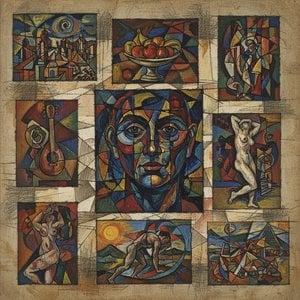
Cubist Expressionism's 10 Defining Masterpieces | Art for Your Home
Explore 10 defining Cubist Expressionism masterpieces by Picasso, Braque & more. Discover the stories behind these bold, geometric paintings and bring museum-quality art to your home with ArtsDot.com. Explore the full collection online.
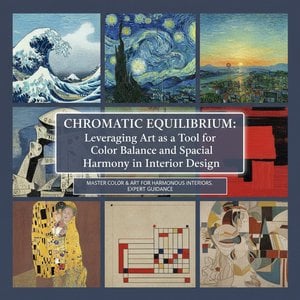
Chromatic Equilibrium: Leveraging Art as a Tool for Color Balance and Spatial Harmony in Interior Design
Master the art of chromatic equilibrium! Learn how to leverage color & artwork for harmonious interior design. Expert guidance on palettes, psychology, bespoke commissions & spatial balance.
