


 Siųsti
 Dalintis
 Išsamiau
 Vadovas

 Atsisiųsti
 Panašūs eksponatai
 Diaporama
 Statistika
A Miner at Work
 Sculpture
- Sculpture
- Contemporary Realism
 1942
1942- Modern
 49.0 x 49.0 cm
 Imperial War Museums
 Rodyti daugiau
Šiame puslapyje rodomas meno kūrinys yra saugomas autorių teisių įstatymais, todėl neturime teisės legaliai kurti ar parduoti jo identiškos reprodukcijos. Ši apsauga užtikrinama remiantis tokiais tarptautiniais susitarimais kaip Bernės konvencija ir pagal nacionalines įstatymų nuostatas, įskaitant tas, kurias nurodo JAV autoriškos teisės įstatymas – 17-asis skyrius.
Kaip pagarbią ir teisėtą alternatyvą, mes siūlome pagal užsakymą rankomis dažytus paveikslus, įkvėptus originalo. Mūsų įgudę ir profesionalūs menininkai kruopščiai tiria originalo stilių, nuotaiką ir meninę esmę, kad sukurtų naują, unikalią kūrinį, kuris sukelia tą paties jausmą – išlikdamas tuo tarciau originaliu, savarankišku kūrybiniu darbu.
Šis metodas visiškai atitinka autorių teises, nes jame nėra kūrinio kopijavimo ar dubliavimo. Tai yra kūrybinė reinterpretacija – naujas paveikslas, kurį įkvėpė originalas, tačiau kuris nėra jo identiškas.
Rankų darbo aliejinės reprodukcijos
Rankiniu būdu tapytas aliejus ant droblio jūsų pageidaujamame dydį ir rėmuose – mūsų menininkų darbas pagal užsakymą. ( Perjungti į spausdinimą Perejti prie skaitmeninių vaizdų)




































Pasirinkite iš mūsų nustatytų dydžių, atitinkančių originalaus meno kūrinio proporcijas.

Galite įvesti savo matmenis, kad jie atitiktų konkretų rėmą ar erdvę. Jei pasirinktas dydis neatitinka originalaus paveikslėlio proporcijų, mes arba apkropsime meno kūrinį, arba papildysime tapybą rankomis dažytい elementais. Prieš pradėdami gamybą, jūsų patvirtinimui atsiųsime skaitmeninį maketą.
Atkreipkite dėmesį, kad ekrane rodomas vaizdas neatspindi tikrojo apkarpymo ar papildymo. Tik maketas tiksliai parodys galutinę kompoziciją.
Nors galima rinktis ir individualius dydžius, rekomenduojame pasirinkti matmenis iš nustatytos sąrašo, kad būtų išlaikytos originalios proporcijos.
Gavus užsakymą, ArtsDot.com komanda susisieks su klientu el. paštu dėl instrukcijų ir pateiks maketo pavyzdį
Pristatymas visame pasaulyje () per 3–4 savaites, o ne įprastai – per 5 savaites. (10 spalis). Kokybė lieka nepakeičiama.

Nemokamas greitasis pristatymas visame pasaulyje

Aukštos kokybės lininis drobė

Pilnas siuntimo draudimas

Muitinės mokesčių grąžinimo garantija

Tikro spalvų atitikimo garantija

100 dienų grąžinimo politika (tik esant įtaigoms)

100% pinigų grąžinimo garantija

Nuolaida dideliems užsakymams
 Stiklo variantas prieinamas tik pasirinkus dydį iki 110 cm

A Miner at Work
Reprodukcijos technika
Reprodukcijos dydis
-


Visų pasirinktų variantų kaina
€ 226
A Poignant Encounter with Resilience
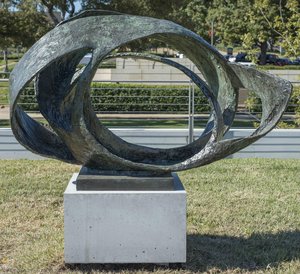
In the heavy, shadowed atmosphere of 1942, amidst the profound uncertainties of the Second World War, Henry Moore captured a moment of quiet, monumental strength in "A Miner at Work." This piece serves as much more than a mere depiction of industrial labor; it is a profound meditation on the human spirit under pressure. The artwork presents a solitary figure, a miner seated at the coal face, rendered through Moore’s signature lens of abstraction and simplified form. There is an immediate, visceral connection to the earth and the toil required to sustain a nation under siege, making the piece an evocative choice for those who appreciate art that speaks to the enduring power of perseverance.
The subject matter transcends simple portraiture, as Moore moves away from traditional realism to explore the very essence of the miner's existence. By utilizing geometric shapes and the strategic use of negative space, the artist invites the viewer to look through the form rather than just at it. The figure is hunched, absorbed in his task, a posture that simultaneously suggests the physical weight of the subterranean world and a psychological state of deep focus and quiet dignity. For collectors and designers, this work offers a sophisticated balance of heavy, grounded presence and an airy, intellectual lightness.
Mastery of Form and Texture
Technically, "A Miner at Work" is a masterclass in the Romanesco method, a process where the sculptor creates a hollow form and then meticulously removes material from the interior to reveal the underlying structure. This technique imbues the work with a remarkable tactile quality, creating a surface that feels organic and alive. The use of smooth, polished limestone allows for a precise geometric precision that contrasts beautifully with the rugged, natural themes of the piece. Every curve and hollow is intentional, designed to capture the essence of both the miner’s anatomy and the surrounding environment.
The historical context of the work adds a layer of profound emotional depth. Created during a time when coal mining was the lifeblood of the British economy, the sculpture resonates with the social fabric of communities like Wheldale Colliery. It captures the anxieties and the aspirations of an era defined by adversity. To possess a reproduction of this work is to hold a piece of history that symbolizes vulnerability transformed into strength. The interplay of light and shadow within its forms makes it a captivating centerpiece for any curated space, offering a sense of stability, reflection, and timelessness.
问答 (or more naturally for a website heading): Klausimai ir atsakymai
Kaip „A Miner at Work“ spalvos dera vienas su kitu?
„A Miner at Work“, autorius – Henris Muras pasižymi Strong Color Unity spalvų harmonija.
Kas yra „A Miner at Work“ kūrybos autorius?
„A Miner at Work“ priskiriamas Henris Muras.
Ką vaizduoja „A Miner at Work“, autorius – Henris Muras ir kokią nuota sukelia?
„A Miner at Work“ vaizduoja coal mining, yorkshire, sculpture, form, labor, human figure, minimalism, o jo perteikiama nuotaika yra Dramatic.
Kokia buvo Henris Muras amžius sukuriant „A Miner at Work"]?
Henris Muras sukūrė „A Miner at Work“ būdamas 44 metų amžiaus.ت Artistas gimė 1898, o kūrinys datuojamas 1942 metais.
Kada buvo sukurta „A Miner at Work“?
„A Miner at Work“, autorius – Henris Muras sukurtas 1942 m.
Kada ir kokiais medžiagomis buvo sukurta „A Miner at Work“?
„A Miner at Work“ sukurtas 1942 m., naudojant Sculpture.
Ar „A Miner at Work“ spalvos atrodo ryškios ar švelnios?
„A Miner at Work“, autorius – Henris Muras pasižymi Monochromatic spalvų intensyvumu.
Susiję kūriniai




Autoriaus biografija
Formu iš雕skulptuotas gyvenimas: Henry Moore pasaulis
Henry Spencer Moore, gimęs 1898 metais Jorkšyro anglies kasybos miestelyje Castleford, tapo vienu iš svarbiausių ir tarptautiniu mastu pripažintų XX amžiaus Britanijos skulptorių. Jo kelionė nuo skromžių prad beginnings iki pasaulinio pripažinimo yra įkvėpėme liudijimas neklietai siekiant meninės tyrimo ir gilaus ryšio su žmogaus kūnu bei gamtos pasauliu. Moore tėvas, savaviydis žmogus, troškęs mokytis, į savo sūnų įsidiegė tikėjimą švietimo galia, nukreipdamas jį nuo kasybinio gyvenimo link oficialaus mokymosi. Net ir mažame amžiuje Moore rodė prigimtą talentą modeliuoti alyvą ir skulptūrausti medį, iš anksto numatydamas savo gyvenimo kelią. Šis ankstyvas ryšys su taktiliais medžiagą pagrindė karjerą, apibrėžtą tr dimensionsine forma. Augimas tarp jaukios Jorkšyro kalvelių stipriai paveikė jo estetinį suvokimą, įtekėdama jo kūriniams organiškumo ir skledių linijų, kurios primena gimtinės kraštovaizdį.Ankstyvieji įtakos ir meninė plėtra
Moore meninė edukacija prasidėjo Castleford vidurinėje mokykloje, kur jo meno mokytojas atpažino ir puoselėjo talentą. Vėliau jis studijavo Leeds meno mokykloje, o tada Londone, Karališkajame meno kolegijoje, pasinerdamas į klasikinės skulptūros ir modernių judų, tokių kaip kubizmas, studijas. Tačiau Moore nebuvo tik tendencijų sekėjas; jis sujungė šias įtakas į kažką unikalaus. Lemiamu momentu tapo lankytas Meksikas 1925 metais, kur jis susidūrė su prekolumbiais skulptūromis – ypač Aztekų civilizacijos kūriniais. Šių darbų galingas paprastumas ir abstrakčios formos giliai pasiekė Moore, išlaisvindami jį nuo konvencinių vaizduojimo ribojimų. Jis pradėjo vis pilnesnį abstrakcijos tyrimą, orientuodamasis į žmogaus figūrą kaip įkvėpimo šaltinį, tačiau atsisakydamas griežto anatominio tikslumo. Šis laikotarpis atsimintina jo stiliaus formavimąsi: pusiau abstrakčios skulptūros, pasižyminčios apvaliuom, organiniu tvarumu ir dažnai turinčios skylutes ar tuščias vietas, su which žaidė šviesa ir erdvė.Gulintis figūra ir motina su vaiku
Visos savo karjeros metu Moore kūrybos darbe dominavo du pasikartojantys motyvai: gulinti žmogus ir motina su vaiku. Ypač *gulintis žmogus* tapo sinonimu jo vardui. Šios skulptūros nėra tik poilsinti žmogaus kūno vaizdiniai; tai formos, tūrio ir figūros bei jos aplinkinės erdvės santykio tyrimas. Jų banguojantys kreipiniai sukelia amžinybės ir ramybės jausmą, o dažnai fragmentuotos ar prateptos formos primena pažeidžiamumą ir atsparumą. Motinos su vaiku tema, taip pat svarbi jo darbe, kalba apie universalias meilės, apsaugos ir globos temas. Moore motinų ir vaikų vaizdiniai įtvirtinti giliu emociniu gębė, įtrapindami į trapią ryšį tarp tėvo ir vaiko. Šios skulptūros nebuvo idealizuoti vaizdiniai, o tik tikri žmogaus ryšio atspindžiai, dažnai atspindėdami to laikmečio nerimą ir neapibrėžtumą, kuriame jie buvo sukurti.Karo meto refleksijos ir viešieji užsakymas
Antrojo pasaulinio karo iškilimas giliai paveikė Moore darbą. Jis pradėjo dokumentuoti Londoniečių apsivylsėjimą metro stotybes nuo bombardomento, sukurdamas itin stiprių piešių seriją, kuri įamžino to meto baimę, atsparumą ir bendruomenės dvasią. Šie *Metro apsivylėjimo piešiniai* yra ne tik svarbūs istoriniai dokumentai, bet ir demonstruoja Moore gebėjimą savo skulptūrinį suvokimą perkelti į dvimensionalę formą. Po karo Moore gavo daugybę viešųjų užsakymų, kurie leido jam kurti didelio masto skulptūras mokykloms, ligoninėms ir miesto erdvėms. Jis tikėjo, kad menas turi būti prieinamas visiems, ir aktyviai ieškojo galimybiats savo darbą įtrauktų į kasdienį gyvenimą. Šie monumentalūs bronziniai kūriniai tapo žymos, transformuodami miesto kraštovaizdį ir įkvėpdami pokolius menininkų bei žiūrovų. Gebėjimas įgyvendinti šiuos didžiuosius projektus išlikant ištikimui savo meninei vizijai, užtvirtino jo reputaciją kaip šiuolaikinės skulptūros lyderio.Palikimas ir neblėstantis įtampas
Henry Moore įtaka XX amžiaus menui yra neabejingas. Jis atvėrė kelią būsimoms skulptorių kartoms, iššūkdamas konvencines formos ir erdvės sąvokas bei demonstruodamas abstrakcijos galią. Jo kūriniai ir šiandien kelia emocijas žiūrovams, sukeldami susimąstymą ir pagarbą. 1977 metais Moore įkūrė Henry Moore fondą, užtikrindamas, kad jo palikimas gyvuotų per švietimą ir meno skelbimą. Fondas remia menininkus, mokslininkus ir institucijus visame pasaulyje, puoselėdami Moore siekį skatinti kūrybiškumą ir meninę inovaciją. Jo skulptūros stovi kaip neblėstantys žmogaus išradingumo paminklai ir įrodymas transformacinės meno galios.
Henris Muras
1898 - 1986 , Didžioji Britanija
Trumpa informacija apie kūrėją
- Artistic Movement Or Style: Modernizmas, abstrakcinė skulptūra
- Artists Who Influenced This Artist: ['John Singer Sargent']
- Date Of Birth: 1898 m.
- Date Of Death: 1986 m.
- Full Name: Henry Spencer Moore
- Nationality: Anglijos
- Notable Artworks:
- Apimastė
- Šeimų grupė
- Žieminiai židiniai
- Place Of Birth: Kaslfordas, JK
Susiję straipsniai
Fernand Léger: 25 Šedevrai, Apibrėžę Moderniąją Meninę Viziją | ArtsDot
Atraskite 25 įspūdingiausius Fernand Léger šedevrus! Kubizmo meistro paveikslai, atspindintys pramonės amžių ir modernaus meno spalvas. Meno reprodukcijos interjerui – ArtsDot.com

Kandinsky's Masterpieces: 25 Paintings That Define Abstract Art | ArtsDot
Journey through Wassily Kandinsky's 25 most iconic abstract paintings. Explore his revolutionary use of color, form & spiritual expressionism. Find museum-quality Kandinsky reproductions and elevate your home decor with ArtsDot.com. Discover all masterpieces on ArtsDot.com!

Beyond Form & Color: Geometric Abstraction's Evolution in 20th/21st Century Art
Explore the evolution of geometric abstraction from Cubism to contemporary art. Discover key artists like Malevich & Mondrian, investment insights, and expert collecting advice at ArtsDot.

Geometrinės Abstrakcijos Šedevrai: 10 Kūrinių, Pakeitusių Meną | ArtsDot.com
Atraskite 10 geometrinės abstrakcijos šedevrų – nuo Mondriano iki Malevičiaus! Sužinokite apie Piet Mondrian, Kazimir Malevič ir kitus menininkus. Meno kūriniai jūsų interjerui | ArtsDot.com

Bronze Sculptures That Defined Art History | ArtsDot
Journey through art history with our Top 10 bronze sculptures! Explore masterpieces by Rodin, Michelangelo & more. Discover stories behind iconic statues and find museum-quality reproductions for your home decor at ArtsDot.com.


