


 Peržiūrėti realaus dydžio版
 Siųsti
 Dalintis
 Išsamiau
 Gidas
Gidas

 Atsisiųsti
 Panašūs eksponatai
 Rentgeno spindulių nuotrauka
 Diaporama
 Statistika
Sectional View Showing Traffic Facilities
 Rodyti daugiau
Rankų darbo aliejinės reprodukcijos
Rankiniu būdu tapytas aliejus ant droblio jūsų pageidaujamame dydį ir rėmuose – mūsų menininkų darbas pagal užsakymą. ( Perjungti į spausdinimą Perejti prie skaitmeninių vaizdų)




































Pasirinkite iš mūsų nustatytų dydžių, atitinkančių originalaus meno kūrinio proporcijas.

Galite įvesti savo matmenis, kad jie atitiktų konkretų rėmą ar erdvę. Jei pasirinktas dydis neatitinka originalaus paveikslėlio proporcijų, mes arba apkropsime meno kūrinį, arba papildysime tapybą rankomis dažytい elementais. Prieš pradėdami gamybą, jūsų patvirtinimui atsiųsime skaitmeninį maketą.
Atkreipkite dėmesį, kad ekrane rodomas vaizdas neatspindi tikrojo apkarpymo ar papildymo. Tik maketas tiksliai parodys galutinę kompoziciją.
Nors galima rinktis ir individualius dydžius, rekomenduojame pasirinkti matmenis iš nustatytos sąrašo, kad būtų išlaikytos originalios proporcijos.
Gavus užsakymą, ArtsDot.com komanda susisieks su klientu el. paštu dėl instrukcijų ir pateiks maketo pavyzdį
Pristatymas visame pasaulyje () per 3–4 savaites, o ne įprastai – per 5 savaites. (24 rugsėjis). Kokybė lieka nepakeičiama.

Nemokamas greitasis pristatymas visame pasaulyje

Aukštos kokybės lininis drobė

Pilnas siuntimo draudimas

Muitinės mokesčių grąžinimo garantija

Tikro spalvų atitikimo garantija

100 dienų grąžinimo politika (tik esant įtaigoms)

100% pinigų grąžinimo garantija

Nuolaida dideliems užsakymams
 Stiklo variantas prieinamas tik pasirinkus dydį iki 110 cm

Sectional View Showing Traffic Facilities
Reprodukcijos technika
Reprodukcijos dydis
-


Visų pasirinktų variantų kaina
$ 263
Susiję kūriniai


Autoriaus biografija
The Architect of the Urban Soul
Born in the industrial heart of Rock Island, Illinois, in 1867, Harry Pettit emerged as a visionary whose brush and pen did more than merely record the physical world; he captured the very pulse of an era. His early life was steeped in the wonder of a rapidly advancing century, fueled by the fantastical engineering marvels found in the tales of Jules Verne. This fascination with technological progress and the structural integrity of the modern age became the cornerstone of his artistic identity. Before he became a celebrated chronicler of New York’s skyline, Pettit honed his craft through delicate landscape sketches and rigorous architectural studies, developing an eye for the intersection where human ingenuity meets aesthetic grace.
As the 20th century progressed, Pettit transitioned from a student of nature to a master of the built environment. His career reached its zenith during the 1930s, a period defined by the soaring ambitions of the Art Deco movement. It was during this transformative decade that Pettit entered into a profound creative partnership with George Platt Lynes. Together, they produced a series of breathtaking depictions of New York City’s most iconic landmarks. Through their collaborative lens, structures like the Chrysler Building, Grand Central Terminal, and the legendary Brooklyn Bridge were transformed from mere steel and stone into living, breathing monuments of human aspiration. His work during this time did not just document urban expansion; it celebrated the dynamism and spirit of a city in motion.
Mastery of Line and Light
The technical brilliance of Pettit’s oeuvre lies in his ability to marry the cold precision of engineering with the fluid beauty of fine art. He possessed a rare talent for translating complex blueprints and technical photographs into visually arresting compositions. His preferred medium—a sophisticated combination of watercolor and ink washes—allowed him to achieve an extraordinary tonal range. This technique enabled him to render the heavy, textured surfaces of masonry alongside the ethereal, light-catching edges of steel girders with astonishing accuracy.
To observe a Pettit original is to witness a meticulous study of detail. Whether he was presenting a Sectional View Showing Traffic Facilities or a sweeping vista of the Manhattan Bridge plaza, his work maintained a consistent standard of excellence characterized by:
- Meticulous Draughtsmanship: An unwavering commitment to the structural truth of every arch and pillar.
- Tonal Depth: The use of delicate washes to create atmosphere, shadow, and a sense of three-dimensional space.
- Urban Precision: A capacity to capture the intricate textures of urban life, from the grit of the streets to the polished grandeur of civic monuments.
A Legacy of Humanist Design
Beyond the technical mastery of his illustrations, Harry Pettit’s historical significance is rooted in his role as an advocate for thoughtful urbanism. He did not view architecture as an isolated feat of engineering, but as a vital component of the human experience. His contributions to urban planning discussions during periods of massive civic expansion reflected a deeply humanist perspective. He believed that the grand designs of the city should ultimately serve the needs of its inhabitants, promoting accessibility and enhancing the collective quality of life.
Today, Pettit’s work serves as a nostalgic yet profound window into the soul of early 20th-century America. His renderings remain essential historical documents that capture the transition from the industrial age to the modern metropolis. Through his eyes, we see not just the bones of our cities, but the dreams and the enduring spirit of the people who built them. He remains a pivotal figure whose legacy is etched into the very skyline he so lovingly documented.

harry pettit
1867 - 1941 , United States of America
Trumpa informacija apie kūrėją
- Artistic Movement Or Style: Urban Planning
- Artists Or Movements Influenced By This Artist: ['Bauhaus']
- Artists Who Influenced This Artist: ['Frank Lloyd Wright']
- Date Of Birth: 1867
- Full Name: Harry Pettit
- Nationality: American
- Notable Artworks: ['Brooklyn Bridge Renderings']
- Place Of Birth: Rock Island, United States of America
Susiję straipsniai

Concrete Visions: Exploring the Urban Landscape in Painting – From Realism to Contemporary Art
Explore the evolution of cityscape painting from Realism to contemporary art with ArtsDot. Discover key artists & invest in timeless urban visions. Expert guidance, museum-quality reproductions.

Urban Visions: A Historical & Artistic Exploration of the Cityscape in Painting
Explore the evolution of cityscape painting from historical maps to Impressionist masterpieces. Discover artists like Caillebotte & Utrillo. Find museum-quality reproductions at ArtsDot.

Concrete Visions: Exploring Representations of Urban Life in Modern & Contemporary Art
Explore the evolution of cityscape painting from Realism to contemporary art. Discover key artists & invest in timeless urban visions with ArtsDot's expert guidance and museum-quality reproductions.
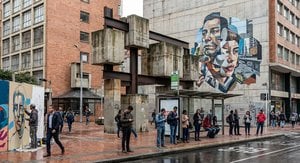
Concrete Narratives: Exploring Urban Life in Modern & Contemporary Art
Explore the evolution of cityscape painting with ArtsDot. Discover key artists from Realism to contemporary movements & invest in timeless urban visions. Expert guidance, museum-quality reproductions.