


The picture follows your choices: , .
Kolekcinio objekto aprašas
A mesmerizing watercolor depiction by Giuseppe Arcimboldo showcases three antler-like structures crafted from meticulously arranged objects – polished antlers adorned with gold, textured antlers bearing growth rings, and smaller curved antlers—reflecting Neo-Platonic symbolism and capturing the spirit of Renaissance scientific inquiry.
 Skaityti daugiau
Autoriaus biografija
Giuseppe Arcimboldo (1527-1593) – italų manierizmo meistras, žymus dėl unikalios portretų kūrybos iš vaisių, daržovių ir kitų objektų. Jo paveikslai – įspūdingi reginiai, kupini simbolikos ir fantazijos.
Rankų darbo aliejinės reprodukcijos
Rankiniu būdu tapytas aliejus ant droblio jūsų pageidaujamame dydį ir rėmuose – tai mūsų menininkų pagal užsakymą sukurtas darbas. ( Perjungti į spausdinamus版作品 Perejti prie skaitmeninių vaizdų)
More about this painting
 Peržiūrėti realaus dydžio版
 Pasidalinti
 Dalintis
 Išsamiau
 Vadovas

 Atsisiųsti
 Panašūs eksponatai
 Rentgeno spindulių nuotrauka
 Automatinė diorama
 Q&A
Q&A Statistika
Order your painting in four simple steps
Take your time. You can change any answer; the price in your order card follows each choice.
1 Step one of four
Which size would you like?
These sizes keep the proportions of the original painting. The drawing shows your choice on a wall, above a two-metre sofa.
Or give your own measurements
Pasirinkite iš mūsų nustatytų dydžių, atitinkančių originalaus meno kūrinio proporcijas.

Įveskite jums reikiamą plotį ir aukštį, kad paveikslas atitiktų jūsų rėmą ar sieną. Kadangi šis darbas yra rankinio darbo, siekiant išgauti kitokios formos dydį, paveikslas gali būti šiek tiek didesnis (nuo kraštų bus palikta daugiau erdvės) arba mažesnis – pasirinkite jums patogiausią variantą. Prieš pradedant tapyti, atsiųsime jums skaitmeninį maketą patvirtinimui. Šioje puslapio nuotraukoje matomas vaizdas nėra galutinis rezultatas – jį parodys tik sukurtas maketas.
2 Step two of four
How should it be prepared: rolled, stretched or framed?
The prices below are for the size you chose in step one.
Choose the edges of the stretched canvas
Choose your frame

White €1

Blurside €1

Extended €1

P118B €10

P118H €10

P118W €10

P438Z €10

P508JH €12

P508YH €12

P805H €10

P805Z €10

P919BZ €10

P919G €10

P919XJ €10

P959ZH €10

P968JZ €12

W106C €8

W218G €10

W218JH €8

W218Y €10

W307PJ €10

W316G €10

W316PJ €8

W316Y €10

W398PJ €8

W4111J €10

W500HY €15

W500JH €15

W692G €12

W849H €8

W940BG €15

W953PJ €8

H24-GOLD €30

H24-SILVER €30

H36-GOLD €45

H36-SILVER €45
Įrėmintas
Moulding: . Overall size with the frame: .
3 Step three of four
Would you like anything changed in the painting?
Most people answer no. Because each painting is made by hand, our artist can also adapt it for you.
After order, ArtsDot.com team will email client for instructions and provide a mockup preview
4 Step four of four
A few finishing options
All of them are optional. The answers already selected cost nothing extra.
Who paints it?
Pristatymas visame pasaulyje () per 3–4 savaites, o ne įprastai – per 5 savaites. (3 lapkritis). Kokybė lieka nepakeičiama.
A nameplate, as in a museum?
Išgraviruotos bronzinės plokštelės detalės
This elegant plaque features the artist's name and the title of the artwork, finely engraved for a timeless presentation.
It is made from bronze with a refined, elegant finish. The text is precisely laser-engraved for a sharp and permanent result. Measuring 9x2 cm, the plaque is compact yet easy to read. It's built to be durable and scratch-resistant, offering a professional, museum-quality look. Mounting is simple thanks to the included adhesive backing.
Skaidrios akrilo plokštelės informacija
The plaque includes essential engraved details such as the artist's name, the title of the artwork, the date it was created, the type of media used-like oil on canvas or watercolor-a brief description of the piece, and a QR code that links to the complete artwork information.
It is crafted from clear acrylic, offering a sleek, modern appearance. The text is UV-engraved in black to ensure strong visual contrast. With a size of 10x15 cm, it ensures optimal readability. It comes equipped with two metal hooks for secure wall mounting. The plaque is designed to be weather-resistant, making it suitable for various environments, and it includes interactive features that work seamlessly with smartphone scanning.
Juodos akrilo plokštelės informacija
This elegant plaque includes engraved information such as the artist's name, the title of the artwork, the date it was created, the type of media used (like oil on canvas or watercolor), a short description of the artwork, and a QR code for quick access to more information.
The plaque itself is made from refined black acrylic with a premium finish. The text is laser-engraved in white for high contrast and readability. Its size is 10x15 cm, designed to be easy to read. It comes with two metal hooks for professional mounting. The design is sleek and fits any interior style. It is also weather-resistant and durable, with built-in digital integration for mobile compatibility.
A protective varnish?
When do you need it?
✓ Check and order
Your painting, as you ordered it

Nature studies
Reprodukcijos technika
Reprodukcijos matmenys
-

Aukščiausios klasės meistras
Daugiau detalių, meistriškumo ir papildomo gamybos laiko
-

Reprodukcijos rėmėjimo parinktys
-
-
Dėl meno kūrinių ar reprodukcijų, kurių bet kuri pusė yra didesnė nei 105 cm (apie 41 inch), rėmas bus siunčiamas kaip išskaidytas surinkimo rinkinys. Šis metodas užtikrina saugų pristatymą ir apsaugo nuo transportavimo metu galimos žalos.
Reikalingas profesionalus surinkimas – tai nėra „pasidaryk pats“ (DIY) produktas.
Rinkinys turi būti surinktas, o drobė išplėsta naudojant patyrį profesionalų rėmininką, medžio klijus (nėra įtraukti į rinkinį), drobės plėšimo kleslę bei presas, kad rėmo rėžiai išliktų tiesūs, kol klijai išdžiūvus. Netinkamas surinkimas arba netolydus drobės įtampa gali negrįžtamai sugadinti meno kūrinį, todėl šie atvejai nėra užtraukiami mūsų garantijos.
 Dėl meno kūrinių ar reprodukcijų, kurių bet kuri pusė yra didesnė nei 105 cm (apie 41 inch), rėmas bus siunčiamas kaip išskaidytas surinkimo rinkinys. Šis metodas užtikrina saugų pristatymą ir apsaugo nuo transportavimo metu galimos žalos.
Į komplektą įeina visi vientisos medienos elementai, tiksliai išpjauti pagal dydį.
Surmontinama naudojant pridėtus varžtus bei papildomai reikalingą medžio kliją kampų jungtims, kuris nėra pridėtas ir turi būti parinktas rėmininkui.
Reikalingi profesionalūs įrankiai, kurie nėra įtraukti į rinkinį: drobės kėlimo plytelės (stiprintuvai) ir klemiai, laikantys rėmo strygius tiesiu kampu, kol džiūsta lipas.
Svarbu:
Kampų jungtims reikalingi medžio klijai, barams reikia laikyti naudojant presas, kol klijai visiškai išdžiūvės, o surinktam rėmui įtempiamai privilgti būtinos drobės įtempimo plytযুক্ত. Šios priemonės į rinkinį neįtrauktos. Prieš užsakydami šio dydžio rinkinį, rekomenduojame pasimalkoti patyrusiu rėmų meistru.

Pavadinimo lentelė
-
-

Apsauginis lakas
Blizgus lakas (ryškina spalvas, saugo nuo šviesos ir drėgmės)
-

Personalizuoti kūrinį
Ką galima pakeisti (pavyzdžiui): pakeisti veidą klientui skirta nuotrauka; pridėti augintinį (pvz., katę pakeisti šuniu); įtraukti paslėptą žinutę fone; pakeisti fono kraštovaizdį ar elementus.
-

Skubiai
Pristatymas visame pasaulyje () per 3–4 savaites, o ne įprastai – per 5 savaites. (3 lapkritis). Kokybė lieka nepakeičiama.
-
Skubus pristatymas
Pristatymas visame pasaulyje () per 5 weeks. (10 lapkritis).
Įskaičiuota
Bendroji kaina
€ 234
Stiklo variantas prieinamas tik pasirinkus dydį iki 110 cm
Included with every order
- Nemokamas greitasis pristatymas visame pasaulyje
- Aukštos kokybės lininis drobė
- Pilnas siuntimo draudimas
- Muitinės mokesčių grąžinimo garantija
- Tikro spalvų atitikimo garantija
- 100 dienų grąžinimo politika (tik esant įtaigoms)
- 100% pinigų grąžinimo garantija
- Nuolaida dideliems užsakymams


Giuseppe Arcimboldo: A Renaissance Visionary Reimagined
Giuseppe Arcimboldo (1527 – 1593), an Italian Mannerist painter, stands apart from his contemporaries not merely for stylistic innovation but for a profound engagement with the intellectual currents of his time—specifically, Neo-Platonism and the burgeoning fascination with natural science. Born in Milan during a period marked by papal ambition and artistic experimentation, Arcimboldo’s career unfolded against a backdrop of transformative change, propelling him to prominence as court painter for three Holy Roman Emperors: Maximilian I, Philip II, and Rudolf II—a testament to his ability to capture the zeitgeist and translate complex ideas into visually arresting imagery. While initially recognized for traditional portraits adhering to established conventions, Arcimboldo swiftly distinguished himself through a revolutionary approach – crafting composite heads entirely from meticulously arranged objects: fruits, vegetables, flowers, fish, musical instruments, and even books—a technique that continues to fascinate scholars and artists alike.- The Composite Head Technique: Arcimboldo’s method wasn't simply about clever visual illusion; it represented a deliberate challenge to conventional artistic representation. Rather than depicting the human face in its idealized form, he disassembled it into constituent parts—symbols of nature—creating an image that simultaneously honored classical ideals and reflected the scientific curiosity of the Renaissance.
- Symbolism Rooted in Neo-Platonism: Arcimboldo’s works resonate deeply with Neo-Platonic philosophy, which sought to reconcile pagan mythology with Christian theology by interpreting symbols as reflections of divine truths. Each element within a portrait—the fruits representing fertility and abundance, the flowers symbolizing beauty and virtue—carried specific allegorical meanings intended to convey profound spiritual concepts.
- Court Patronage & Rudolf II’s Vision: Arcimboldo's success stemmed largely from his patronage by Rudolf II, Holy Roman Emperor, who championed a humanist worldview characterized by intellectual exploration and artistic splendor. Rudolf II’s fascination with alchemy, astrology, and natural history mirrored Arcimboldo’s own stylistic ambition—to transcend mere imitation of nature and to express its underlying harmony and order.
Vertumnus: A Masterpiece of Illusion and Allegory
Among Arcimboldo's most celebrated achievements is Vertumnus (1591), an oil painting commissioned by Rudolf II that exemplifies the artist’s mastery of illusionistic technique and symbolic representation. The portrait depicts Rudolf II as a human face constructed from meticulously arranged fruits, vegetables, flowers, and musical instruments—a deliberate homage to the Roman god Vertumnus, whose name translates to “turning” or “changing,” reflecting the cyclical rhythms of nature and mirroring Rudolf II’s belief in the interconnectedness of all things. The composition is remarkably balanced, with each element carefully positioned to contribute to the overall impression of serenity and intellectual contemplation.- Illusionistic Detail: Arcimboldo achieved his breathtaking effect through painstaking layering of paint—a technique known as glazing—creating a shimmering surface that captures the subtle nuances of light and color. The artist’s meticulous attention to detail ensured that each fruit, vegetable, and instrument appeared convincingly integrated into the portrait's form.
- The God Vertumnus & Rudolf II’s Ideal: Arcimboldo’s choice of imagery—specifically Vertumnus—was not arbitrary but deliberately symbolic. The god Vertumnus represented transformation and renewal, mirroring Rudolf II’s aspiration to embody the virtues of wisdom, justice, and compassion—qualities he believed essential for governing his realm effectively.
- A Reflection of Renaissance Thought: Vertumnus stands as a powerful emblem of the Renaissance humanist spirit—a conviction that human reason could illuminate the mysteries of the cosmos and that art could serve as a conduit for conveying profound philosophical ideas.
Beyond Illusion: Arcimboldo’s Artistic Legacy
Giuseppe Arcimboldo's influence extends far beyond his own lifetime, shaping subsequent artistic trends and inspiring generations of artists to explore innovative visual strategies. His pioneering use of composite portraits established a precedent for manipulating perspective and creating imaginative representations that defied conventional conventions—a legacy that continues to resonate in contemporary art practice. Furthermore, Arcimboldo’s unwavering commitment to capturing the essence of his subject matter through symbolic imagery solidified his position as one of the foremost artists of the Mannerist movement—a period characterized by stylistic experimentation and a preoccupation with psychological depth.- Influence on Later Artists: Arcimboldo's technique served as an inspiration for artists like Rembrandt and Diego Velázquez, who similarly employed illusionistic techniques to convey emotion and psychological complexity in their portraits.
- The Mannerist Aesthetic: Arcimboldo’s work embodies the core tenets of Mannerism—a stylistic movement that prioritized expressive distortion over naturalistic representation—marking a decisive break from the idealized beauty of High Renaissance art.
- Enduring Relevance: Today, Arcimboldo's portraits continue to captivate audiences with their arresting visual impact and their profound intellectual depth—testaments to his enduring artistic genius and his ability to transcend temporal boundaries.
Discovering Arcimboldo’s Art Today
Reproductions of Arcimboldo’s masterpieces can be found in prestigious museums worldwide, including the Kunsthistorisches Museum in Vienna and the Louvre in Paris—a testament to their enduring artistic merit. Explore stunning prints and canvases that capture the vibrancy of color and the meticulous detail characteristic of his original paintings—bringing the visionary spirit of Giuseppe Arcimboldo into your home or gallery space.Klausimai ir atsakymai
Ar kūrinys „Nature studies“ – Giuseppe Arcimboldas saugomas originalaus paveikslautojo valstybėje?
Ne – kūrinys saugomas užsienyje. kūrinys „Nature studies“ saugomas Austrija, o Giuseppe Arcimboldas gimė Italija.
Kokie yra „Nature studies“ reprodukcijos teisės Austrijos nacionalinė biblioteka kolekcijoje?
„Nature studies“ – Giuseppe Arcimboldas, saugomas Austrijos nacionalinė biblioteka kolekcijoje, yra yra viešosios erdvės dalis – jo autorinė teisė pasibaigusi. Šis statusas nulemia, ar galima rengti vaizdo reprodukcijas.
Ar „Nature studies“ spalvos atrodo ryškios ar švelnios?
Šiame paveikslėlyje „„Nature studies“ – Giuseppe Arcimboldas“ spalvų intensyvumas yra Balanced.
panašūs kūriniai


Giuseppe Arcimboldas
1527 - 1593, Italija
Autoriaus biografija
Gyvenimo Pradžia ir Ankstyvieji Darbai
Giuseppe Arcimboldo, vardas, kuris sukelia tiek fantastiškus, tiek keistus vaizdus, išlieka viena ryškiausių figūrų Renesanso mene. Gimęs Milane 1527 metais, jo karjera klostėsi Europos kontekste, persmelto intelektualinio fermento, religinių permainų ir nesotinčio smalsumo gamtos pasauliui. Nors iš pradžių jis buvo pripažintas dėl įprastesnių darbų – freskų, puošiančių katedras, ir portretų, atitinkančių nusistovėjusius dvaro standartus – Arcimboldo ilgalaikis palikimas slypi serijoje kompozicinių galvų, sukurtų visiškai iš kruopščiai sudėtų objektų: vaisių, daržovių, gėlių, knygų ir net muzikos instrumentų. Tai nebuvo tik žaismingi vizualiniai triukai; tai buvo sudėtingos alegorijos, persmelktos simbolikos, kuri rezonavo su Renesanso pasaulėžiūra ir iki šiol stebina publiką. Jo tėvas, Biagio Arcimboldo, taip pat buvo menininkas, suteikęs jaunajam Giuseppe ankstyvą meno mokymą ir greičiausiai įtakojęs jo pirmus žingsnius dizaino srityje – vitražų kūrimą ir freskas Milano katedroje, prasidėjusius apie 1549 metus. Ši pamatinė patirtis lavino jo techninius įgūdžius ir aštrų akį detalėms – savybes, kurios vėliau tapo jo nekonvencionaliausių kūrinių bruožais.Dvaro Užsakymai ir Unikalaus Stiliaus Atsiradimas
Arcimboldo trajektorija pasikeitė 1562 metais, kai jis buvo paskirtas Ferdinando I dvaro portretistu Habsburgų kieme Vienoje. Tai žymėjo daugiau nei du dešimtmečius trukusią tarnybę kaip meno polimatas trims iš eilės Habsburgų valdovams: Maksimilianui II ir jo sūnui Rudolfui II. Be portretų tapymo – nors net ir juose dažnai pasirodydavo subtilūs keistumai – Arcimboldo pareigos apėmė kostiumų dizainą, festivalių dekoracijas ir imperijos kolekcijų organizavimą. Būtent šioje rafinuoto skonio ir intelektualinio smalsumo aplinkoje ėmė klostytis jo firminis stilius. Dvaro paklausa naujovės ir spektaklio suteikė derlingą dirvę eksperimentams, leidžiant jam pereiti nuo tradicinio portreto prie garsviųjų „kompozicinių galvų“ kūrimo. Šios galvos neatsirado staiga; jos palaipsniui evoliucionavo, remdamosi Renesanso susidomėjimu galvosūkiams, mįslėms ir paslėptoms prasmėms, slypinčioms atrodytų paprastuose objektuose. Ankstesnių menininkų, eksperimentavusių su *trompe l'oeil* efektais ir iškraipytu perspektyvu, įtaka galima aptikti, tačiau Arcimboldo susintetizavo šiuos elementus į kažką visiškai savo – unikalią vizualinę kalbą, kuri iššūkį metė įprastiems atstovavimo sampratoms.Simbolikos Dekodavimas: Daugiau Nei Pirmoji Akis
Atmetant Arcimboldo darbus kaip gryną kaprizą reiškia nepripažinti jų giluminio intelektualinio turinio. Kiekvienas objektas jo kompoziciniuose portretuose buvo kruopščiai parinktas, apkrautas simboline prasme, susijusia su sėdinčiojo charakteriu, profesija ar socialiniu statusu. Pavyzdžiui, *Bibliotekaras* nėra tik veidas, sudarytas iš knygų; tai subtili mokslininko pretenzijos kritika – komentaras apie tuos, kurie kaupia žinias nesijungdami su jų turiniu. Gyvūnų uodegos, sudarančios barzdą, atstovauja dulkėms, užuominant į apleistas knygas, dulkančias lentynose. Panašiai jo portretai metų laikams – ypač *Vertumnus*, vaizduojantis imperatorių Rudolfą II kaip romėnų sodų ir permainų dievą – yra turtingi botanine simbolika, atspindintys imperatoriaus globotybę mokslui ir gamtos istorijai. Šie portretai nebuvo skirti nedelsiant iššifruoti; jie buvo sukurti, kad sukeltų apmąstymų, kviesdami žiūrovus atskleisti prasmių sluoksnius, paslėptus atrodytų žaismingame objektų susidaryme. Pačio žmogaus panašumo sudarymas iš negyvų daiktų tarnavo kaip meditacija apie visų dalykų tarpusavio sąsają – Renesanso Neoplatonizmo tikėjimo pagrindinio harmonijos pasaulio atspindys.Palikimas ir Atkūrimas: Surrealizmo Pradėda
Nepaisant sėkmės savo gyvenimo metais, Arcimboldo reputacija sumenko šimtmečius po jo mirties 1593 metais. Jo darbai dažnai buvo priskiriami smulkmenoms – vertinami dėl techninio įgūdžio, bet atmetami kaip neturintys rimtos meninės reikšmės. Tik XX amžiuje atsirado naujas susidomėjimas jo menu, paskatintas Surrealizmo iškilimo. Menininkai, tokie kaip Salvador Dalí, jame atpažino giminišką dvasią – vizionierių, kuris drįso mesti iššūkį įprastiems suvokimams ir tyrinėti sąmonę netikėtais vaizdų derinimais. Arcimboldo įtaka matoma Dalí sapniškose kompozicijose ir jo susidomėjime metamorfozėmis ir iliuzija. Šiandien Arcimboldo šlovinamas kaip svarbi figūra meno istorijoje – Surrealizmo pradininkas, kurio novatoriškas simbolikos naudojimas ir žaismingas iškraipymas tebeįkvepia menininkus ir stebina publiką visame pasaulyje. Jo paveikslai saugomi prestižiniuose muziejuose, tokiuose kaip Kunsthistorisches Museum Vienoje ir Louvras Paryžiuje, užtikrinant, kad jo unikalios vizijos atspindys tęsis ateities kartoms. Jo palikimas yra įrodymas nuolatinei vaizduotės galiai ir meno gebėjimui pakeisti mūsų pasaulio supratimą.


Susiję straipsniai
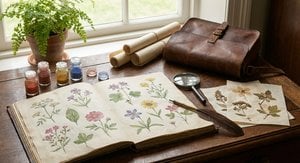
The Flourishing Canvas: A Historical Journey Through Botanical Illustration
Explore the captivating history of botanical illustration! Discover renowned artists like Robert Havell & Mary Walcott, learn about techniques, and find museum-quality art at ArtsDot.com.

Salvador Dalí: Top 25 Šedevrai, Įkvėpę Kartas | ArtsDot.lt
Atraskite 25 įspūdingiausius Salvador Dalí šedevrus! Sužinokite apie surrealizmo meną, simbolizmą ir techniką. Meno reprodukcijos aukščiausia kokybe interjero dekorui – ArtsDot.com. Explore the full collection online!

Surrealist Painting Masterpieces: 10 Artworks That Redefined Reality | ArtsDot
Journey into the dreamlike world of Surrealism! Explore 10 masterpieces by Dali, Magritte & Miró that redefined art. Discover their stories & find museum-quality reproductions to elevate your home decor on ArtsDot.com.