

 Peržiūrėti realaus dydžio版
 Pasidalinti
 Dalintis
 Išsamiau
 Vadovas

 Atsisiųsti
 Panašūs eksponatai
 Rentgeno spindulių nuotrauka
 Automatinė diorama
 Q&A
Q&A Statistika
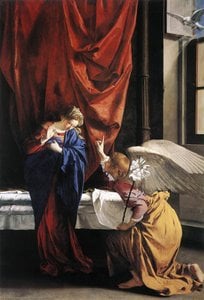
The Annunciation

- 237.0 x 164.0 cm


 Skaityti daugiau
Giclée / Meno spausdinimas
Muziejų lygio „giclée“ arba drobos spausdinimas: greita gamyba ir lankstios apdailos parinktys. ( Pirkti rankų darbo tapybą Perejti prie skaitmeninių vaizdų)




P118B €10

P118H €10

P118W €10

P438Z €10

P508JH €12

P508YH €12

P805H €10

P805Z €10

P919BZ €10

P919G €10

P919XJ €10

P959ZH €10

P968JZ €12

W106C €8

W218G €10

W218JH €8

W218Y €10

W307PJ €10

W316G €10

W316PJ €8

W316Y €10

W398PJ €8

W4111J €10

W500HY €15

W500JH €15

W692G €12

W849H €8

W940BG €15

W953PJ €8




Pasirinkite iš mūsų nustatytų dydžių, atitinkančių originalaus meno kūrinio proporcijas.

Įveskite jums reikiamą plotį ir aukštį, kad atvaizdas derėtų prie jūsų rėmo ar sienos. Spausdiną galima tik sumažinti, bet nepadidinti virš originalaus paveikslėlio dydžio, todėl keičiant proporcijas, dalis vaizdo prarandama. Prieš spausdinimą atsiųsime jums skaitmeninį maketą patvirtinimui. Šioje puslapio nuotraukoje matomas pjūvis nėra tikslus – jį rodo tik maketas.
Pristatymas visame pasaulyje () per 2 weeks, o ne įprastas 4/5 savaičių laikotarpis. (2 lapkritis)

Nemokamas greitasis pristatymas visame pasaulyje

Aukštos kokybės lininis drobė

Pilnas siuntimo draudimas

Muitinės mokesčių grąžinimo garantija

Tikro spalvų atitikimo garantija

100 dienų grąžinimo politika (tik esant įtaigoms)

100% pinigų grąžinimo garantija

Nuolaida dideliems užsakymams
 Stiklo variantas prieinamas tik pasirinkus dydį iki 110 cm

The Annunciation
Giclée / Meno spausdinimas
Reprodukcijos matmenys
-


Bendroji kaina
€ 55
A Moment of Divine Revelation
In the masterpiece The Annunciation, created in 1620, Giulio Cesare Procaccini captures the profound moment when the angel Gabriel announces to the Virgin Mary that she will bear a son, Jesus. The composition is defined by a sense of movement and energy, with the figures of Gabriel and Mary arranged along a diagonal line. Through the masterful use of chiaroscuro, the artist employs strong contrasts between light and dark to instill the scene with drama and tension, adding significant depth and volume to the figures.
The painting is rich with symbolic elements that deepen its narrative impact. A lily is featured as a symbol of purity and innocence, while a book represents knowledge and wisdom. The vibrant colors and intricate details highlight Procaccini's technical skill, particularly in how light and shadow interact within the frame.
Visual Composition and Detail
The foreground of this oil on canvas features two central figures: a woman dressed in blue robes and a man wearing red garments. The woman is depicted kneeling before the man, who holds a book or manuscript, suggesting an interaction of revelation. Above these figures, three cherubs are seen playing with a butterfly, adding an element of joy and innocence to the scene.
The background presents a dark landscape situated under a cloudy sky, providing a sharp contrast to the brightly lit figures in the foreground. The use of vibrant blues and reds draws the viewer's attention to the importance of the central characters within the composition.
Klausimai ir atsakymai
Kam rekomenduojamas naudojimui „The Annunciation“ spausdinys?
„The Annunciation“ – Giulio Cesare Procaccini reprodukcija rekomenduojama Accent. Šis pasiūlymas grindžiamas kūrinio tema, nuotaika ir spalvomis.
Kokią emociją sukelia „The Annunciation“?
„The Annunciation“ siejama su Romantic jausmu. Emocinis tonas aprašo įspūdį, kurį sukelia kūrinys.
Kas sukūrė „The Annunciation“ ir kokiu stiliumi tai atlikta?
Giulio Cesare Procaccini sukūrė „The Annunciation“, priklausantį Baroque stiliui.
panašūs kūriniai


Autoriaus biografija
The Master of Milanese Drama: The Life and Legacy of Giulio Cesare Procaccini
Giulio Cesare Procaccini stands as a pivotal figure in the burgeoning artistic landscape of early Baroque Milan, marking a decisive transition from Mannerist formalism to the expressive dynamism that would define an era. Born in Bologna in 1574, he descended from a lineage steeped in profound artistic tradition; his father, Ercole Procaccini the Elder, was himself a notable Mannerist painter. This heritage profoundly shaped his formative years, instilling within him an appreciation for nuanced stylistic complexities and a technical rigor that would later allow him to masterfully blend grace with grandeur. Around 1585, spurred by the influential patronage of Pierro Visconti, the family relocated to Milan, establishing a crucial connection with one of Italy’s wealthiest art collectors and fostering an environment ripe for the artistic experimentation that would become Procaccini's hallmark.
The artist's creative journey began not with the brush, but with the chisel. His early training was rooted in sculptural endeavors, primarily focused on the sacred spaces of the Milanese Duomo and Santa Maria presso San Celso. This tactile foundation in sculpture left an indelible mark on his later paintings, manifesting in a unique sense of volume, weight, and anatomical presence. However, he eventually transitioned to painting, recognizing its unparalleled capacity for conveying intense emotion and celestial light. During this period of development, Procaccini moved within the highest intellectual circles of Milan, associating with luminaries such as Giovanni Battista Crespi, known as Il Cerano, and Pier Francesco Mazzucchelli, or Il Morazzone. Under the spiritual and material guidance of Cardinal Federico Borromeo, Procaccini's creative output was propelled toward greatness, allowing him to capture the very spirit of the Counter-Reformation.
A Symphony of Light and Devotion
Procaccini’s mature style is a breathtaking synthesis of various European influences, most notably the vibrant colorism of the Venetian school and the sweeping, energetic compositions of Peter Paul Rubens. His works are characterized by a dramatic use of chiaroscuro, where deep shadows dance against luminous highlights to create a sense of theatrical movement. In masterpieces such as The Annunciation, one can witness this Baroque drama firsthand, as vibrant colors and swirling drapery evoke a profound sense of divine intervention. His ability to manipulate light allowed him to breathe life into religious narratives, transforming static icons into living, breathing moments of spiritual ecstasy.
His technical prowess is perhaps most evident in his large-scale religious commissions, which served both as artistic triumphs and instruments of faith. Notable examples include:
- Madonna and Child with Sts Francis and Dominic and Angels: A monumental oil on canvas commissioned for the church of Madonna dei Miracoli in Corbetta, where he masterfully blends Mannerist elegance with a new, surging Baroque energy.
- The Six Quadroni: Perhaps his most celebrated achievement, these large canvases depicting Saint Charles Borromeo were commissioned for the Basilica della Santissima Annunziata del Vastato in Genoa, showcasing his ability to handle epic, monumental scale.
- St Sebastian Tended by Angels: A work that highlights his delicate touch and his ability to weave together themes of suffering and divine tenderness through fluid, rhythmic compositions.
Historical Significance and Artistic Triumph
The historical significance of Giulio Cesare Procaccini lies in his role as a bridge between two worlds. He took the sophisticated, often artificial elegance of the Mannerist period and infused it with a new, visceral humanity that resonated with the religious fervor of 17th-century Italy. His work does not merely depict a scene; it invites the viewer into a sensory experience of the divine. Through his mastery of color, light, and movement, he helped establish Milan as a major center of Baroque excellence, leaving behind a legacy of altarpieces and frescoes that continue to captivate the modern imagination with their profound emotional depth and technical brilliance.

Giulio Cesare Procaccini
1574 - 1625 , Italy
Trumpa informacija
- Full Name: Giulio Cesare Procaccini
- Nationality: Italian
- Date Of Birth: 1574
- Date Of Death: 1625
- Place Of Birth: Bologna, Italy
- Notable Artworks:
- St Sebastian Tended by Angels
- Holy Family with John the Baptist and an Angel
- Circumcision
- Last Supper
- Scourging of Christ
- Ecce Homo
- Artistic Movement Or Style: Baroque
- Artists Who Influenced This Artist: ['Ercole Procaccini']
- Artists Or Movements Influenced By This Artist: ['Rubens']
Susiję straipsniai

Baroko meno estetika: kaip suprasti XVII amžiaus dramą, šviesos žaidimą ir dinamišką judesį
Sužinokite baroko meno paslaptis, šviesos ir dramatos techniką. Atskleiskite XVII amžiaus meistriškumą su mūsų ekspertu.

The Dramatic Flourish: Exploring the Baroque Movement's Enduring Legacy in Art History
Explore the dramatic world of Baroque art! Discover iconic artists like Caravaggio & Rubens, defining techniques, and its lasting impact on art history. Expert insights for collectors & enthusiasts at ArtsDot.

Oil on Panel Masters: 10 Paintings That Revolutionized Art |
Journey through 10 legendary 'Oil on Panel' masterpieces by Van Eyck, Bosch & Bruegel. Explore the stories behind these iconic Renaissance & Baroque paintings and find museum-quality art reproductions to elevate your home decor. Discover all masterpieces on !

Baroko Šedevrai: 10 Menų Simbolių, Apibūdinusių Epoką | ArtsDot
Atraskite 10 baroko šedevrų, kurie apibrėžė epoką! Karolis Rubenzas, Berninis ir kiti meistrai – jų kūriniai, istorijos bei spalvos. Aukščiausios kokybės dailės reprodukcijos ir interjero įkvėpimas ArtsDot.com. Išnagrinėkite visą kolekciją internete!

Baroque Painting's Greatest Hits: 10 Masterpieces for Your Home | ArtsDot
Journey through Baroque painting's glory! Explore 10 masterpieces by Caravaggio, Rembrandt & Vermeer. Discover dramatic lighting, rich colors & timeless stories. Find museum-quality art reproductions for your home at ArtsDot.com.