
- Pradžia

- Skaitmeninis vaizdas
- gianfranco baruchello
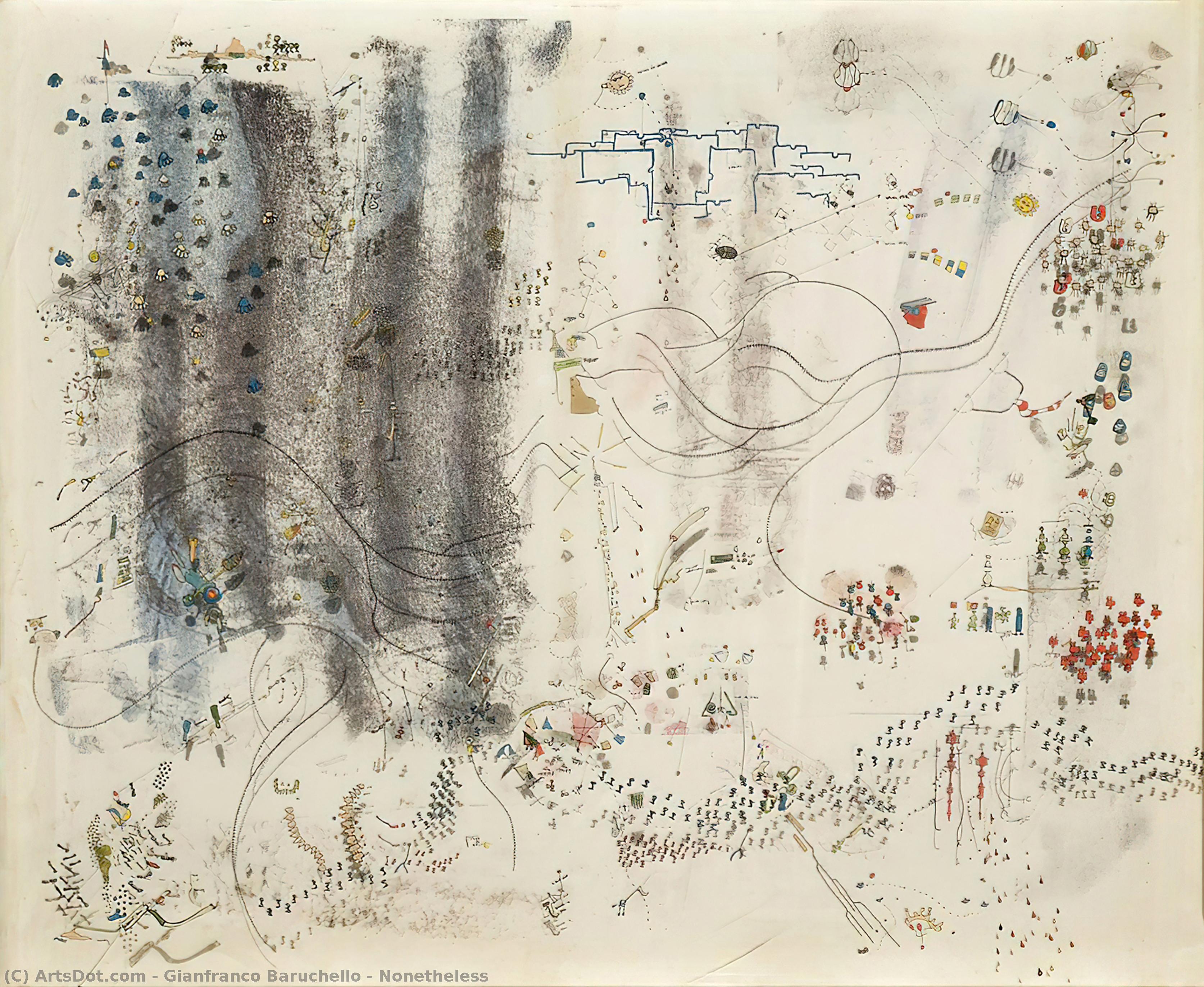
- Nonetheless
 Preview
 Pirkti atspaudą Užsisakyti kopiją
 Pasidalinti
 Dalintis
 Išsamiau
 Pridėti į mėgstamiausius

 Atsisiųsti
 Panašūs eksponatai
 Rentgeno nuotrauka
 Automatinė diorama
Nonetheless
 1964
1964 46.0 x 56.0 cm
 Skaityti daugiau
Įsigykite aukštos skiriamosios raiškos, patobulintą skaitmeninį vaizdą, gerokai pranašesnį už internetinę peržiūrą.
Kiekvieną failą mūsų specialistai kruopščiai paruošia naudojant pažangias technologijas ir profesionalų rankinį retušavimą. Užtikriname, kad kiekvienas vaizdas pasižymėtų išskirtiniu aiškumu, tikslia spalvų atspalviu ir smulkiomis detalėmis.
Baigiamas failas el. paštu pristatomas per 72 valandas; jis optimizuotas nedelsiant naudojimui profesionalioje, redakcinėje ir spausdinimo aplinkoje. Tai ta pati kokybė, kuria pasitiki aukščiausios klasės dizaino studijos, leidyklos ir galerijos.
Skaitmeninis vaizdas
Atsisiųskite didelės raiškos failą asmeniniam naudojimui, spausdinimui ir kūrybiniams projektams.
Kiekvieną skaitinio vaizdo užsakymą papildė
Profesionalus skaitmeninis pristatymas, garantuotas
Pasirinkę ArtsDot.com, jūs ne tik gaunate paveikslėlį – jūs gaunate profesionaliai patobudintą skaitmeninį kūrinį, sukurtą itin tikniai ir užtikrinantį pasitenkinimą. Štai viską, kas automatiškai pritékia jūsų užsakymui:

Greitas siuntimas el. paštu
Jūsų aukštos raiškos skaitmeninis vaizdo failas bus išsiųstas jums el. paštu per 72 valaudas nuo užsakymo – paruoštas naudojimui be jokių papildomų veiksmų.

Skaitmeninis failas su dirbtiniu intelektu
Jūsų meno kūrinys profesionaliai optimizuojamas naudojant pažangius dirbtinio intelekto įrankius ir rankinį redagavimą, užtikrinant maksimalią detalę, aiškumą ir spalvų tikslumą.

Nemokamas visam laikui pakartotinis siuntimas
Atsitiktinai ištrytikote ar praradote savo failą? Nebijokite – bet kuriuo metu atsiųsime jį jums vėl nemokamai.

Jokio importo mokesčio – niekada
Mėgaukitės savo meno kūriniu akimirka – skaitiniai failai visada yra neapmokestinami, todėl nereikės mokėti muitinės, mokesčių ar pristatymo mokesčių.

Spalvų tikslumo garantija
Naudodami profesionalią įrangą ir spalvų valdymo sistemas, užtikriname, kad jūsų skaitmeninis vaizdas kuo tiksliau atspindėtų originalias spalvas.

60 dienų pasitenkinimo garantija
Jei nebuvate patenkinti savo skaitinio vaizdo, per 60 dienų jį pertaisysime arba grąkinsime 100% sumą – be jokių klausimų.

100% pinigų grąžinimo garantija
Nepat 만족inti? Gaukite visą sumokėtą sumą per 60 dienų nuo skaitmeninio failo gavimo – be jokių papildomų klausimų.

Nuolaidos dideliems užsakymams
Pirkti 3 nuotraukas – pasiūla 10% - Pirkti 5 – pasiūla 15% - Pirkti 10 ir daugiau – pasiūla 20%. Puikiai tinka kūrybiniams projektams, galerijoms bei agentūroms.
panašūs kūriniai


Autoriaus biografija
Gianfranco Baruchello: Architect of the Unseen
Gianfranco Baruchello’s life and art represent a profound, almost hermetic engagement with the complexities of modern existence – a relentless interrogation of language, perception, and the very nature of representation. Born in Livorno, Italy, in 1924, into a family steeped in both legal and industrial tradition, Baruchello’s early years were shaped by the turbulent backdrop of post-war Italy and the lingering shadow of Fascism. His father, a prominent figure in the General Fascist Confederation for Italian Industry, instilled in him a critical awareness of societal structures, while his mother's role as an elementary school teacher fostered a deep appreciation for the power of communication. This confluence of influences would profoundly shape Baruchello’s artistic trajectory, leading him to develop a uniquely challenging and intellectually rigorous practice. Early experimentation in the late 1950s saw Baruchello navigating the currents of informal and neo-Dada movements, exploring themes of word, object, and painting – all within the context of burgeoning dialogues between art and everyday life. He moved fluidly between Rome, Paris, and New York, immersing himself in a vibrant intellectual landscape populated by writers like Calvino and Sanguineti, philosophers such as Lyotard, and artists including Marcel Duchamp, Roberto Matta, and Alan Jouffroy. The encounter with Duchamp proved particularly transformative, establishing a foundational relationship built on shared skepticism towards traditional artistic conventions and a fascination with the conceptual underpinnings of art itself. This period laid the groundwork for Baruchello’s distinctive approach – one characterized by a deliberate blurring of boundaries between disciplines and a constant questioning of established systems. A pivotal moment in his career arrived in 1962, when he was invited to participate in “New Realists,” a landmark exhibition at Sidney Janis Gallery in New York. This inclusion marked Baruchello’s entry onto the international stage and solidified his position within the burgeoning movement that sought to redefine the role of art in a rapidly changing world. The exhibition showcased his early explorations with black stripes, canvases imbued with fragmented symbols and seemingly random geometric lines – works that reflected a deep engagement with the anxieties and uncertainties of the era. Simultaneously, he began a series of ambitious projects, most notably *Artiflex* (1968), a fictitious company designed to expose the mechanics of the art market and challenge conventional notions of authorship and ownership. Through this provocative undertaking, Baruchello critiqued consumerism, industrial production, and the commodification of artistic labor – themes that would continue to resonate throughout his career. Baruchello’s practice extended far beyond painting, encompassing film, literature, happenings, and even agricultural experimentation. His 1973 establishment of *Agricola Cornelia SpA* on the outskirts of Rome represents a particularly fascinating chapter in his artistic journey. This venture wasn't merely a foray into farming; it was a meticulously constructed allegory – a microcosm reflecting broader societal concerns about land ownership, economic systems, and the relationship between humanity and nature. The farm became a site for experimentation, critique, and ultimately, a profound meditation on the complexities of existence. He described his work as “to make sense of the *use*and *maintenance*of concepts starting from the *percepti*, considering the error and the loss of quality as a *motif*for the discovery of the diversity.” In later years, Baruchello shifted his focus to architecture and living spaces, culminating in the creation of gardens and forests – environments that served as extensions of his artistic investigations. His work consistently prioritized the exploration of uncertainty, embracing ambiguity and challenging viewers to actively engage with the inherent contradictions within his creations. Gianfranco Baruchello’s legacy lies not simply in a collection of artworks, but in a profound philosophical approach to art-making – one that continues to inspire artists and thinkers today. He died in 2023 at the age of ninety-eight, leaving behind a body of work characterized by its intellectual rigor, emotional depth, and unwavering commitment to challenging conventional modes of thought.
gianfranco baruchello
1924 -
Trumpai apie šį kūrėją
- Artistic Movement Or Style: Surrealism, experimental art
- Artists Or Movements Influenced By This Artist:
- Neo-Dada
- Pop Art
- Artists Who Influenced This Artist:
- Marcel Duchamp
- John Cage
- Date Of Birth: August 24, 1924
- Date Of Death: January 14, 2023
- Full Name: Gianfranco Baruchello
- Nationality: Italian
- Notable Artworks:
- Zero Has No Counterpart
- Chateau-Le-Moi
- The Much Beloved Brother
- Place Of Birth: Livorno, Italy

