

 Peržiūrėti realybėje
 Pasidalinti
 Dalintis
 Išsamiau

 Atsisiųsti
 Panašūs eksponatai
 Rentgeno nuotrauka
 Automatinė diorama
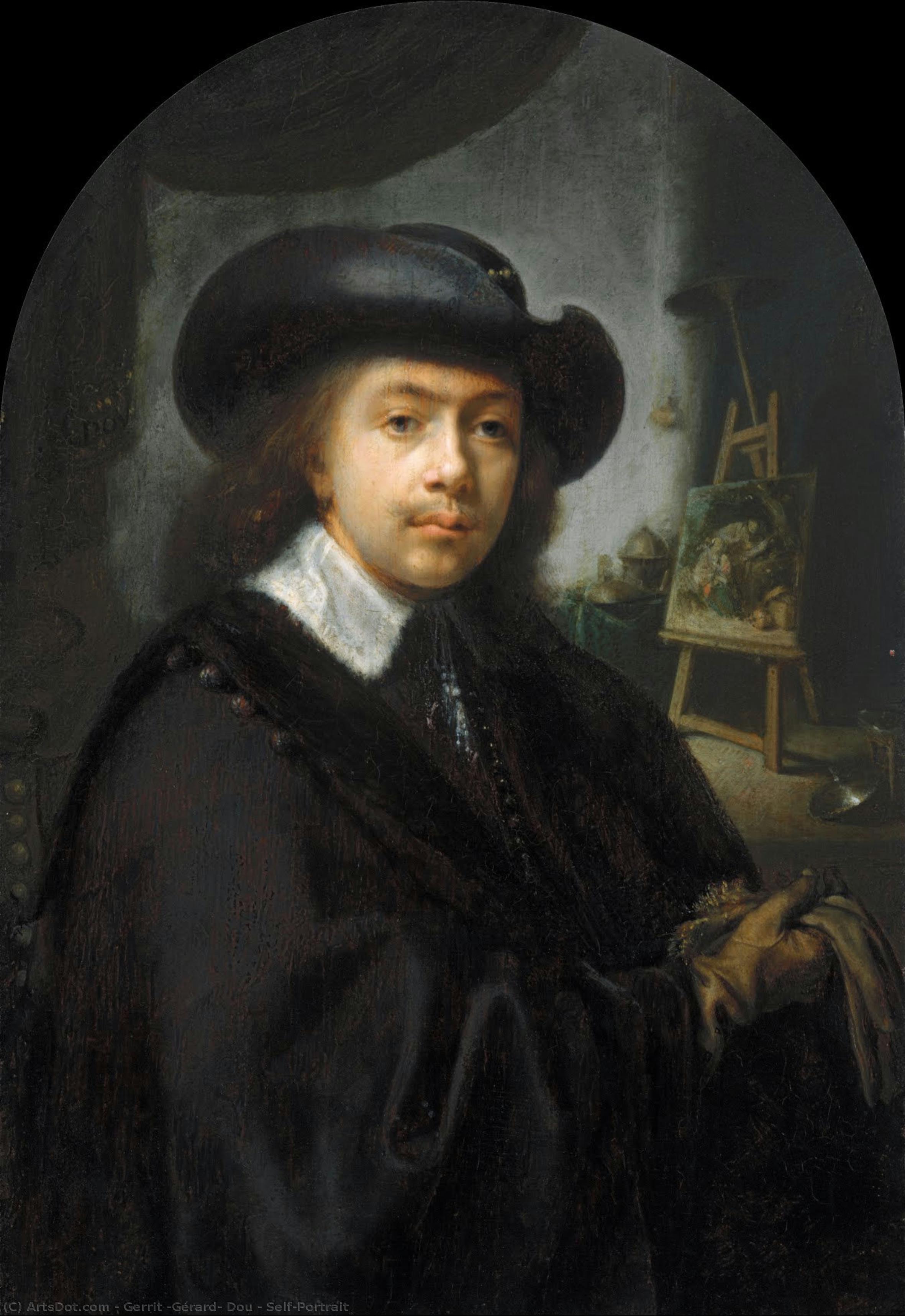
Self-Portrait
 Oil
Oil- WallArt
- Baroque
 1645
1645- Early Modern
 8.0 x 12.0 cm
 The Kremer Collection
 Skaityti daugiau
Giclée / Meno spausdinimas
Muziejų lygio „giclée“ arba drobos spausdinimas: greita gamyba ir lankstios apdailos parinktys. ( Perejti prie rankinio darbo paveikslėlio Perjungti į vaizdą)




P118B $10

P118H $10

P118W $10

P438Z $10

P508JH $12

P508YH $12

P805H $10

P805Z $10

P919BZ $10

P919G $10

P919XJ $10

P959ZH $10

P968JZ $12

W106C $8

W218G $10

W218JH $8

W218Y $10

W307PJ $10

W316G $10

W316PJ $8

W316Y $10

W398PJ $8

W4111J $10

W500HY $15

W500JH $15

W692G $12

W849H $8

W940BG $15

W953PJ $8




Pasirinkite iš mūsų nustatytų dydžių, atitinkančių originalaus meno kūrinio proporcijas.

Galite nurodyti savo matmenis, kad vaizdas atitiktų konkretų rėmą ar erdvę. Jei pasirinktas dydis nesutaps su originalaus paveikslėlio proporcijomis, mes arba apkirpsime kūrinį, arba išplėsime vaizdą naudojant veideliu atspindėtą arba vientisą šoną. Skaitmeninis maketas bus išsiųstas jums patvirtinti prieš pradedant gamybą.
Atkreipkite dėmesį, kad ekrane matomas vaizdinys neatspindi tikrojo apkirpimo ar išplėtimo. Tik maketas tiksliai parodytų galutinę kompoziciją.
Nors galima rinktis ir individualius dydžius, rekomenduojame pasirinkti vieną iš išanksti nustatytų matmenų, kad būtų išlaikytos originalios proporcijos.
Pristatymas visame pasaulyje () per 2 weeks, o ne įprastas 4/5 savaičių laikotarpis. (7 rugpjūtis)

Nemokamas greitasis pristatymas visame pasaulyje

Aukštos kokybės lininis drobė

Pilnas siuntimo draudimas

Muitinės mokesčių grąžinimo garantija

Tikro spalvų atitikimo garantija

60 dienų grąžinimo politika (tik esant gamyklinėms defektams)

100% pinigų grąžinimo garantija

Nuolaida už kelias reprodukcijas
 Stiklo variantas prieinamas tik pasirinkus dydį iki 110 cm

Self-Portrait
Giclée / Meno spausdinimas
Reprodukcijos matmenys
-


Galutinė kaina
$ 62
Kolekcinio eksponato aprašymas
A Masterpiece of Intimacy: Gerrit Dou’s Self-Portrait
In the quiet, meticulous world of the Dutch Golden Age, few artists possessed the ability to capture the soul through the smallest of details as profoundly as Gerrit Dou. His Self-Portrait, painted in 1645, serves as a breathtaking window into the mind of a man who was not merely a student of Rembrandt, but a pioneer of the Leiden fijnschilders style. This miniature marvel, measuring a mere 8 x 12 cm, defies its diminutive scale with an immense psychological presence. The artist presents himself with a serious, contemplative expression, draped in the sophisticated fashion of the 17th century. Through his gaze, we encounter a man deeply rooted in his era, yet possessing a timeless intensity that commands the viewer's undivided attention.
The technique employed in this work is nothing short of miraculous. Dou was a master of trompe l'oeil and extreme precision, a quality that allows the textures of his clothing and the subtle play of light to feel almost tactile. The composition utilizes a masterful application of chiaroscuro, where deep shadows dance against soft, illuminated surfaces to create a sense of three-dimensional depth. While the subject remains the focal point, the background whispers stories of a life lived amidst art and intellect; scattered bottles, a chair, and various objects suggest a studio environment that is both a workspace and a sanctuary. This meticulous attention to detail ensures that every time one views this piece, new layers of meaning and texture emerge from the shadows.
For the discerning collector or interior designer, this self-portrait offers more than just historical significance; it provides an emotional anchor for any curated space. The painting evokes a sense of scholarly quietude and refined elegance, making it an ideal centerpiece for a study, a library, or a sophisticated gallery wall. Its ability to evoke nostalgia for the Dutch Golden Age while maintaining a modern aesthetic appeal allows it to integrate seamlessly into contemporary luxury interiors. Owning a high-quality reproduction of this work means bringing a piece of art history into the home—a fragment of 1645 that continues to breathe with the spirit of craftsmanship, light, and human introspection.
panašūs kūriniai


![Self-portrait [1640] — Rembrandtas, Baroque](/media/artworks/images/thumbnails/cf/b7/cfb78643c4514b47a2ff6821f8460e38.jpg)
Autoriaus biografija
Gerrit Dou: Šviesos ir Detalės Magija Olandijos Aukso Amžiuje
Gerrit Dou (tikruoju vardu Gerard Dou), gimęs 1613 metų balandžio 7 dieną Leidene, Nyderlanduose, buvo vienas ryškiausių Olandijos Aukso Amžiaus tapytojų. Jo gyvenimas ir kūryba atspindi to meto kultūrinį kontekstą – klestėjimą, mokslinių atradimų bangą ir didžiulį dėmesį smulkmenoms bei kasdieniam gyvenimui. Dou nebuvo masinis gamintojas; jis kruopščiai kūrė nedidelį skaičių paveikslų, kuriuose užfiksuotas nepaprastas tikroviškumas ir šviesos žaismas stebina iki šiol. Jo ankstyvieji darbai rodo stiprią Rembrandto van Ryno įtaką, tačiau Dou greitai sukūrė savitą stilių, kuris jį išskyrė tarp kitų tapytojų.
Ankstyvieji Metai ir Mokslas Pas Rembrandtą
Gerrit Dou tėvas buvo dailininkas, todėl berniukas nuo mažų dienų susipažino su meno pasauliu. 1628 metais jis pradėjo mokytis pas žymų tapytoją Rembrandtą van Ryną Amsterdame. Šis laikotarpis turėjo didžiulės įtakos jaunajam Dou, ypač jo pomėgiui tamsioms spalvoms ir dramatiškam apšvietimui – chiaroscuro techniką. Tačiau Dou netrukus paliko Rembrandto dirbtuvę ir grįžo į Leideną, kur toliau lavino savo talentą, eksperimentuodamas su naujomis technikomis ir temomis. Jo ankstyvieji darbai dažnai vaizdavo istorines scenas ar biblijinius motyvus, tačiau jau tuomet buvo pastebimas jo kruopštumas ir dėmesys detalėms.
„Fijnschilder“ Stilius Ir Žanriniai Paveikslai
Dou greitai išgarsėjo dėl savo unikalios tapybos technikos, žinomos kaip „fijnschilder“ (smulkus tapymas). Šis stilius pasižymėjo nepaprastu tikroviškumu, kruopščiu paviršiaus faktūros perteikimu ir subtiliu šviesos bei šešėlių moduliavimu. Jo paveikslai dažnai vaizdavo kasdienius buities scenas – interjerus su žmonėmis, užsiimančiais įprastais darbais, ar nedidelius daiktų rinkinius. Dou meistriškai atvaizdavo tekstūras: metalo blizgesį, audinio raukšles, stiklo skaidrumą. Jo paveikslai primena fotografijas savo tikroviškumu ir apgalvota kompozicija.
Pagrindiniai Kūriniai Ir Įtaka
Vienas žymiausių Dou kūrinių – „Astronomas šviesos šviesoje“ (The Astronomer by Candlelight), kuriame puikiai atspindi jo meistriškumas perteikti subtilią šviesos atmosferą ir kruopščiai atvaizdyti daiktus. Kiti svarbūs darbai apima portretus, žanrinius paveikslus su motyvais iš kasdienio gyvenimo ir nedidelius interjerų vaizdus. Dou įtaka buvo didžiulė – jis turėjo daug mokinių, tarp jų Frans van Mieris the Elder ir Gabriel Metsu, kurie taip pat tapo žymiais Olandijos Aukso Amžiaus tapytojais. Jo stilius atspindėjo kitų menininkų kūryboje, o jo paveikslai buvo labai paklausūs tarp kolekcionierių.
Palikimas Ir Istorinė Reikšmė
Gerrit Dou mirė 1675 metų vasario 9 dieną Leidene. Jo palikimas – tai nepaprastai kruopščiai atlikti paveikslai, kurie iki šiol stebina savo tikroviškumu ir subtiliu šviesos žaismu. Dou prisidėjo prie Olandijos Aukso Amžiaus meno klestėjimo, įkvėpdamas kitus menininkus ir paliekant ryškų pėdsaką meno istorijoje. Jo darbai atspindi to meto kultūrinį kontekstą – didžiulį dėmesį smulkmenoms, mokslinių atradimų bangą ir kasdienio gyvenimo grožį. Dou paveikslai yra saugomi įvairiuose muziejuose visame pasaulyje, o jo kūryba tebėra aktualus ir įkvepiantis šių dienų menininkams bei meno mėgėjams.
- Gimimo data: 1613 metų balandžio 7 diena
- Mirties data: 1675 metų vasario 9 diena
- Stilius: „Fijnschilder“ (smulkus tapymas)
- Pagrindiniai darbai: „Astronomas šviesos šviesoje“, portretai, žanriniai paveikslai
- Įtaka: Frans van Mieris the Elder, Gabriel Metsu

Geritas Du
1613 - 1675 , Lietuva
Trumpa informacija
- Gimimo Data: 1613 m. balandžio 7 d.
- Gimimo Vieta: Leidenas, Nyderlandai
- Meninis Stilius: Fijnschilder (smulkus tapymas)
- Mirties Data: 1675 m. vasario 9 d.
- Pilietybė: Olandietis
- Pilnas Vardas: Gerrit Dou
- Turėjo Įtakos: ['Rembrandt van Rijn']
- Įtakojo:
- Frans van Mieris vyresnis
- Gabriel Metsu
- Žymiausi Darbai:
- Astronomas prie žvakės
- Portretas senos moters
- Buitiniai paveikslai
Susiję straipsniai
Gerrit Dou: Intimacy & Light in the Dutch Golden Age
Explore the exquisite world of Gerrit Dou, a master of Dutch Golden Age painting. Discover his intimate genre scenes, signature use of light, and lasting legacy. Learn about collecting Dou's works & their value.

Golden Age Reflections: Dutch Baroque Painting & Cultural Innovation
Explore the Dutch Golden Age of painting! Discover key artists like Vermeer & ter Borch, their innovative techniques, and the rich cultural context behind these Baroque masterpieces. Learn about collecting & appreciating this iconic art period.

Masterful Portraits: 10 Artworks That Define a Genre | ArtsDot
Explore 10 iconic portrait paintings – from Mona Lisa to Van Gogh’s self-portraits. Discover the stories behind these masterpieces, artistic techniques & find museum-quality art reproductions for your home at ArtsDot.com.

Olandijos Aukso Amžius: 10 Šedevrų, Apibrėžiančių Meną ir Stilių
Atraskite Olandijos Aukso Amži\u017us meninius šedevrus! 10 legendin\u017iŴ paveikslžiai – Rembrandto, Vermeerio ir kt. darbai. Sužnkitę j\u016ungo namus aukso amži\u017us grožiu! Āukrai, interjero dizainas – viskas ArtsDot.com. Ižirkite kolekciją internete!

Illuminating Innovation: Exploring the Dutch Golden Age of Painting
Explore the Dutch Golden Age of painting with ArtsDot. Discover Rembrandt, Vermeer & other Masters. Learn about key characteristics, iconic artworks, and lasting influence. Expert insights for collectors & enthusiasts.



