


 Peržiūrėti realaus dydžio版
 Siųsti
 Dalintis
 Išsamiau
 Vadovas

 Atsisiųsti
 Panašūs eksponatai
 Rentgeno spindulių nuotrauka
 Diaporama
 Statistika
untitled (7107)


 Rodyti daugiau
Šiame puslapyje rodomas meno kūrinys yra saugomas autorių teisių įstatymais, todėl neturime teisės legaliai kurti ar parduoti jo identiškos reprodukcijos. Ši apsauga užtikrinama remiantis tokiais tarptautiniais susitarimais kaip Bernės konvencija ir pagal nacionalines įstatymų nuostatas, įskaitant tas, kurias nurodo JAV autoriškos teisės įstatymas – 17-asis skyrius.
Šis metodas visiškai atitinka autorių teises, nes jame nėra kūrinio kopijavimo ar dubliavimo. Tai yra kūrybinė reinterpretacija – naujas paveikslas, kurį įkvėpė originalas, tačiau kuris nėra jo identiškas.
Giclée / Meno spausdinimas
Muziejų lygio „giclée“ arba drobos spausdinimas: greita gamyba ir lankstios apdailos parinktys. ( Pirkti rankomis tapytą reprodukciją Perejti prie skaitmeninių vaizdų)




P118B €10

P118H €10

P118W €10

P438Z €10

P508JH €12

P508YH €12

P805H €10

P805Z €10

P919BZ €10

P919G €10

P919XJ €10

P959ZH €10

P968JZ €12

W106C €8

W218G €10

W218JH €8

W218Y €10

W307PJ €10

W316G €10

W316PJ €8

W316Y €10

W398PJ €8

W4111J €10

W500HY €15

W500JH €15

W692G €12

W849H €8

W940BG €15

W953PJ €8




Pasirinkite iš mūsų nustatytų dydžių, atitinkančių originalaus meno kūrinio proporcijas.

Įveskite jums reikiamą plotį ir aukštį, kad atvaizdas derėtų prie jūsų rėmo ar sienos. Spausdiną galima tik sumažinti, bet nepadidinti virš originalaus paveikslėlio dydžio, todėl keičiant proporcijas, dalis vaizdo prarandama. Prieš spausdinimą atsiųsime jums skaitmeninį maketą patvirtinimui. Šioje puslapio nuotraukoje matomas pjūvis nėra tikslus – jį rodo tik maketas.
Pristatymas visame pasaulyje () per 2 weeks, o ne įprastas 4/5 savaičių laikotarpis. (22 spalis)

Nemokamas greitasis pristatymas visame pasaulyje

Aukštos kokybės lininis drobė

Pilnas siuntimo draudimas

Muitinės mokesčių grąžinimo garantija

Tikro spalvų atitikimo garantija

100 dienų grąžinimo politika (tik esant įtaigoms)

100% pinigų grąžinimo garantija

Nuolaida dideliems užsakymams
 Stiklo variantas prieinamas tik pasirinkus dydį iki 110 cm

untitled (7107)
Giclée / Meno spausdinimas
Reprodukcijos dydis
-


Visų pasirinktų variantų kaina
€ 54
A Symphony of Shadows and Form
In the quiet, contemplative depths of Georges Braque’s untitled (7107), viewers are invited into a private moment of profound introspection. The painting presents a woman seated gracefully upon a chair, her hands delicately pressed against her face in a gesture that oscillates between vulnerability and a fierce desire for concealment. This central figure, draped in a luminous white dress, serves as the emotional anchor of the composition. Flanking her are two other figures, partially obscured by her posture, creating a complex interplay of presence and absence. Through this arrangement, Braque masterfully orchestrates a sense of mystery, where the boundaries between the seen and the unseen begin to blur, drawing the observer into a silent dialogue with the subject's hidden inner world.
As a seminal work from the dawn of the 20th century, this piece stands as a breathtaking testament to the birth of Cubism. Moving away from the rigid constraints of academic realism, Braque utilizes the revolutionary language of fragmentation and multiple perspectives to dismantle traditional illusion. Influenced by the structural innovations of Cézanne and the experimental spirit of Picasso, the artist deconstructs the human form into geometric essences. The technique is a masterclass in oil on canvas, where meticulous layering and subtle blending create a rich, tactile surface. A muted, atmospheric palette—dominated by deep, melancholic blues—envelops the scene, providing a somber backdrop that enhances the painting's profound sense of gravity and stillness.
The Architecture of Emotion
Beyond its formal brilliance, untitled (7107) resonates with a powerful symbolic weight. The act of covering one's face serves as a poignant metaphor for self-imposed isolation and the protection of the soul from the external gaze. There is an undeniable tension within the frame; the way the secondary figures are swallowed by the shadows of the central subject suggests themes of memory, loss, and the fragmented nature of human identity. For the discerning collector or interior designer, this artwork offers more than mere decoration; it provides a focal point of intellectual and emotional depth. Its ability to command a room through its quiet intensity makes it an exquisite choice for spaces dedicated to reflection, such as a private study, a sophisticated gallery, or a contemporary living salon.
Owning a high-quality reproduction of this Braque masterpiece allows one to bring the revolutionary spirit of the Parisian avant-garde into the modern home. The painting does not simply occupy space; it transforms it, offering a window into a pivotal moment in art history when the very definition of reality was being rewritten. Whether appreciated for its technical mastery of light and shadow or its hauntingly beautiful subject matter, this work remains an enduring icon of modernism, promising to inspire awe and contemplation for generations to come.
问答 (or more naturally for a website heading): Klausimai ir atsakymai
Kokią nuotaiką „untitled (7107)“, autorius – Žoržas Brakas suteikia interjerui?
Savo Elegant nuotaika „untitled (7107)“ siūloma Living Room erdvei.
Kaip „untitled (7107)“, autorius – Žoržas Brakas spalvos susiję su jo emocine išraiška?
„untitled (7107)“, autorius – Žoržas Brakas sujungia Earthy paletę su Reflective tonu.
Ar „untitled (7107)“ galima įsigyti kaip aukščiausios kokybės spausdinį?
Norėdami užsisakyti „untitled (7107)“, autorius – Žoržas Brakas spausdinį, tiesiog jį užsisakykite puslapio Kūrinio spausdinimas skiltyje: aukščiausios kokybės spausdinys ant medžio siuvinėjamų audinių arba archyvinio kanvas tipo popieriaus.
Susiję kūriniai


Autoriaus biografija
Early Life and Artistic Foundations
Georges Braque, gimęs Argenteuil mieste Francijoje 1882 metais, įvykdė kelionę į meno pasaulį, kurią iš tikrųjų simbolizavo XX amžiaus meno vystymosi kraštovaizdis. Jo vaikystė šeimoje, kurioje veikė namų dažytojai ir dekoratorių meistrai, ne tik suteikė jam praktinę meistriškumą medžiagoms, bet ir ankstyvą įvertinimą formasiai ir struktūrai. Nepaisant pradėti vykti savo tėvo keliu, Braque’s šlovingos kūrybinės instinkcijos greitai vedė jį į akademinę mokslą Argenteuil mieste Francijoje 1882 metais.
Pervažiuodamas Paryžiui 1902 metais, Braque tęsė savo studijas Humberto akademijoje, prisijungdamas prie Paryžiaus meno gyvenimo šlovingos aplinkos. Čia jis susitikęs su artistas Marie Laurencin ir Francis Picabia, kuriuos įvykdė šlovingą kūrybinę instinkciją Francijoje 1882 metais.
The Embrace of Fauvism and the Dawn of Cubism
Braque’s pasirinkimas fauvistinių principų – išraiškos spalvos ir emocijų – yra įvykdė šlovingą kūrybinę instinkciją Francijoje 1882 metais. Šis laikotarpis buvo pažymiškas eksperimentais su spalvomis Paryžiui 1902 metais.
Švietimo akademijoje Humberto Paryžiui 1902 metais, Braque tęsė savo studijas Paryžiaus meno gyvenimo šlovingą aplinkos. Čia jis susitikęs su artistas Marie Laurencin ir Francis Picabia, kuriuos įvykdė šlovingą kūrybinę instinkciją Francijoje 1882 metais.
Innovation Through Fragmentation and Collage
Švietimo akademijoje Humberto Paryžiui 1902 metais, Braque tęsė savo studijas Paryžiaus meno gyvenimo šlovingą aplinkos. Čia jis susitikęs su artistas Marie Laurencin ir Francis Picabia, kuriuos įvykdė šlovingą kūrybinę instinkciją Francijoje 1882 metais.
Švietimo akademijoje Humberto Paryžiui 1902 metais, Braque tęsė savo studijas Paryžiaus meno gyvenimo šlovingą aplinkos. Čia jis susitikęs su artistas Marie Laurencin ir Francis Picabia, kuriuos įvykdė šlovingą kūrybinę instinkciją Francijoje 1882 metais.
Later Years and Enduring Legacy
Švietimo akademijoje Humberto Paryžiui 1902 metais, Braque tęsė savo studijas Paryžiaus meno gyvenimo šlovingą aplinkos. Čia jis susitikęs su artistas Marie Laurencin ir Francis Picabia, kuriuos įvykdė šlovingą kūrybinę instinkciją Francijoje 1882 metais.
Švietimo akademijoje Humberto Paryžiui 1902 metais, Braque tęsė savo studijas Paryžiaus meno gyvenimo šlovingą aplinkos. Čia jis susitikęs su artistas Marie Laurencin ir Francis Picabia, kuriuos įvykdė šlovingą kūrybinę instinkciją Francijoje 1882 metais.

Žoržas Brakas
1882 - 1963 , Prancūzija
Trumpa informacija apie kūrėją
- Artistic Movement Or Style: Kubizmo ir Fauvizmo
- Artists Who Influenced This Artist:
- Henri Matisse
- André Derain
- Pablo Picasso
- Date Of Birth: 1882-05-13
- Date Of Death: 1963
- Full Name: Georges Braque
- Nationality: Prancūzas
- Notable Artworks:
- Žinomas namai L'Estaque
- Kantrybė
- Violonas ir Paletė
- Place Of Birth: Argenteuil, Prancūzija
Susiję straipsniai

Paul Cézanne: 25 Šedevrai, Keičiantys Meno Pasaulį | ArtsDot.lt
Atraskite 25 Paul Cézanno šedevrus! Išsami analizė, istorijos ir įkvėpimas interjero dekorui. Modernus menas, impresionizmas, natiurmortai – viskas ArtsDot.com. Explore the full collection online!

Georges Braque: 25 Šedevrai, Keičiantys Jūsų Interjerą | ArtsDot
Atraskite 25 Georges Braque šedevrus! Kubizmo meistro paveikslai, interjero dekoras ir meno istorija. Meno reprodukcijos aukščiausia kokybe – ArtsDot.com. Išsamesnės informacijos rasite internetu.

Slate Blue Masterpieces: 10 Iconic Paintings & Timeless Home Decor Ideas
Immerse yourself in the captivating world of slate blue! Explore 10 iconic paintings by Monet, Van Gogh & Renoir. Discover their stories, techniques & find museum-quality art reproductions for your home at .

Serene Blue Backgrounds: Discover Soulful Art to Transform Your Space with Timeless Elegance
Transform your home with soulful blue art. From serene Monet impressions to modern textured sculptures, discover curated masterpieces designed to inspire calm. Explore expert art consultations and bespoke hand-painted reproductions to create your personal sanctuary.
The Allure of Azure: Exploring the Symbolic & Aesthetic Depths of Blue in Art History
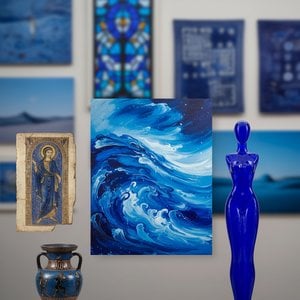
Explore the rich history of blue in art! Discover its symbolism, from ancient pigments to modern masterpieces by Kandinsky & Seurat. Uncover the psychological impact and cultural meanings behind this captivating hue.


