


 Peržiūrėti realaus dydžio版
 Siųsti
 Dalintis
 Išsamiau
 Vadovas

 Atsisiųsti
 Panašūs eksponatai
 Rentgeno spindulių nuotrauka
 Diaporama
 Statistika
The two windows


 Rodyti daugiau
Šiame puslapyje rodomas meno kūrinys yra saugomas autorių teisių įstatymais, todėl neturime teisės legaliai kurti ar parduoti jo identiškos reprodukcijos. Ši apsauga užtikrinama remiantis tokiais tarptautiniais susitarimais kaip Bernės konvencija ir pagal nacionalines įstatymų nuostatas, įskaitant tas, kurias nurodo JAV autoriškos teisės įstatymas – 17-asis skyrius.
Šis metodas visiškai atitinka autorių teises, nes jame nėra kūrinio kopijavimo ar dubliavimo. Tai yra kūrybinė reinterpretacija – naujas paveikslas, kurį įkvėpė originalas, tačiau kuris nėra jo identiškas.
Giclée / Meno spausdinimas
Muziejų lygio „giclée“ arba drobos spausdinimas: greita gamyba ir lankstios apdailos parinktys. ( Pirkti rankomis tapytą reprodukciją Perejti prie skaitmeninių vaizdų)




P118B €10

P118H €10

P118W €10

P438Z €10

P508JH €12

P508YH €12

P805H €10

P805Z €10

P919BZ €10

P919G €10

P919XJ €10

P959ZH €10

P968JZ €12

W106C €8

W218G €10

W218JH €8

W218Y €10

W307PJ €10

W316G €10

W316PJ €8

W316Y €10

W398PJ €8

W4111J €10

W500HY €15

W500JH €15

W692G €12

W849H €8

W940BG €15

W953PJ €8




Pasirinkite iš mūsų nustatytų dydžių, atitinkančių originalaus meno kūrinio proporcijas.

Įveskite jums reikiamą plotį ir aukštį, kad atvaizdas derėtų prie jūsų rėmo ar sienos. Spausdiną galima tik sumažinti, bet nepadidinti virš originalaus paveikslėlio dydžio, todėl keičiant proporcijas, dalis vaizdo prarandama. Prieš spausdinimą atsiųsime jums skaitmeninį maketą patvirtinimui. Šioje puslapio nuotraukoje matomas pjūvis nėra tikslus – jį rodo tik maketas.
Pristatymas visame pasaulyje () per 2 weeks, o ne įprastas 4/5 savaičių laikotarpis. (18 spalis)

Nemokamas greitasis pristatymas visame pasaulyje

Aukštos kokybės lininis drobė

Pilnas siuntimo draudimas

Muitinės mokesčių grąžinimo garantija

Tikro spalvų atitikimo garantija

100 dienų grąžinimo politika (tik esant įtaigoms)

100% pinigų grąžinimo garantija

Nuolaida dideliems užsakymams
 Stiklo variantas prieinamas tik pasirinkus dydį iki 110 cm

The two windows
Giclée / Meno spausdinimas
Reprodukcijos dydis
-


Visų pasirinktų variantų kaina
€ 54
Georges Braque’s “The Two Windows”: A Cubist Exploration of Perception
Georges Braque's "The Two Windows" (circa 1908-1909) stands as a pivotal work in the development of Cubism, offering a profoundly unsettling yet captivating glimpse into the artist’s revolutionary approach to representing reality. This painting, dominated by a solitary figure framed against two windows, isn't merely a depiction of a scene; it’s an intellectual puzzle designed to challenge the viewer’s assumptions about space, time, and visual perception. The composition immediately draws attention to the fragmented forms – the figure itself is broken down into geometric planes, mirroring the fractured reality presented through the dual perspectives offered by the windows.
- Subject Matter: The central subject, a person adorned with a headpiece suggestive of either a camera or telescope, immediately introduces an element of technological observation and perhaps even surveillance.
- Cubist Technique: Braque’s masterful use of *papier collé* (glued paper) alongside his oil paints contributes to the fractured effect. The layering of shapes and planes creates a sense of depth that is simultaneously present and absent, forcing the viewer to actively construct the image rather than passively receiving it.
- Color Palette: A muted palette of browns, ochres, and grays dominates the canvas, reflecting the analytical nature of early Cubism and emphasizing form over coloristic expression.
Historical Context and the Rise of Analytical Cubism
“The Two Windows” was created during a period of intense experimentation within the Parisian art world – the birth of what would become known as Cubism. Following his association with Pablo Picasso, Braque was instrumental in developing this groundbreaking style, which emerged as a reaction against the representational conventions of Impressionism and Post-Impressionism. This era, roughly 1907-1914, witnessed artists dismantling traditional perspective and attempting to depict objects from multiple viewpoints simultaneously. Braque’s work aligns perfectly with the “Analytical Cubist” phase, characterized by a deliberate reduction of forms to their essential geometric components. The focus wasn't on creating a realistic illusion but rather on exploring the underlying structure of visual experience.
The inclusion of objects like clocks and bowls – recurring motifs in Braque’s work – adds another layer of complexity. These seemingly mundane items are presented in distorted, fragmented ways, further disrupting any sense of conventional spatial relationships. The windows themselves aren't simply portals to an external world; they become active participants in the painting’s unsettling visual dialogue.
Symbolism and Emotional Impact
While ostensibly a study in form and perspective, “The Two Windows” is laden with potential symbolic interpretations. The headpiece resembling a camera or telescope suggests a preoccupation with observation, documentation, and perhaps even the limitations of human perception. The multiple clocks could represent the passage of time, its relentless flow, and the subjective nature of temporal experience. The overall effect is one of disorientation and unease – a deliberate strategy employed by Braque to provoke thought and challenge the viewer’s comfortable assumptions about reality.
Beyond its intellectual rigor, “The Two Windows” possesses a powerful emotional resonance. The solitary figure, trapped within this fragmented space, evokes feelings of isolation, anxiety, and perhaps even alienation – themes that would become increasingly prevalent in modern art throughout the 20th century. It’s a painting that demands engagement, inviting viewers to confront their own perceptions and question the very nature of representation.
A Masterpiece Recreated: ArtsDot's Hand-Painted Reproduction
ArtsDot is proud to offer a meticulously hand-painted reproduction of Georges Braque’s “The Two Windows.” Our skilled artisans, trained in traditional painting techniques and possessing an intimate understanding of Braque’s style, have painstakingly recreated this iconic artwork. Unlike digital prints or mass-produced reproductions, our piece captures the nuances of texture, color, and brushwork that define Braque's original vision. This is more than just a print; it’s a genuine work of art, perfect for enriching your interior design, adding a touch of intellectual sophistication to your collection, or simply appreciating the genius of one of modernism’s most influential figures.
问答 (or more naturally for a website heading): Klausimai ir atsakymai
Kokio meno kryžmės dalis yra „The two windows“, autorius – Žoržas Brakas?
„The two windows“ yra Cubist Analytical kūrinys. Šis stilius nurodo meninę tradiciją, kurios šis darbas yra dalis.
Ar „The two windows“ yra garsus Cubist Analytical kūrinys?
Kataloge kūrinys „The two windows“ vertinamas kaip Recognized tarp Cubist Analytical stiliaus darbų.
Kaip galiu gauti „The two windows“, autorius – Žoržas Brakas skaitmeninį failą?
Norėdami gauti „The two windows“, autorius – Žoržas Brakas skaitmeninį failą, užsisakykite aukštos raiškos skaitmeninio vaizdo atsisiuntimas jo Skaitmeninis vaizdas puslapio.
Susiję kūriniai


Autoriaus biografija
Early Life and Artistic Foundations
Georges Braque, gimęs Argenteuil mieste Francijoje 1882 metais, įvykdė kelionę į meno pasaulį, kurią iš tikrųjų simbolizavo XX amžiaus meno vystymosi kraštovaizdis. Jo vaikystė šeimoje, kurioje veikė namų dažytojai ir dekoratorių meistrai, ne tik suteikė jam praktinę meistriškumą medžiagoms, bet ir ankstyvą įvertinimą formasiai ir struktūrai. Nepaisant pradėti vykti savo tėvo keliu, Braque’s šlovingos kūrybinės instinkcijos greitai vedė jį į akademinę mokslą Argenteuil mieste Francijoje 1882 metais.
Pervažiuodamas Paryžiui 1902 metais, Braque tęsė savo studijas Humberto akademijoje, prisijungdamas prie Paryžiaus meno gyvenimo šlovingos aplinkos. Čia jis susitikęs su artistas Marie Laurencin ir Francis Picabia, kuriuos įvykdė šlovingą kūrybinę instinkciją Francijoje 1882 metais.
The Embrace of Fauvism and the Dawn of Cubism
Braque’s pasirinkimas fauvistinių principų – išraiškos spalvos ir emocijų – yra įvykdė šlovingą kūrybinę instinkciją Francijoje 1882 metais. Šis laikotarpis buvo pažymiškas eksperimentais su spalvomis Paryžiui 1902 metais.
Švietimo akademijoje Humberto Paryžiui 1902 metais, Braque tęsė savo studijas Paryžiaus meno gyvenimo šlovingą aplinkos. Čia jis susitikęs su artistas Marie Laurencin ir Francis Picabia, kuriuos įvykdė šlovingą kūrybinę instinkciją Francijoje 1882 metais.
Innovation Through Fragmentation and Collage
Švietimo akademijoje Humberto Paryžiui 1902 metais, Braque tęsė savo studijas Paryžiaus meno gyvenimo šlovingą aplinkos. Čia jis susitikęs su artistas Marie Laurencin ir Francis Picabia, kuriuos įvykdė šlovingą kūrybinę instinkciją Francijoje 1882 metais.
Švietimo akademijoje Humberto Paryžiui 1902 metais, Braque tęsė savo studijas Paryžiaus meno gyvenimo šlovingą aplinkos. Čia jis susitikęs su artistas Marie Laurencin ir Francis Picabia, kuriuos įvykdė šlovingą kūrybinę instinkciją Francijoje 1882 metais.
Later Years and Enduring Legacy
Švietimo akademijoje Humberto Paryžiui 1902 metais, Braque tęsė savo studijas Paryžiaus meno gyvenimo šlovingą aplinkos. Čia jis susitikęs su artistas Marie Laurencin ir Francis Picabia, kuriuos įvykdė šlovingą kūrybinę instinkciją Francijoje 1882 metais.
Švietimo akademijoje Humberto Paryžiui 1902 metais, Braque tęsė savo studijas Paryžiaus meno gyvenimo šlovingą aplinkos. Čia jis susitikęs su artistas Marie Laurencin ir Francis Picabia, kuriuos įvykdė šlovingą kūrybinę instinkciją Francijoje 1882 metais.
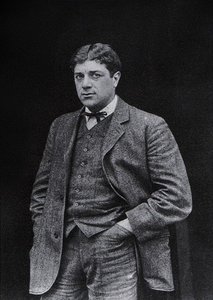
Žoržas Brakas
1882 - 1963 , Prancūzija
Trumpa informacija apie kūrėją
- Artistic Movement Or Style: Kubizmo ir Fauvizmo
- Artists Who Influenced This Artist:
- Henri Matisse
- André Derain
- Pablo Picasso
- Date Of Birth: 1882-05-13
- Date Of Death: 1963
- Full Name: Georges Braque
- Nationality: Prancūzas
- Notable Artworks:
- Žinomas namai L'Estaque
- Kantrybė
- Violonas ir Paletė
- Place Of Birth: Argenteuil, Prancūzija
Susiję straipsniai

Fernand Léger: 25 Šedevrai, Apibrėžę Moderniąją Meninę Viziją | ArtsDot
Atraskite 25 įspūdingiausius Fernand Léger šedevrus! Kubizmo meistro paveikslai, atspindintys pramonės amžių ir modernaus meno spalvas. Meno reprodukcijos interjerui – ArtsDot.com

Kandinsky's Masterpieces: 25 Paintings That Define Abstract Art | ArtsDot
Journey through Wassily Kandinsky's 25 most iconic abstract paintings. Explore his revolutionary use of color, form & spiritual expressionism. Find museum-quality Kandinsky reproductions and elevate your home decor with ArtsDot.com. Discover all masterpieces on ArtsDot.com!

Paul Klee: 25 Šedevrai, Įkvėpę Kartas | Tapyba, Dekorai ir Meninis Palikimas
Atraskite 25 Paul Klee šedevrus! Išsami analizė, meno istorija ir įkvėpimas interjerui. Abstraktaus meno kūriniai, ekspresionizmas, spalvų harmonijos. Aukštos kokybės reprodukcijos – ArtsDot.com

Georges Braque: 25 Šedevrai, Keičiantys Jūsų Interjerą | ArtsDot
Atraskite 25 Georges Braque šedevrus! Kubizmo meistro paveikslai, interjero dekoras ir meno istorija. Meno reprodukcijos aukščiausia kokybe – ArtsDot.com. Išsamesnės informacijos rasite internetu.

Geometrinės Abstrakcijos Šedevrai: 10 Kūrinių, Pakeitusių Meną | ArtsDot.com
Atraskite 10 geometrinės abstrakcijos šedevrų – nuo Mondriano iki Malevičiaus! Sužinokite apie Piet Mondrian, Kazimir Malevič ir kitus menininkus. Meno kūriniai jūsų interjerui | ArtsDot.com


