


 Peržiūrėti realaus dydžio版
 Siųsti
 Dalintis
 Išsamiau
 Vadovas

 Atsisiųsti
 Panašūs eksponatai
 Rentgeno spindulių nuotrauka
 Diaporama
 Statistika
The Studio (VI)


 Rodyti daugiau
Šiame puslapyje rodomas meno kūrinys yra saugomas autorių teisių įstatymais, todėl neturime teisės legaliai kurti ar parduoti jo identiškos reprodukcijos. Ši apsauga užtikrinama remiantis tokiais tarptautiniais susitarimais kaip Bernės konvencija ir pagal nacionalines įstatymų nuostatas, įskaitant tas, kurias nurodo JAV autoriškos teisės įstatymas – 17-asis skyrius.
Šis metodas visiškai atitinka autorių teises, nes jame nėra kūrinio kopijavimo ar dubliavimo. Tai yra kūrybinė reinterpretacija – naujas paveikslas, kurį įkvėpė originalas, tačiau kuris nėra jo identiškas.
Giclée / Meno spausdinimas
Muziejų lygio „giclée“ arba drobos spausdinimas: greita gamyba ir lankstios apdailos parinktys. ( Pirkti rankomis tapytą reprodukciją Perejti prie skaitmeninių vaizdų)




P118B €10

P118H €10

P118W €10

P438Z €10

P508JH €12

P508YH €12

P805H €10

P805Z €10

P919BZ €10

P919G €10

P919XJ €10

P959ZH €10

P968JZ €12

W106C €8

W218G €10

W218JH €8

W218Y €10

W307PJ €10

W316G €10

W316PJ €8

W316Y €10

W398PJ €8

W4111J €10

W500HY €15

W500JH €15

W692G €12

W849H €8

W940BG €15

W953PJ €8




Pasirinkite iš mūsų nustatytų dydžių, atitinkančių originalaus meno kūrinio proporcijas.

Type the width and the height you need, to fit your frame or your wall. A print can only be cut, never made bigger than the picture, so a size with a different shape loses a part of the image. We send you a digital mockup to approve before we print anything. The picture shown on this page does not show the real cut — only the mockup does.
Pristatymas visame pasaulyje () per 2 weeks, o ne įprastas 4/5 savaičių laikotarpis. (15 spalis)

Nemokamas greitasis pristatymas visame pasaulyje

Aukštos kokybės lininis drobė

Pilnas siuntimo draudimas

Muitinės mokesčių grąžinimo garantija

Tikro spalvų atitikimo garantija

100 dienų grąžinimo politika (tik esant įtaigoms)

100% pinigų grąžinimo garantija

Nuolaida dideliems užsakymams
 Stiklo variantas prieinamas tik pasirinkus dydį iki 110 cm

The Studio (VI)
Giclée / Meno spausdinimas
Reprodukcijos dydis
-


Visų pasirinktų variantų kaina
€ 54
Georges Braque: The Architect of Cubism
Georges Braque (1882–1963) stands as a monumental figure in the history of modern art, inextricably linked to Pablo Picasso and the genesis of Cubism. More than just an artist, he was a meticulous craftsman who relentlessly interrogated artistic conventions—a quest that yielded groundbreaking results and cemented his legacy as one of the most influential painters of the 20th century.
- Early Life & Artistic Foundations: Born in Argenteuil, France, Braque’s upbringing instilled within him a profound appreciation for form and structure—a sensibility honed by his father's profession as a house painter. This practical grounding combined with formal training at the École des Beaux-Arts in Le Havre provided him with an unparalleled understanding of materials and techniques.
- The Fauvist Breakthrough: Braque’s artistic journey commenced with Impressionism, but he was profoundly moved by Henri Matisse's Fauvist paintings. Embracing bold colors—a deliberate rejection of academic tradition—he collaborated closely with artists like Raoul Dufy and Othon Friesz to explore expressive possibilities within this vibrant movement.
- The Birth of Cubism: The encounter between Braque and Picasso in 1907 marked a pivotal moment, propelling them into the forefront of Cubist experimentation. Influenced by Cézanne’s geometric simplification and inspired by African sculpture and Iberian art, they dismantled traditional perspective, presenting objects from multiple viewpoints simultaneously—a revolutionary approach that challenged viewers' perceptions.
- Analytical Cubism: Braque’s Analytical Cubism (1908–1912) is characterized by monochromatic color palettes and fractured forms meticulously rendered to convey spatial illusion. Paintings like “Houses at L’Estaque” exemplify this technique, demonstrating Braque's unwavering dedication to dissecting visual reality.
- Synthetic Cubism: Moving towards Synthetic Cubism (1912–1914), Braque incorporated collage elements—fragments of newspaper and fabric—into his canvases. This innovative method further expanded the boundaries of artistic expression, reflecting a broader cultural fascination with new materials and processes.
“The Studio” (VI): A Reflection of Artistic Process
Georges Braque’s “The Studio” (VI), completed in 1951, embodies the culmination of his artistic evolution—a masterful distillation of Cubist principles tempered by a contemplative sensibility. This still life captures a moment of quiet observation within an artist's workspace, inviting viewers to contemplate the complexities of creative endeavor.
The painting’s monochrome palette—primarily ochre and brown—creates a subdued atmosphere that underscores Braque’s fascination with Cézanne’s exploration of form and structure. The fragmented depiction of objects—a chair, vases, bottles, and a cup—mirrors the Cubist technique of presenting multiple viewpoints simultaneously.
Notably, Braque incorporated handwritten script into the composition—a deliberate gesture that symbolizes the act of artistic creation itself. These lines disrupt the geometric precision of Cubism, adding textural richness and hinting at an underlying intellectual engagement with Cézanne’s legacy. The overall effect is one of serene contemplation—a testament to Braque's enduring belief in the transformative power of art.
Symbolic Significance & Emotional Impact
“The Studio” transcends mere visual representation; it speaks to the core values of Braque’s artistic philosophy. The inclusion of objects associated with an artist’s profession—the chair, the instruments—suggests a preoccupation with craftsmanship and intellectual rigor. Simultaneously, the muted color scheme evokes feelings of tranquility and introspection.
Braque's masterful handling of light and shadow contributes to the painting’s emotional resonance, capturing the subtle nuances of an artist’s environment. The composition encourages viewers to engage in a dialogue with the artwork—to contemplate its formal qualities alongside its symbolic implications.
问答 (or more naturally for a website heading): Klausimai ir atsakymai
Ar yra panašių darbų kaip „The Studio (VI)“?
Įrenginiai, panašūs į „The Studio (VI)“, autorius – Žoržas Brakas, surinkti kūrinio Panašūs kūriniai puslapio.
Ką vaizduoja „The Studio (VI)“, autorius – Žoržas Brakas?
Darbos „The Studio (VI)“ temos yra still life, composition, geometric forms, monochrome palette, atelier, bird, texture.
Kokia yra „The Studio (VI)“, autorius – Žoržas Brakas dominuojanti spalva?
Per „The Studio (VI)“, autorius – Žoržas Brakas bėgioja Ochre to Sepia atspalvis.
Susiję kūriniai


Autoriaus biografija
Early Life and Artistic Foundations
Georges Braque, gimęs Argenteuil mieste Francijoje 1882 metais, įvykdė kelionę į meno pasaulį, kurią iš tikrųjų simbolizavo XX amžiaus meno vystymosi kraštovaizdis. Jo vaikystė šeimoje, kurioje veikė namų dažytojai ir dekoratorių meistrai, ne tik suteikė jam praktinę meistriškumą medžiagoms, bet ir ankstyvą įvertinimą formasiai ir struktūrai. Nepaisant pradėti vykti savo tėvo keliu, Braque’s šlovingos kūrybinės instinkcijos greitai vedė jį į akademinę mokslą Argenteuil mieste Francijoje 1882 metais.
Pervažiuodamas Paryžiui 1902 metais, Braque tęsė savo studijas Humberto akademijoje, prisijungdamas prie Paryžiaus meno gyvenimo šlovingos aplinkos. Čia jis susitikęs su artistas Marie Laurencin ir Francis Picabia, kuriuos įvykdė šlovingą kūrybinę instinkciją Francijoje 1882 metais.
The Embrace of Fauvism and the Dawn of Cubism
Braque’s pasirinkimas fauvistinių principų – išraiškos spalvos ir emocijų – yra įvykdė šlovingą kūrybinę instinkciją Francijoje 1882 metais. Šis laikotarpis buvo pažymiškas eksperimentais su spalvomis Paryžiui 1902 metais.
Švietimo akademijoje Humberto Paryžiui 1902 metais, Braque tęsė savo studijas Paryžiaus meno gyvenimo šlovingą aplinkos. Čia jis susitikęs su artistas Marie Laurencin ir Francis Picabia, kuriuos įvykdė šlovingą kūrybinę instinkciją Francijoje 1882 metais.
Innovation Through Fragmentation and Collage
Švietimo akademijoje Humberto Paryžiui 1902 metais, Braque tęsė savo studijas Paryžiaus meno gyvenimo šlovingą aplinkos. Čia jis susitikęs su artistas Marie Laurencin ir Francis Picabia, kuriuos įvykdė šlovingą kūrybinę instinkciją Francijoje 1882 metais.
Švietimo akademijoje Humberto Paryžiui 1902 metais, Braque tęsė savo studijas Paryžiaus meno gyvenimo šlovingą aplinkos. Čia jis susitikęs su artistas Marie Laurencin ir Francis Picabia, kuriuos įvykdė šlovingą kūrybinę instinkciją Francijoje 1882 metais.
Later Years and Enduring Legacy
Švietimo akademijoje Humberto Paryžiui 1902 metais, Braque tęsė savo studijas Paryžiaus meno gyvenimo šlovingą aplinkos. Čia jis susitikęs su artistas Marie Laurencin ir Francis Picabia, kuriuos įvykdė šlovingą kūrybinę instinkciją Francijoje 1882 metais.
Švietimo akademijoje Humberto Paryžiui 1902 metais, Braque tęsė savo studijas Paryžiaus meno gyvenimo šlovingą aplinkos. Čia jis susitikęs su artistas Marie Laurencin ir Francis Picabia, kuriuos įvykdė šlovingą kūrybinę instinkciją Francijoje 1882 metais.
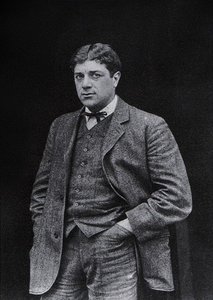
Žoržas Brakas
1882 - 1963 , Prancūzija
Trumpa informacija apie kūrėją
- Artistic Movement Or Style: Kubizmo ir Fauvizmo
- Artists Who Influenced This Artist:
- Henri Matisse
- André Derain
- Pablo Picasso
- Date Of Birth: 1882-05-13
- Date Of Death: 1963
- Full Name: Georges Braque
- Nationality: Prancūzas
- Notable Artworks:
- Žinomas namai L'Estaque
- Kantrybė
- Violonas ir Paletė
- Place Of Birth: Argenteuil, Prancūzija
Susiję straipsniai
Deconstructing Reality: A Comprehensive Exploration of Cubist Still Life
Explore the revolutionary world of Cubist Still Life with ArtsDot. Discover Picasso & Braque's groundbreaking techniques, its philosophical roots, and lasting impact on modern art. Expert insights for collectors.

Georges Seurat: 25 Šedevrai, Apšviečiantys Modernaus Meno Takus | ArtsDot
Atraskite 25 Georges Seurat šedevrus! Išsami analizė, istorijos ir įkvėpimas interjero dizainui. Pointilizmo meistras, impresionizmas ir chromoluminarizmas – viskas ArtsDot.com. Explore the full collection online!

Georges Braque: Pioneering Cubism & the Evolution of Modern Form
Explore the revolutionary art of Georges Braque, a pioneer of Cubism alongside Picasso. Discover his artistic evolution, key works, and lasting impact on modern art. A guide for discerning collectors.

Georges Braque: 25 Šedevrai, Keičiantys Jūsų Interjerą | ArtsDot
Atraskite 25 Georges Braque šedevrus! Kubizmo meistro paveikslai, interjero dekoras ir meno istorija. Meno reprodukcijos aukščiausia kokybe – ArtsDot.com. Išsamesnės informacijos rasite internetu.

Geometrinės Abstrakcijos Šedevrai: 10 Kūrinių, Pakeitusių Meną | ArtsDot.com
Atraskite 10 geometrinės abstrakcijos šedevrų – nuo Mondriano iki Malevičiaus! Sužinokite apie Piet Mondrian, Kazimir Malevič ir kitus menininkus. Meno kūriniai jūsų interjerui | ArtsDot.com


