

 Peržiūrėti realybėje
 Pasidalinti
 Dalintis
 Išsamiau

 Atsisiųsti
 Panašūs eksponatai
 Rentgeno nuotrauka
 Automatinė diorama
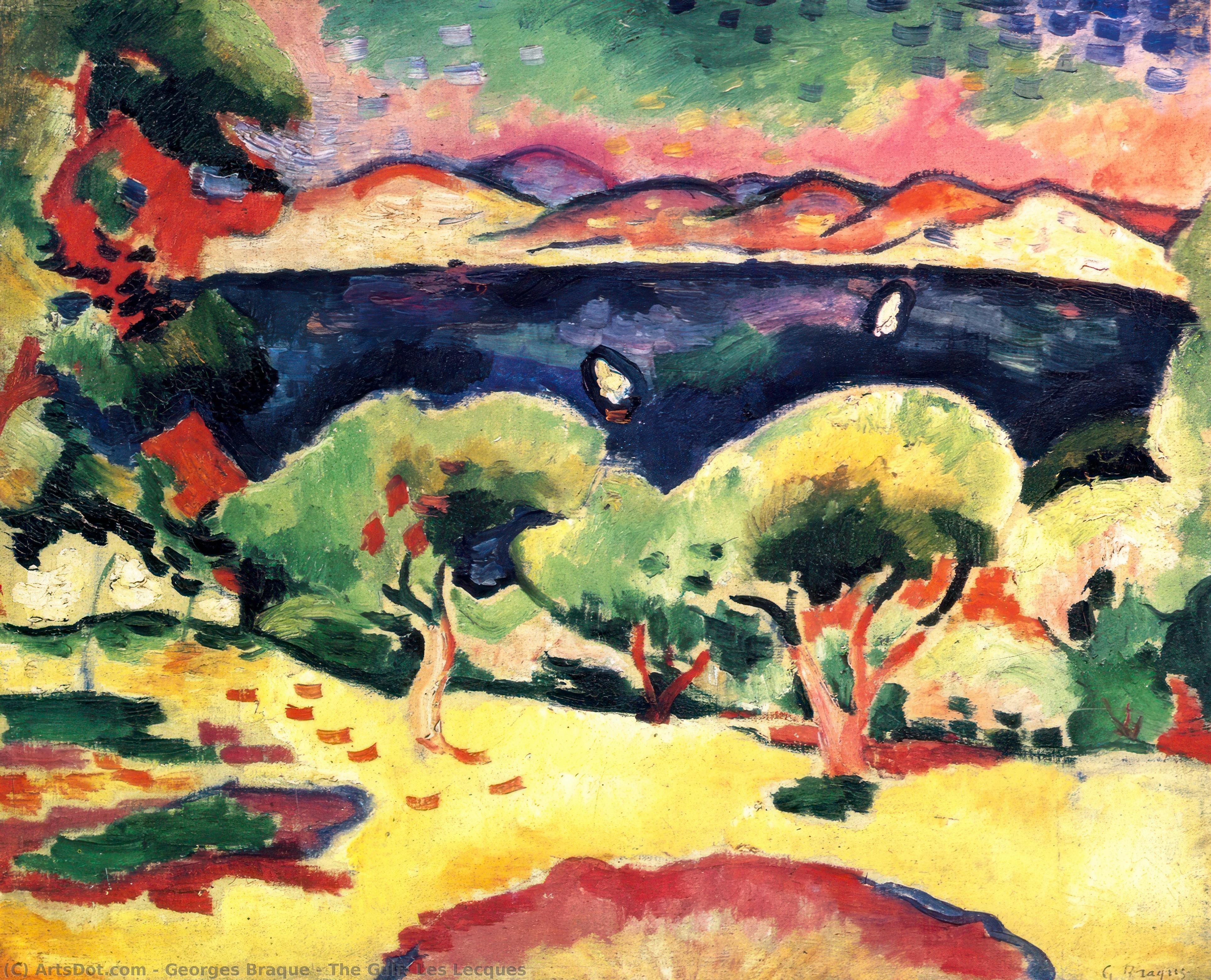
The Gulf, Les Lecques
 Oil On Canvas
- WallArt
- Cubism
 1906
1906- Modern
 38.0 x 46.0 cm
 Musée National d’Art Moderne
 Skaityti daugiau
Giclée / Meno spausdinimas
Muziejų lygio „giclée“ arba drobos spausdinimas: greita gamyba ir lankstios apdailos parinktys. ( Pirkti rankomis tapytą paveikslą Pirkti vaizdą)




P118B $10

P118H $10

P118W $10

P438Z $10

P508JH $12

P508YH $12

P805H $10

P805Z $10

P919BZ $10

P919G $10

P919XJ $10

P959ZH $10

P968JZ $12

W106C $8

W218G $10

W218JH $8

W218Y $10

W307PJ $10

W316G $10

W316PJ $8

W316Y $10

W398PJ $8

W4111J $10

W500HY $15

W500JH $15

W692G $12

W849H $8

W940BG $15

W953PJ $8




Pasirinkite iš mūsų nustatytų dydžių, atitinkančių originalaus meno kūrinio proporcijas.

Galite nurodyti savo matmenis, kad vaizdas atitiktų konkretų rėmą ar erdvę. Jei pasirinktas dydis nesutaps su originalaus paveikslėlio proporcijomis, mes arba apkirpsime kūrinį, arba išplėsime vaizdą naudojant veideliu atspindėtą arba vientisą šoną. Skaitmeninis maketas bus išsiųstas jums patvirtinti prieš pradedant gamybą.
Atkreipkite dėmesį, kad ekrane matomas vaizdinys neatspindi tikrojo apkirpimo ar išplėtimo. Tik maketas tiksliai parodytų galutinę kompoziciją.
Nors galima rinktis ir individualius dydžius, rekomenduojame pasirinkti vieną iš išanksti nustatytų matmenų, kad būtų išlaikytos originalios proporcijos.
Pristatymas visame pasaulyje () per 2 weeks, o ne įprastas 4/5 savaičių laikotarpis. (16 rugpjūtis)

Nemokamas greitasis pristatymas visame pasaulyje

Aukštos kokybės lininis drobė

Pilnas siuntimo draudimas

Muitinės mokesčių grąžinimo garantija

Tikro spalvų atitikimo garantija

60 dienų grąžinimo politika (tik esant gamyklinėms defektams)

100% pinigų grąžinimo garantija

Nuolaida už kelias reprodukcijas
 Stiklo variantas prieinamas tik pasirinkus dydį iki 110 cm

The Gulf, Les Lecques
Giclée / Meno spausdinimas
Reprodukcijos matmenys
-


Galutinė kaina
$ 62
Kolekcinio eksponato aprašymas
A Symphony of Color and Light
In the annals of modern art, few moments capture the raw, unbridled energy of a stylistic revolution quite like Georges Braque’s The Gulf, Les Lecques. Painted in 1906, this masterpiece serves as a breathtaking window into the heart of Fauvism, an era where color was liberated from the constraints of reality to serve the needs of pure emotion. As one gazes upon this oil on canvas, the eyes are immediately swept into a landscape that feels less like a literal depiction of the French coast and more like a vibrant dreamscape. The composition is a masterful dance of three distinct planes: a sun-drenched yellow pine forest anchors the foreground, a tranquil blue sea stretches through the center, and distant, hazy mountains provide a sense of infinite depth. Through the use of rose and violet hues that bleed softly from the earth to the sky, Braque achieves a rare harmony, connecting the terrestrial with the celestial in a single, fluid motion.
The technique employed here is nothing short of transformative. Eschewing the delicate, polished finishes of academic tradition, Braque utilizes broad, expressive brushstrokes that imbue the canvas with a tactile vitality. The greenery of the foreground is not merely painted; it is sculpted with thick applications of pigment, creating a lushness that feels almost palpable to the touch. This rhythmic application of paint allows light to dance across the surface, mimicking the shimmering reflections found on the water's edge. For the discerning collector or interior designer, this work offers a profound sense of movement and life, making it an ideal centerpiece for spaces that require a touch of sophisticated energy and organic warmth.
The Threshold of Modernity
To understand The Gulf, Les Lecques is to witness a pivotal moment in the evolution of 20 much-studied artist. This work stands as one of Braque’s final, triumphant statements within the Fauvist movement before his historic collaboration with Pablo Picasso gave birth to Cubism. There is a palpable tension in the painting—a sense of a creator standing on the precipice of change. While the palette remains rooted in the brilliant, emotive colors of the Fauves, one can already detect the structural seeds of what would become the deconstructed forms of Cubism. The way Braque organizes the landscape into distinct, color-coded zones suggests an emerging interest in the geometric architecture of nature, a precursor to the radical fragmentation that would soon redefine the 20th century.
Beyond its historical significance, the emotional resonance of the piece is deeply evocative. It captures a sense of profound serenity, yet it is a serenity charged with the vitality of life. The presence of two small boats adrift on the blue expanse introduces a narrative of quiet contemplation and human connection to the vastness of the natural world. For those looking to adorn their homes with art that inspires peace and introspection, a high-quality reproduction of this work brings more than just color into a room; it brings a piece of history. It invites the viewer to pause, to breathe, and to reconnect with the elemental beauty of the earth through the eyes of a master who saw the world not as it was, but as it felt.
panašūs kūriniai


Autoriaus biografija
Early Life and Artistic Foundations
Georges Braque, gimęs Argenteuil mieste Francijoje 1882 metais, įvykdė kelionę į meno pasaulį, kurią iš tikrųjų simbolizavo XX amžiaus meno vystymosi kraštovaizdis. Jo vaikystė šeimoje, kurioje veikė namų dažytojai ir dekoratorių meistrai, ne tik suteikė jam praktinę meistriškumą medžiagoms, bet ir ankstyvą įvertinimą formasiai ir struktūrai. Nepaisant pradėti vykti savo tėvo keliu, Braque’s šlovingos kūrybinės instinkcijos greitai vedė jį į akademinę mokslą Argenteuil mieste Francijoje 1882 metais.
Pervažiuodamas Paryžiui 1902 metais, Braque tęsė savo studijas Humberto akademijoje, prisijungdamas prie Paryžiaus meno gyvenimo šlovingos aplinkos. Čia jis susitikęs su artistas Marie Laurencin ir Francis Picabia, kuriuos įvykdė šlovingą kūrybinę instinkciją Francijoje 1882 metais.
The Embrace of Fauvism and the Dawn of Cubism
Braque’s pasirinkimas fauvistinių principų – išraiškos spalvos ir emocijų – yra įvykdė šlovingą kūrybinę instinkciją Francijoje 1882 metais. Šis laikotarpis buvo pažymiškas eksperimentais su spalvomis Paryžiui 1902 metais.
Švietimo akademijoje Humberto Paryžiui 1902 metais, Braque tęsė savo studijas Paryžiaus meno gyvenimo šlovingą aplinkos. Čia jis susitikęs su artistas Marie Laurencin ir Francis Picabia, kuriuos įvykdė šlovingą kūrybinę instinkciją Francijoje 1882 metais.
Innovation Through Fragmentation and Collage
Švietimo akademijoje Humberto Paryžiui 1902 metais, Braque tęsė savo studijas Paryžiaus meno gyvenimo šlovingą aplinkos. Čia jis susitikęs su artistas Marie Laurencin ir Francis Picabia, kuriuos įvykdė šlovingą kūrybinę instinkciją Francijoje 1882 metais.
Švietimo akademijoje Humberto Paryžiui 1902 metais, Braque tęsė savo studijas Paryžiaus meno gyvenimo šlovingą aplinkos. Čia jis susitikęs su artistas Marie Laurencin ir Francis Picabia, kuriuos įvykdė šlovingą kūrybinę instinkciją Francijoje 1882 metais.
Later Years and Enduring Legacy
Švietimo akademijoje Humberto Paryžiui 1902 metais, Braque tęsė savo studijas Paryžiaus meno gyvenimo šlovingą aplinkos. Čia jis susitikęs su artistas Marie Laurencin ir Francis Picabia, kuriuos įvykdė šlovingą kūrybinę instinkciją Francijoje 1882 metais.
Švietimo akademijoje Humberto Paryžiui 1902 metais, Braque tęsė savo studijas Paryžiaus meno gyvenimo šlovingą aplinkos. Čia jis susitikęs su artistas Marie Laurencin ir Francis Picabia, kuriuos įvykdė šlovingą kūrybinę instinkciją Francijoje 1882 metais.

Žoržas Brakas
1882 - 1963 , Prancūzija
Trumpa informacija
- Artistic Movement Or Style: Kubizmo ir Fauvizmo
- Artists Who Influenced This Artist:
- Henri Matisse
- André Derain
- Pablo Picasso
- Date Of Birth: 1882-05-13
- Date Of Death: 1963
- Full Name: Georges Braque
- Nationality: Prancūzas
- Notable Artworks:
- Žinomas namai L'Estaque
- Kantrybė
- Violonas ir Paletė
- Place Of Birth: Argenteuil, Prancūzija
Susiję straipsniai

Georges Braque: 25 Šedevrai, Keičiantys Jūsų Interjerą | ArtsDot
Atraskite 25 Georges Braque šedevrus! Kubizmo meistro paveikslai, interjero dekoras ir meno istorija. Meno reprodukcijos aukščiausia kokybe – ArtsDot.com. Išsamesnės informacijos rasite internetu.

Georges Seurat: 25 Šedevrai, Apšviečiantys Modernaus Meno Takus | ArtsDot
Atraskite 25 Georges Seurat šedevrus! Išsami analizė, istorijos ir įkvėpimas interjero dizainui. Pointilizmo meistras, impresionizmas ir chromoluminarizmas – viskas ArtsDot.com. Explore the full collection online!

Georges Braque: Pioneering Cubism & the Evolution of Modern Form
Explore the revolutionary art of Georges Braque, a pioneer of Cubism alongside Picasso. Discover his artistic evolution, key works, and lasting impact on modern art. A guide for discerning collectors.

Kubizmo Deimantai: 10 Šedevrų, Apibrėžusių Meną ir Interjerą
Atraskite 10 legendinių kubizmo šedevrų! Pažinkite Picassą, Braką ir kitus menininkus. Sužinokite apie spalvas, stilių bei meno istoriją. Aukštos kokybės dailės reprodukcijos jūsų interjerui – ArtsDot.com.

Paul Cézanne: 25 Šedevrai, Keičiantys Meno Pasaulį | ArtsDot.lt
Atraskite 25 Paul Cézanno šedevrus! Išsami analizė, istorijos ir įkvėpimas interjero dekorui. Modernus menas, impresionizmas, natiurmortai – viskas ArtsDot.com. Explore the full collection online!



