


 Peržiūrėti realaus dydžio版
 Siųsti
 Dalintis
 Išsamiau
 Vadovas

 Atsisiųsti
 Panašūs eksponatai
 Rentgeno spindulių nuotrauka
 Diaporama
 Statistika
Helios V, Blue-Violet


 Rodyti daugiau
Šiame puslapyje rodomas meno kūrinys yra saugomas autorių teisių įstatymais, todėl neturime teisės legaliai kurti ar parduoti jo identiškos reprodukcijos. Ši apsauga užtikrinama remiantis tokiais tarptautiniais susitarimais kaip Bernės konvencija ir pagal nacionalines įstatymų nuostatas, įskaitant tas, kurias nurodo JAV autoriškos teisės įstatymas – 17-asis skyrius.
Šis metodas visiškai atitinka autorių teises, nes jame nėra kūrinio kopijavimo ar dubliavimo. Tai yra kūrybinė reinterpretacija – naujas paveikslas, kurį įkvėpė originalas, tačiau kuris nėra jo identiškas.
Giclée / Meno spausdinimas
Muziejų lygio „giclée“ arba drobos spausdinimas: greita gamyba ir lankstios apdailos parinktys. ( Pirkti rankomis tapytą reprodukciją Perejti prie skaitmeninių vaizdų)




P118B €10

P118H €10

P118W €10

P438Z €10

P508JH €12

P508YH €12

P805H €10

P805Z €10

P919BZ €10

P919G €10

P919XJ €10

P959ZH €10

P968JZ €12

W106C €8

W218G €10

W218JH €8

W218Y €10

W307PJ €10

W316G €10

W316PJ €8

W316Y €10

W398PJ €8

W4111J €10

W500HY €15

W500JH €15

W692G €12

W849H €8

W940BG €15

W953PJ €8




Pasirinkite iš mūsų nustatytų dydžių, atitinkančių originalaus meno kūrinio proporcijas.

Įveskite jums reikiamą plotį ir aukštį, kad atvaizdas derėtų prie jūsų rėmo ar sienos. Spausdiną galima tik sumažinti, bet nepadidinti virš originalaus paveikslėlio dydžio, todėl keičiant proporcijas, dalis vaizdo prarandama. Prieš spausdinimą atsiųsime jums skaitmeninį maketą patvirtinimui. Šioje puslapio nuotraukoje matomas pjūvis nėra tikslus – jį rodo tik maketas.
Pristatymas visame pasaulyje () per 2 weeks, o ne įprastas 4/5 savaičių laikotarpis. (24 spalis)

Nemokamas greitasis pristatymas visame pasaulyje

Aukštos kokybės lininis drobė

Pilnas siuntimo draudimas

Muitinės mokesčių grąžinimo garantija

Tikro spalvų atitikimo garantija

100 dienų grąžinimo politika (tik esant įtaigoms)

100% pinigų grąžinimo garantija

Nuolaida dideliems užsakymams
 Stiklo variantas prieinamas tik pasirinkus dydį iki 110 cm

Helios V, Blue-Violet
Giclée / Meno spausdinimas
Reprodukcijos dydis
-


Visų pasirinktų variantų kaina
€ 54
Georges Braque's "Helios V, Blue-Violet": A Study in Equestrian Form
Georges Braque’s “Helios V, Blue-Violet” presents a compelling tableau of human and animal form, rendered with the meticulous detail characteristic of his early Cubist explorations. The painting depicts a knight astride a horse, a scene steeped in historical symbolism yet presented through a distinctly modern lens. The subject matter – the warrior on horseback – has resonated throughout Western art history, representing power, nobility, and martial prowess. Braque’s interpretation, however, moves beyond simple representation, inviting viewers to contemplate the very nature of form and perception.
- Subject Matter: The iconic image of a knight and horse is immediately recognizable, drawing upon centuries of artistic tradition.
- Color Palette: Dominated by shades of blue-violet, the color scheme evokes both the vastness of the sky and the solemnity of the scene. This restrained palette contributes to the painting’s contemplative mood.
- Composition: The dynamic arrangement of figures creates a sense of movement and tension, typical of Braque's approach during this period.
Cubist Influences and Formal Innovation
Created between 1909 and 1910, “Helios V, Blue-Violet” firmly places Braque within the burgeoning artistic movements of his time. As a key figure in the development of Cubism, Braque sought to dismantle traditional perspective and represent objects from multiple viewpoints simultaneously. In this work, we see evidence of this approach through the fragmented depiction of the horse’s musculature and the knight's armor – elements are broken down into geometric shapes and reassembled on the canvas, challenging the viewer’s conventional understanding of space.
The influence of Paul Cézanne is particularly evident in Braque’s use of simplified forms and his emphasis on underlying structure. Like Cézanne, Braque was interested in reducing objects to their essential components, seeking a more fundamental representation of reality. This approach paved the way for subsequent developments in abstract art.
Symbolism and Historical Context
The knightly subject carries significant symbolic weight. The horse itself represents strength, loyalty, and nobility, while the armor signifies protection and status. Braque’s decision to depict a solitary figure engaged in a timeless activity – riding – suggests themes of isolation, contemplation, and perhaps even heroism. This period saw a renewed interest in classical antiquity and medieval history, influencing artists' explorations of power, morality, and human condition.
Furthermore, the painting’s creation coincided with a time of significant social and political upheaval in Europe. The rise of industrialization, urbanization, and nationalism were challenging traditional values and beliefs, prompting artists to question established norms and explore new ways of seeing the world.
Emotional Impact and Artistic Value
"Helios V, Blue-Violet" possesses a quiet intensity that belies its formal experimentation. The meticulous detail with which Braque renders the textures of the horse’s fur and the knight's armor invites close observation, while the restrained color palette creates a sense of solemnity and contemplation. This artwork represents a pivotal moment in the development of modern art, showcasing Braque’s innovative approach to form, space, and symbolism. A hand-painted reproduction offers an unparalleled opportunity to experience the power and beauty of this seminal work firsthand.
问答 (or more naturally for a website heading): Klausimai ir atsakymai
Kokiam stiliui priklauso „Helios V, Blue-Violet“?
„Helios V, Blue-Violet“, autorius – Žoržas Brakas priklauso Cubism stiliui. Šis dailės kryptys suteikia šiam kūriniui stilistinį kontekstą.
Ar yra vadovas kūriniui „Helios V, Blue-Violet“, autorius – Žoržas Brakas?
Gidas apie „Helios V, Blue-Violet“ yra šio kūrinio Gidas puslapis – spausdinamas informacinį lapelis, kuriame pateikiamas kūrinys su antrašte, autorių nurodymu bei duomenų lentele (autorius, datos, technika, originalus dydis, kolekcija).
Kaip rasti panašių kūrinių kaip „Helios V, Blue-Violet“, autorius – Žoržas Brakas?
Darbai, panašūs į „Helios V, Blue-Violet“, yra pateikti kūrinio Panašūs kūriniai puslapyje.
Susiję kūriniai


Autoriaus biografija
Early Life and Artistic Foundations
Georges Braque, gimęs Argenteuil mieste Francijoje 1882 metais, įvykdė kelionę į meno pasaulį, kurią iš tikrųjų simbolizavo XX amžiaus meno vystymosi kraštovaizdis. Jo vaikystė šeimoje, kurioje veikė namų dažytojai ir dekoratorių meistrai, ne tik suteikė jam praktinę meistriškumą medžiagoms, bet ir ankstyvą įvertinimą formasiai ir struktūrai. Nepaisant pradėti vykti savo tėvo keliu, Braque’s šlovingos kūrybinės instinkcijos greitai vedė jį į akademinę mokslą Argenteuil mieste Francijoje 1882 metais.
Pervažiuodamas Paryžiui 1902 metais, Braque tęsė savo studijas Humberto akademijoje, prisijungdamas prie Paryžiaus meno gyvenimo šlovingos aplinkos. Čia jis susitikęs su artistas Marie Laurencin ir Francis Picabia, kuriuos įvykdė šlovingą kūrybinę instinkciją Francijoje 1882 metais.
The Embrace of Fauvism and the Dawn of Cubism
Braque’s pasirinkimas fauvistinių principų – išraiškos spalvos ir emocijų – yra įvykdė šlovingą kūrybinę instinkciją Francijoje 1882 metais. Šis laikotarpis buvo pažymiškas eksperimentais su spalvomis Paryžiui 1902 metais.
Švietimo akademijoje Humberto Paryžiui 1902 metais, Braque tęsė savo studijas Paryžiaus meno gyvenimo šlovingą aplinkos. Čia jis susitikęs su artistas Marie Laurencin ir Francis Picabia, kuriuos įvykdė šlovingą kūrybinę instinkciją Francijoje 1882 metais.
Innovation Through Fragmentation and Collage
Švietimo akademijoje Humberto Paryžiui 1902 metais, Braque tęsė savo studijas Paryžiaus meno gyvenimo šlovingą aplinkos. Čia jis susitikęs su artistas Marie Laurencin ir Francis Picabia, kuriuos įvykdė šlovingą kūrybinę instinkciją Francijoje 1882 metais.
Švietimo akademijoje Humberto Paryžiui 1902 metais, Braque tęsė savo studijas Paryžiaus meno gyvenimo šlovingą aplinkos. Čia jis susitikęs su artistas Marie Laurencin ir Francis Picabia, kuriuos įvykdė šlovingą kūrybinę instinkciją Francijoje 1882 metais.
Later Years and Enduring Legacy
Švietimo akademijoje Humberto Paryžiui 1902 metais, Braque tęsė savo studijas Paryžiaus meno gyvenimo šlovingą aplinkos. Čia jis susitikęs su artistas Marie Laurencin ir Francis Picabia, kuriuos įvykdė šlovingą kūrybinę instinkciją Francijoje 1882 metais.
Švietimo akademijoje Humberto Paryžiui 1902 metais, Braque tęsė savo studijas Paryžiaus meno gyvenimo šlovingą aplinkos. Čia jis susitikęs su artistas Marie Laurencin ir Francis Picabia, kuriuos įvykdė šlovingą kūrybinę instinkciją Francijoje 1882 metais.

Žoržas Brakas
1882 - 1963 , Prancūzija
Trumpa informacija apie kūrėją
- Artistic Movement Or Style: Kubizmo ir Fauvizmo
- Artists Who Influenced This Artist:
- Henri Matisse
- André Derain
- Pablo Picasso
- Date Of Birth: 1882-05-13
- Date Of Death: 1963
- Full Name: Georges Braque
- Nationality: Prancūzas
- Notable Artworks:
- Žinomas namai L'Estaque
- Kantrybė
- Violonas ir Paletė
- Place Of Birth: Argenteuil, Prancūzija
Susiję straipsniai
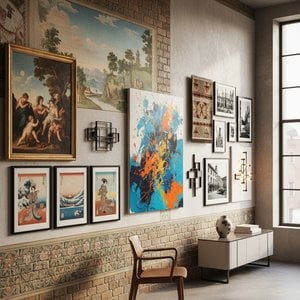
Transforming Spaces: A Comprehensive Exploration of Wall Decor Through Art History & Contemporary Practice
Explore the art of transforming spaces with our comprehensive guide to wall decor. From historical movements to contemporary trends, discover how to curate impactful interiors and commission bespoke artwork for a truly personalized aesthetic.

Giclée Prints: Archival Quality & Aesthetic Nuances for the Discerning Collector
Explore the world of giclée prints with ArtsDot. Learn about archival quality, aesthetic nuances & investment potential. Expert guidance for discerning art collectors seeking museum-quality reproductions and lasting value.

Serene Blue Backgrounds: Discover Soulful Art to Transform Your Space with Timeless Elegance
Transform your home with soulful blue art. From serene Monet impressions to modern textured sculptures, discover curated masterpieces designed to inspire calm. Explore expert art consultations and bespoke hand-painted reproductions to create your personal sanctuary.

Slate Blue Masterpieces: 10 Iconic Paintings & Timeless Home Decor Ideas
Immerse yourself in the captivating world of slate blue! Explore 10 iconic paintings by Monet, Van Gogh & Renoir. Discover their stories, techniques & find museum-quality art reproductions for your home at .

Georges Braque: 25 Šedevrai, Keičiantys Jūsų Interjerą | ArtsDot
Atraskite 25 Georges Braque šedevrus! Kubizmo meistro paveikslai, interjero dekoras ir meno istorija. Meno reprodukcijos aukščiausia kokybe – ArtsDot.com. Išsamesnės informacijos rasite internetu.


